Aetiology and Genetics of Haematological Malignancies

Factors influencing haematological malignancies include genetic mutations, inherited disorders, environmental exposures, and viral infections. Understanding these factors is crucial for diagnosis and treatment.

Download Presentation

Please find below an Image/Link to download the presentation.
The content on the website is provided AS IS for your information and personal use only. It may not be sold, licensed, or shared on other websites without obtaining consent from the author.If you encounter any issues during the download, it is possible that the publisher has removed the file from their server.
You are allowed to download the files provided on this website for personal or commercial use, subject to the condition that they are used lawfully. All files are the property of their respective owners.
The content on the website is provided AS IS for your information and personal use only. It may not be sold, licensed, or shared on other websites without obtaining consent from the author.
E N D
Presentation Transcript
The aetiology and genetics of haematological malignancies Ass.Prof.Abeer Anwer Ahmed
The aetiology of haemopoietic malignancy Cancer results from the accumulation of genetic mutations within a cell and the number present varies widely from over 100 in some cancers to about 10 in most haematological malignancies Factors such as: genetic inheritance and environmental lifestyle will influence the risk of developing a malignancy but most cases of leukaemia and lymphoma appear to result simply as a result of the chance acquisition of critical genetic changes.
Inherited factors The incidence of leukaemia is greatly increased in some genetic diseases such as Down s syndrome where acute leukaemia occurs with a 20 to 30 fold increased frequency. Additional disorders are Bloom s syndrome, Fanconi s anaemia, ataxia telangiectasia, neurofibromatosis, Klinefelter s syndrome and Wiskott Aldrich syndrome. There is also a weak familial tendency in diseases such as acute myeloid leukaemia (AML), CLL, Hodgkin lymphoma and non Hodgkin lymphoma (NHL), although the genes predisposing to this increased risk are largely unknown.
Environmental influences Chemicals Chronic exposure to industrial solvents or chemicals such as benzene is a known but rare cause of myelodysplasia or AML. Drugs Alkylating agents, such as chlorambucil or melphalan, predispose to later development of AML, especially if combined with radiotherapy. Etoposide is associated with a risk of the development of secondary leukaemia associated with balanced translocations including that of the MLL gene at 11q23 Radiation Radiation, especially to the marrow, is leukaemogenic. This is illustrated by an increased incidence of leukaemia in survivors of the atom bomb explosions in Japan.
Infection Infections are responsible for around 18% of all cancers and contribute to a range of haematological malignancies. Viruses Viral infection is associated with several types of haemopoietic malignancy, especially different subtypes of lymphoma. The retrovirus human T lymphotropic virus type 1 is the cause of adult T cell leukaemia/lymphoma although most people infected with this virus do not develop the tumour. Epstein Barr virus (EBV) is associated with almost all cases of endemic (African) Burkitt lymphoma, post transplant lymphoproliferative disease and a proportion of patients with Hodgkin lymphoma
Human herpes virus 8 infection (Kaposis sarcoma associated virus) causes Kaposi s sarcoma and primary effusion lymphoma . HIV infection is associated with an increased incidence of lymphomas at unusual sites such as the central nervous system. These HIV associated lymphomas are usually of B cell origin and of high grade histology
Bacteria Helicobacter pylori infection has been implicated in the pathogenesis of gastric mucosa B cell (MALT) lymphoma and antibiotic treatment may even bring about disease remission. Protozoa Endemic Burkitt lymphoma occurs in the tropics, particularly in malarial areas. It is thought that malaria may alter host immunity and predispose to tumour formation as a result of EBV infection
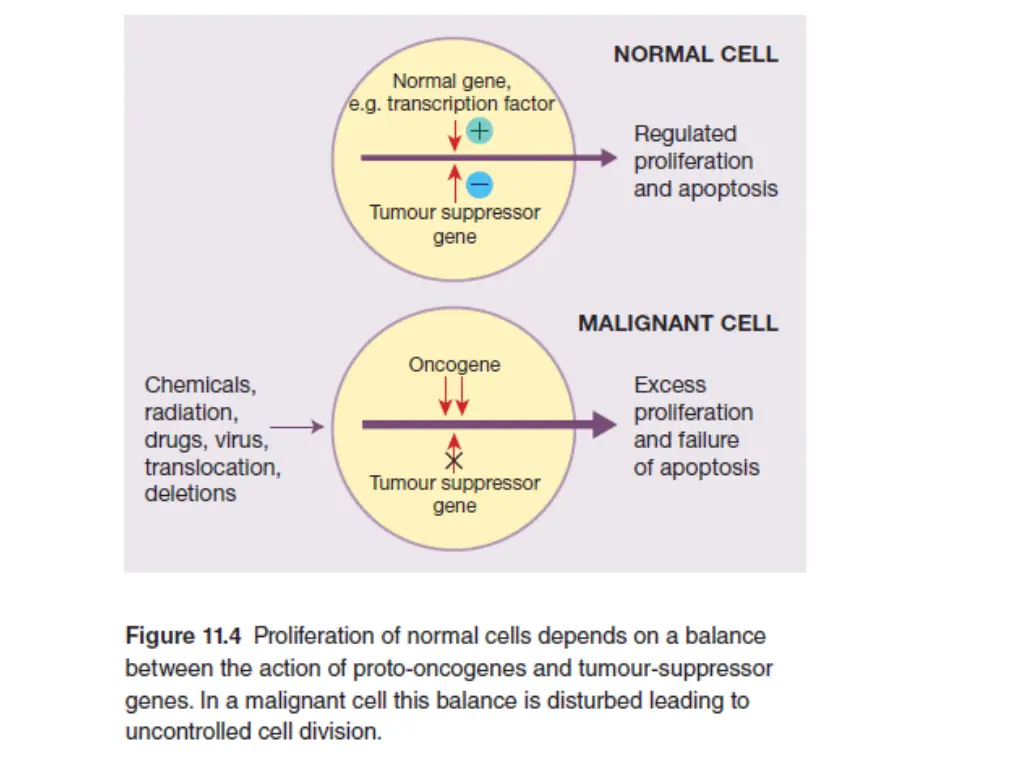
The genetics of haemopoietic malignancy Malignant transformation occurs as a result of the accumulation of genetic mutations in cellular genes. The genes that are involved in the development of cancer can be divided broadly into two groups: Oncogenes and tumour suppressor genes
Oncogenes Oncogenes arise because of gain of function mutations or inappropriate expression pattern in normal cellular genes called proto oncogenes Oncogenic versions are generated when the activity of proto oncogenes is increased or they acquire a novel function. This can occur in a number of ways including translocation, mutation or duplication. In general, these mutations affect the processes of cell signalling, cell differentiation and survival.
One of the striking features of haematological malignancies, in contrast to most solid tumours, is their high frequency of chromosomal translocations. Several oncogenes are involved in suppression of apoptosis, of which the best example is BCL 2 which is overexpressed in follicular lymphoma
The types of mutations that are detected in a case of cancer fall into two broad groups. Driver mutations are those that confer a selective growth advantage to a cancer cell. Recent data suggest that the combinatorial sequence in which different driver mutations occur in a tumour may affect the clinical features of the resulting disease. Passenger mutations do not confer a growth advantage and may have already been present in the cell from which the cancer arose or arise as a neutral genetic change in the proliferating cell. It is therefore important that targeted drug treatments are directed against the activity of driver mutations.
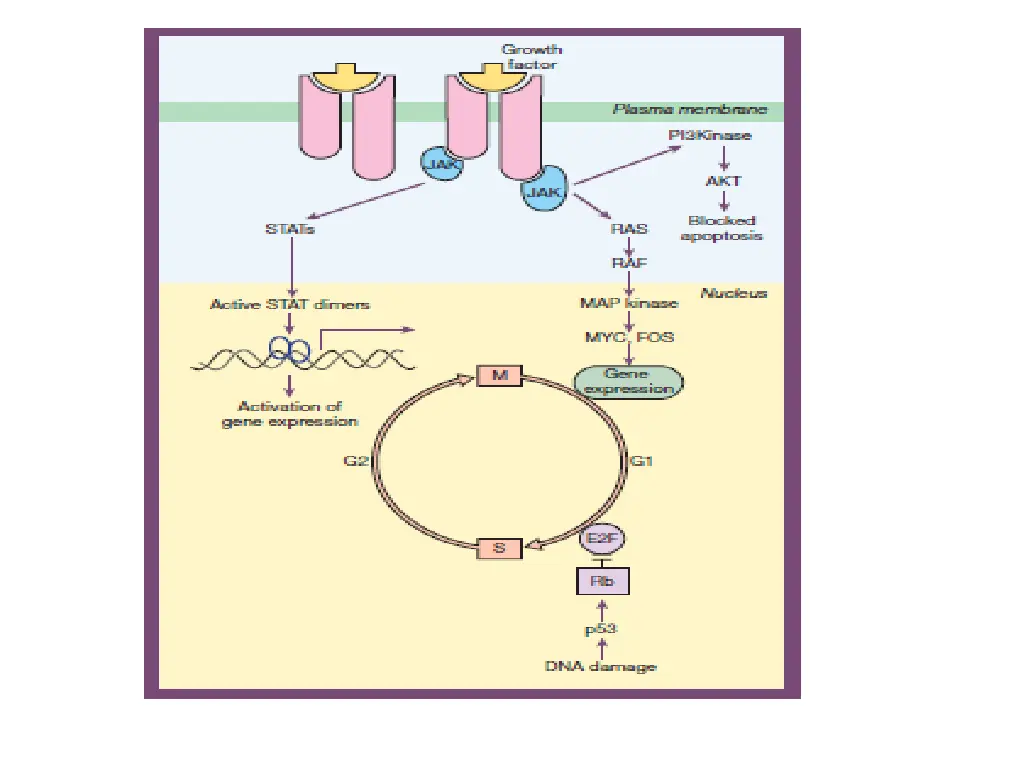
Tyrosine kinases These are enzymes which phosphorylate proteins on tyrosine residues and they are important mediators of intracellular signalling. Mutations of tyrosine kinases underlie a large number of haematological malignancies and they are the targets of many extremely effective new drugs. Common examples : ABL1 in chronic myeloid leukaemia (CML), JAK2 in myeloproliferative neoplasms, FLT3in AML, KIT in both systemic mastocytosis and AML, and Bruton kinase in chronic lymphocytic leukaemia and other lymphoproliferative disorders
Tumoursuppressor genes Tumour suppressor genes may acquire loss of function mutations, usually by point mutation or deletion, which lead to malignant transformation Tumour suppressor genes commonly act as components of control mechanisms that regulate entry of the cell from the G1 phase of the cell cycle into the S phase or passage through the S phase to G2 and mitosis . Examples of oncogenes and tumoursuppressor genes involved in haemopoietic malignancies The most significant tumour suppressor gene in human cancer is p53 which is mutated or inactivated in over 50% of cases of malignant disease, including many haemopoietic tumours.
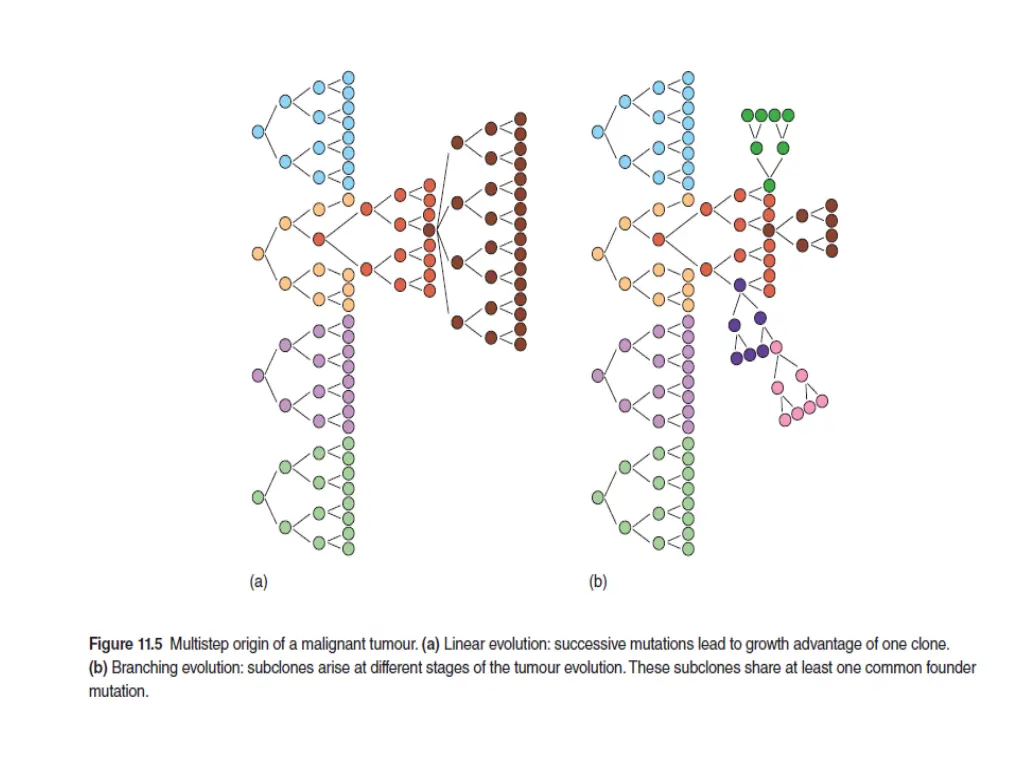
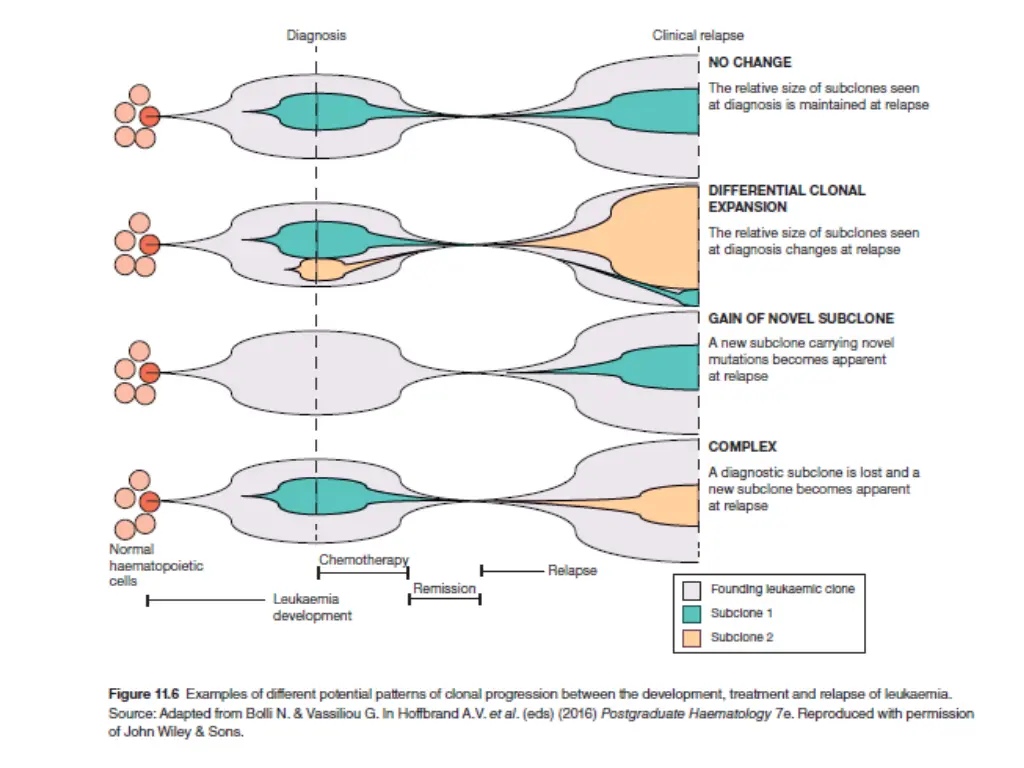
Clonal progression Malignant cells appear to arise as a multistep process with acquisition of mutations in different intracellular pathways. This may occur by: a linear evolution, in which the final clone harbours all the mutations that arose during evolution of the malignancy (Fig. 11.5a), or by branching evolution, in which there is more than one clone of cells characterized by different somatic mutations but which share at least one mutation traceable back to a single ancestral cell . During this progression of the disease, one subclone may gradually acquire a growth advantage. Selection of subclones may also occur during treatment which may selectively kill some subclones but allow others to survive and new clones to appear .
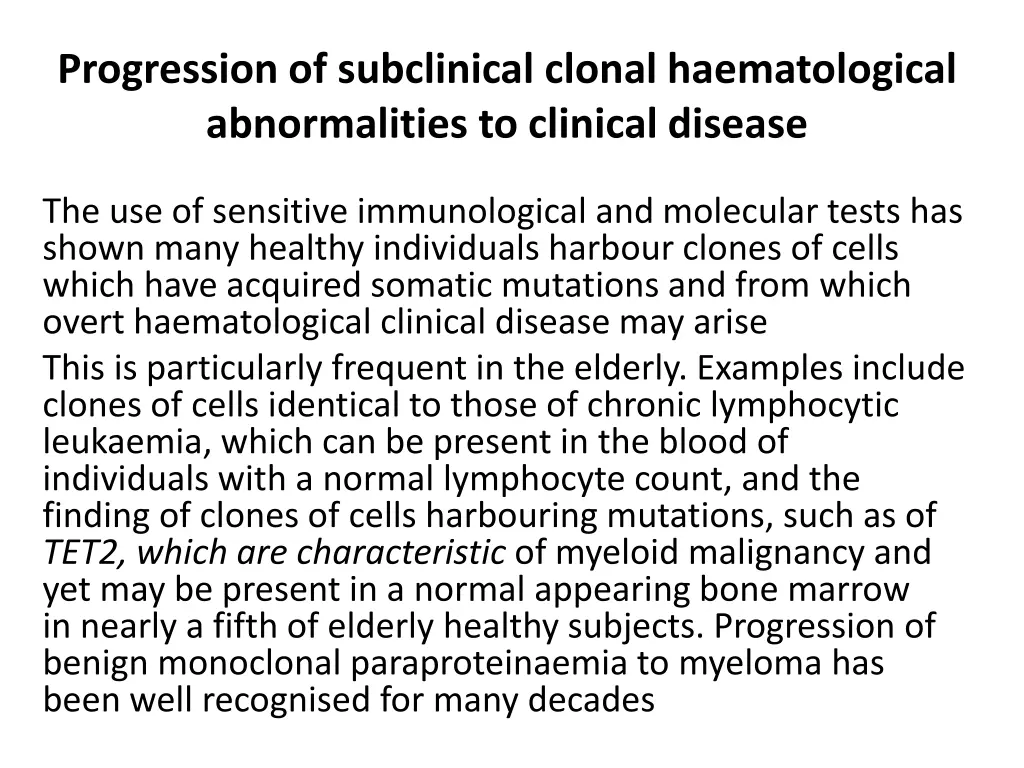
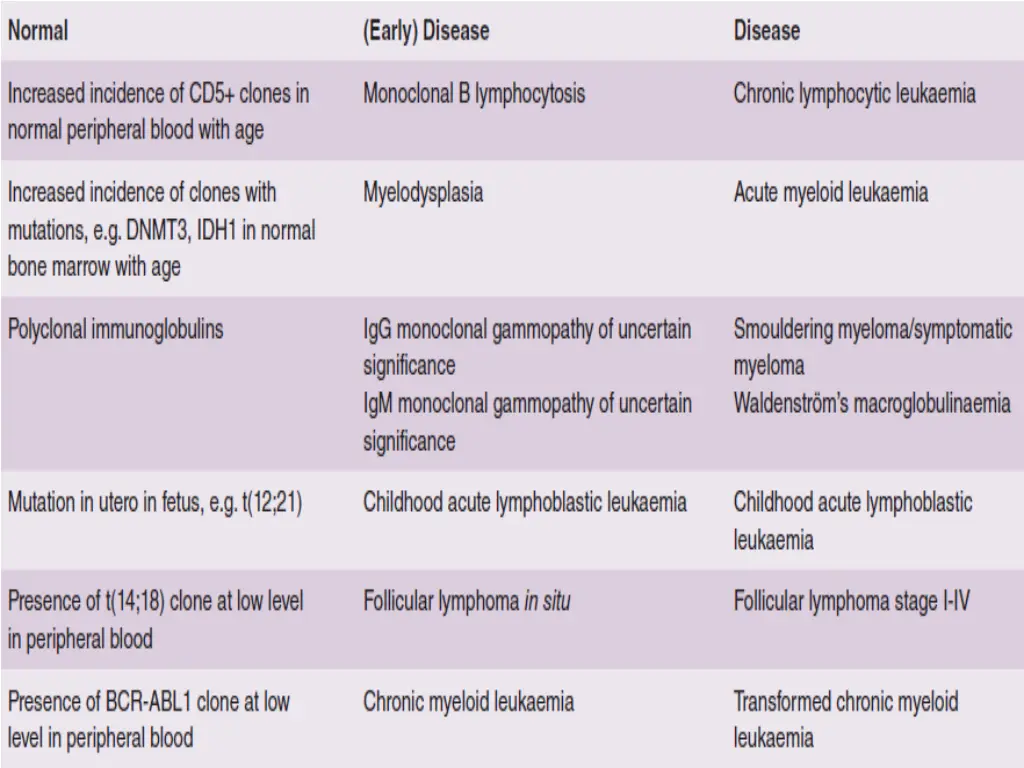
Progression of subclinical clonal haematological abnormalities to clinical disease The use of sensitive immunological and molecular tests has shown many healthy individuals harbour clones of cells which have acquired somatic mutations and from which overt haematological clinical disease may arise This is particularly frequent in the elderly. Examples include clones of cells identical to those of chronic lymphocytic leukaemia, which can be present in the blood of individuals with a normal lymphocyte count, and the finding of clones of cells harbouring mutations, such as of TET2, which are characteristic of myeloid malignancy and yet may be present in a normal appearing bone marrow in nearly a fifth of elderly healthy subjects. Progression of benign monoclonal paraproteinaemia to myeloma has been well recognised for many decades
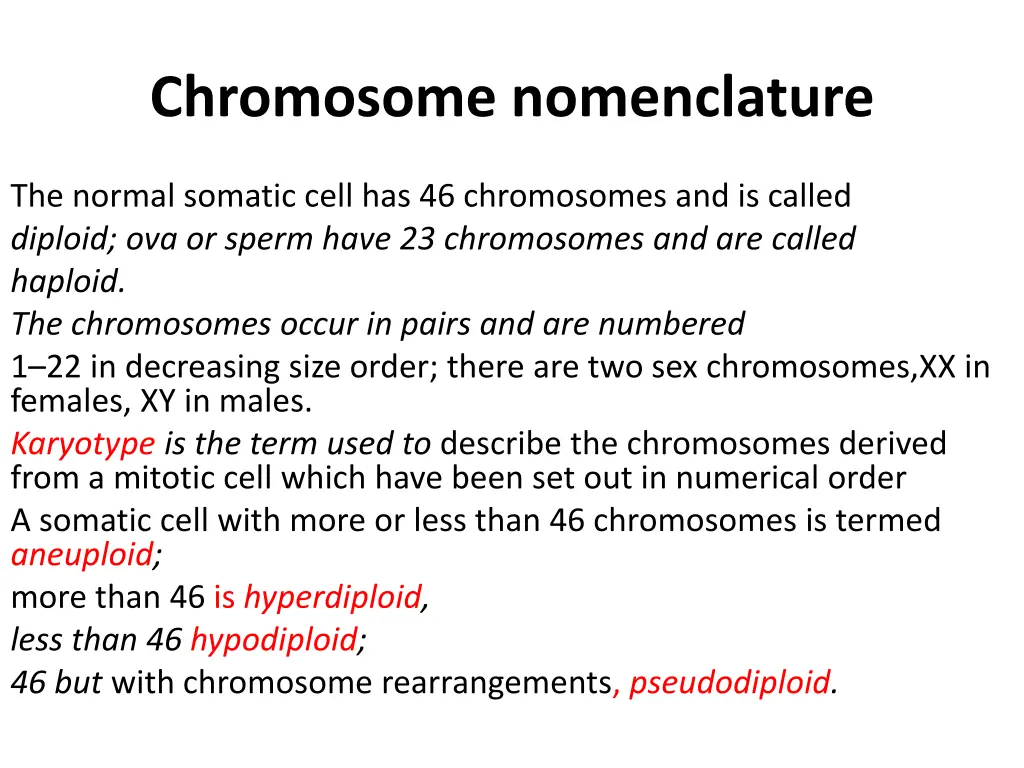
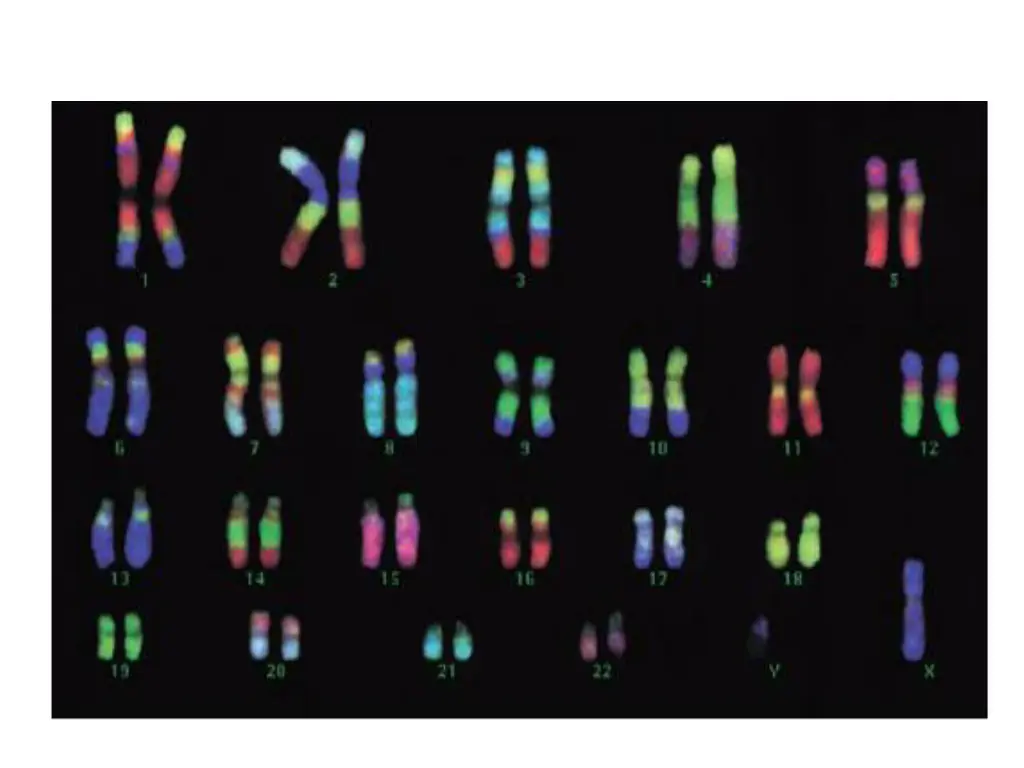
Chromosome nomenclature The normal somatic cell has 46 chromosomes and is called diploid; ova or sperm have 23 chromosomes and are called haploid. The chromosomes occur in pairs and are numbered 1 22 in decreasing size order; there are two sex chromosomes,XX in females, XY in males. Karyotype is the term used to describe the chromosomes derived from a mitotic cell which have been set out in numerical order A somatic cell with more or less than 46 chromosomes is termed aneuploid; more than 46 is hyperdiploid, less than 46 hypodiploid; 46 but with chromosome rearrangements, pseudodiploid.
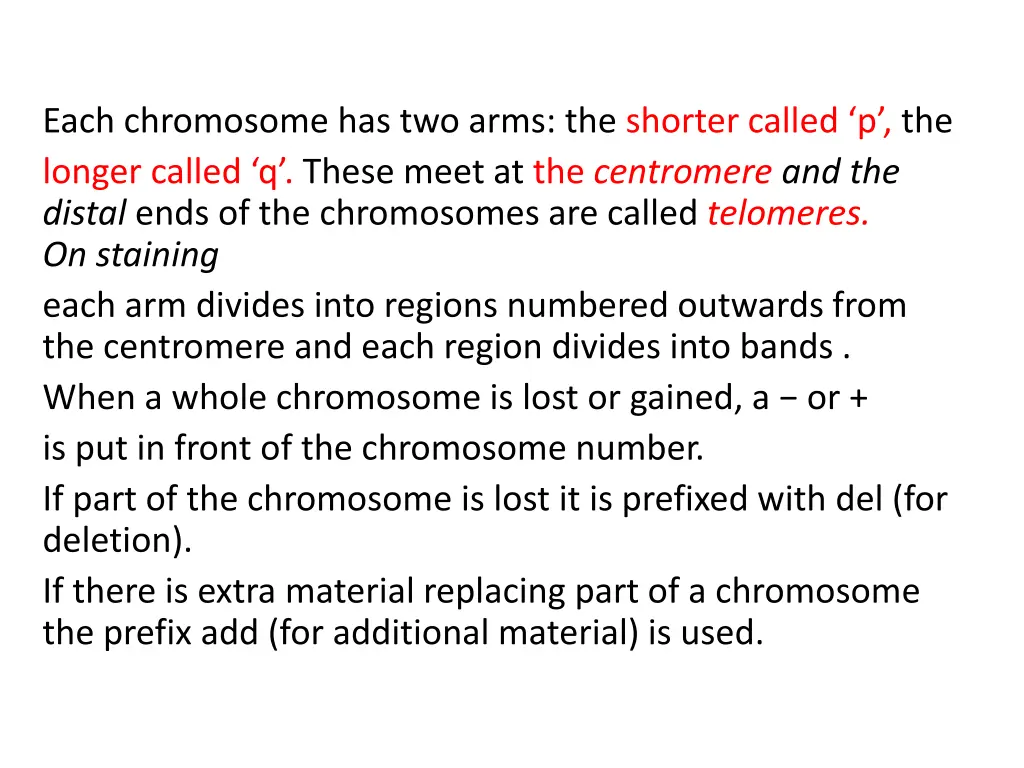
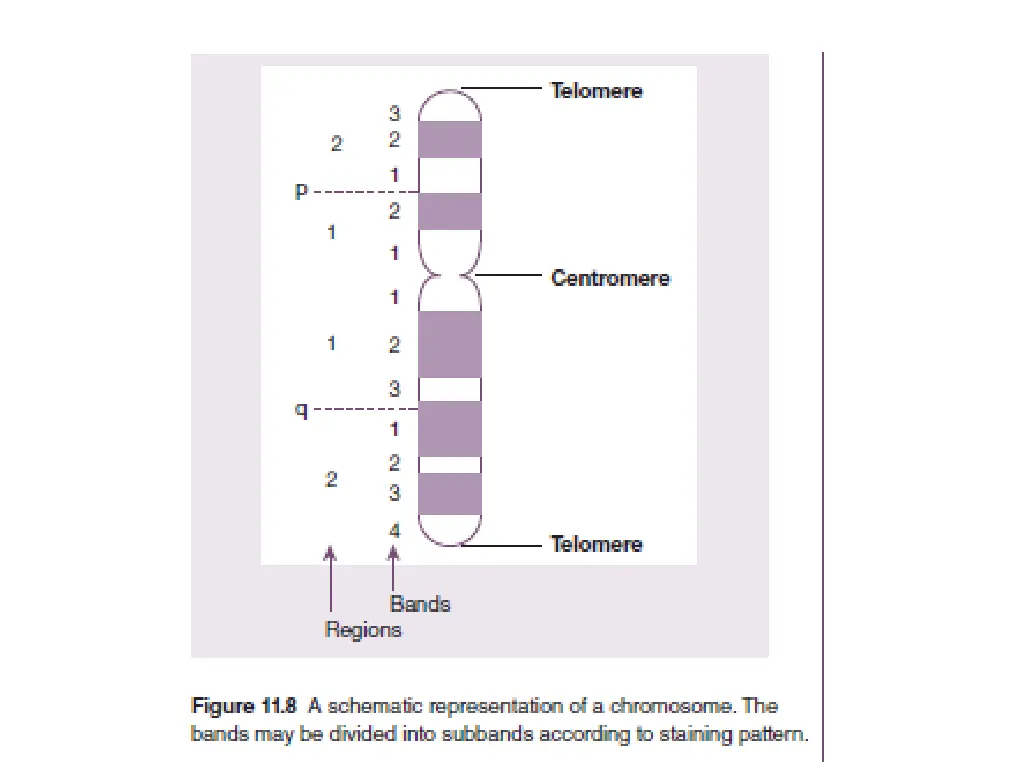
Each chromosome has two arms: the shorter called p, the longer called q . These meet at the centromere and the distal ends of the chromosomes are called telomeres. On staining each arm divides into regions numbered outwards from the centromere and each region divides into bands . When a whole chromosome is lost or gained, a or + is put in front of the chromosome number. If part of the chromosome is lost it is prefixed with del (for deletion). If there is extra material replacing part of a chromosome the prefix add (for additional material) is used.
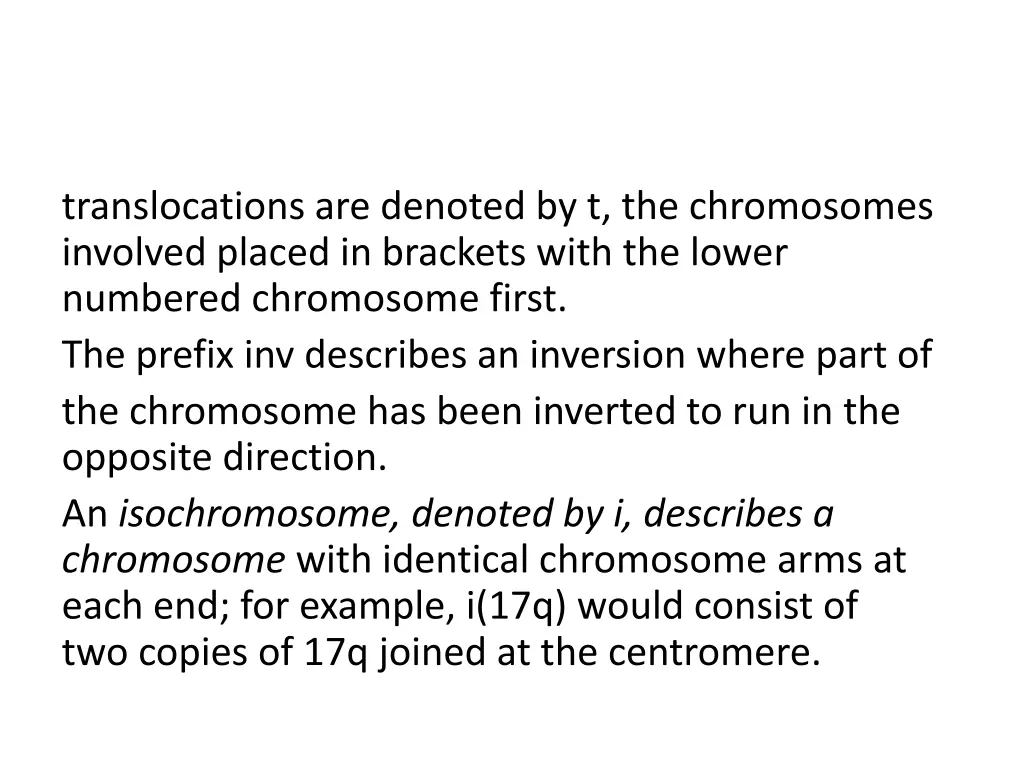
translocations are denoted by t, the chromosomes involved placed in brackets with the lower numbered chromosome first. The prefix inv describes an inversion where part of the chromosome has been inverted to run in the opposite direction. An isochromosome, denoted by i, describes a chromosome with identical chromosome arms at each end; for example, i(17q) would consist of two copies of 17q joined at the centromere.
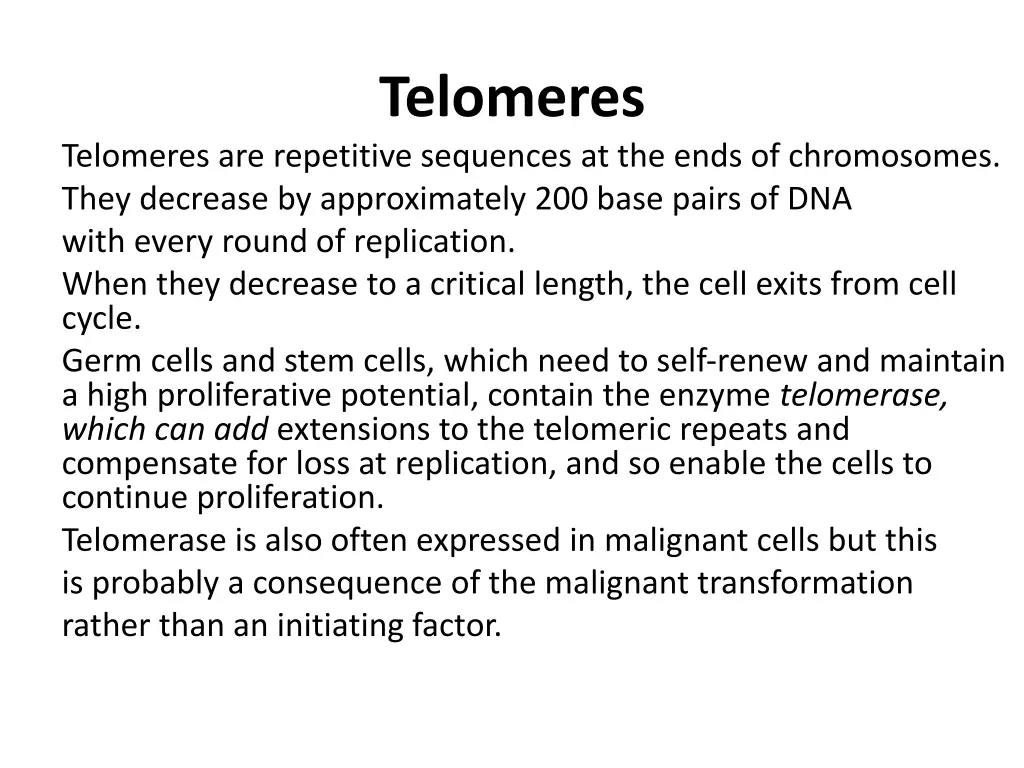
Telomeres Telomeres are repetitive sequences at the ends of chromosomes. They decrease by approximately 200 base pairs of DNA with every round of replication. When they decrease to a critical length, the cell exits from cell cycle. Germ cells and stem cells, which need to self renew and maintain a high proliferative potential, contain the enzyme telomerase, which can add extensions to the telomeric repeats and compensate for loss at replication, and so enable the cells to continue proliferation. Telomerase is also often expressed in malignant cells but this is probably a consequence of the malignant transformation rather than an initiating factor.
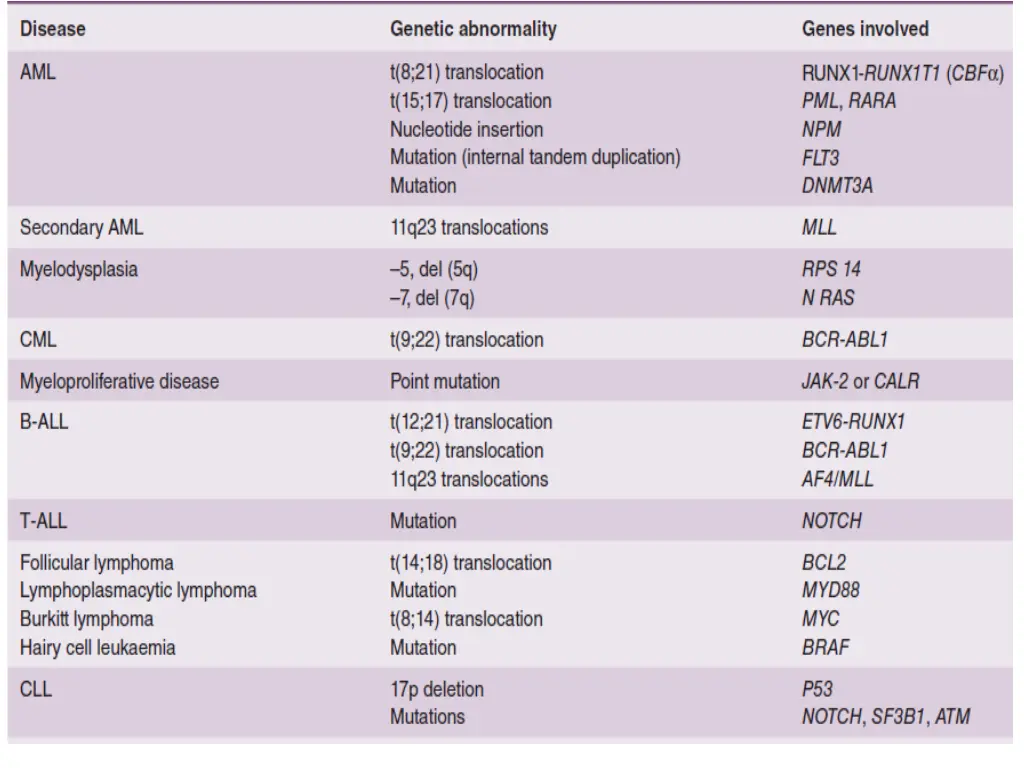
Specific examples of genetic abnormalities in haematological malignancies The genetic abnormalities underlying the different types of leukaemia and lymphoma are described with the diseases which are themselves increasingly classified according to genetic change rather than morphology. The types of gene abnormality include the following
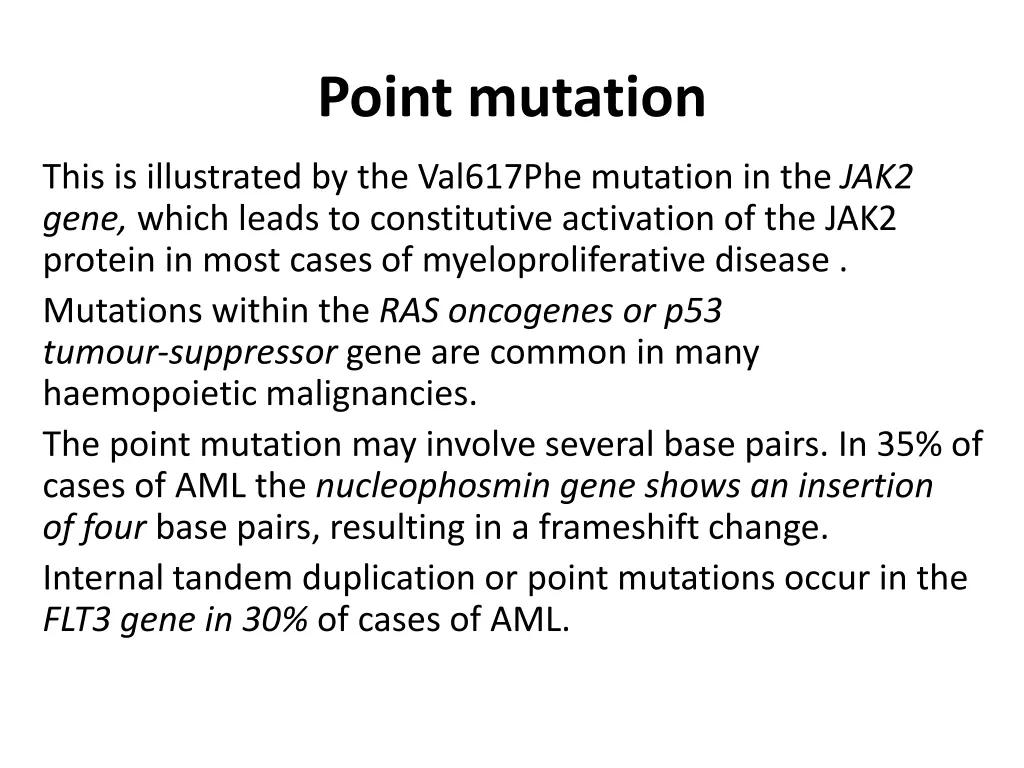
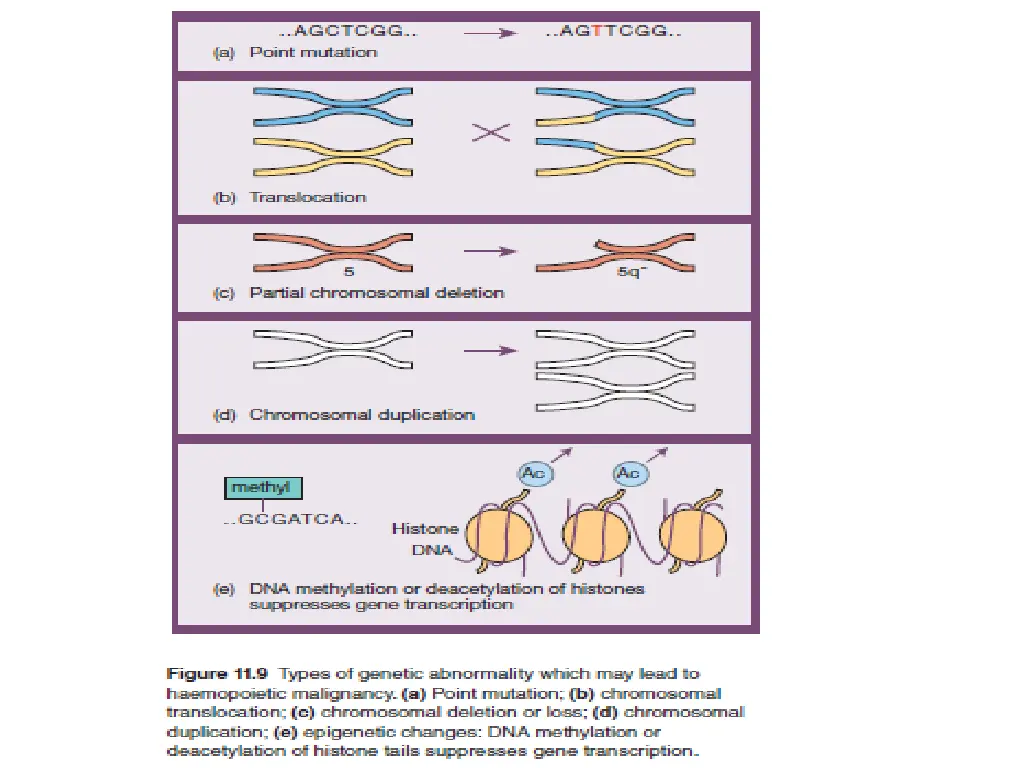
Point mutation This is illustrated by the Val617Phe mutation in the JAK2 gene, which leads to constitutive activation of the JAK2 protein in most cases of myeloproliferative disease . Mutations within the RAS oncogenes or p53 tumour suppressor gene are common in many haemopoietic malignancies. The point mutation may involve several base pairs. In 35% of cases of AML the nucleophosmin gene shows an insertion of four base pairs, resulting in a frameshift change. Internal tandem duplication or point mutations occur in the FLT3 gene in 30% of cases of AML.
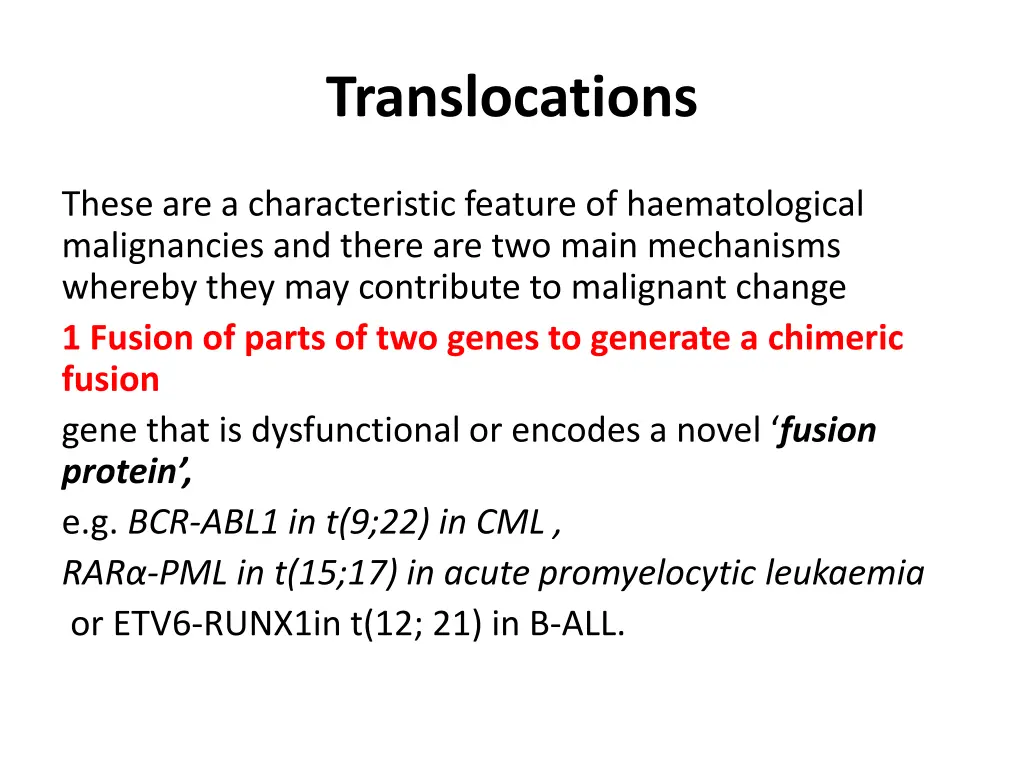
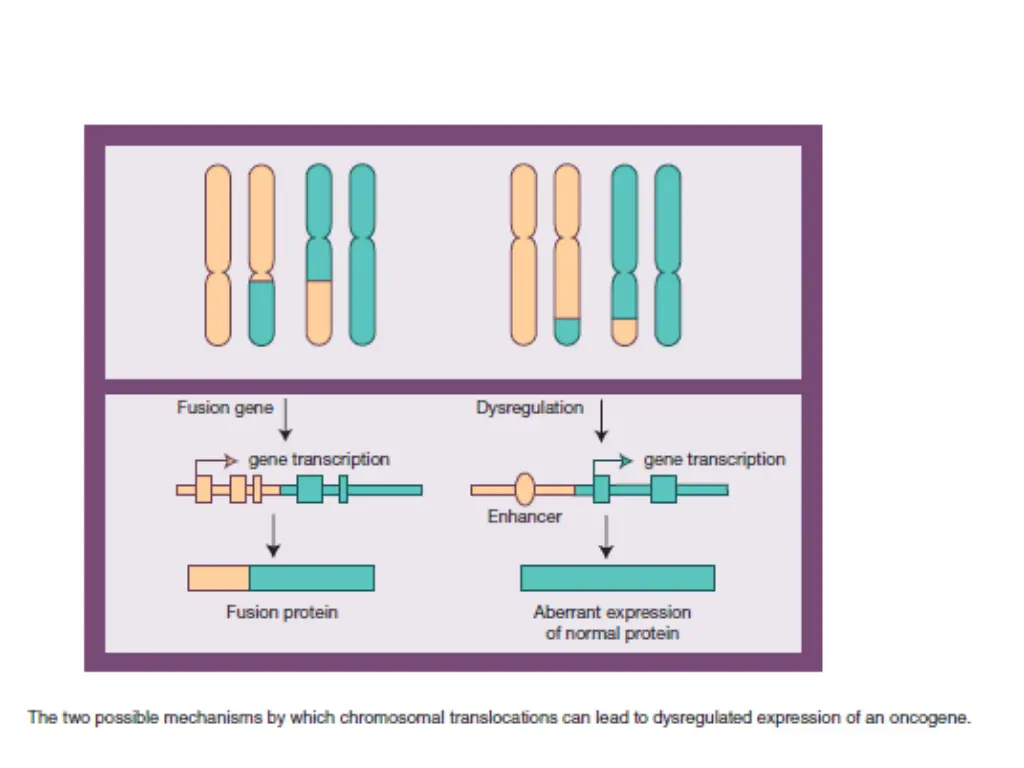
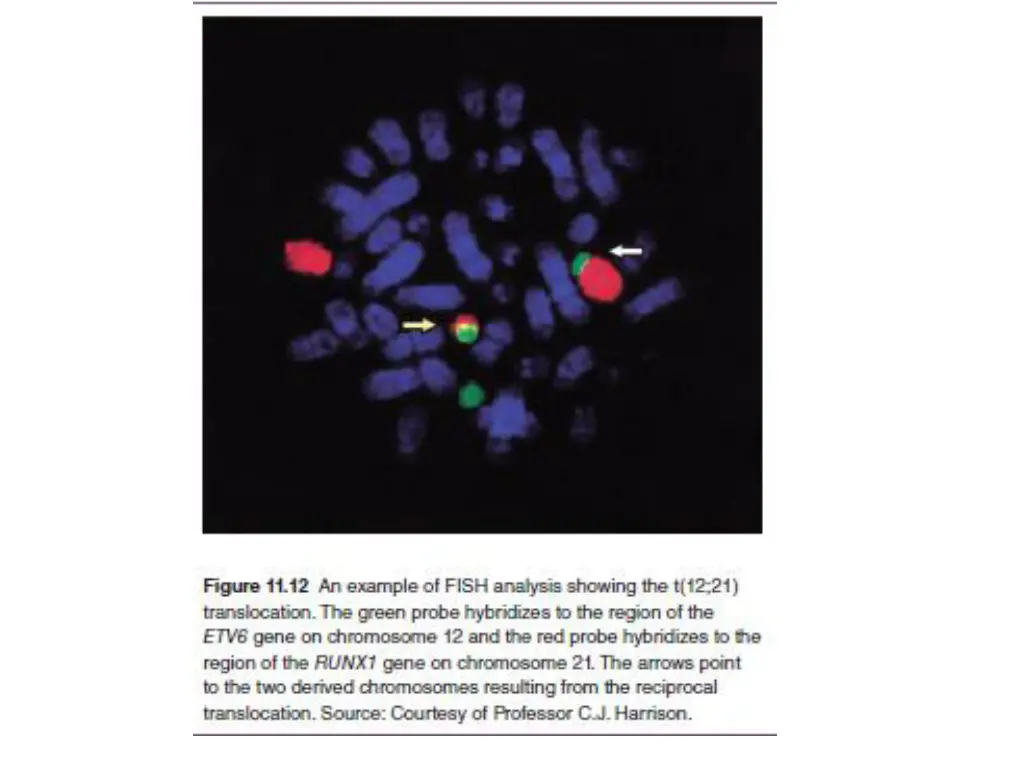
Translocations These are a characteristic feature of haematological malignancies and there are two main mechanisms whereby they may contribute to malignant change 1 Fusion of parts of two genes to generate a chimeric fusion gene that is dysfunctional or encodes a novel fusion protein , e.g. BCR ABL1 in t(9;22) in CML , RAR PML in t(15;17) in acute promyelocytic leukaemia or ETV6 RUNX1in t(12; 21) in B ALL.
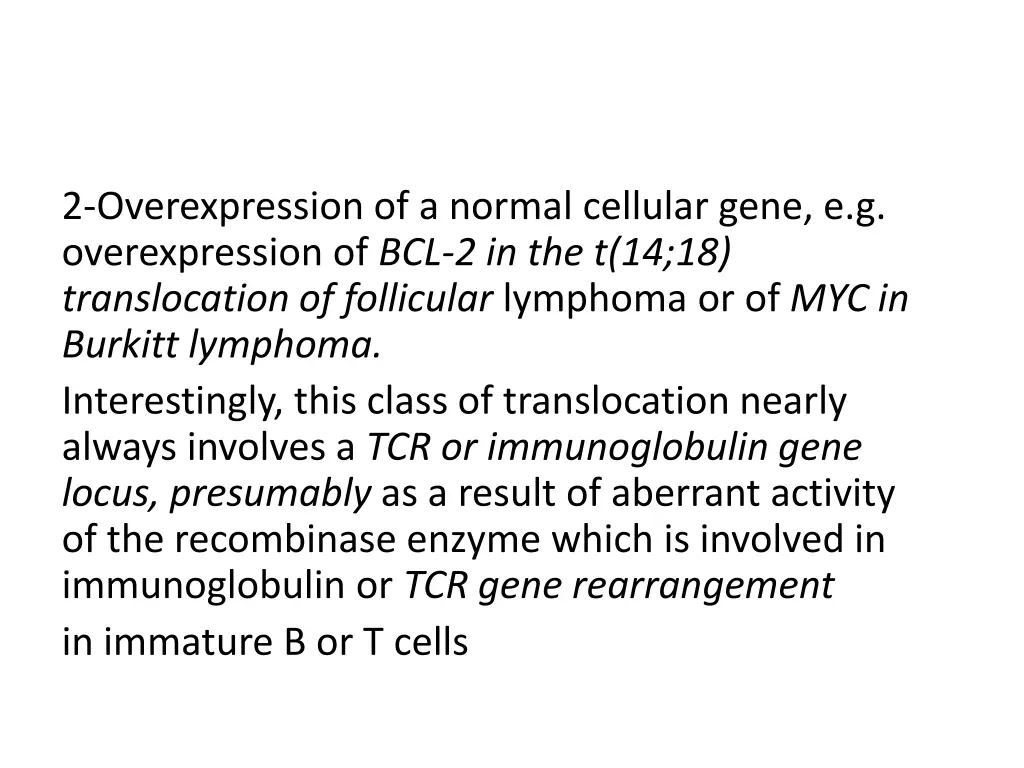
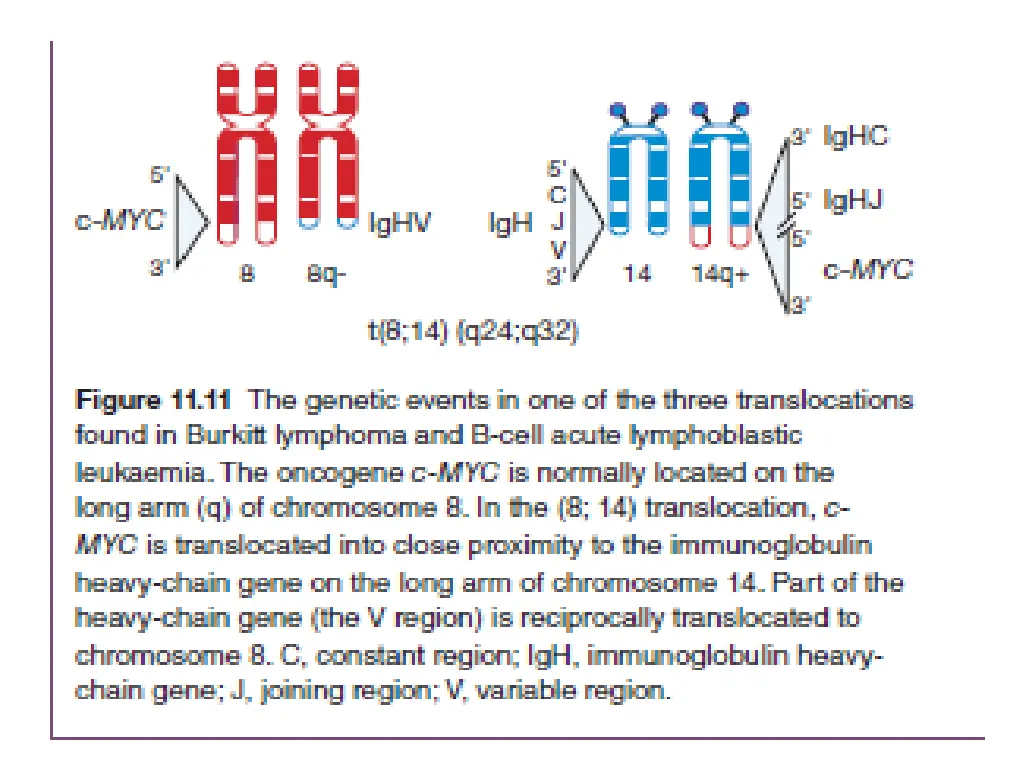
2-Overexpression of a normal cellular gene, e.g. overexpression of BCL 2 in the t(14;18) translocation of follicular lymphoma or of MYC in Burkitt lymphoma. Interestingly, this class of translocation nearly always involves a TCR or immunoglobulin gene locus, presumably as a result of aberrant activity of the recombinase enzyme which is involved in immunoglobulin or TCR gene rearrangement in immature B or T cells
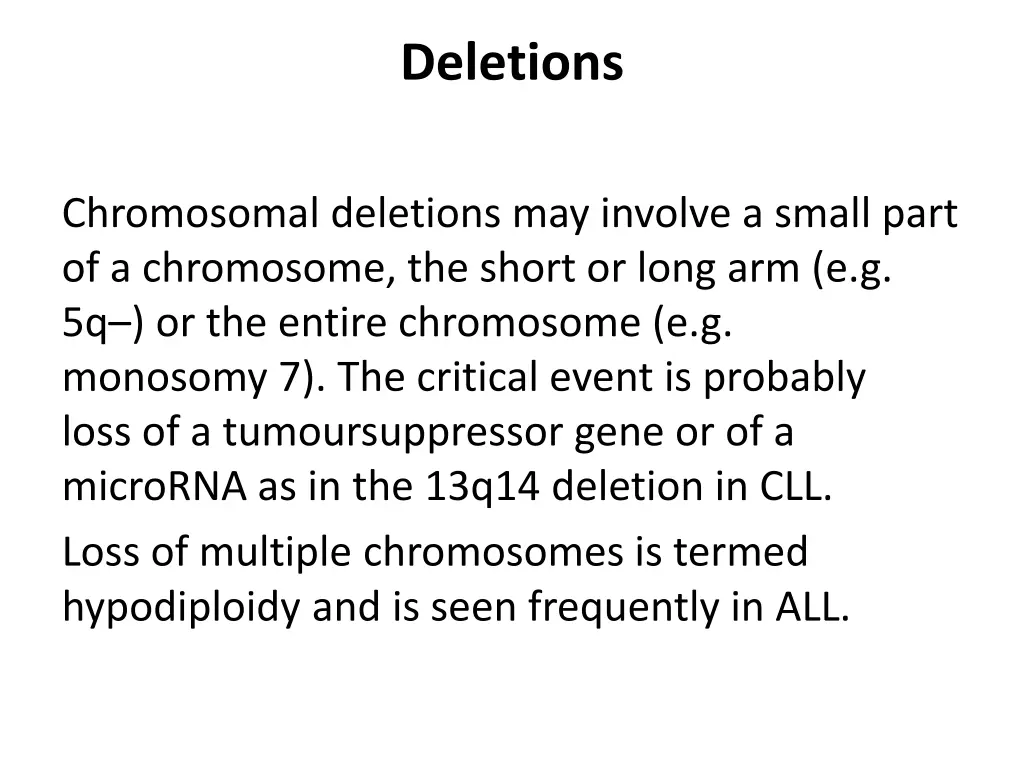
Deletions Chromosomal deletions may involve a small part of a chromosome, the short or long arm (e.g. 5q ) or the entire chromosome (e.g. monosomy 7). The critical event is probably loss of a tumoursuppressor gene or of a microRNA as in the 13q14 deletion in CLL. Loss of multiple chromosomes is termed hypodiploidy and is seen frequently in ALL.
Duplication or amplification In chromosomal duplication (e.g. trisomy 12 in CLL) or gene amplification, gains are common in chromosomes 8, 12, 19, 21 and Y. Gene amplification is increasingly recognised within haemopoietic malignancy and an example is that involving the MLL gene.
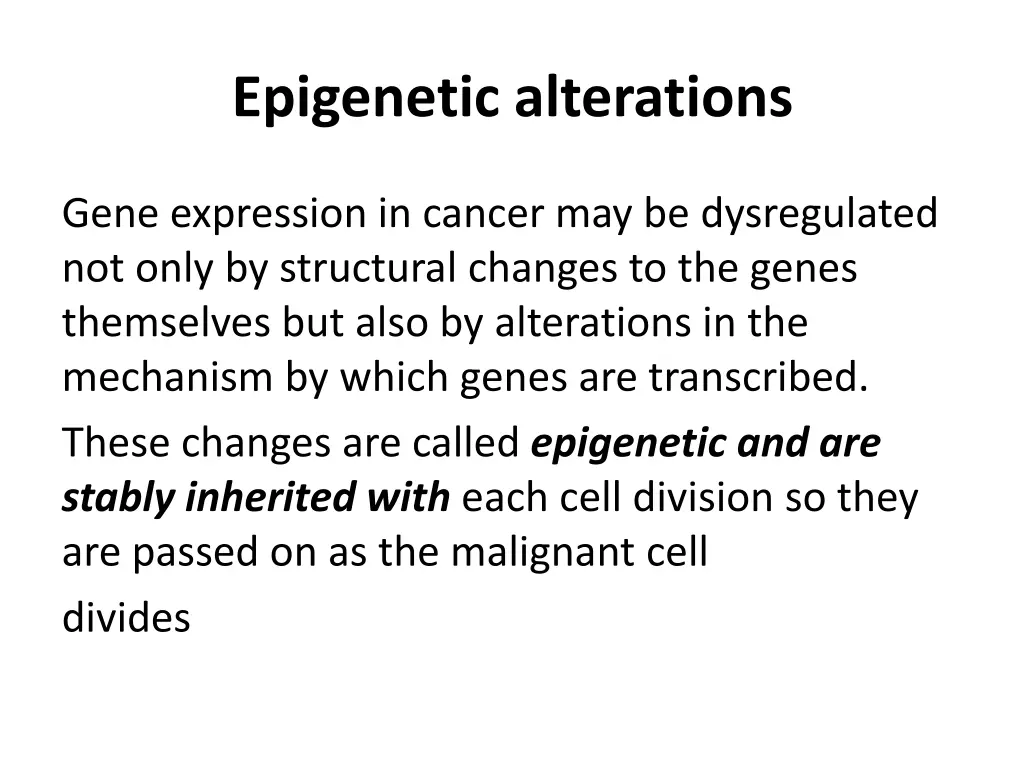
Epigenetic alterations Gene expression in cancer may be dysregulated not only by structural changes to the genes themselves but also by alterations in the mechanism by which genes are transcribed. These changes are called epigenetic and are stably inherited with each cell division so they are passed on as the malignant cell divides
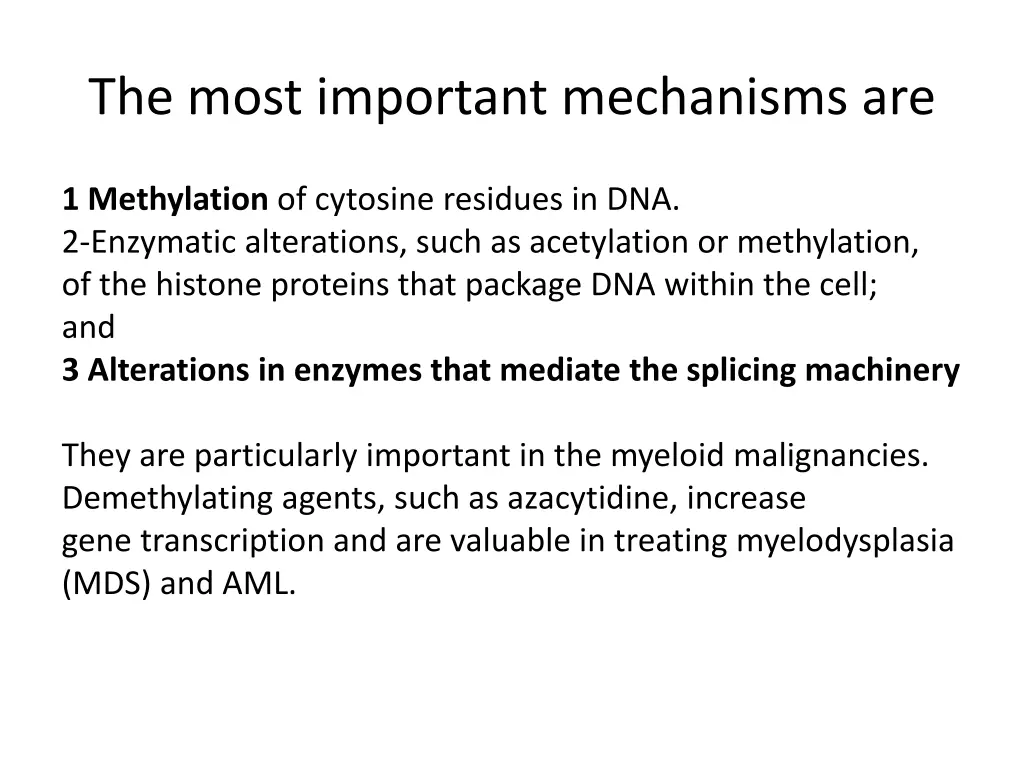
The most important mechanisms are 1 Methylation of cytosine residues in DNA. 2-Enzymatic alterations, such as acetylation or methylation, of the histone proteins that package DNA within the cell; and 3 Alterations in enzymes that mediate the splicing machinery They are particularly important in the myeloid malignancies. Demethylating agents, such as azacytidine, increase gene transcription and are valuable in treating myelodysplasia (MDS) and AML.
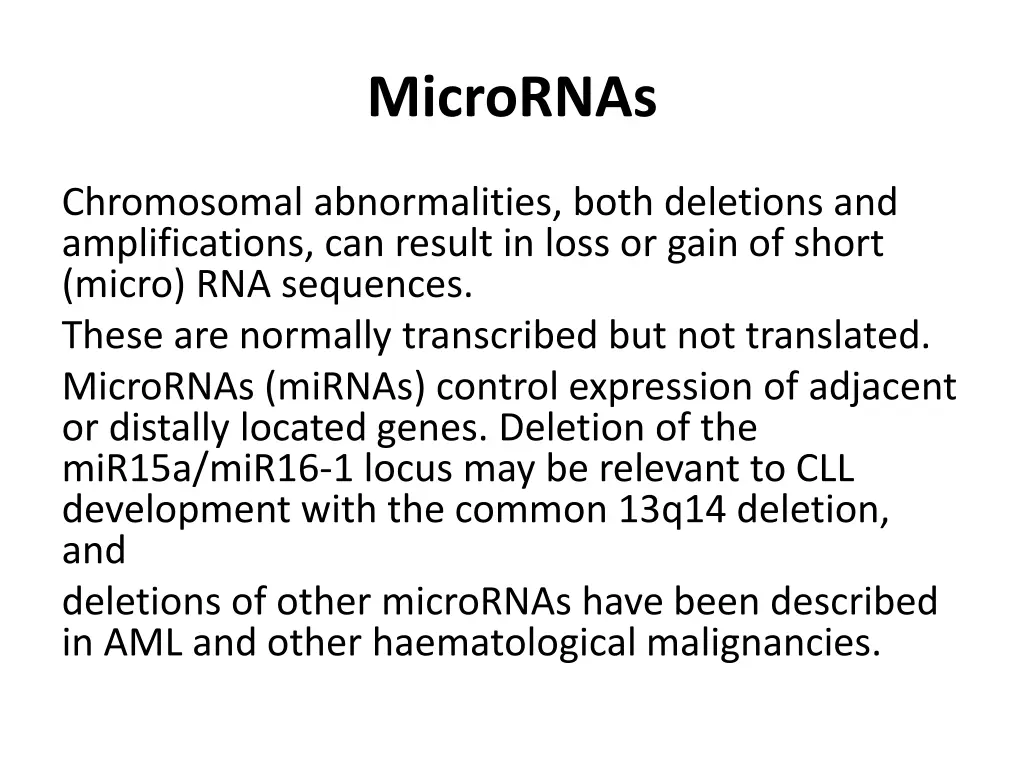
MicroRNAs Chromosomal abnormalities, both deletions and amplifications, can result in loss or gain of short (micro) RNA sequences. These are normally transcribed but not translated. MicroRNAs (miRNAs) control expression of adjacent or distally located genes. Deletion of the miR15a/miR16 1 locus may be relevant to CLL development with the common 13q14 deletion, and deletions of other microRNAs have been described in AML and other haematological malignancies.
Diagnostic methods used to study malignant cells Karyotype analysis Karyotype analysis involves direct morphological analysis of chromosomes from tumour cells under the microscope . This requires tumour cells to be in metaphase and so cells are cultured to encourage cell division prior to chromosomal preparation.
Fluorescence in situ hybridization analysis Fluorescence in situ hybridization (FISH) analysis involves the use of fluorescent labelled genetic probes which hybridize to specific parts of the genome. It is possible to label each chromosome with a different combination of fluorescent labels This is a sensitive technique that can detect extra copies of genetic material in both metaphase and interphase (non dividing) cells or, by using two different probes, reveal chromosomal translocations or reduced chromosome numbers.
Gene sequencing Gene sequence analysis is used to detect the genetic mutations that can cause malignant disease. Next generation sequencing (NGS) can be used to study individual genes of interest; sequencing of the whole exome or genome of the cancer (6.109 base pairs) can be performed for moderate cost. This is then compared to the germline sequence of the patient to identify the mutations in the tumour. It is likely that cancer treatment in the future will be based on assessment of the patient s germline genome and the genome of their tumour. Gene sequencing identifies point mutations such as of JAK2 in the myeloproliferative diseases, KIT in systemic mastocytosis and FLT3 in AML
DNA microarray platforms DNA microarrays allow a rapid and comprehensive analysis of the pattern of cellular transcription within a cell or tissue by hybridizing labelled cellular mRNA to DNA probes which are immobilized on a slide or microchip . It is valuable in research but is not widely used for diagnosis. An alternative approach to assessing the profile of RNA within a cell is to use NGS to sequence all RNA transcripts ( RNASeq ).
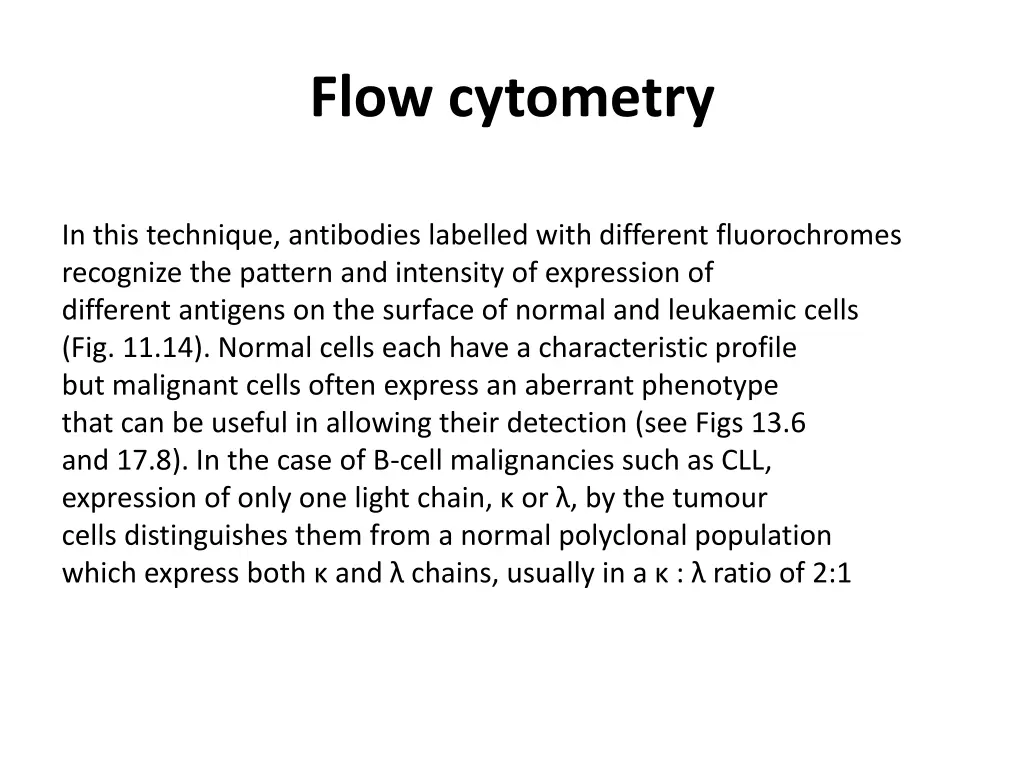
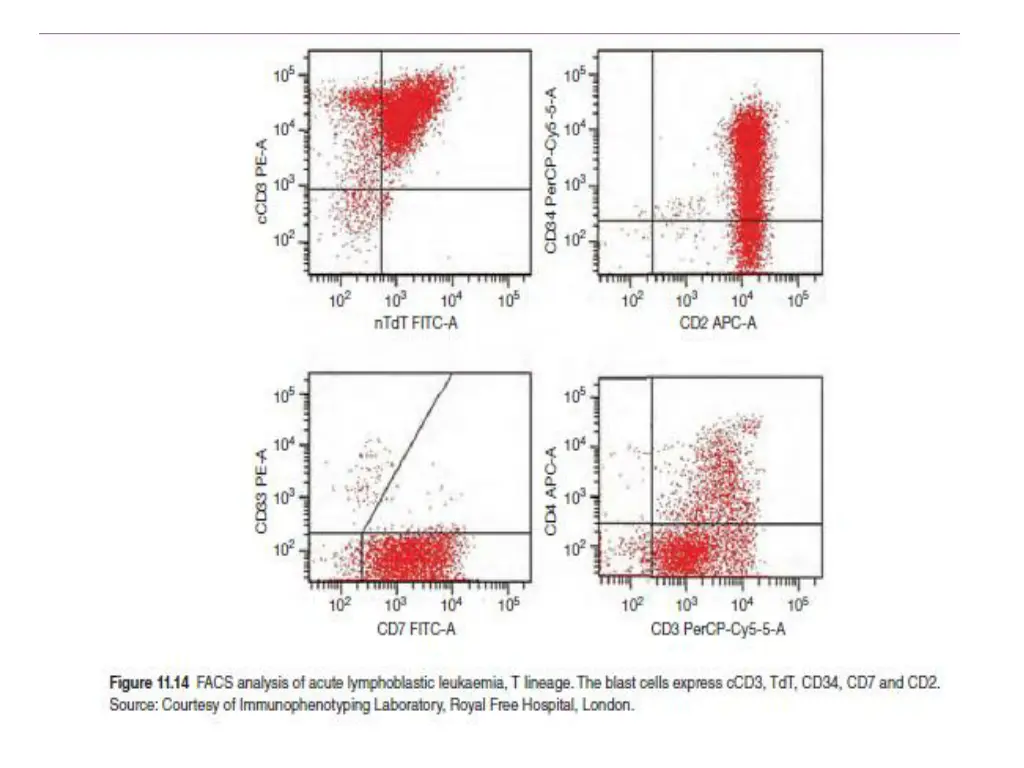
Flow cytometry In this technique, antibodies labelled with different fluorochromes recognize the pattern and intensity of expression of different antigens on the surface of normal and leukaemic cells (Fig. 11.14). Normal cells each have a characteristic profile but malignant cells often express an aberrant phenotype that can be useful in allowing their detection (see Figs 13.6 and 17.8). In the case of B cell malignancies such as CLL, expression of only one light chain, or , by the tumour cells distinguishes them from a normal polyclonal population which express both and chains, usually in a : ratio of 2:1
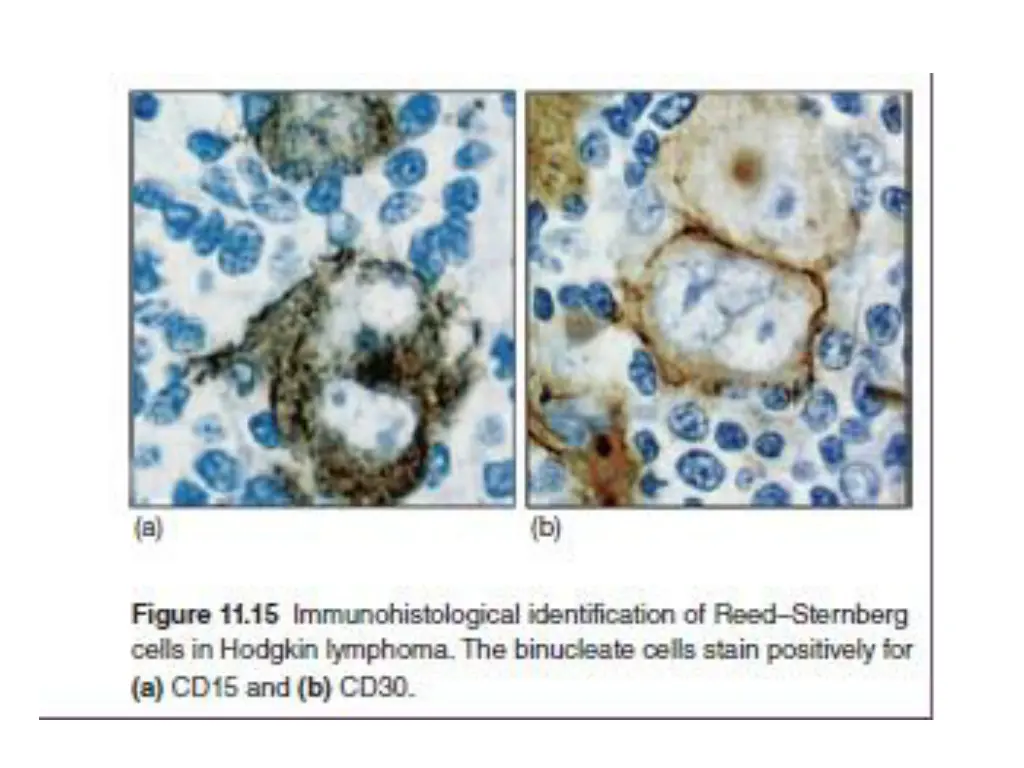
Immunohistology (immunocytochemistry) Antibodies can also be used to stain tissue sections. The fixed sections are incubated with an antibody, washed, and incubated with a second antibody linked to an enzyme, usually peroxidase. A substrate is added that the enzyme converts to a coloured precipitate, usually brown. The presence and architecture of tumour cells can be identified by visualization of stained tissue sections under the microscope . The clonal nature of B cell malignancies can be shown in tissue sections by staining for or chains. A malignant clonal population (e.g. in B cell NHL) will express one or other light chain but not both
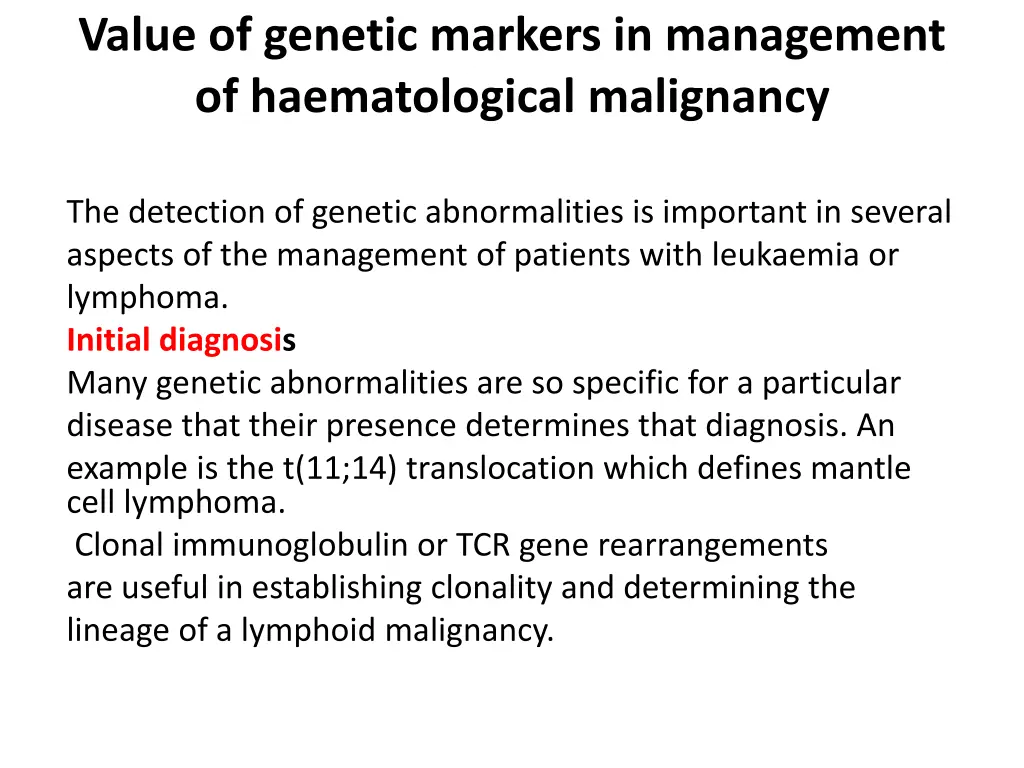
Value of genetic markers in management of haematological malignancy The detection of genetic abnormalities is important in several aspects of the management of patients with leukaemia or lymphoma. Initial diagnosis Many genetic abnormalities are so specific for a particular disease that their presence determines that diagnosis. An example is the t(11;14) translocation which defines mantle cell lymphoma. Clonal immunoglobulin or TCR gene rearrangements are useful in establishing clonality and determining the lineage of a lymphoid malignancy.
For establishing a treatment protocol Each major type of haematological malignancy can be further subdivided on the basis of detailed genetic information. For instance, AML is a diverse group of disorders with characteristic genotypes. Individual subtypes respond differently to standard treatment. The t(8;21) and inv(16) subgroups have a favourable prognosis, whereas monosomy 7 carries a poor prognosis. In those with normal cytogenetics, molecular analysis may show FLT3 internal tandem duplication, an unfavourable marker, or NPM1 mutation, which is favourable.