Biodegradation of Xenobiotics, Plastics, and Pesticides
The biodegradation of xenobiotics, hydrocarbons, plastics, and pesticides is a crucial process in environmental science. Understanding how microorganisms break down these harmful substances can lead to innovative solutions for pollution control and waste management. This article explores the mechanisms and significance of biodegradation in tackling environmental challenges caused by these synthetic compounds.

Download Presentation

Please find below an Image/Link to download the presentation.
The content on the website is provided AS IS for your information and personal use only. It may not be sold, licensed, or shared on other websites without obtaining consent from the author.If you encounter any issues during the download, it is possible that the publisher has removed the file from their server.
You are allowed to download the files provided on this website for personal or commercial use, subject to the condition that they are used lawfully. All files are the property of their respective owners.
The content on the website is provided AS IS for your information and personal use only. It may not be sold, licensed, or shared on other websites without obtaining consent from the author.
E N D
Presentation Transcript
BIODEGRADATION OF XENOBIOTICS HYDROCARBONS, PLASTICS & PESTICIDES
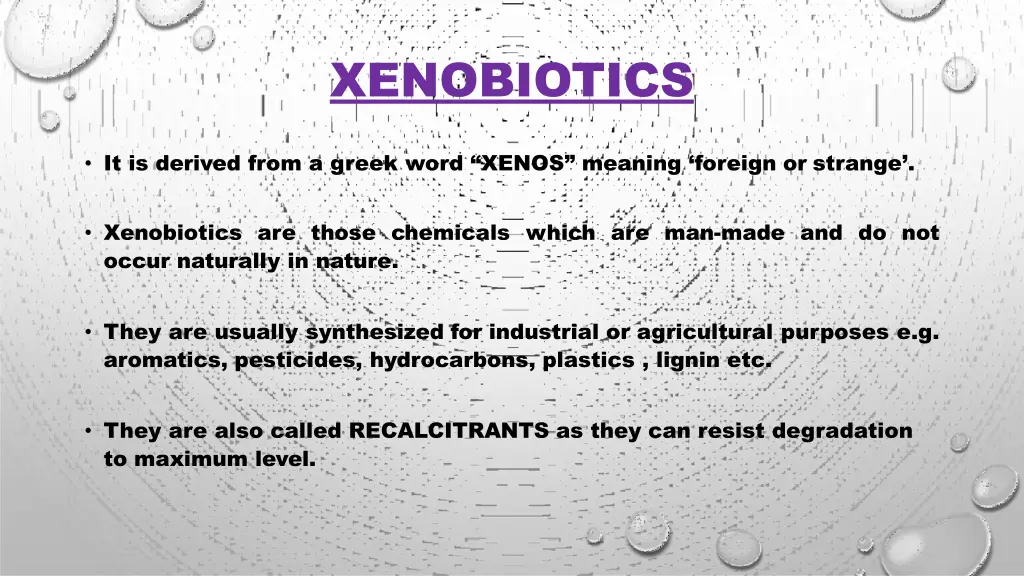
XENOBIOTICS It is derived from a greek word XENOS meaning foreign or strange . Xenobiotics are those chemicals which are man-made and do not occur naturally in nature. They are usually synthesized for industrial or agricultural purposes e.g. aromatics, pesticides, hydrocarbons, plastics , lignin etc. They are also called RECALCITRANTS as they can resist degradation to maximum level.
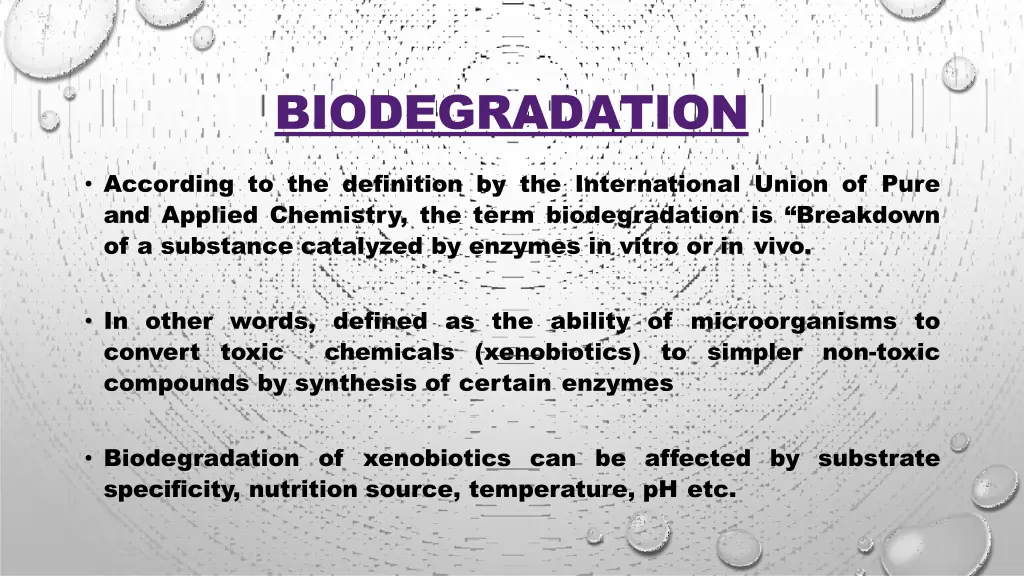
BIODEGRADATION According to the definition by the International Union of Pure and Applied Chemistry, the term biodegradation is Breakdown of a substance catalyzed by enzymes in vitro or in vivo. In other words, defined as the ability of microorganisms to convert toxic chemicals (xenobiotics) to simpler non-toxic compounds by synthesis of certain enzymes Biodegradation of xenobiotics can be affected by substrate specificity, nutrition source, temperature, pH etc.
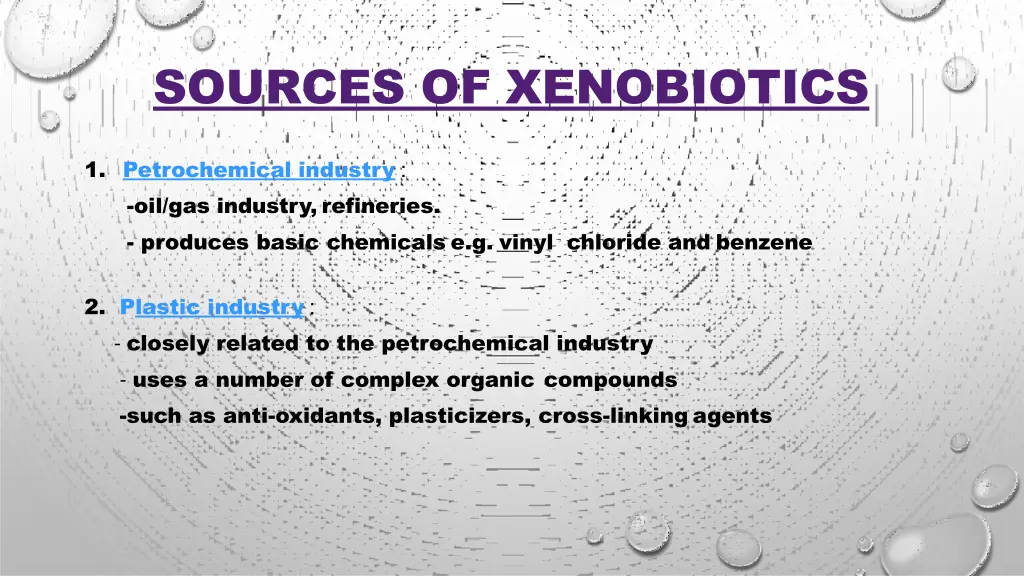
SOURCES OF XENOBIOTICS 1. Petrochemical industry : -oil/gas industry,refineries. - produces basic chemicals e.g. vinyl chloride and benzene 2. Plastic industry : - closely related to the petrochemical industry - uses a number of complex organic compounds -such as anti-oxidants, plasticizers, cross-linking agents
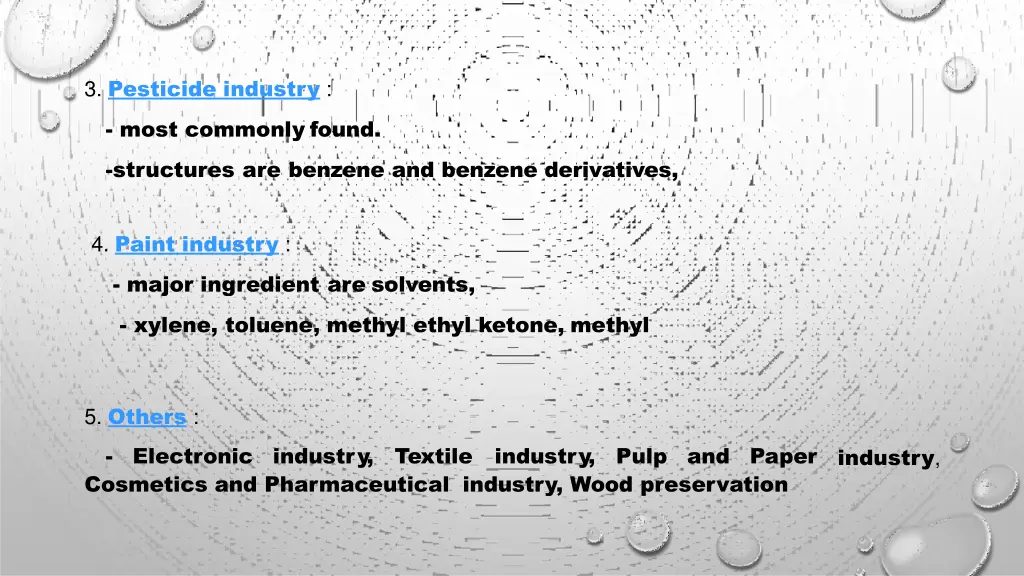
3. Pesticide industry : - most commonly found. -structures are benzene and benzene derivatives, 4. Paint industry : - major ingredient are solvents, - xylene, toluene, methyl ethyl ketone, methyl 5. Others : - Electronic Cosmetics and Pharmaceutical industry, Wood preservation industry, Textile industry, Pulp and Paper industry,
BIODEGRADATION OF PESTICIDES Pesticides are substances meant for destroying or mitigating any pest. They are a class of biocide. The most common use of pesticides is as plant protection products (also known as crop protection products). It includes: herbicide, insecticide, nematicide, termiticide, molluscicide, piscicide, avicide, rodenticide, insect repellent, animal repellent, antimicrobial, fungicide, disinfectant, and sanitizer.
DIFFERENT METHODS - 4 a) Detoxification: Conversion of the pesticide molecule to a non-toxic compound. A single moiety in the side chain of a complex molecule is disturbed(removed), rendering the chemical non-toxic. b) Degradation: Breakdown or transformation of a complex substrate into simpler products leading to mineralization. E.g. Thirum (fungicide) is degraded by a strain of Pseudomonas and the degradation products are dimethylamine, proteins, sulpholipids, etc (Raghu et al., 1975).
c) Conjugation (complex formation or addition reaction): An organism makes the substrate more complex or combines the pesticide with cell metabolites. Conjugation or the formation of addition product is accomplished by those organisms catalyzing the reaction of addition of an amino acid, organic acid or methyl crown to the substrate thereby inactivating the pestcides d) Changing the spectrum of toxicity: Some pesticides are designed to control one particular group of pests, but are metabolized to yield products inhibitory to entirely dissimilar groups of organisms, for e.g. the fungicide PCNB is converted in soil to chlorinated benzoic acids that kill plants.
There are many mechanisms involved on the biodegradation of pesticides and other contaminants. These may be summarised as follows: Dehalogenation- nitrofen, DDT, cyanazine, propachlor. Deamination- fluchloralin Decarboxylation- DDTc, biofenox, dichlorop-methyl Methyl oxidation- bromacil Hydroxylation- benthiocarb, bux insecticide
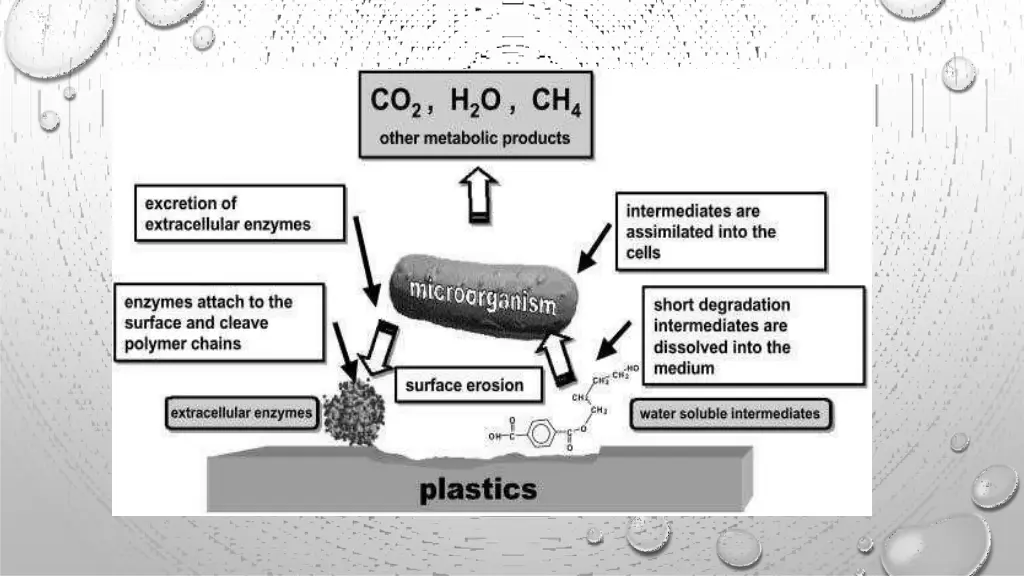
BIODEGRADTION OF PLASTICS Plastic is a broad name given to different polymers with high molecular weight, which can be degraded by various processes. The biodegradation of plastics by microorganisms and enzymes seems to be the most effective process. It consist of two steps- fragmentation and mineralization. But at the core, reaction occurring at molecular level are oxidation and hydrolysis. The decomposition of major condensation polymers (e.g. polyesters and polyamides) takes place through polymers in which the main chain contains only carbon atoms polyvinyl alcohol, lignin) includes oxidation which can be followed by hydrolysis of the products of oxidation. hydrolysis, while decomposition of (e.g.
METHOD HYDROLYSIS- The process of breaking these chains and dissolving the polymers into smaller fragments is called hydrolysis. E.g. Pseudomonassps Polymeric Chains is broken down into constituent parts for the energy potential by microorganisms. Monomers are readily available to other bacteria and is used. Acetate and hydrogen produced is used directly by methanogens. Other molecules, such as volatile fatty acids (VFAs) with a chain length greater than that of acetate is first catabolized into compounds that can be directly used by methanogens. ACIDOGENESIS- This results in further breakdown of the remaining components by acidogenic (fermentative) bacteria into ammonia, ethanol, carbon dioxide, and hydrogen sulfide. E.g Streptococcus acidophilus.
ACETOGENESIS- Simple molecules created through the acidogenesis phase are further digested by Acetogens to produce largely acetic acid, as well as carbon dioxide and hydrogen. METHANOGENESIS- Here, methanogens use the intermediate products of the preceding stages and convert them into methane, carbon dioxide, and water. These components make up the majority of the biogas emitted. Methanogenesis is sensitive to both high and low pHs and occurs between pH 6.5 and pH 8. The remaining, indigestible material the microbes cannot use and any dead bacterial remains constitute the digestate.
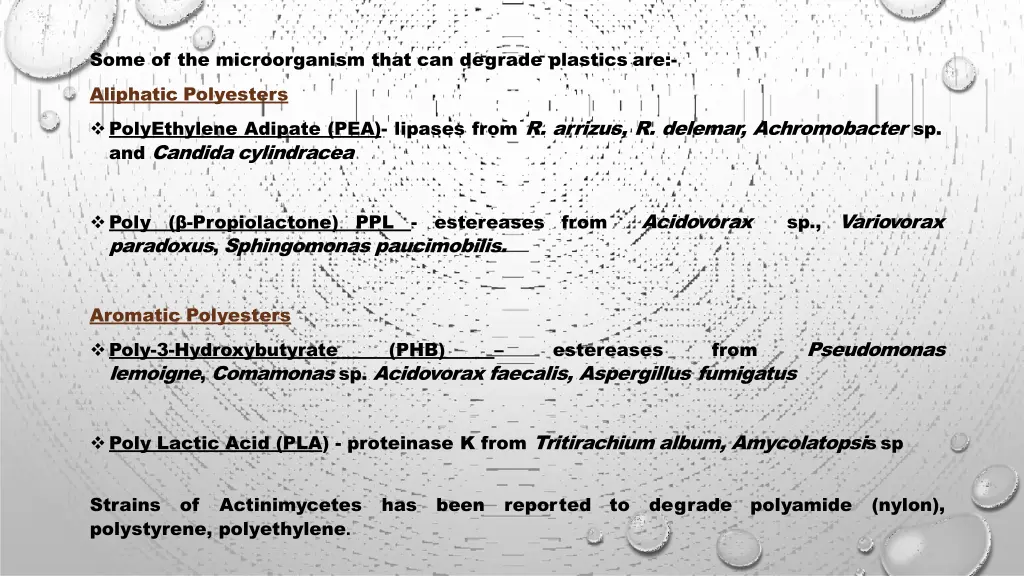
Some of the microorganism that can degrade plastics are:- Aliphatic Polyesters PolyEthylene Adipate (PEA)- lipases from R. arrizus, R. delemar, Achromobacter sp. and Candida cylindracea Acidovorax sp., Variovorax Poly paradoxus, Sphingomonas paucimobilis. ( -Propiolactone) PPL - estereases from Aromatic Polyesters Poly-3-Hydroxybutyrate lemoigne, Comamonas sp. Acidovorax faecalis, Aspergillus fumigatus Pseudomonas (PHB) estereases from Poly Lactic Acid (PLA) - proteinase K from Tritirachium album, Amycolatopsissp Strains polystyrene, polyethylene. of Actinimycetes has been reported to degrade polyamide (nylon),
BIODEGRADATION OF HYDROCARBONS A hydrocarbon is an organic compound consisting entirely of hydrogen and carbon. The majority of hydrocarbons found on earth naturally occur in crude oil. Aromatic alkenes, cycloalkanes and alkyne-based compounds are different types of hydrocarbons. hydrocarbons (arenes), alkanes,
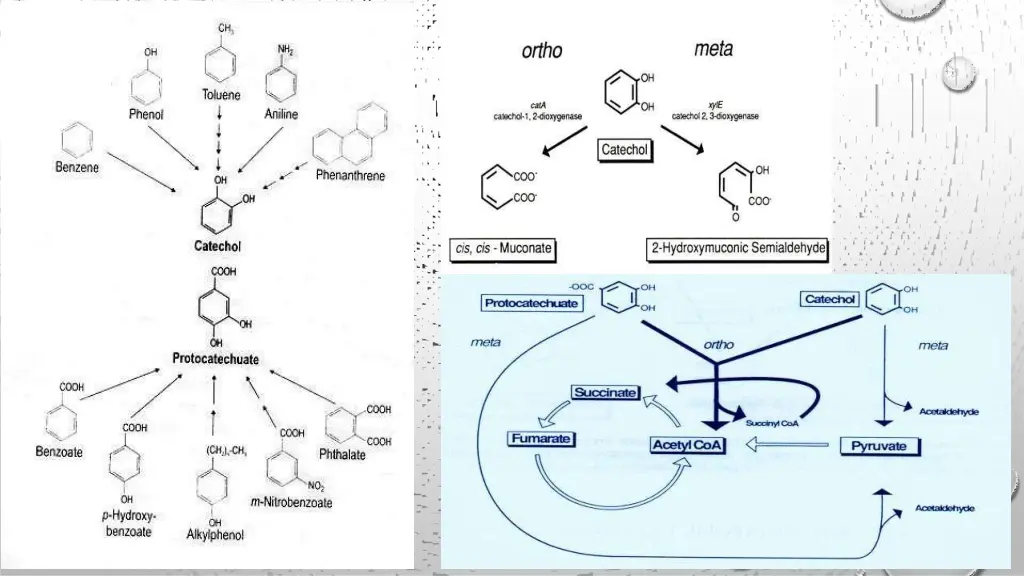
BIODEGRADATION OF PETROLEUM Petroleum compounds are categorized into 2 groups 1. Aliphatic hydrocarbon e.g. alkane, alcohol, aldehyde 2. Aromatic hydrocarbon e.g. benzene, phenol, toluene, catechol Aromatic hydrocarbons are degraded aerobically and anaerobically.
AEROBIC DEGRADATION Are metabolized by a variety of bacteria, with ring fission. Accomplished by mono- anddioxygenases. Catechol and protocatechuate are the intermediates. Mostly found in aromatic compound degradation pathway.
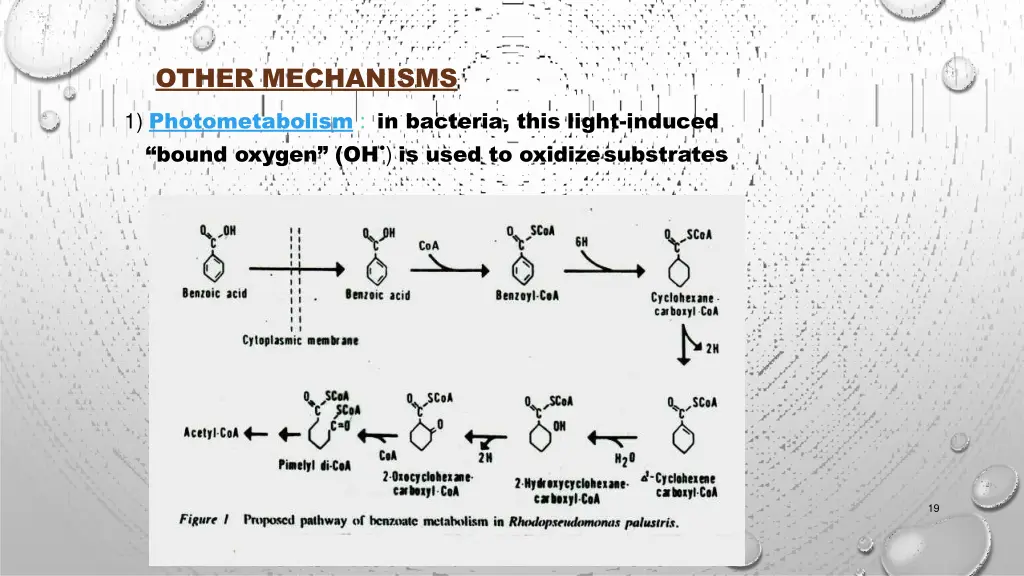
OTHER MECHANISMS 1) Photometabolism : in bacteria, this light-induced bound oxygen (OH ) is used to oxidizesubstrates 19
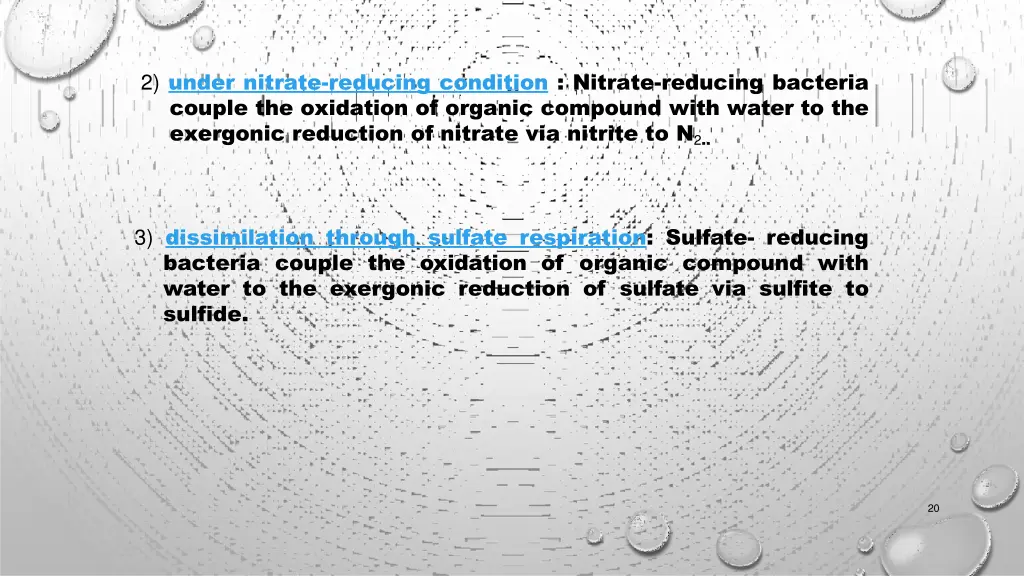
2) under nitrate-reducing condition : Nitrate-reducing bacteria couple the oxidation of organic compound with water to the exergonic reduction of nitrate via nitrite to N2.. 3) dissimilation through sulfate respiration: Sulfate- reducing bacteria couple the oxidation of organic compound with water to the exergonic reduction of sulfate via sulfite to sulfide. 20
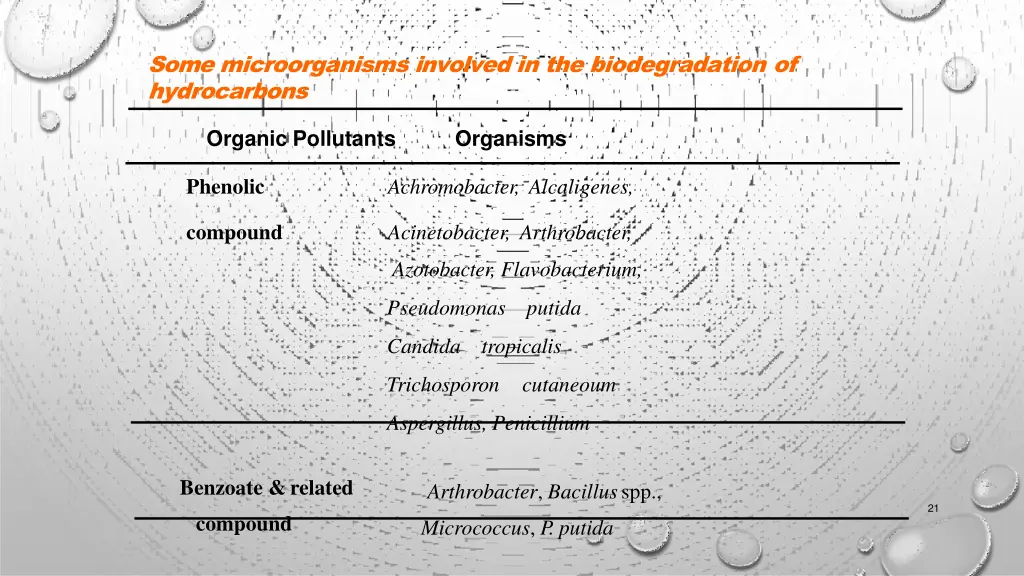
Some microorganisms involved in the biodegradation of hydrocarbons Organic Pollutants Organisms Phenolic Achromobacter, Alcaligenes, compound Acinetobacter, Arthrobacter, Azotobacter, Flavobacterium, Pseudomonas putida Candida tropicalis Trichosporon cutaneoum Aspergillus, Penicillium Benzoate &related Arthrobacter, Bacillusspp., 21 compound Micrococcus, P. putida
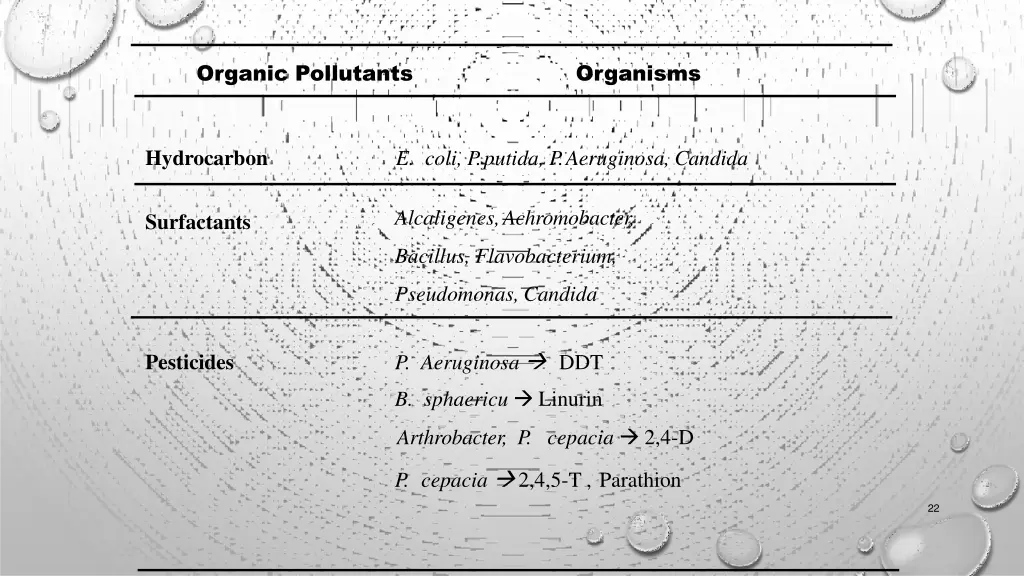
Organic Pollutants Organisms Hydrocarbon E. coli, P. putida, P. Aeruginosa, Candida Alcaligenes,Achromobacter, Surfactants Bacillus, Flavobacterium, Pseudomonas, Candida Pesticides P. Aeruginosa DDT B. sphaericu Linurin Arthrobacter, P. cepacia 2,4-D P. cepacia 2,4,5-T , Parathion 22
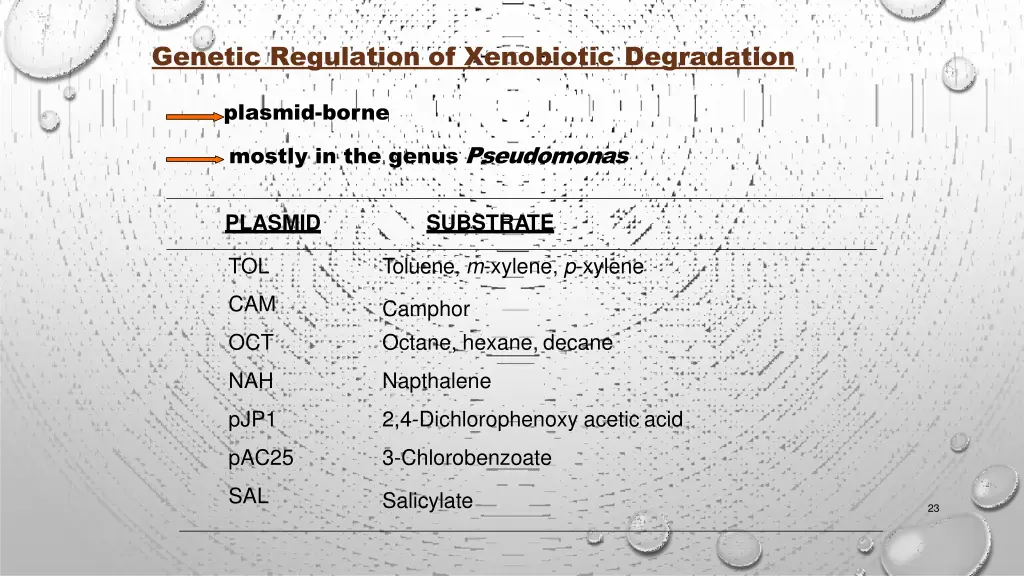
Genetic Regulation of Xenobiotic Degradation plasmid-borne mostly in the genus Pseudomonas PLASMID SUBSTRATE TOL Toluene, m-xylene, p-xylene CAM Camphor Octane, hexane, decane OCT NAH Napthalene pJP1 2,4-Dichlorophenoxy acetic acid pAC25 3-Chlorobenzoate SAL Salicylate 23
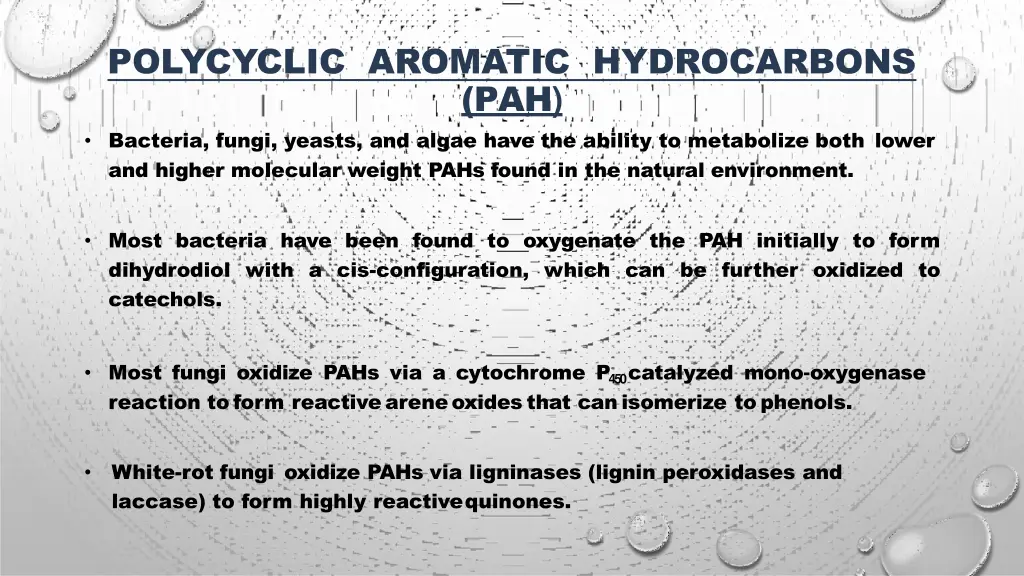
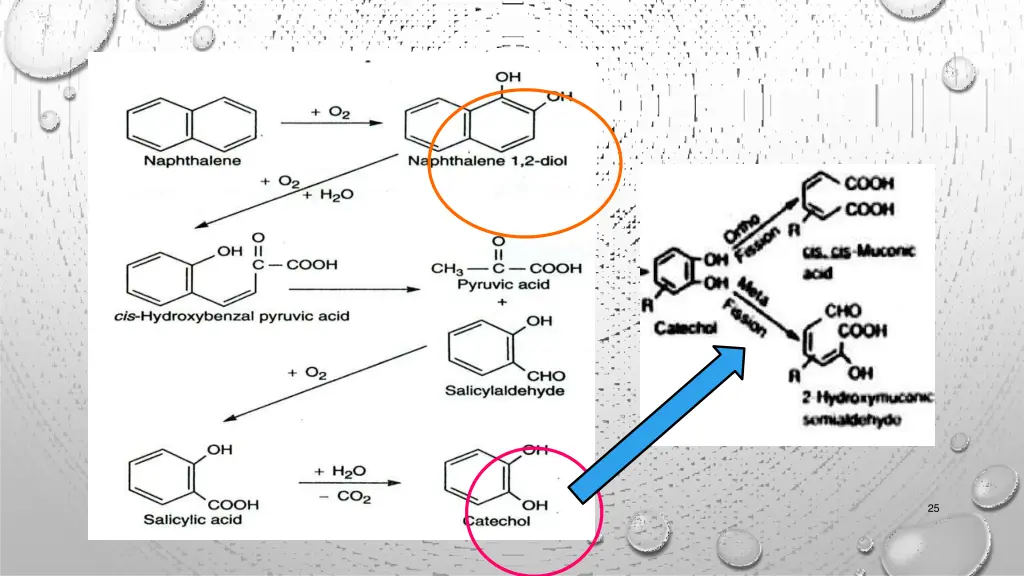
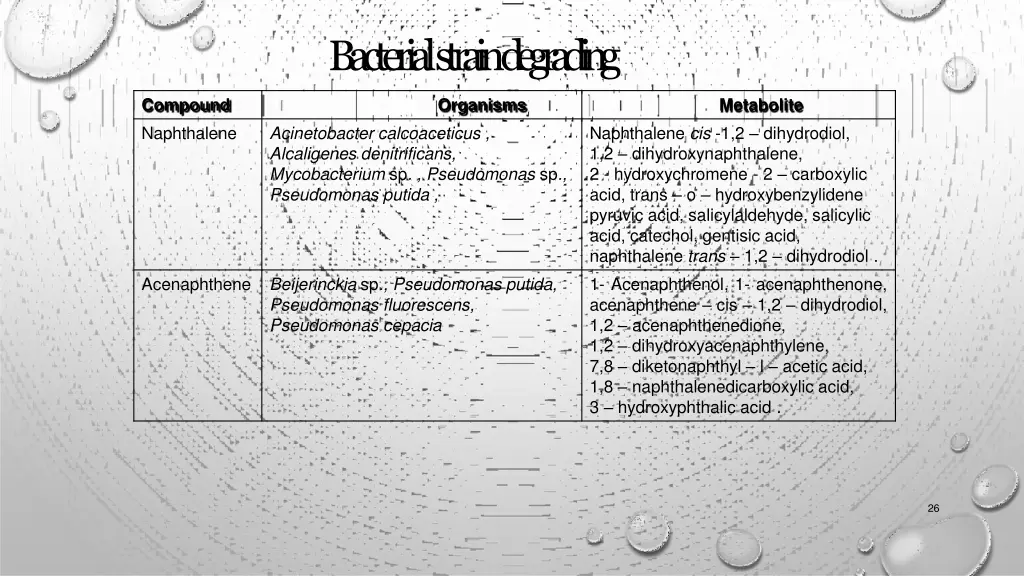
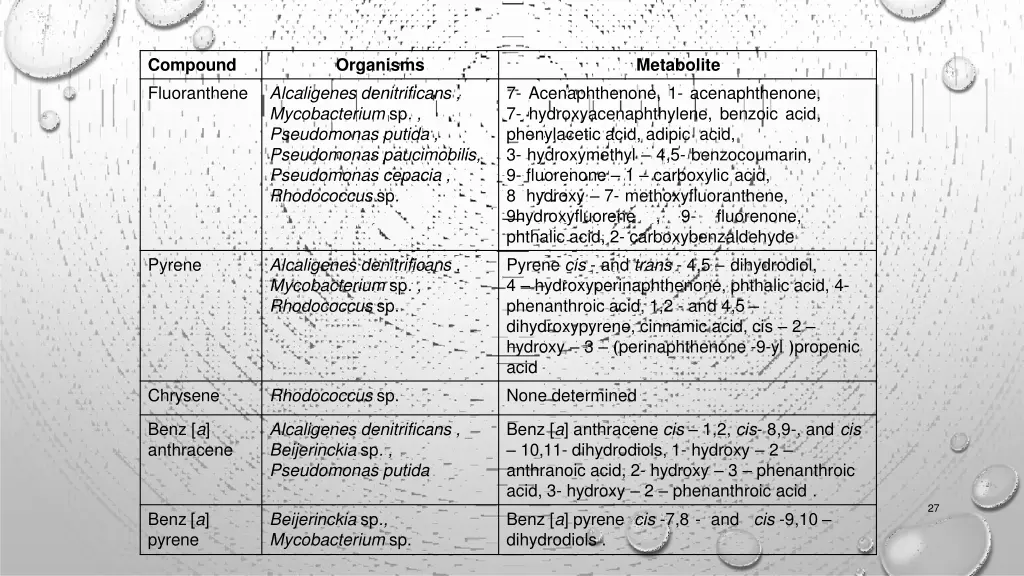
POLYCYCLIC AROMATIC HYDROCARBONS (PAH) Bacteria, fungi, yeasts, and algae have the ability to metabolize both lower and higher molecular weight PAHs found in the natural environment. Most bacteria have been found to oxygenate the PAH initially to form dihydrodiol with a cis-configuration, which can be further oxidized to catechols. Most fungi oxidize PAHs via a cytochrome P450catalyzed mono-oxygenase reaction toform reactiveareneoxides that canisomerize tophenols. White-rot fungi oxidize PAHs via ligninases (lignin peroxidases and laccase) to form highly reactivequinones.
Bacterialstraind e g r a d in g Compound Naphthalene Organisms Metabolite Acinetobacter calcoaceticus , Alcaligenes denitrificans, Mycobacterium sp. , Pseudomonas sp., Pseudomonas putida , Naphthalene cis -1,2 dihydrodiol, 1,2 dihydroxynaphthalene, 2 - hydroxychromene - 2 carboxylic acid, trans o hydroxybenzylidene pyruvic acid, salicylaldehyde, salicylic acid, catechol, gentisic acid, naphthalene trans 1,2 dihydrodiol . 1- Acenaphthenol, 1- acenaphthenone, acenaphthene cis 1,2 dihydrodiol, 1,2 acenaphthenedione, 1,2 dihydroxyacenaphthylene, 7,8 diketonaphthyl l acetic acid, 1,8 naphthalenedicarboxylic acid, 3 hydroxyphthalic acid . Acenaphthene Beijerinckia sp., Pseudomonas putida, Pseudomonas fluorescens, Pseudomonas cepacia 26
Compound Fluoranthene Organisms Metabolite Alcaligenes denitrificans , Mycobacterium sp. , Pseudomonas putida , Pseudomonas paucimobilis, Pseudomonas cepacia , Rhodococcus sp. 7- Acenaphthenone, 1- acenaphthenone, 7- hydroxyacenaphthylene, benzoic acid, phenylacetic acid, adipic acid, 3- hydroxymethyl 4,5- benzocoumarin, 9- fluorenone 1 carboxylic acid, 8 hydroxy 7- methoxyfluoranthene, 9hydroxyfluorene , phthalic acid, 2- carboxybenzaldehyde Pyrene cis - and trans - 4,5 dihydrodiol, 4 hydroxyperinaphthenone, phthalic acid, 4- phenanthroic acid, 1,2 - and 4,5 dihydroxypyrene, cinnamic acid, cis 2 hydroxy 3 ( perinaphthenone -9-yl ) propenic acid None determined 9- fluorenone, Pyrene Alcaligenes denitrificans , Mycobacterium sp. , Rhodococcus sp. Chrysene Rhodococcus sp. Benz [a] anthracene Alcaligenes denitrificans , Beijerinckia sp. , Pseudomonas putida Benz [a] anthracene cis 1,2, cis- 8,9-, and cis 10,11- dihydrodiols, 1- hydroxy 2 anthranoic acid, 2- hydroxy 3 phenanthroic acid, 3- hydroxy 2 phenanthroic acid . 27 Benz [a] pyrene Beijerinckia sp., Mycobacterium sp. Benz [a] pyrene cis -7,8 - and cis -9,10 dihydrodiols .
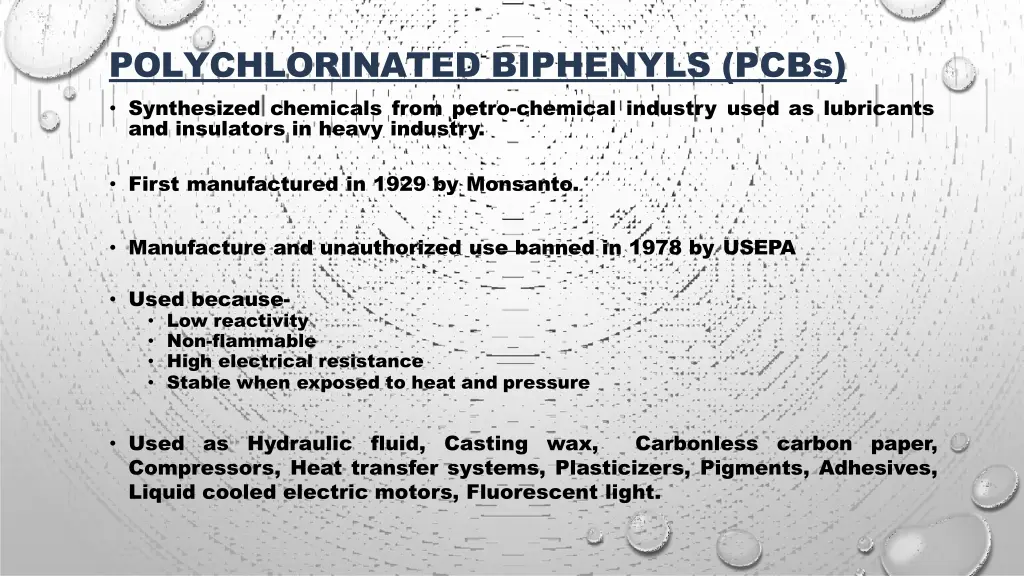
POLYCHLORINATED BIPHENYLS (PCBs) Synthesized chemicals from petro-chemical industry used as lubricants and insulators in heavy industry. First manufactured in 1929 by Monsanto. Manufacture and unauthorized use banned in 1978 by USEPA Used because- Low reactivity Non-flammable High electrical resistance Stable when exposed to heat and pressure Used Compressors, Heat transfer systems, Plasticizers, Pigments, Adhesives, Liquid cooled electric motors, Fluorescent light. as Hydraulic fluid, Casting wax, Carbonless carbon paper,
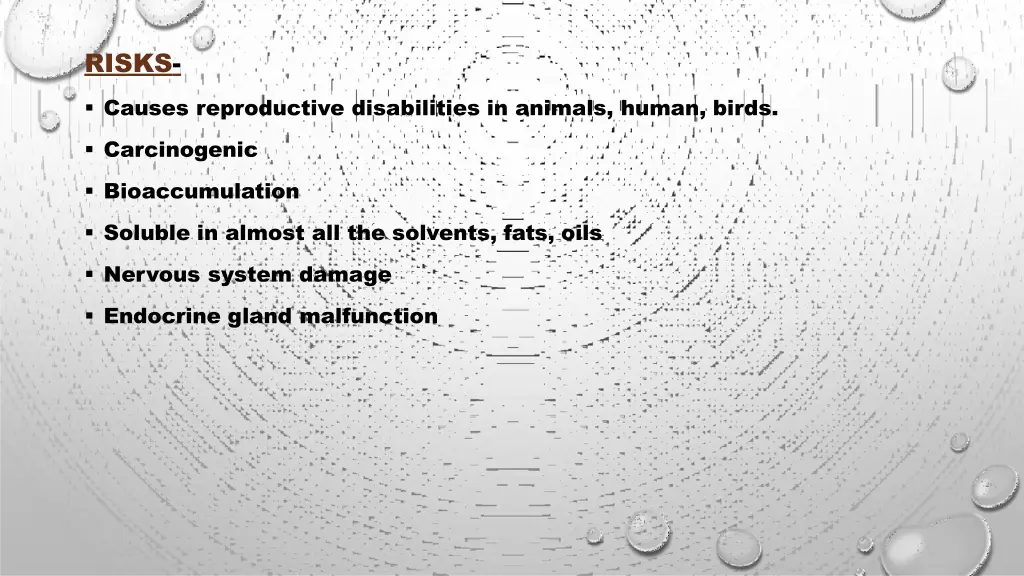
RISKS- Causes reproductive disabilities in animals, human, birds. Carcinogenic Bioaccumulation Soluble in almost all the solvents, fats, oils Nervous system damage Endocrine gland malfunction
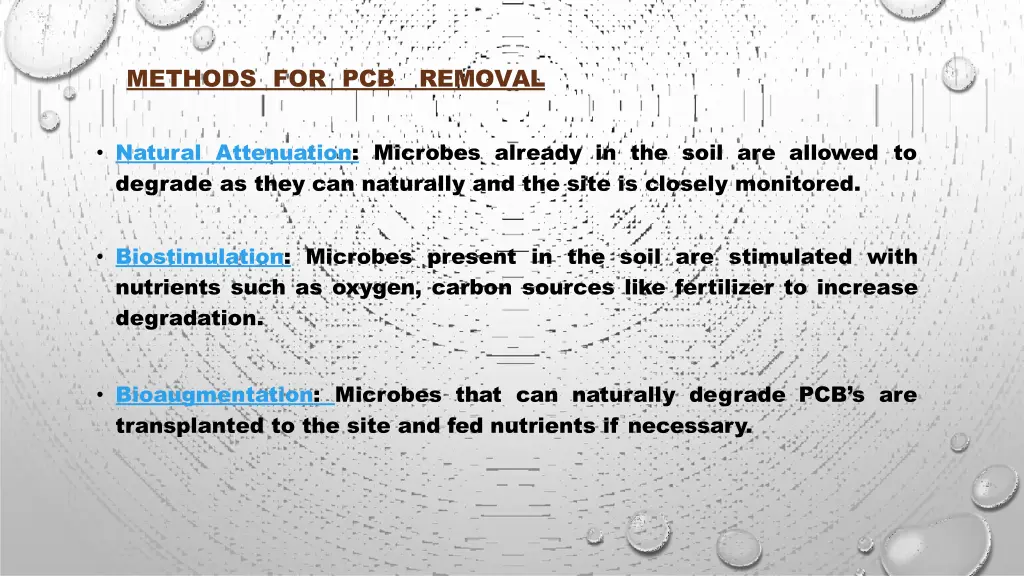
METHODS FOR PCB REMOVAL Natural Attenuation: Microbes already in the soil are allowed to degrade as they can naturally and the site is closely monitored. Biostimulation: Microbes present in the soil are stimulated with nutrients such as oxygen, carbon sources like fertilizer to increase degradation. Bioaugmentation: Microbes that can naturally degrade PCB s are transplanted to the site and fed nutrients if necessary.
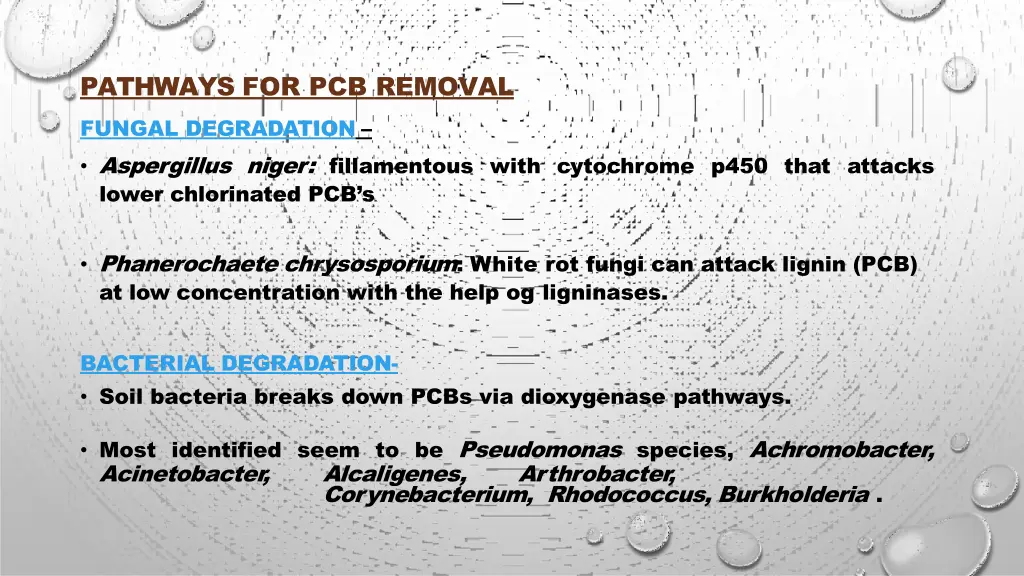
PATHWAYS FOR PCB REMOVAL FUNGAL DEGRADATION Aspergillus niger: fillamentous with cytochrome p450 that attacks lower chlorinated PCB s Phanerochaete chrysosporium: White rot fungi can attack lignin (PCB) at low concentration with the help og ligninases. BACTERIAL DEGRADATION- Soil bacteria breaks down PCBs via dioxygenase pathways. Most identified seem to be Pseudomonas species, Achromobacter, Acinetobacter, Alcaligenes, Corynebacterium, Rhodococcus, Burkholderia . Arthrobacter,