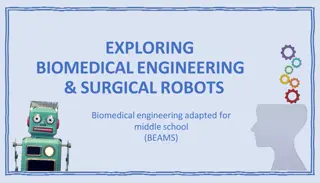
Biomedical Engineering: Visualization & Analysis Insights
Dive into the capabilities of CiteSpace for complex field analysis in Biomedical Engineering, exploring data collection, co-citation, and cluster results. Uncover the top clusters and their significance, shedding light on sub-disciplines like biomechanics, biomedical imaging, and more.

Download Presentation

Please find below an Image/Link to download the presentation.
The content on the website is provided AS IS for your information and personal use only. It may not be sold, licensed, or shared on other websites without obtaining consent from the author.If you encounter any issues during the download, it is possible that the publisher has removed the file from their server.
You are allowed to download the files provided on this website for personal or commercial use, subject to the condition that they are used lawfully. All files are the property of their respective owners.
The content on the website is provided AS IS for your information and personal use only. It may not be sold, licensed, or shared on other websites without obtaining consent from the author.
E N D
Presentation Transcript
Biomedical Engineering: A visualization analysis based on CiteSpace Nestor L. Osorio Northern Illinois University, DeKalb, IL ACRL, Science and Technology Section, Poster Section ALA Annual Meeting, Chicago, IL June 24, 2020
Introduction The purpose of this work is to study the capability of CiteSpace to analyze a complex and multidisciplinary field such as Biomedical Engineering (BME) Research question: Is CiteSpace a proper analytical tool to determine the formation of topical clusters for a large and complex area such as Biomedical Engineering?
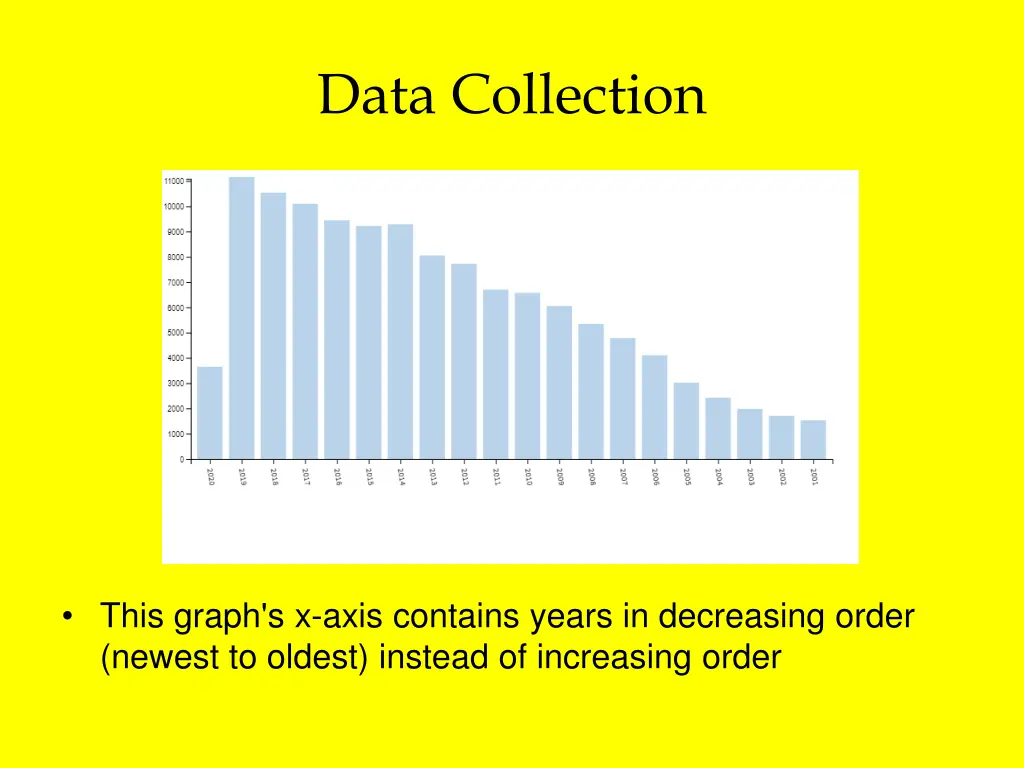
Data Collection Web of Science is one of the main data providers for CiteSpace This search was performed in the Web of Science Expanded edition on April 13, 2020 which produced 101421 citations, covering the years from 2001 to 2020 With so many citations found, this search was subject to a filter option of Web of Science by selecting the "Highly Cited in Field" which produced 897 citations
Data Collection This graph's x-axis contains years in decreasing order (newest to oldest) instead of increasing order
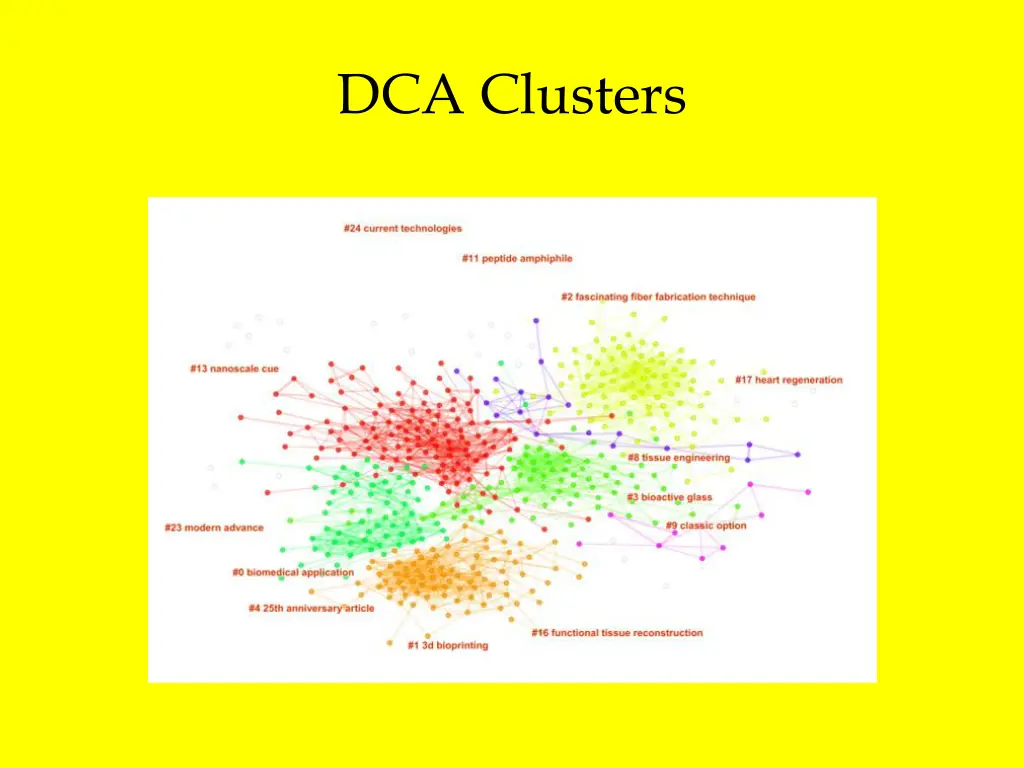
Document Co-Citation Analysis In CiteSpace a document co-citation analysis (DCA) was performed by setting the nodes of the network as the references Clusters were created based on two analytic algorithms: Log-Likelihood Ratio (LLR) and Latent Semantic Indexing (LSI) Basic established practices were used and some powerful CiteScape analytical options were not part of this project
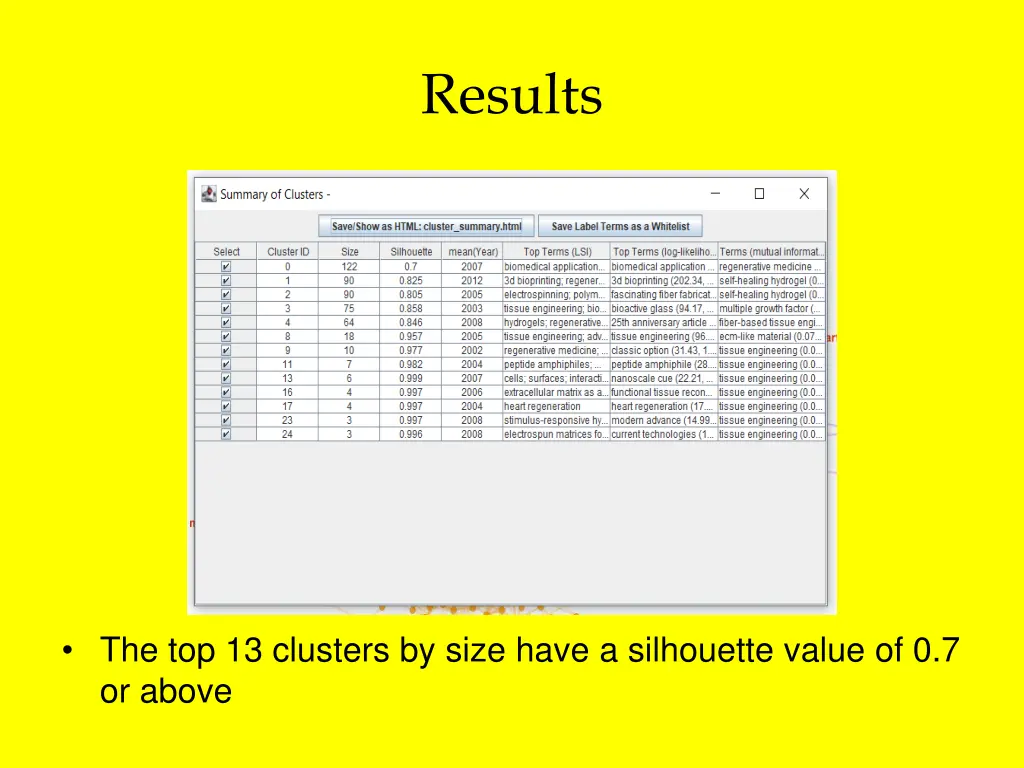
Results The top 13 clusters by size have a silhouette value of 0.7 or above
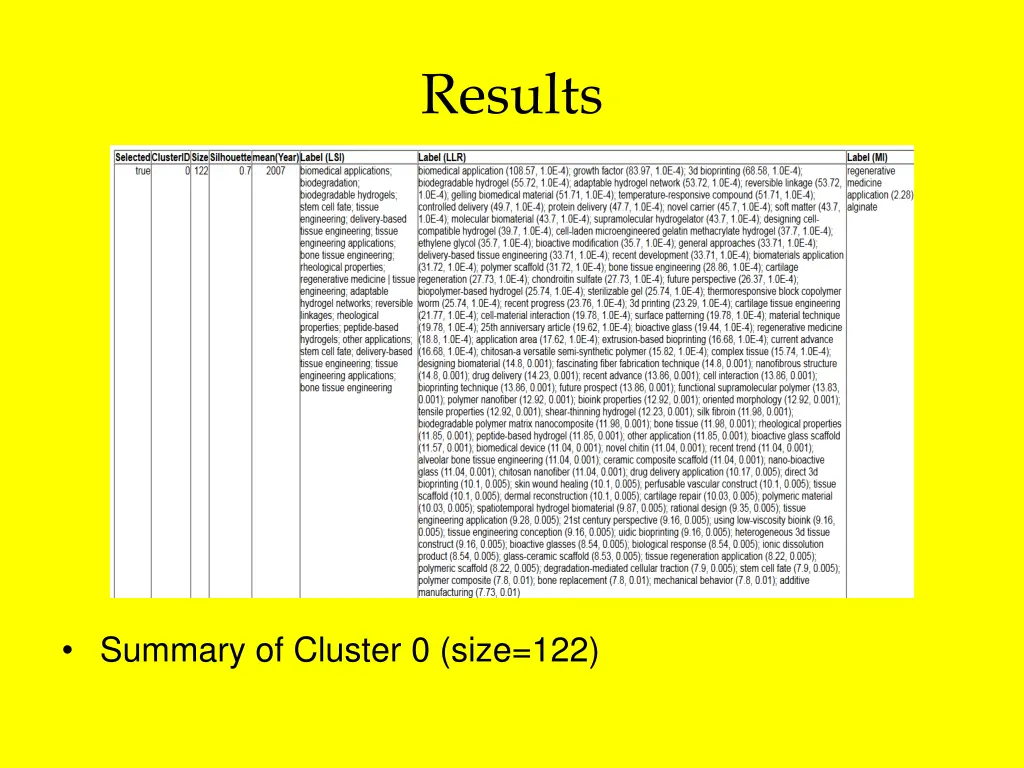
Results Summary of Cluster 0 (size=122)
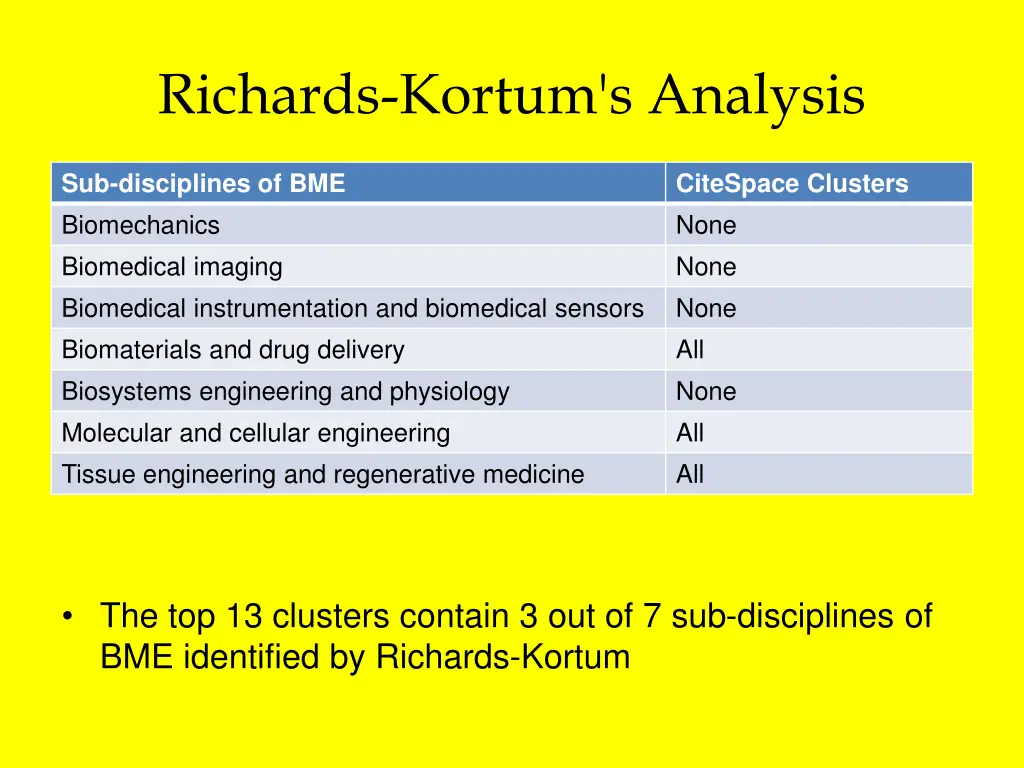
Richards-Kortum's Analysis Sub-disciplines of BME Biomechanics Biomedical imaging Biomedical instrumentation and biomedical sensors Biomaterials and drug delivery Biosystems engineering and physiology Molecular and cellular engineering Tissue engineering and regenerative medicine CiteSpace Clusters None None None All None All All The top 13 clusters contain 3 out of 7 sub-disciplines of BME identified by Richards-Kortum
Conclusion This DCA produces highly reliable results in three of the seven sub-disciplines defined by Richards-Kortum: biomaterials and drug delivery; molecular and cellular engineering; and tissue engineering and regenerative medicine The top 13 clusters obtained do not represent the major areas of BME Visualization software can be used to support traditional experts' bibliographic surveys
Resources Ayers, M., & Osorio, N.L. (2020). Biomedical Engineering: An Exploratory Analysis of the Field Biomedical Engineering: An Exploratory Analysis of the Field. To be published. Richards-Kortum, R. (2010). The evolution of technology: scientific method, engineering design and translational research. In Biomedical Engineering for Global Health. Cambridge: Cambridge University Press. 149-185. Chaomei Chen, CiteSpace (2003-2019), Visualizing Patterns and Trends in Scientific Literature. http://cluster.cis.drexel.edu/~cchen/citespace/