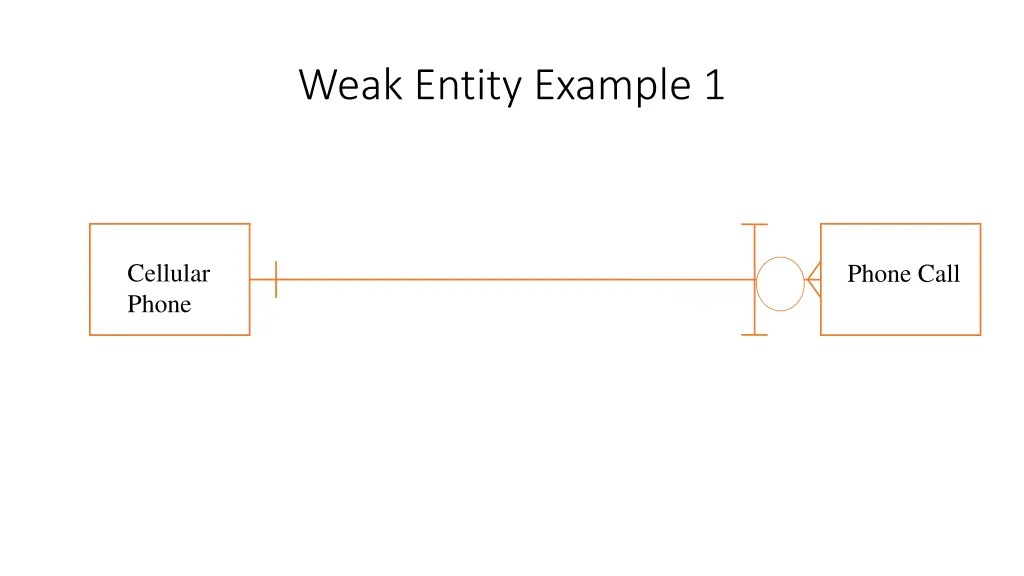
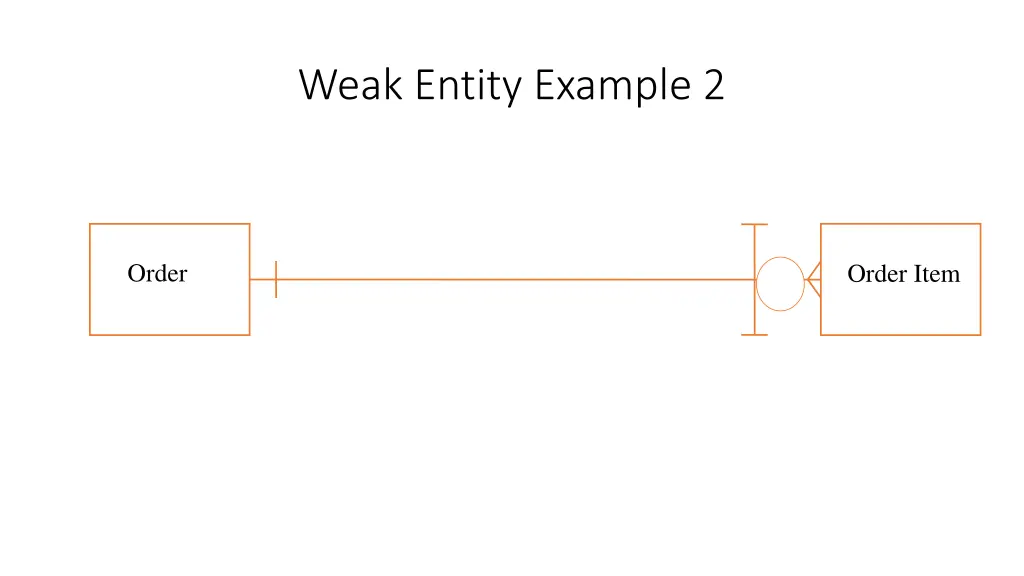
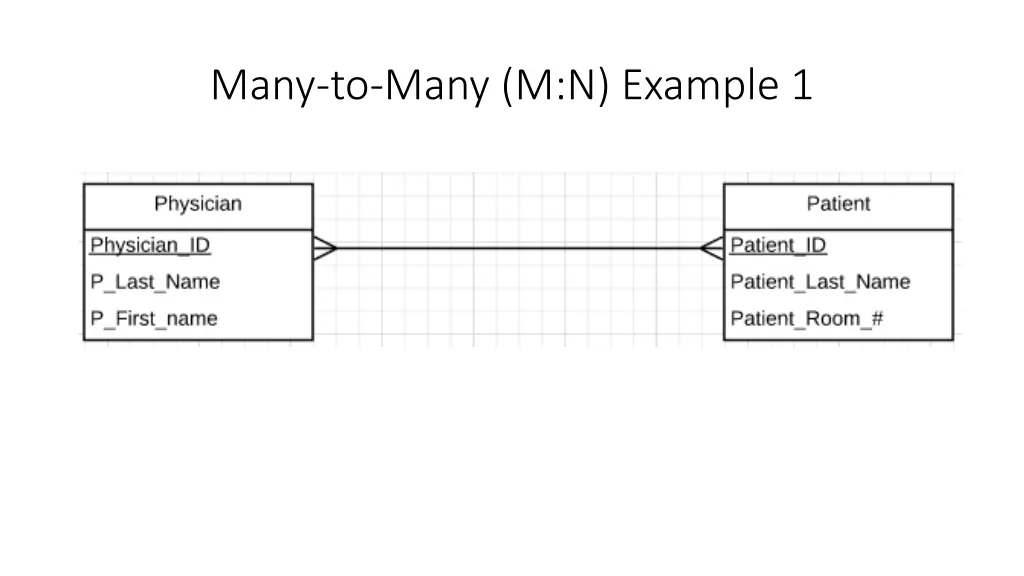
Explore examples of recursive relationships, weak entities, unary relationships, and many-to-many relationships in a database context. Learn through practice scenarios involving books, authors, publishers, and book series. Understand how entities are interconnected and structured in a database system.
Please find below an Image/Link to download the presentation.
The content on the website is provided AS IS for your information and personal use only. It may not be sold, licensed, or shared on other websites without obtaining consent from the author. If you encounter any issues during the download, it is possible that the publisher has removed the file from their server.
You are allowed to download the files provided on this website for personal or commercial use, subject to the condition that they are used lawfully. All files are the property of their respective owners.
The content on the website is provided AS IS for your information and personal use only. It may not be sold, licensed, or shared on other websites without obtaining consent from the author.
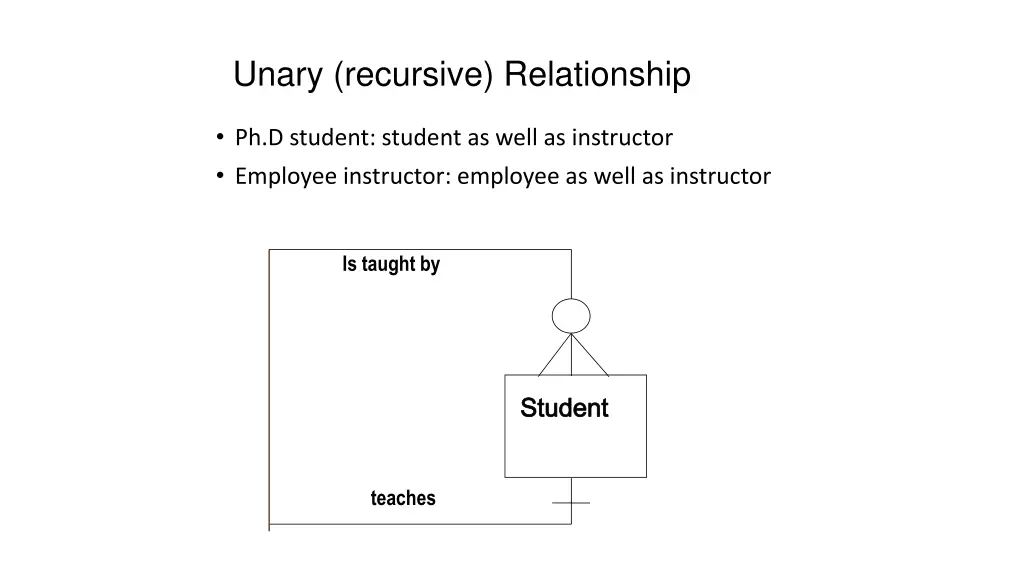
Unary (recursive) Relationship Ph.D student: student as well as instructor Employee instructor: employee as well as instructor Is taught by Student teaches
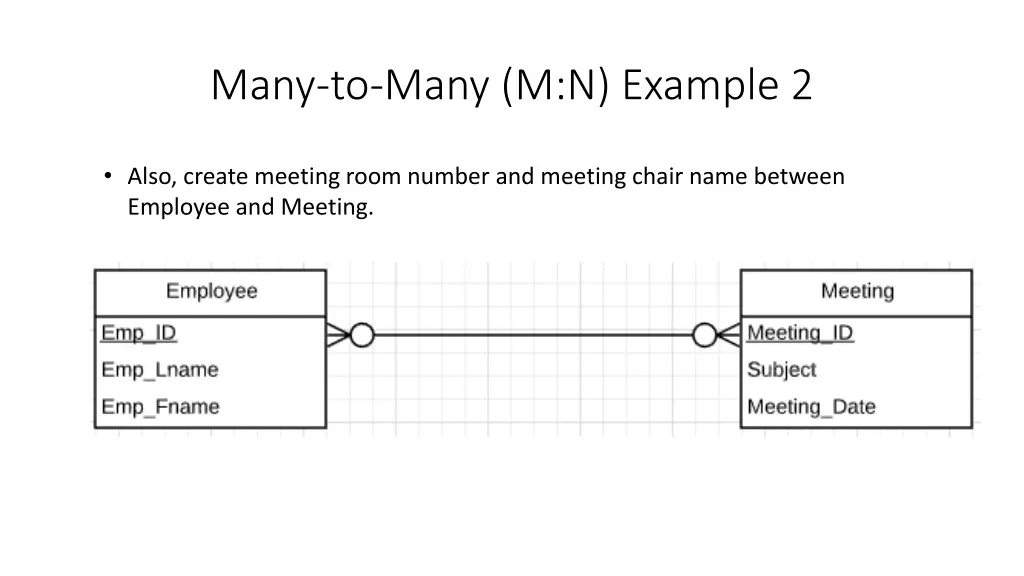
Many-to-Many (M:N) Example 2 Also, create meeting room number and meeting chair name between Employee and Meeting.
Practice 1 A book is identified by its ISBN (International Standard Book Number), and it has a title, a price, and a date of publication. It is published by a publisher, each of which has its own ID number and a name. Each book has exactly one publisher, but one publisher typically publishes multiple books over time.
Practice 2 A book (as identified in the previous slide) is written by one or multiple authors. Each author is identified by an author number and has a name and date of birth. Each author has either one or multiple books; in addition, occasionally data are needed also regarding prospective authors who have not yet published any books.
Practice 3 A book series is a sequence of books having certain characteristics in common that are formally identified together as a group. Example: Harry Porter A book (as identified in the previous slide) can be part of a book series, which is also identified as a book and has its own ISBN number. One book can be belonged to a book series, and each book series consists of at least one but potentially many books.
Practice 4 A vendor builds multiple types of tablet computers. Each type has a type identification number and a name. The key specifications for each type include amount of storage space and display type. The company uses multiple processor types, exactly one of which is used for a specific tablet computer type; obviously, the same processor can be used in multiple types of tablets. Each processor has a manufacturer and a manufacturer s unique code that identifies it.