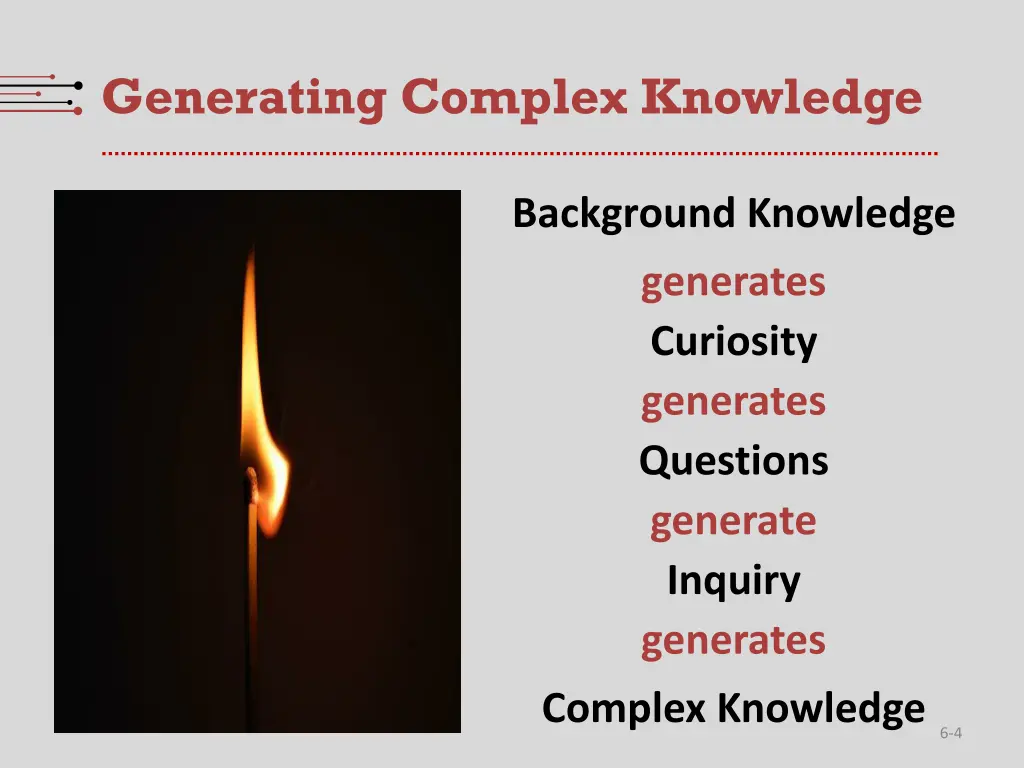
Explore the power of inquiry-based learning and how it generates complex knowledge in content area classrooms. Discover the types of questions that lead to effective inquiry and the key roles questions play in the learning process.
Please find below an Image/Link to download the presentation.
The content on the website is provided AS IS for your information and personal use only. It may not be sold, licensed, or shared on other websites without obtaining consent from the author. If you encounter any issues during the download, it is possible that the publisher has removed the file from their server.
You are allowed to download the files provided on this website for personal or commercial use, subject to the condition that they are used lawfully. All files are the property of their respective owners.
The content on the website is provided AS IS for your information and personal use only. It may not be sold, licensed, or shared on other websites without obtaining consent from the author.
Bring It Back Activity Think about the ideas presented about inquiry in the section of This Is Disciplinary Literacy that you read. Using the notes you took on the reading as a guide, discuss your reactions to the possibilities and/or challenges of inquiry- based learning. 6-2
Objectives for this Session Participants will: understand how the elements of inquiry work together to build complex knowledge. explore four types of questions that lead to effective inquiry. 6-3
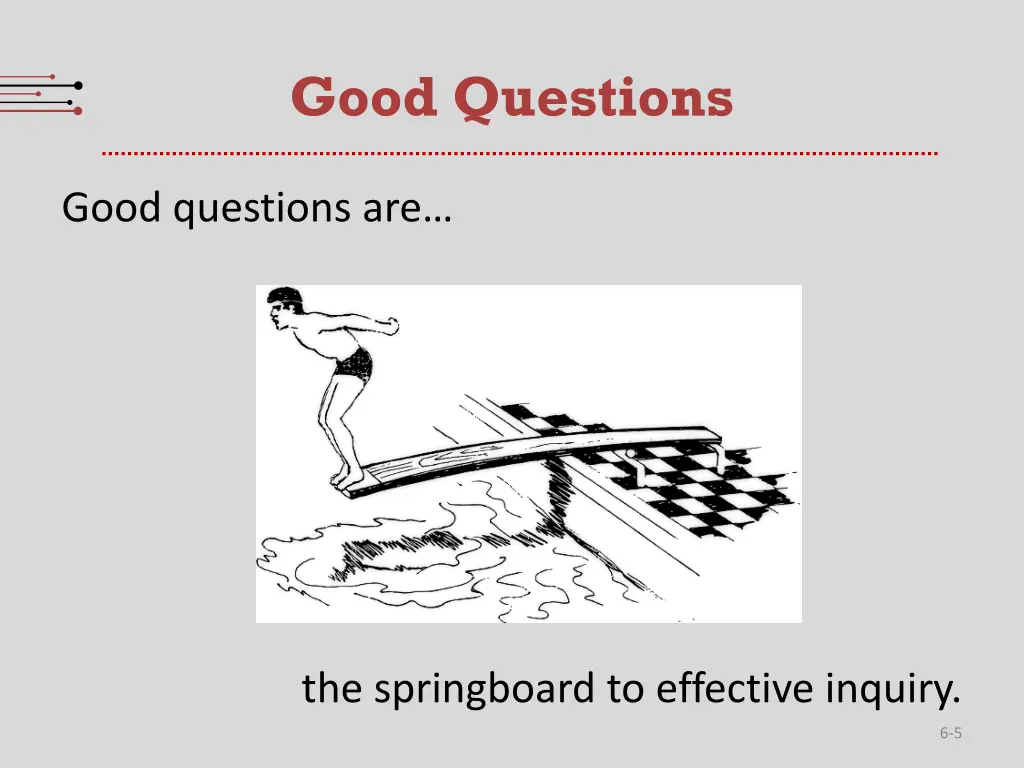
Good Questions Good questions are the springboard to effective inquiry. 6-5
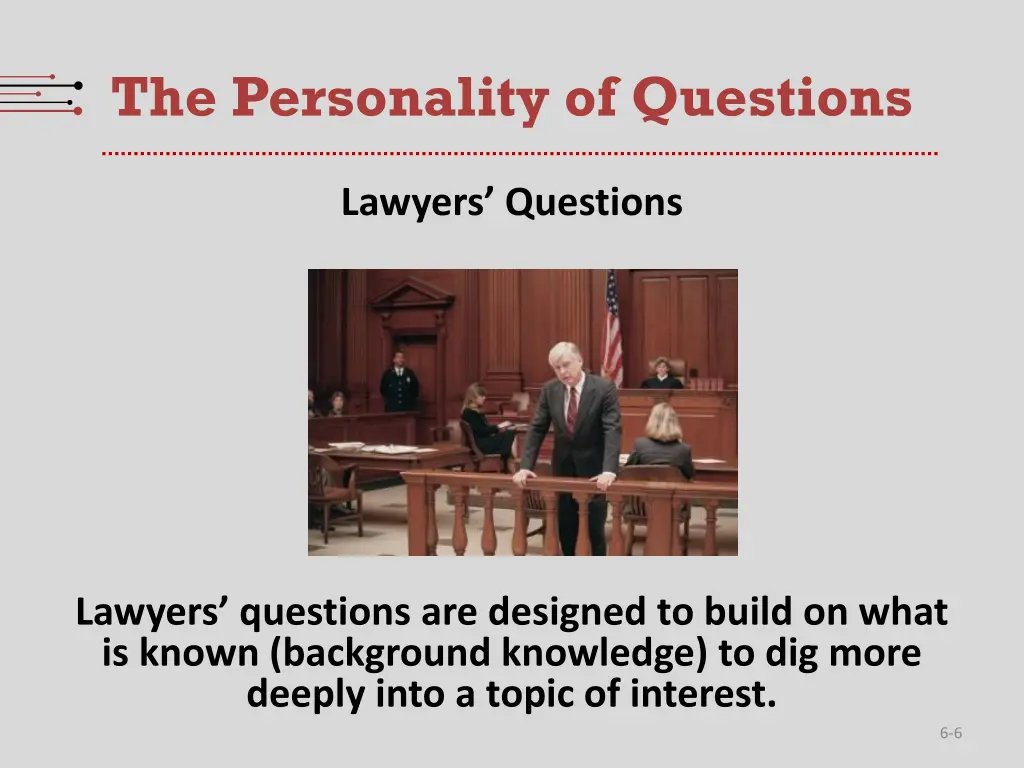
The Personality of Questions Lawyers Questions Lawyers questions are designed to build on what is known (background knowledge) to dig more deeply into a topic of interest. 6-6
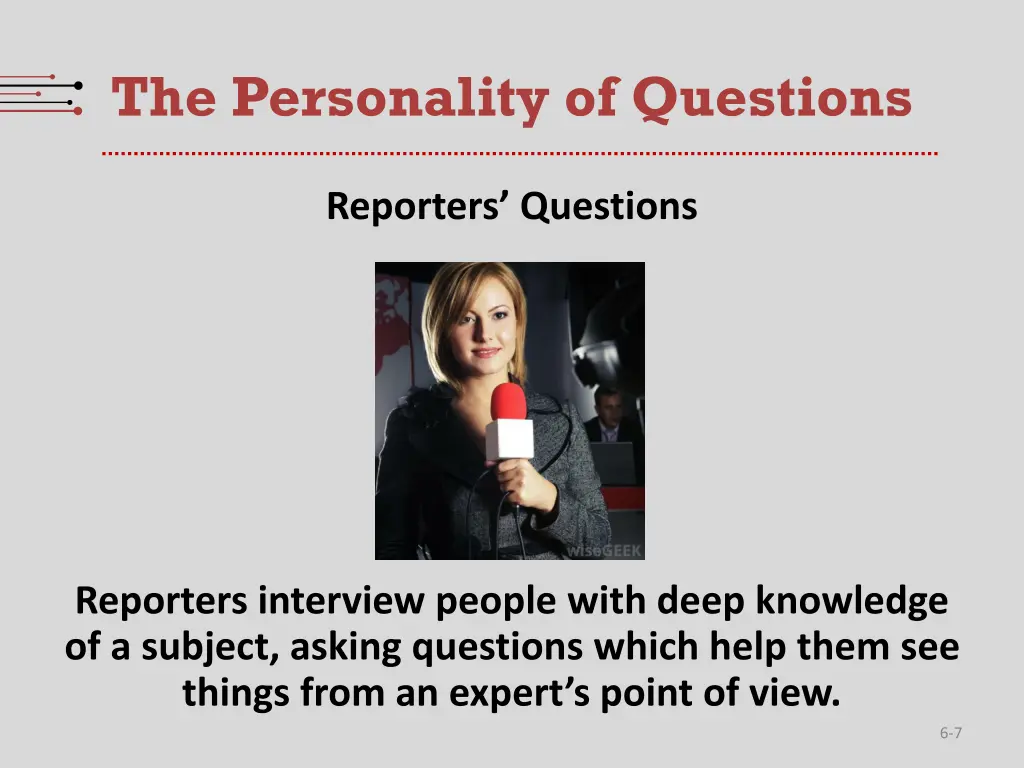
The Personality of Questions Reporters Questions Reporters interview people with deep knowledge of a subject, asking questions which help them see things from an expert s point of view. 6-7
21st Century Interviews No longer do students call for an appointment and then sit across the desk from an expert, notebook in lap. They can now reach out to just about anyone through communication tools such as Skype or email, making it easier to focus on the interview itself. ReLeah Lent 6-8
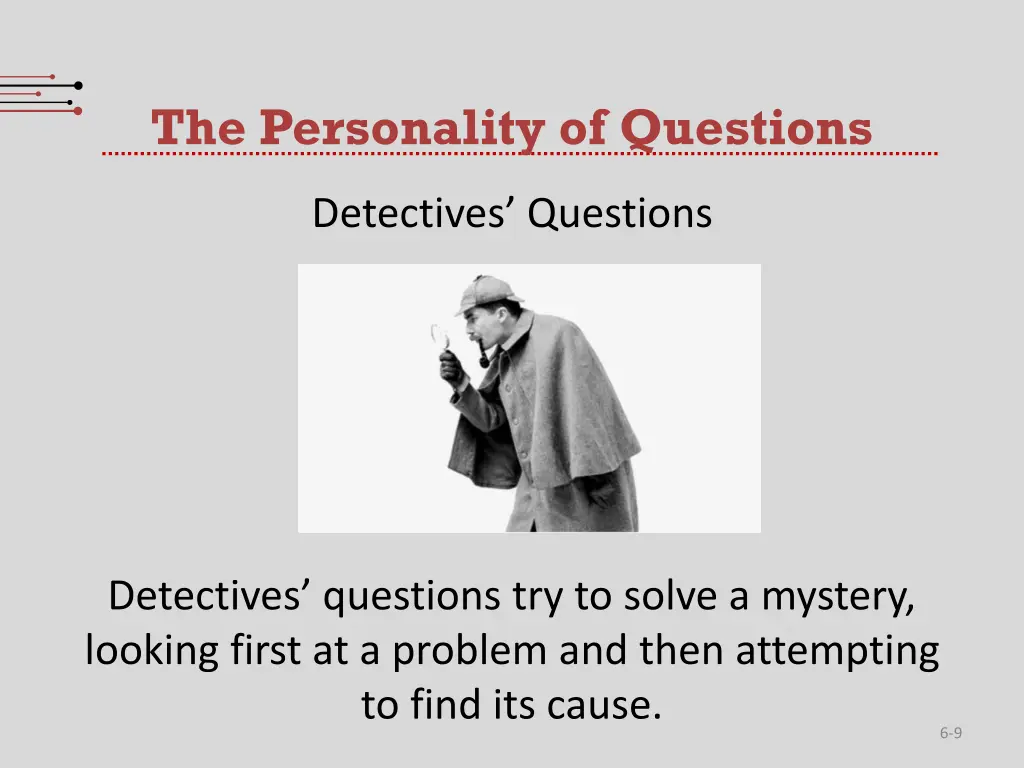
The Personality of Questions Detectives Questions Detectives questions try to solve a mystery, looking first at a problem and then attempting to find its cause. 6-9
The Power of Mystery A mystery is a hook for learning and students will respond enthusiastically if they can act as investigators rather than as passive learners. ReLeah Lent 6-10
The Personality of Questions The Skeptics Questions Skeptics question everything, doubting validity until they have proven it for themselves 6-11
The Value of Skepticism Skepticism: the mark and even the pose of the educated mind. John Dewey 12
ReLeah Lent reminds us Students who think about information with a questioning eye learn to use inquiry in ways that will benefit them for life. 6-13
Bring It Back Task Read Chapter 4, from How to Get Students Inquiring to the end of chapter, pp. 124 142. This part of Chapter 4 will show you how to engage students in authentic activities that provide first-hand experience with the types of questions we discussed today. 6-14
You will learn about Thinking as a Skeptic (Skeptics Questions) Playing the Philadelphia Lawyer (Lawyers Questions) Solving the Mystery (Detectives Questions) Interviewing the Subject (Reporters Questions) and Independent or Small Group Inquiry Projects (A combination of all types of questions) 6-15
Bring It Back Task Choose one inquiry practice to try in your classroom. Jot notes on the success of the experience what worked and what didn t. Think about what you might change. Be prepared to discuss your experience with a partner. 16