Engineering Economics for Technologists: Course Overview and Project Example
Explore the intersection of engineering and economics in projects, understanding the financial factors crucial for successful communication. Delve into a practical example of ballpoint pen production, where technical feasibility meets financial analysis.

Download Presentation

Please find below an Image/Link to download the presentation.
The content on the website is provided AS IS for your information and personal use only. It may not be sold, licensed, or shared on other websites without obtaining consent from the author. If you encounter any issues during the download, it is possible that the publisher has removed the file from their server.
You are allowed to download the files provided on this website for personal or commercial use, subject to the condition that they are used lawfully. All files are the property of their respective owners.
The content on the website is provided AS IS for your information and personal use only. It may not be sold, licensed, or shared on other websites without obtaining consent from the author.
E N D
Presentation Transcript
IET 333: Engineering Economics for Technologists Jung-woo Sohn (jwsohn@ist.psu.edu) College of Information Sciences and Technology Penn State University
About me: Jung-woo Sohn Contact information: E-mail: jzs177@psu.edu Office: TBD in LRC Office hour: TBD on Tuesday or Thursday Teaching career: Instructor: Introduction to programming in C++ (CMPSC121, Spring 2014) Teaching assistant: College of Info Sci & Tech at UP Many courses largely programming, business, economics, or engineering disciplines
My background Pretty much interdisciplinary: B.S., M.S. in Aerospace Engineering M.S. in Information Science M.S. in Economics Ph.D. in Information Sciences and Technology Computer science (artificial intelligence) Experimental economics Others Linux geek Likes computer games but haven t played for a long time Not good at recognizing faces Feel free to approach me!
Your introduction? Name? Majors? Years in college? Any comments?
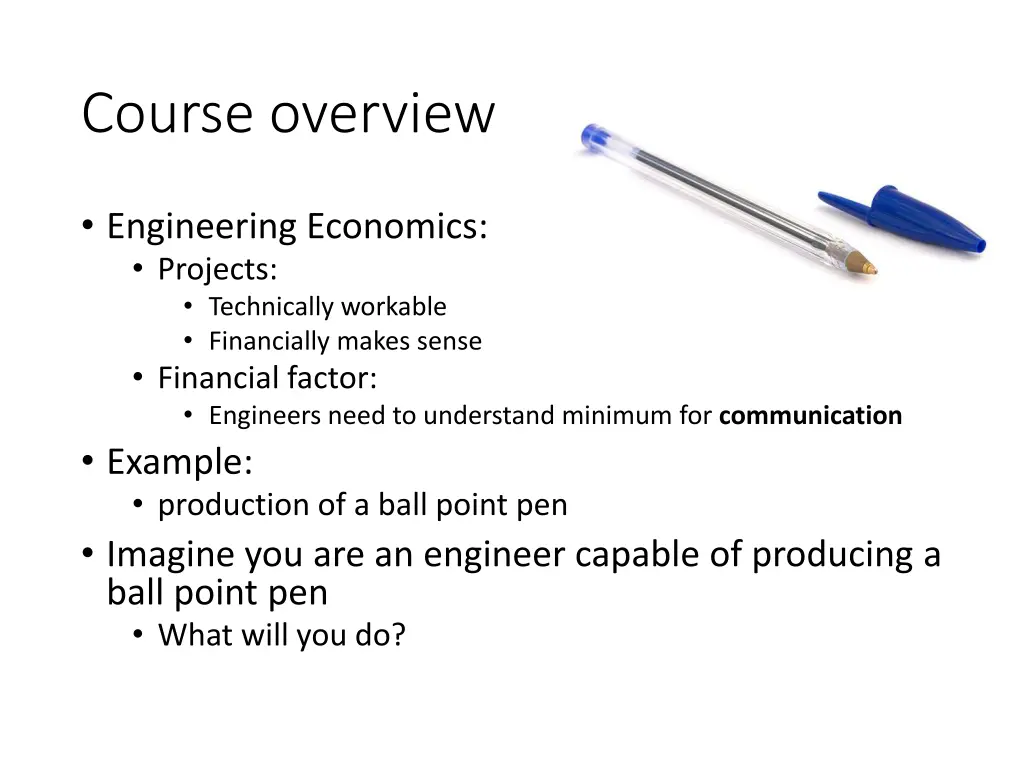
Course overview Engineering Economics: Projects: Technically workable Financially makes sense Financial factor: Engineers need to understand minimum for communication Example: production of a ball point pen Imagine you are an engineer capable of producing a ball point pen What will you do?
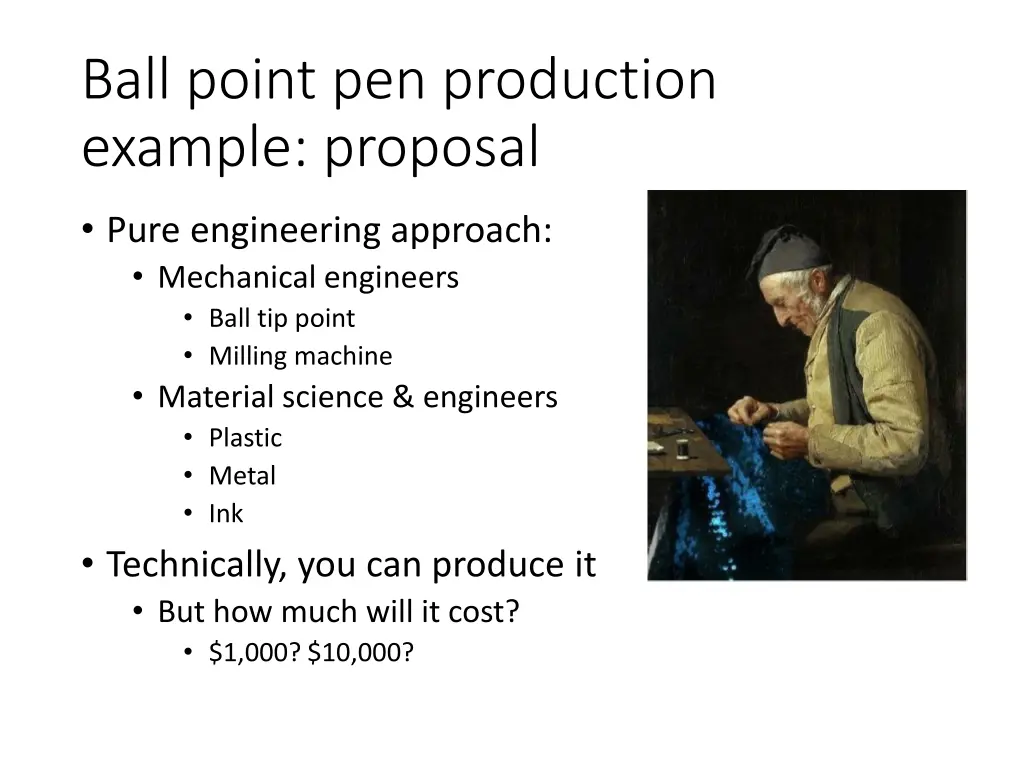
Ball point pen production example: proposal Pure engineering approach: Mechanical engineers Ball tip point Milling machine Material science & engineers Plastic Metal Ink Technically, you can produce it But how much will it cost? $1,000? $10,000?
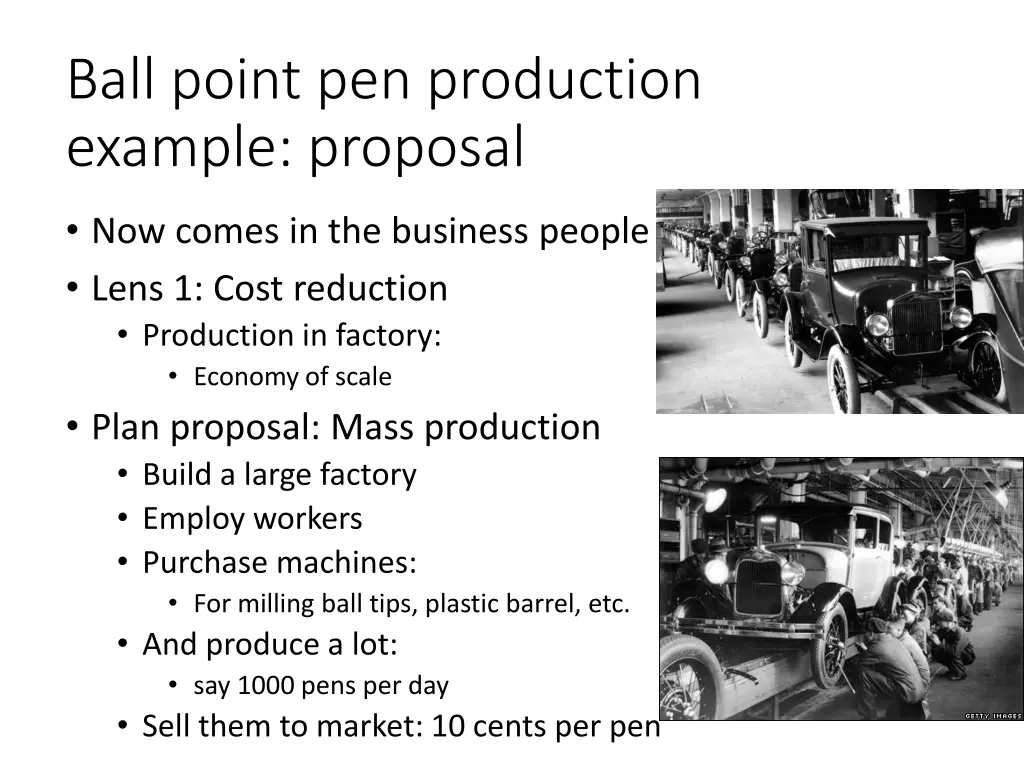
Ball point pen production example: proposal Now comes in the business people Lens 1: Cost reduction Production in factory: Economy of scale Plan proposal: Mass production Build a large factory Employ workers Purchase machines: For milling ball tips, plastic barrel, etc. And produce a lot: say 1000 pens per day Sell them to market: 10 cents per pen
Ball point pen production example: proposal Lens 2: Investment But how do we collect the money for the start? What if this production can make more money? Incentive for investors! Then how would you convince your investors? Prediction for profit Risk management (beyond our scope!) Wait, can you be more precise? Of course profit! Growth rate Interest rate Value in the future Etc.
Modern market economy Proposals, proposals, proposals! Mostly in written forms You need to show some numbers Proposal presentations: Gaming industry: 15 minutes of pitch presentation Academic conference: 20 minutes of paper presentation Government funding: 20-60 minutes of proposal presentations They are all about: does it make sense? Making payoffs Minimizing cost
Your role in this market landscape Engineers: No need to become a primary role in this proposal making But need to understand how market works And the incentive of the investors Communication between business people In a broader sense: Understand how market works Understand what are the demands out there Microeconomics: Theories for economic decision-making behaviors
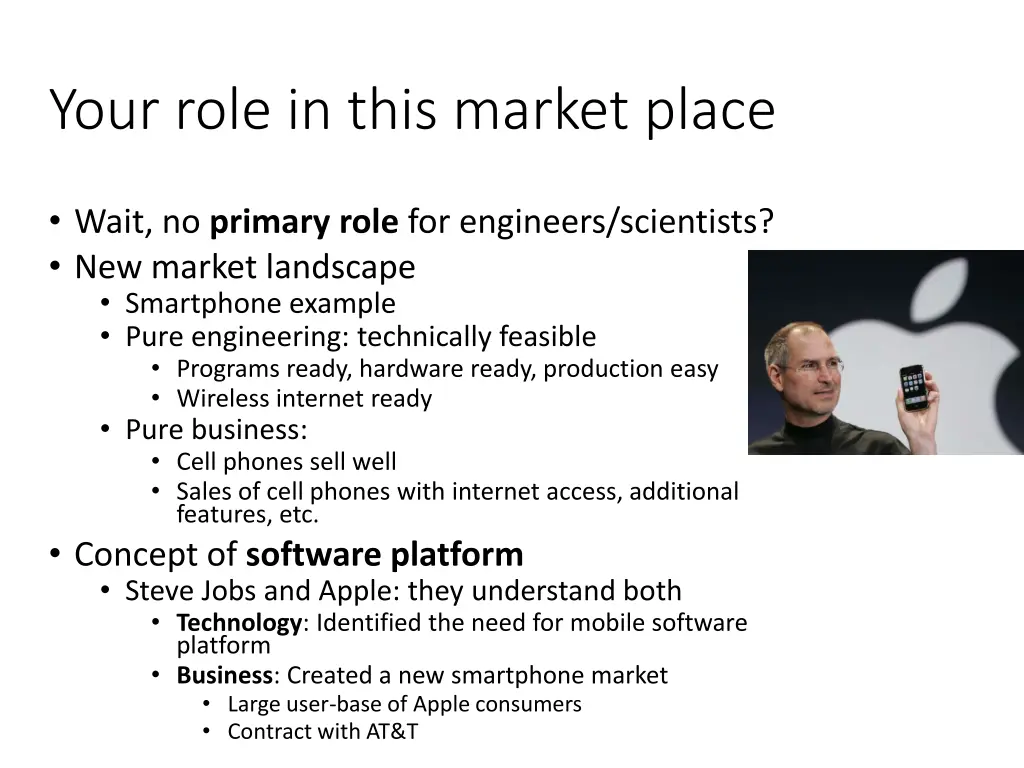
Your role in this market place Wait, no primary role for engineers/scientists? New market landscape Smartphone example Pure engineering: technically feasible Programs ready, hardware ready, production easy Wireless internet ready Pure business: Cell phones sell well Sales of cell phones with internet access, additional features, etc. Concept of software platform Steve Jobs and Apple: they understand both Technology: Identified the need for mobile software platform Business: Created a new smartphone market Large user-base of Apple consumers Contract with AT&T
Back to engineering economics Big topics: Making payoffs: profit maximization/cost minimization Risk management Understand market systems For this course, we focus on: In particular: Interest rates Value appreciation/depreciation
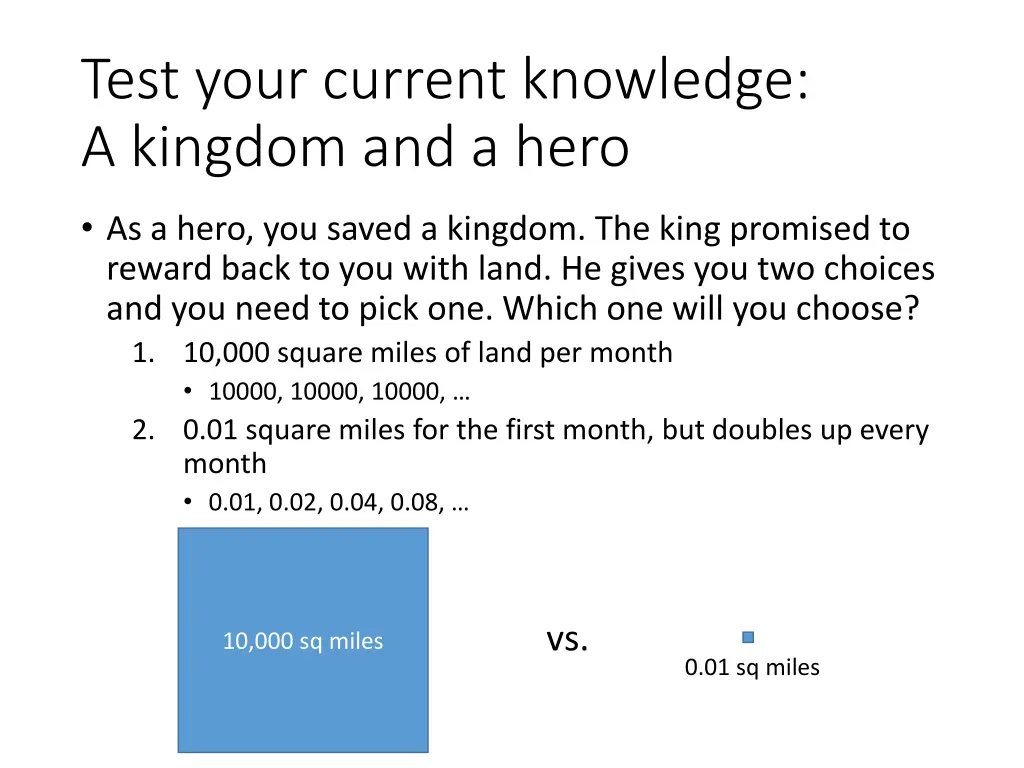
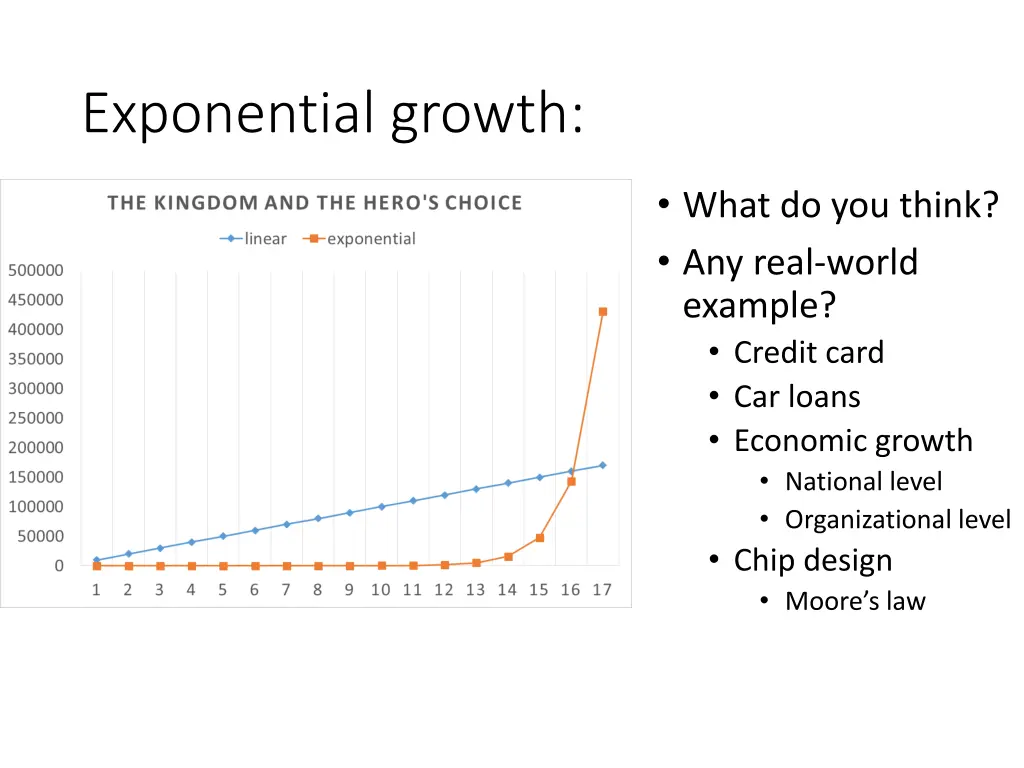
Test your current knowledge: A kingdom and a hero As a hero, you saved a kingdom. The king promised to reward back to you with land. He gives you two choices and you need to pick one. Which one will you choose? 1. 10,000 square miles of land per month 10000, 10000, 10000, 2. 0.01 square miles for the first month, but doubles up every month 0.01, 0.02, 0.04, 0.08, vs. 10,000 sq miles 0.01 sq miles
Exponential growth: What do you think? Any real-world example? Credit card Car loans Economic growth National level Organizational level Chip design Moore s law
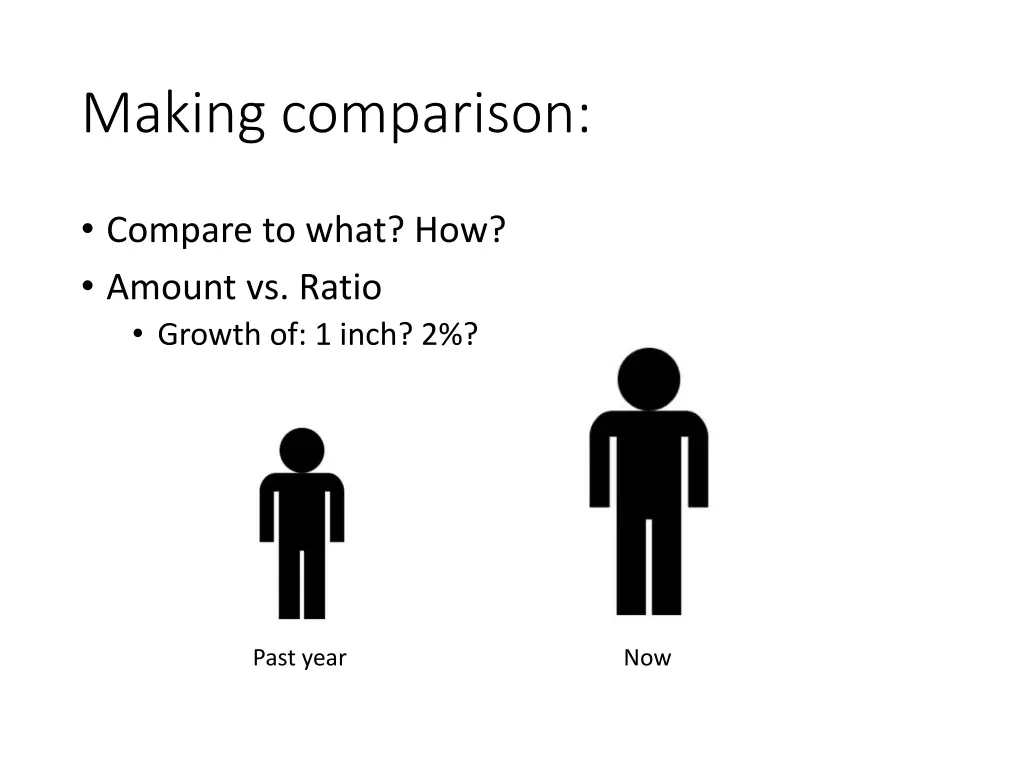
Making comparison: Compare to what? How? Amount vs. Ratio Growth of: 1 inch? 2%? Past year Now
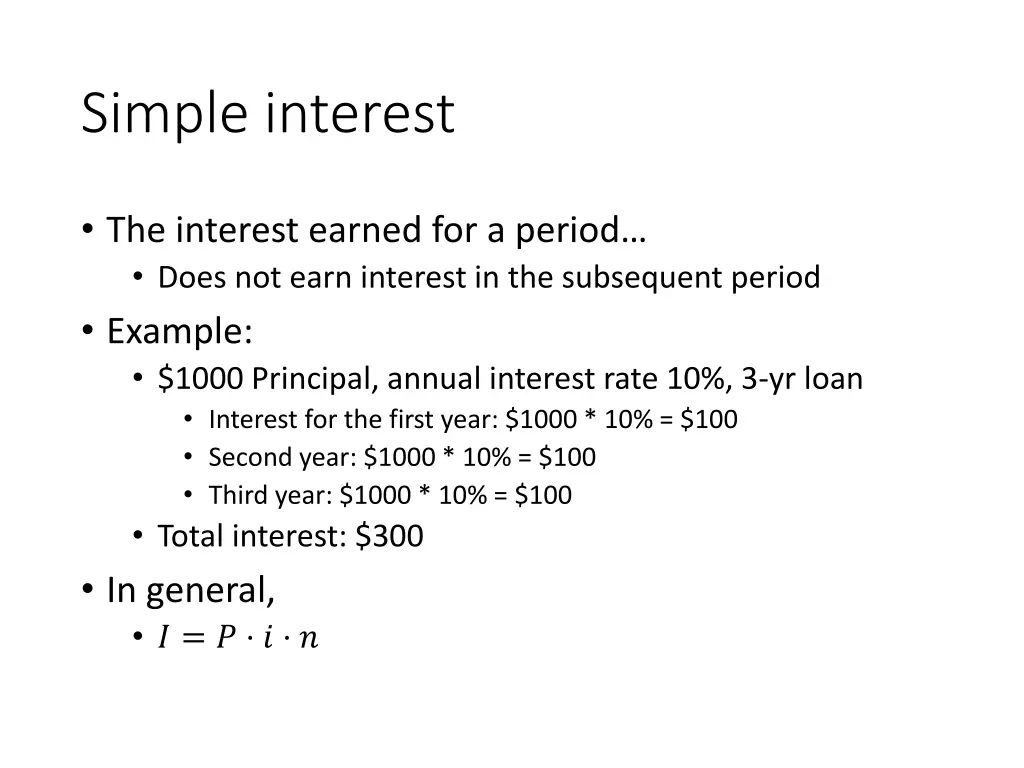
Simple interest The interest earned for a period Does not earn interest in the subsequent period Example: $1000 Principal, annual interest rate 10%, 3-yr loan Interest for the first year: $1000 * 10% = $100 Second year: $1000 * 10% = $100 Third year: $1000 * 10% = $100 Total interest: $300 In general, ? = ? ? ?
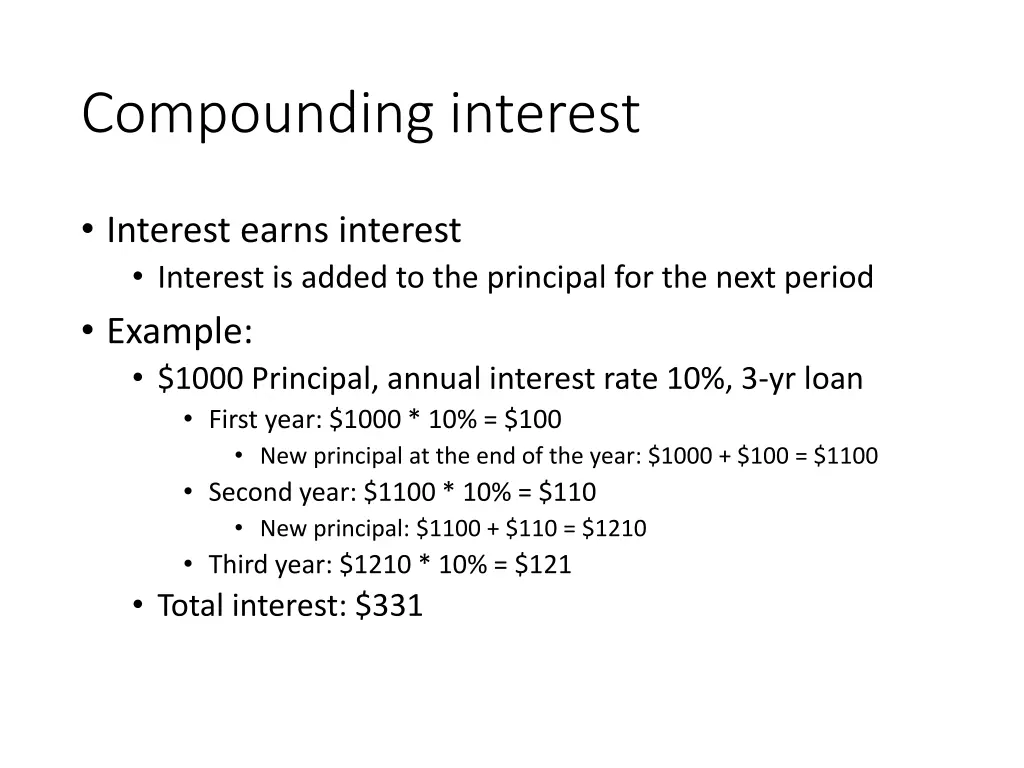
Compounding interest Interest earns interest Interest is added to the principal for the next period Example: $1000 Principal, annual interest rate 10%, 3-yr loan First year: $1000 * 10% = $100 New principal at the end of the year: $1000 + $100 = $1100 Second year: $1100 * 10% = $110 New principal: $1100 + $110 = $1210 Third year: $1210 * 10% = $121 Total interest: $331
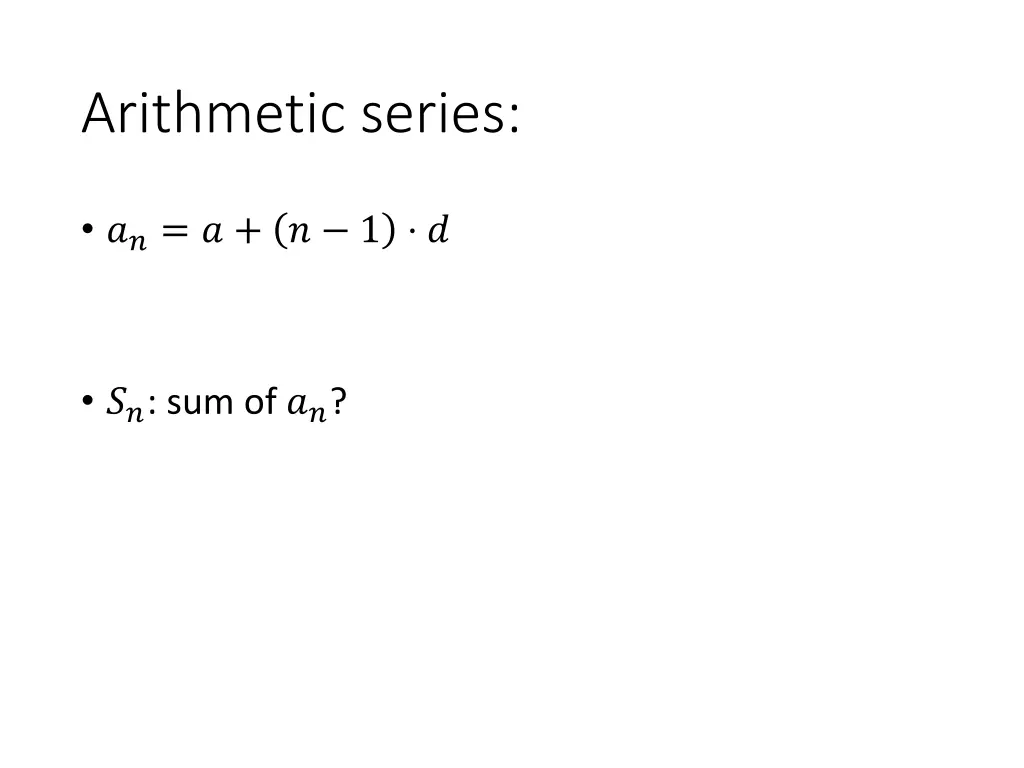
Arithmetic series: ??= ? + ? 1 ? ??: sum of ???
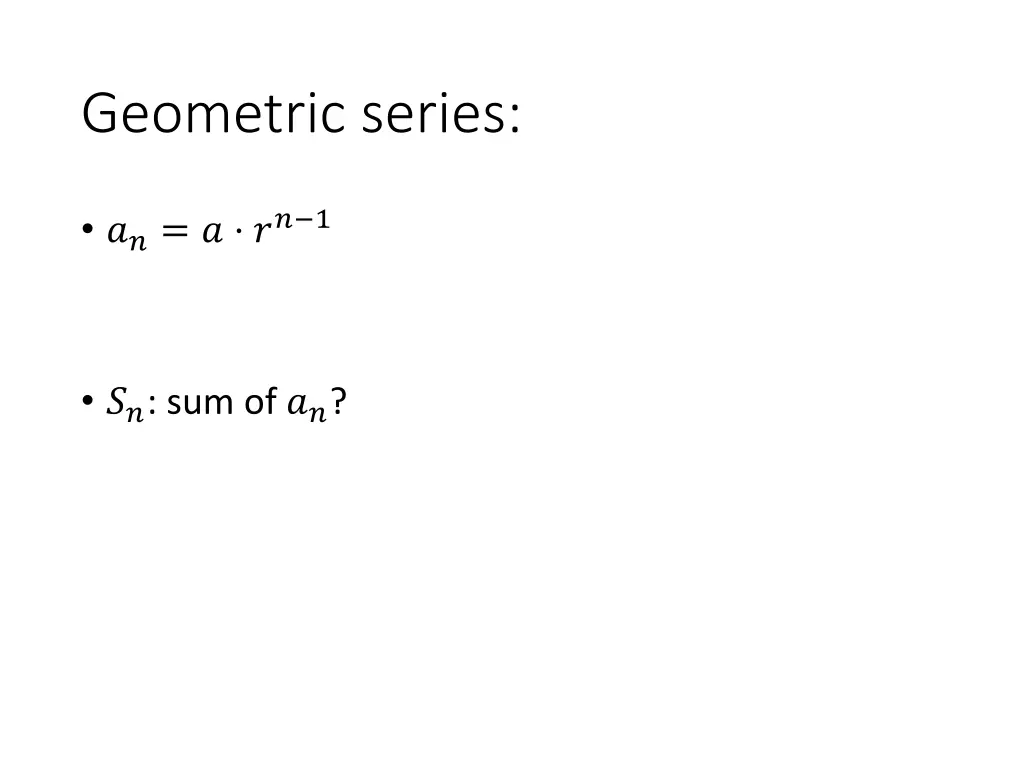
Geometric series: ??= ? ?? 1 ??: sum of ???