Experiment in Decentralisation: Challenges Faced and Lessons Learned
Explore the historical context of decentralisation in Brazil during the 19th century, focusing on key events such as the arrival of the Portuguese court, regional revolts, and political divisions. Discover the impact of decentralisation experiments, including the disastrous consequences of the 1834 Additional Act and the conflicts surrounding the War of the Cabanos. Uncover the struggles and complexities faced by ordinary people amidst elite power struggles and societal unrest.

Download Presentation

Please find below an Image/Link to download the presentation.
The content on the website is provided AS IS for your information and personal use only. It may not be sold, licensed, or shared on other websites without obtaining consent from the author. If you encounter any issues during the download, it is possible that the publisher has removed the file from their server.
You are allowed to download the files provided on this website for personal or commercial use, subject to the condition that they are used lawfully. All files are the property of their respective owners.
The content on the website is provided AS IS for your information and personal use only. It may not be sold, licensed, or shared on other websites without obtaining consent from the author.
E N D
Presentation Transcript
Week 4: An Experiment in Decentralisation
Last week independence and aftermath Arrival of Portuguese court to Rio; 1815 United Kingdom arrangement; eventual break in 1822 Change or continuity? Who drove independence? Who benefited? Where are ORDINARY PEOPLE in this picture?
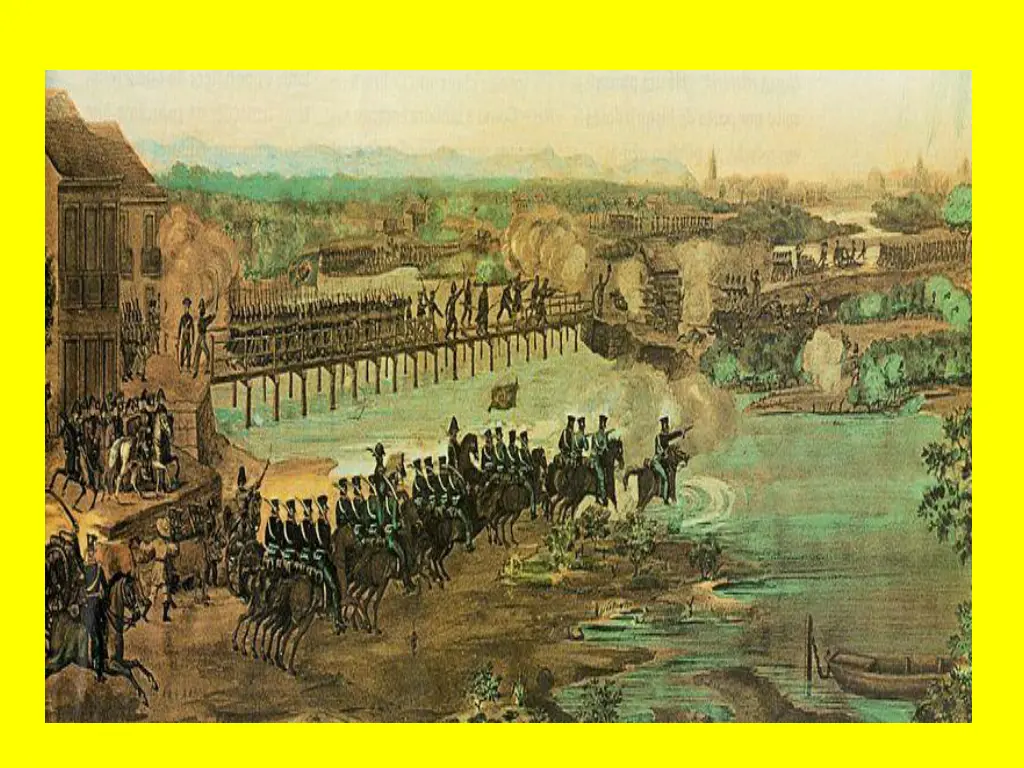
Problems of the First Empire, 1822- 1831 Regional revolts: 1824 Pernambuco (again) 1825 War with Argentina over Cisplatine Province Economy doing badly; over-dependence on the British Strong anti-Portuguese sentiment; March 1831 noites das garrafadas (5-day riot in Rio) Conflict between elite factions and D. Pedro; Portuguese monarchists force his return, 1831
Elite political divisions Moderate liberals : Pedro II, independence, individual liberties Absolutists: unison with Portugal under Pedro I; subordinate individual freedom to monarchy Exaltados: provincial freedoms, even separate Republics Conservatives / Liberals
1830s: experiment with decentralization 1834 Additional Act: greater powers to provinces, can choose provincial assemblies Disastrous for central government: series of massive regional revolts Idea was to strengthen central government but backfires Put down violently/ brutally
The War of the Cabanos: Pernambuco, 1832-5 , 1832-5: Happens after Pedro I leaves but before 1834 Additional Act demand return of Pedro I [monarchist: OPPOSITE of the Confederation of the Equator project in the 1820s] Joined by lower orders: Indians, slaves Weakened by death of Pedro I; crushed
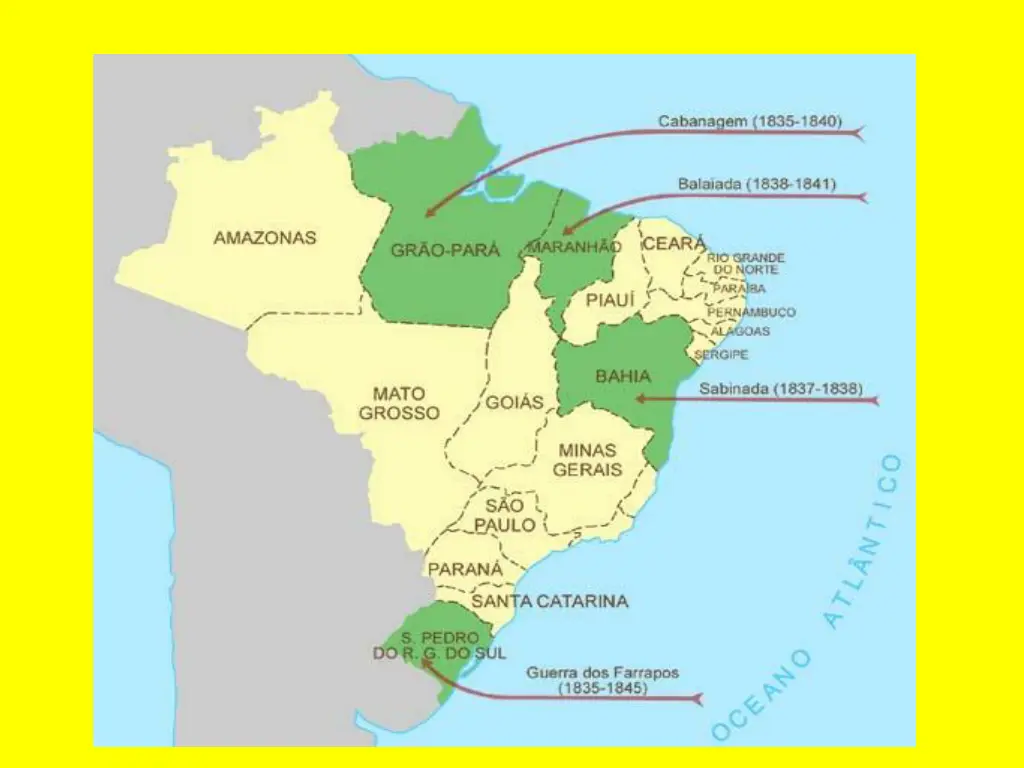
War of Cabanagem, Belm, 1835-40: Bel m: port city on mouth of Amazon Initially, fighting between monarchists & regionalists Strong pro/ anti Portuguese aspects (port city; Portuguese merchants) Escalates into broader social struggle 30,000 die (1/5 of province s population)
The Sabinada, 1837-8 (Bahia) Rebellious tradition in Bahia: (Tailors Conspiracy 1798; independence struggles 1822-3; the revolt of the MAL S, in 1835 Sparked by attempts at military recruitment in the province Bahian republic declared by rebels headed by Dr Sabino Vieira Familiar pattern: Non-white masses join; 1,800 killed Spectre of race war
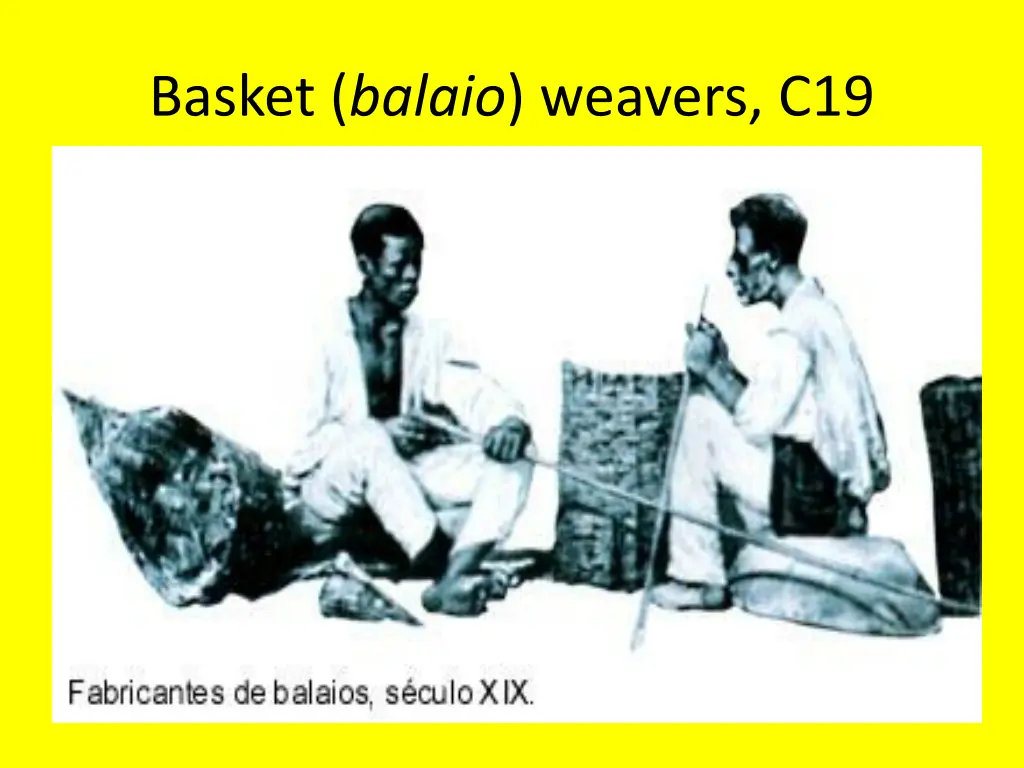
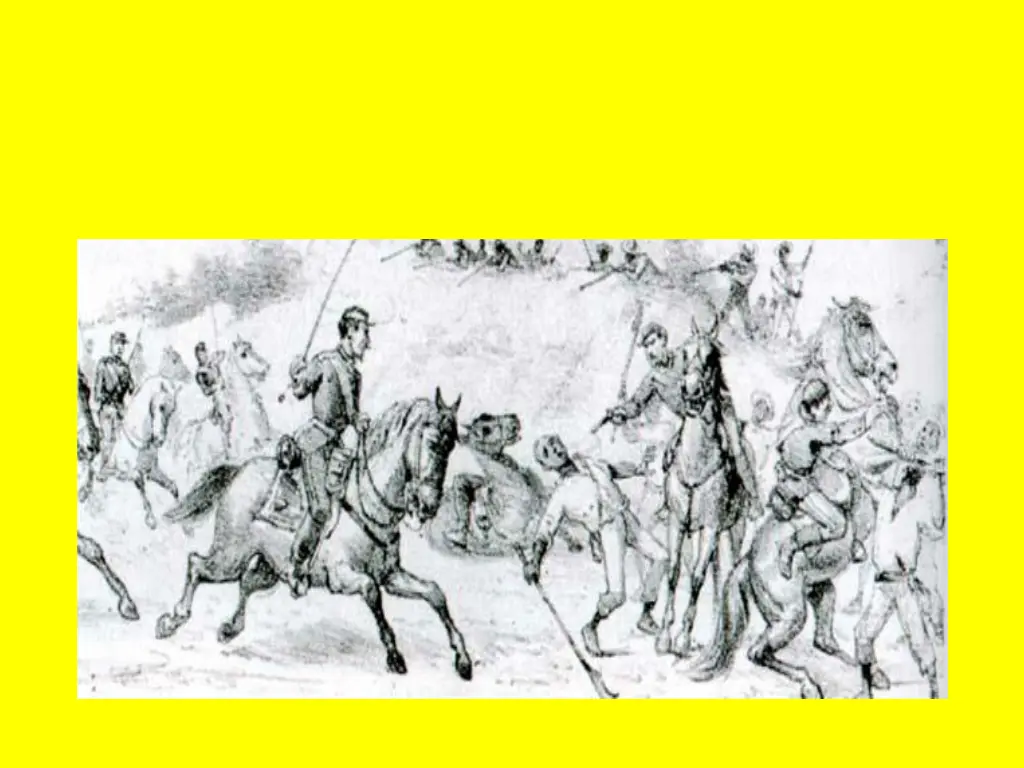
Balaiada, 1838-41 (Maranho) Local political struggles between elites Economic crisis for COTTON due to competition with US Region well-known for banditry; becomes general social rebellion 3,000 rebel slaves (under leader Cosme Bento) capture the town of Caxias in Maranh o; counter-insurgency campaign; imperial army recaptures the town commander of Brigadier Luis Alves de Lima e Silva becomes Baron of Caxias as reward
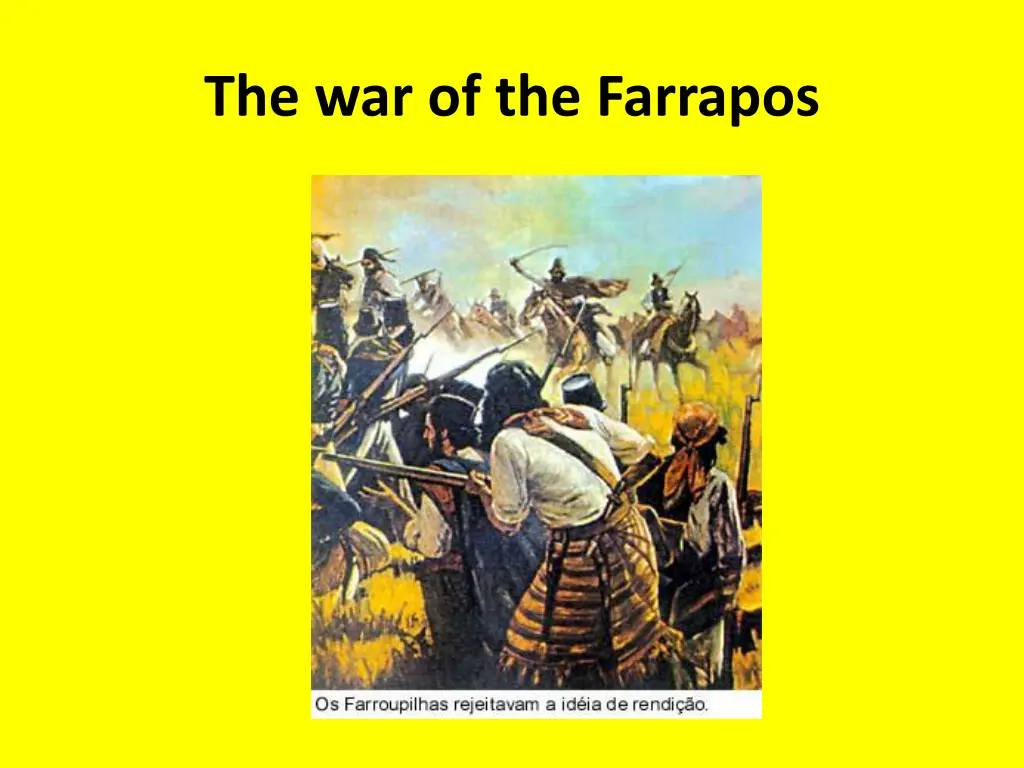
War of the Farrapos (Rio Grande do Sul) 1835-1845 Rebels declare independent republic Partly about control of leather/ meat trade Delicate border position next to Uruguay Military defeat under Baron of Caxias Plus: amnesty
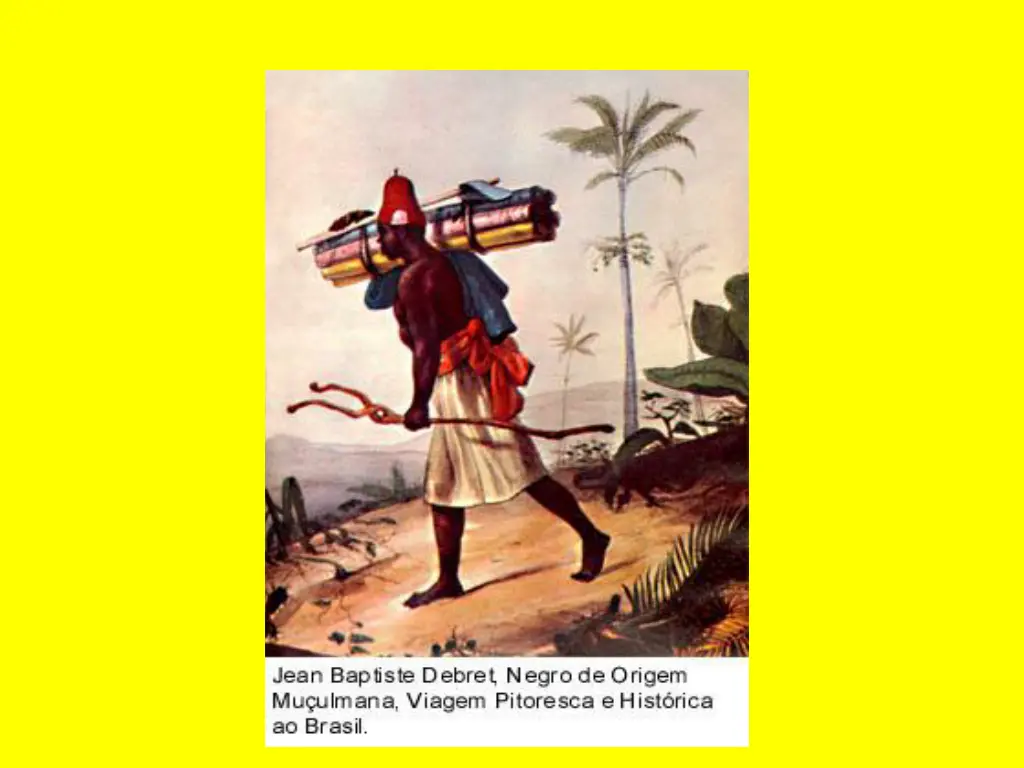
Meanwhile: slave rebellion in Bahia (1835) A regional revolt of sorts? Or different? Mainly Muslim slaves: defeated Yoruba sold into trade from today s Nigeria Jo o Jos Reis Slave Rebellion in Brazil is best reference (see article for seminar reading today too) Contributes to fear around race/ social rebellion Decision to END the trade in 1850 is arguably product of 1835 revolt (plus disease; Africanisation ; British pressure)
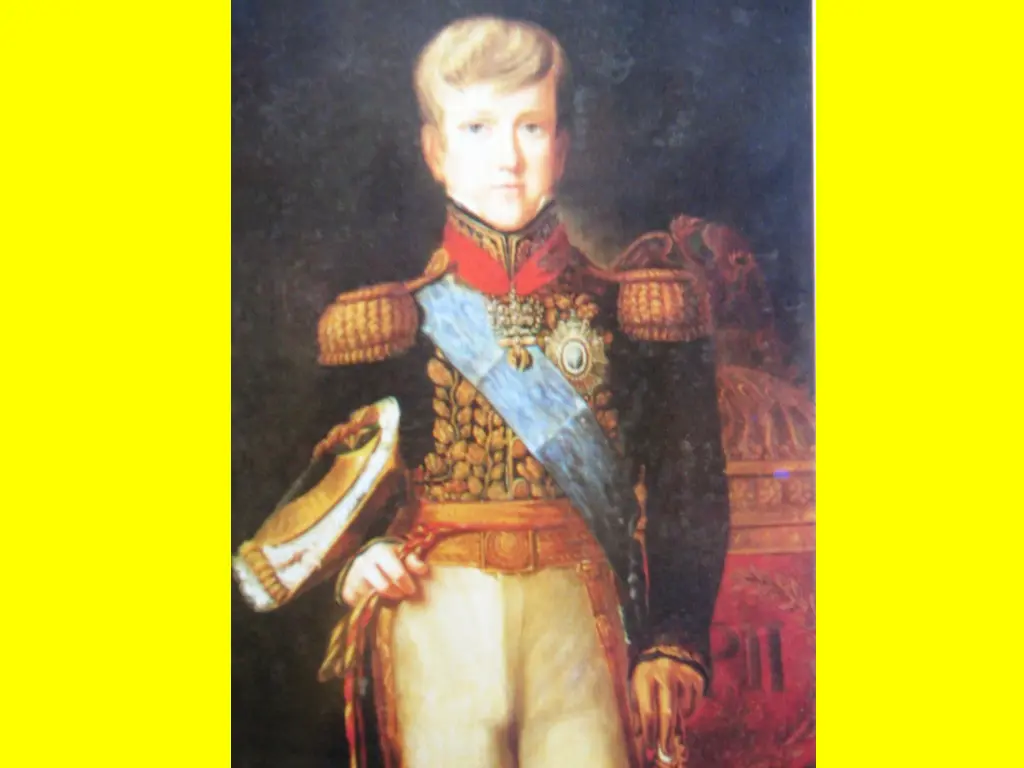
Re-centralization, 1840-1850 1840 Additional Act revoked 1840 Pedro II crowned 1848-1850: Praieira revolt, Pernambuco: - Conservative / Liberal rivalry - anti-Portuguese rioting - demand for federalism, end to moderating power, expulsion of Portuguese - crushed 1850; last of big challenges to nation- state