First Nations Health Consortium Service Coordination and Jordan's Principle
The First Nations Health Consortium in Alberta offers Enhanced Service Coordination and Jordan's Principle to support children and families in accessing needed services. Key goals include identifying children with needs, facilitating early intervention, and connecting families to services. The consortium consists of access workers and regional service coordinators dedicated to improving access to education, social, and health services for First Nations youth and families.

Download Presentation

Please find below an Image/Link to download the presentation.
The content on the website is provided AS IS for your information and personal use only. It may not be sold, licensed, or shared on other websites without obtaining consent from the author. If you encounter any issues during the download, it is possible that the publisher has removed the file from their server.
You are allowed to download the files provided on this website for personal or commercial use, subject to the condition that they are used lawfully. All files are the property of their respective owners.
The content on the website is provided AS IS for your information and personal use only. It may not be sold, licensed, or shared on other websites without obtaining consent from the author.
E N D
Presentation Transcript
Jordans Principle Enhanced Service Coordination First Nation Health Consortium Alberta Region September 12, 2018
Our Children... Our Passion The First Nations Health Consortium Ltd. will provide: Jordan Jordan s Principle, Enhanced Service Coordination; s Principle, Enhanced Service Coordination; the link between the child & the needed program, the link between the child & the needed program, service, supplies, equipment & support service, supplies, equipment & support
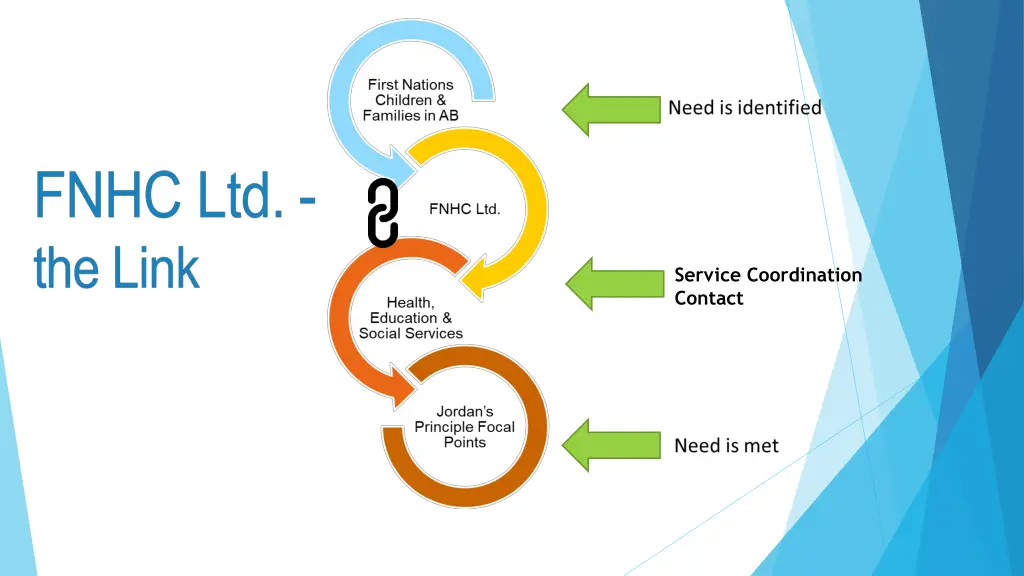
Service Coordination Contact
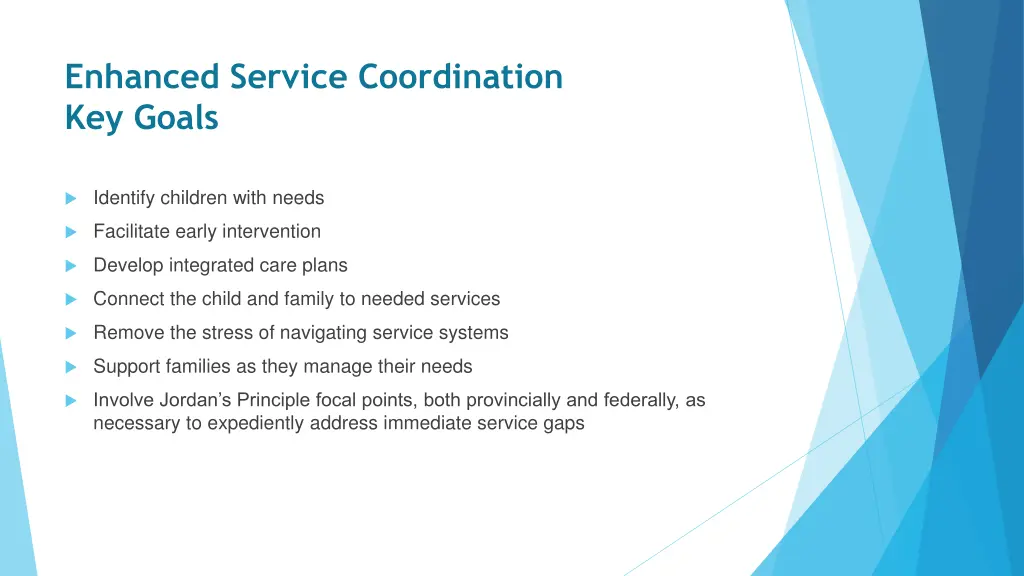
Enhanced Service Coordination Key Goals Identify children with needs Facilitate early intervention Develop integrated care plans Connect the child and family to needed services Remove the stress of navigating service systems Support families as they manage their needs Involve Jordan s Principle focal points, both provincially and federally, as necessary to expediently address immediate service gaps
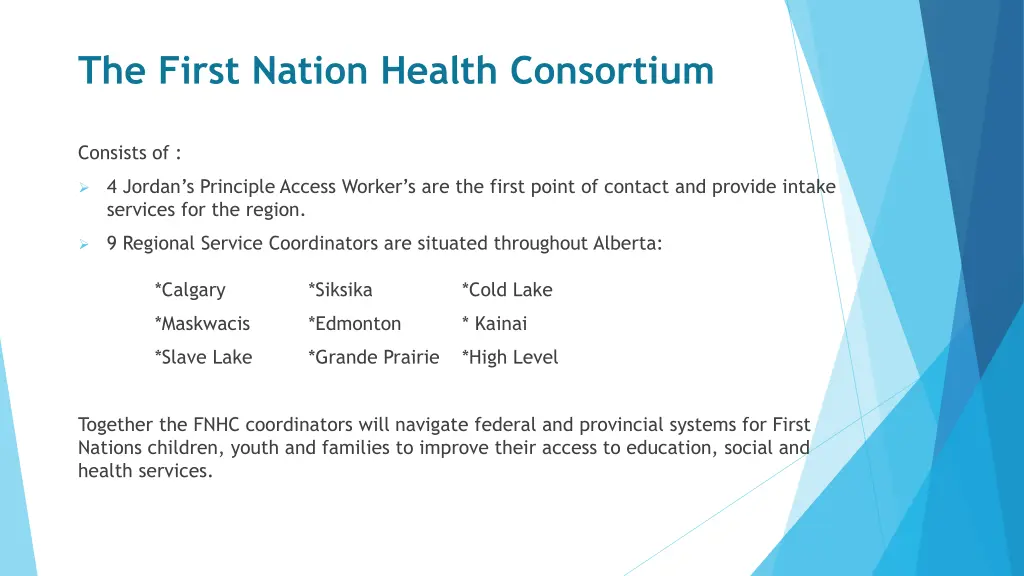
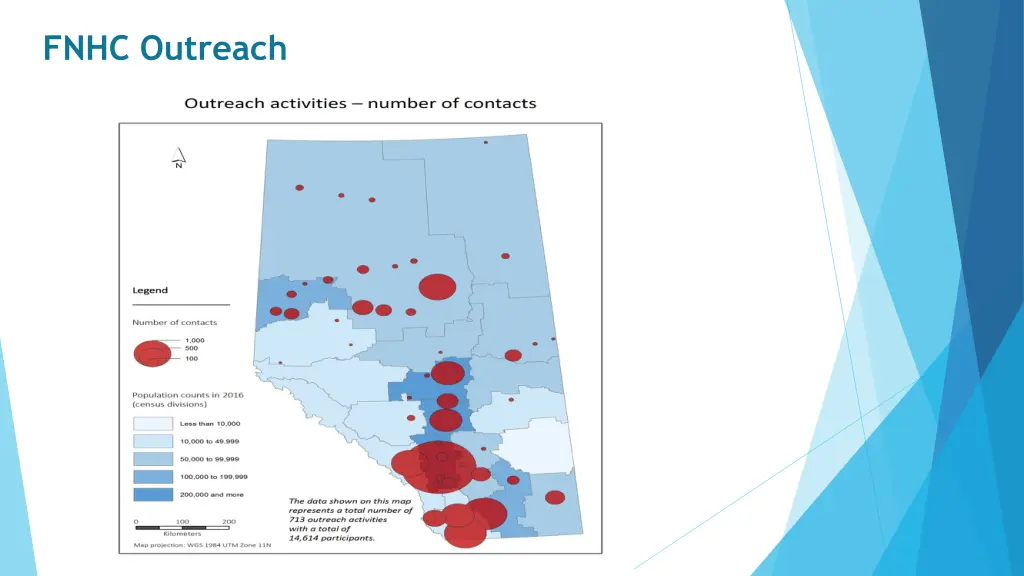
The First Nation Health Consortium Consists of : 4 Jordan s Principle Access Worker s are the first point of contact and provide intake services for the region. 9 Regional Service Coordinators are situated throughout Alberta: *Calgary *Siksika *Cold Lake *Maskwacis *Edmonton * Kainai *Slave Lake *Grande Prairie *High Level Together the FNHC coordinators will navigate federal and provincial systems for First Nations children, youth and families to improve their access to education, social and health services.
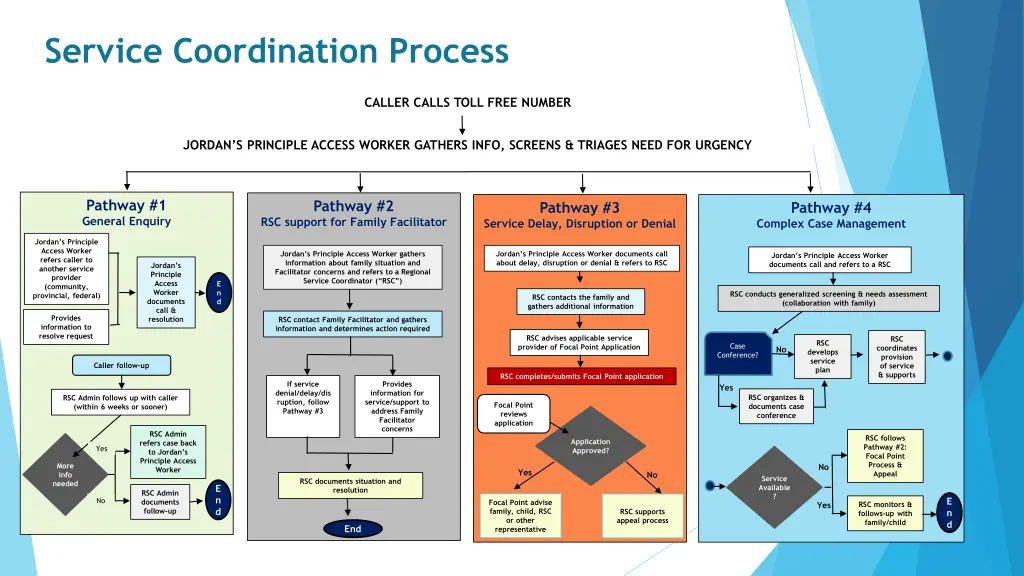
Service Coordination Process CALLER CALLS TOLL FREE NUMBER JORDAN S PRINCIPLE ACCESS WORKER GATHERS INFO, SCREENS & TRIAGES NEED FOR URGENCY Pathway #1 General Enquiry Pathway #2 Pathway #3 Pathway #4 Complex Case Management RSC support for Family Facilitator Service Delay, Disruption or Denial Jordan s Principle Access Worker refers caller to another service provider (community, provincial, federal) Jordan s Principle Access Worker gathers information about family situation and Facilitator concerns and refers to a Regional Service Coordinator ( RSC ) Jordan s Principle Access Worker documents call about delay, disruption or denial & refers to RSC Jordan s Principle Access Worker documents call and refers to a RSC Jordan s Principle Access Worker documents call & resolution E n d RSC conducts generalized screening & needs assessment (collaboration with family) RSC contacts the family and gathers additional information Provides information to resolve request RSC contact Family Facilitator and gathers information and determines action required RSC advises applicable service provider of Focal Point Application RSC RSC Case coordinates provision of service & supports No develops service plan Conference? Caller follow-up RSC completes/submits Focal Point application If service denial/delay/dis ruption, follow Pathway #3 Provides information for service/support to address Family Facilitator concerns Yes RSC organizes & documents case conference RSC Admin follows up with caller (within 6 weeks or sooner) Focal Point reviews application RSC Admin refers case back to Jordan s Principal Access Worker Principle Access Worker RSC Admin refers case back to Jordan s RSC follows Pathway #2: Focal Point Process & Appeal Application Approved? Yes More info needed No Yes No Service Available ? RSC documents situation and resolution E n d RSC Admin documents follow-up E n d No Focal Point advise family, child, RSC or other representative RSC monitors & follows-up with family/child Yes RSC supports appeal process End
Challenges & Lessons Learned Service Coordination Region/Focal Point * Lack of Knowledge of Services Readily Available throughout the Region * Ever Changing Parameters of CHRT rulings * Group and Individual Requests creating confusion when First Nations utilize Jordan s Principle in their communication of service delivery for their project. The general public s difficulty navigating through all the Jordan s Principle Navigators/Community Connectors increase. * Increasing/shifting in requirements pertaining to information and documentation National * Communication approvals and denials is inconsistent. Limited staff increase, high case volume * Service provision and repayment is anywhere to 6-12 weeks and longer. FNHC has proposed a process that would alleviate that process. * 12 48 hours clock starts once Focal Points receive all documentation they require. FNHC feels that the clock starts when the focal points are initiated/informed of the case * Increase in National oversight and decision making which slows down the process for approvals. Most Regional Service Coordinator s cases are pending * More supportive documentation is requested for Group Requests. * There are too many 1-800 numbers pertaining to Jordan s Principle which only adds more confusion to public when trying to navigate they system. FNHC feels that there should be only one number in Alberta.