Improving Math Education Through Collaboration and Investment
Discover insights on math education statistics, equity initiatives, and success rates at College S&T Division Math Department. Learn how pathways like Path to Stats and Path to Calculus are crucial for student progress. Explore the need for stable, collaborative work and investment to enhance teaching quality and address equity issues in math education.

Download Presentation

Please find below an Image/Link to download the presentation.
The content on the website is provided AS IS for your information and personal use only. It may not be sold, licensed, or shared on other websites without obtaining consent from the author. If you encounter any issues during the download, it is possible that the publisher has removed the file from their server.
You are allowed to download the files provided on this website for personal or commercial use, subject to the condition that they are used lawfully. All files are the property of their respective owners.
The content on the website is provided AS IS for your information and personal use only. It may not be sold, licensed, or shared on other websites without obtaining consent from the author.
E N D
Presentation Transcript
Math Position Justification November 9th, 2016
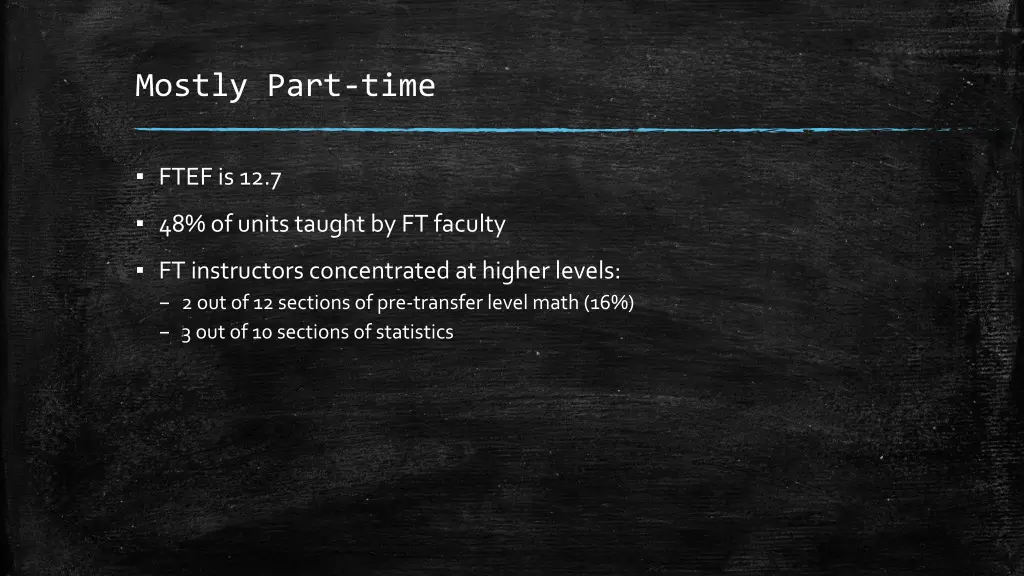
Mostly Part-time FTEF is 12.7 48% of units taught by FT faculty FT instructors concentrated at higher levels: 2 out of 12 sections of pre-transfer level math (16%) 3 out of 10 sections of statistics
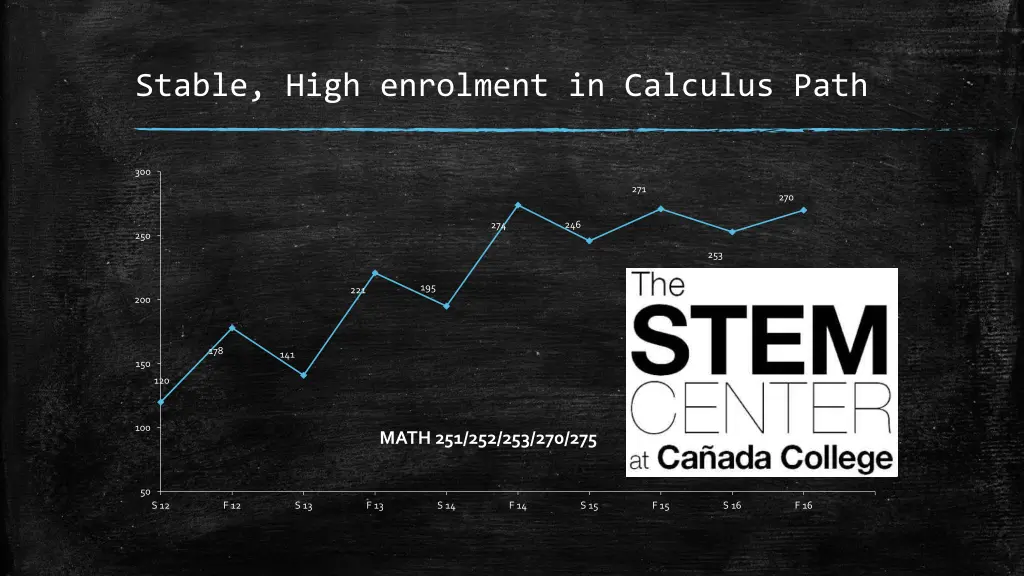
Stable, High enrolment in Calculus Path 300 271 270 246 274 250 253 195 221 200 178 141 150 120 100 MATH 251/252/253/270/275 50 S 12 F 12 S 13 F 13 S 14 F 14 S 15 F 15 S 16 F 16
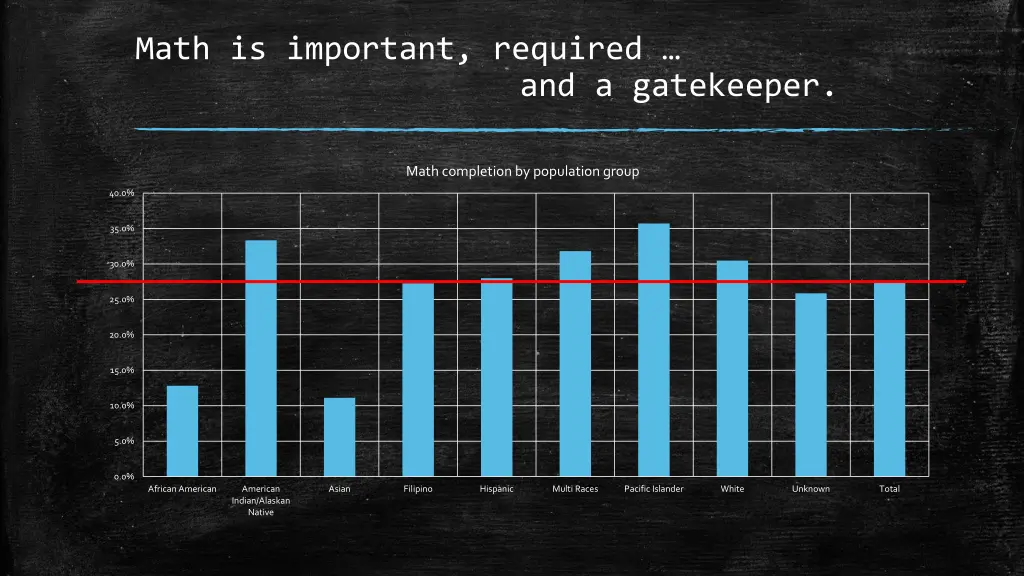
Math is important, required and a gatekeeper. Math completion by population group 40.0% 35.0% 30.0% 25.0% 20.0% 15.0% 10.0% 5.0% 0.0% African American American Indian/Alaskan Native Asian Filipino Hispanic Multi Races Pacific Islander White Unknown Total
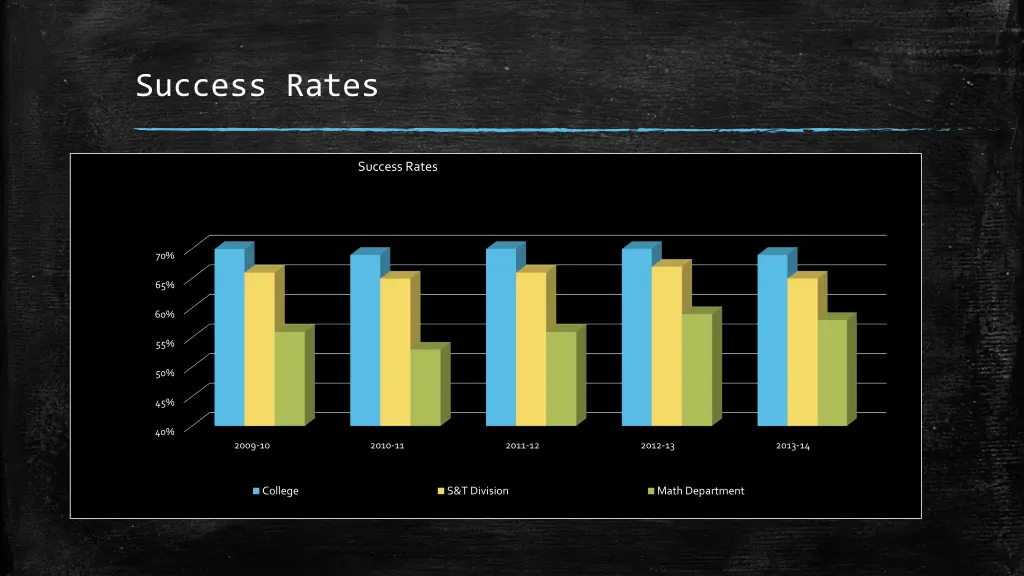
Success Rates Success Rates 70% 65% 60% 55% 50% 45% 40% 2009-10 2010-11 2011-12 2012-13 2013-14 College S&T Division Math Department
We are proactive: PATHWAYS -> Key Equity initiative Path to Stats Path to Calulus Math Jam Grant Opportunitis MSEIP
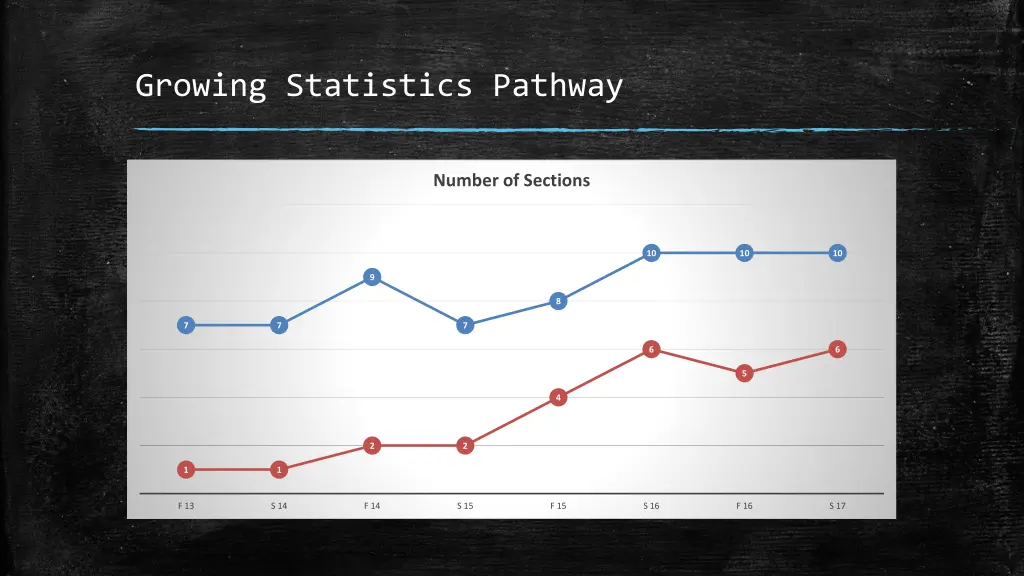
Growing Statistics Pathway Number of Sections 10 10 10 9 8 7 7 7 6 6 5 4 2 2 1 1 F 13 S 14 F 14 S 15 F 15 S 16 F 16 S 17
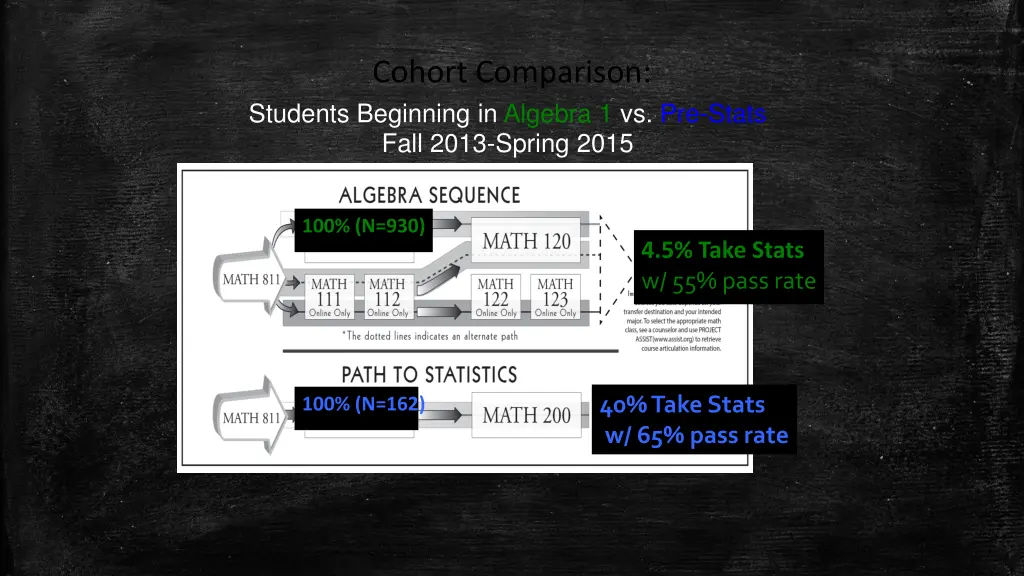
Cohort Comparison: Students Beginning in Algebra 1 vs. Pre-Stats Fall 2013-Spring 2015 100% (N=930) 4.5% Take Stats w/ 55% pass rate 40% Take Stats w/ 65% pass rate 100% (N=162)
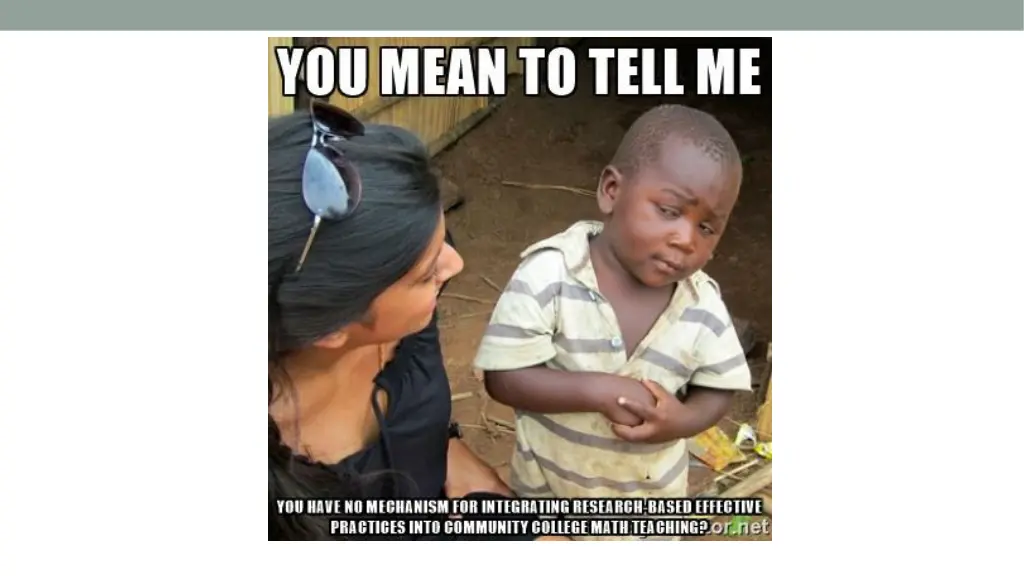
Summary To improve we need stable, collaborative work This requires investment There are a LOT of opportunities, but few bodies to coordinate and lead, on top of teaching the load. We have plans for incorporating new faculty into a culture of collaboration and improvement. Quality teaching in Math is a SERIOUS Equity issue.
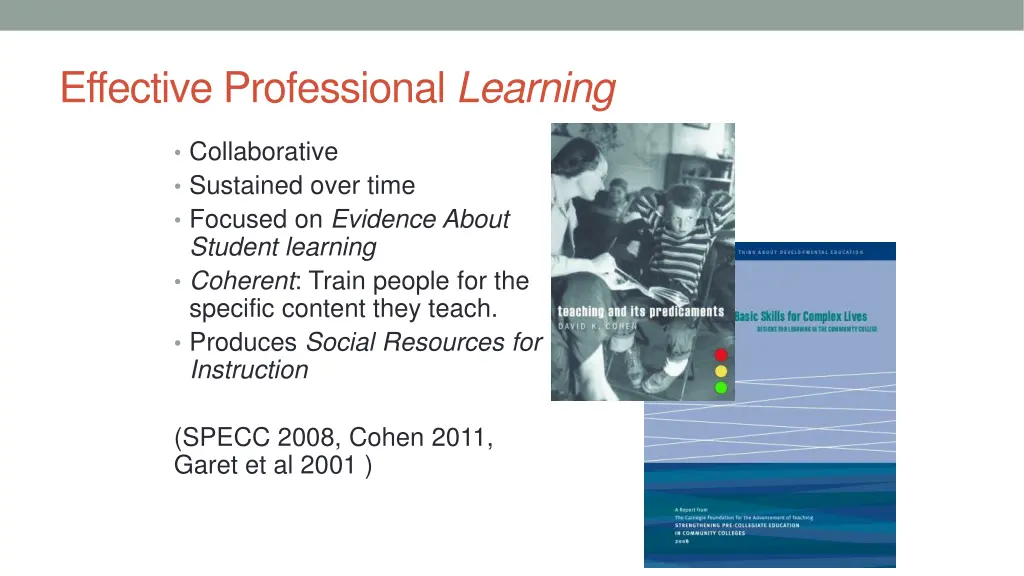
Effective Professional Learning Collaborative Sustained over time Focused on Evidence About Student learning Coherent: Train people for the specific content they teach. Produces Social Resources for Instruction (SPECC 2008, Cohen 2011, Garet et al 2001 )
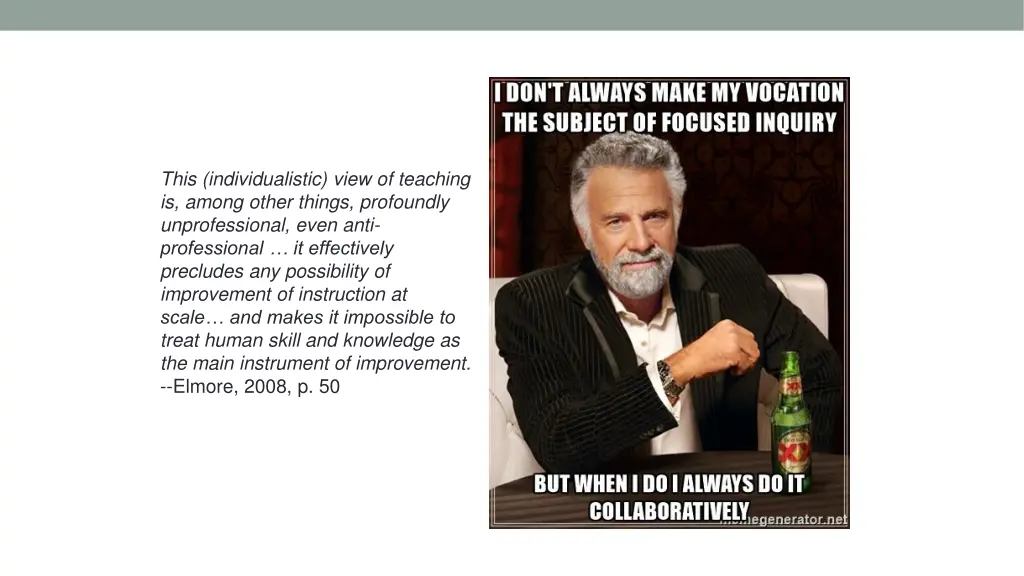
This (individualistic) view of teaching is, among other things, profoundly unprofessional, even anti- professional it effectively precludes any possibility of improvement of instruction at scale and makes it impossible to treat human skill and knowledge as the main instrument of improvement. --Elmore, 2008, p. 50
Effective Model: Teaching Communities Led by experienced (or enthusiastic) teacher A curriculum of readings and discussions to introduce new teaching practices Meet every week/other week: Discuss readings on new pedagogy Reflect and Prepare Classes Plan Lesson-Study on Research Lessons for one key topic per instructional unit. Develop and Revise Shared Lesson Plans Los Medanos College Developmental Education Program Guide to Facilitating a Teaching Community (2009)
Summary To improve we need stable, collaborative work This requires investment There are a LOT of opportunities, but few bodies to coordinate an lead, on top of teaching the load. We have plans for inco
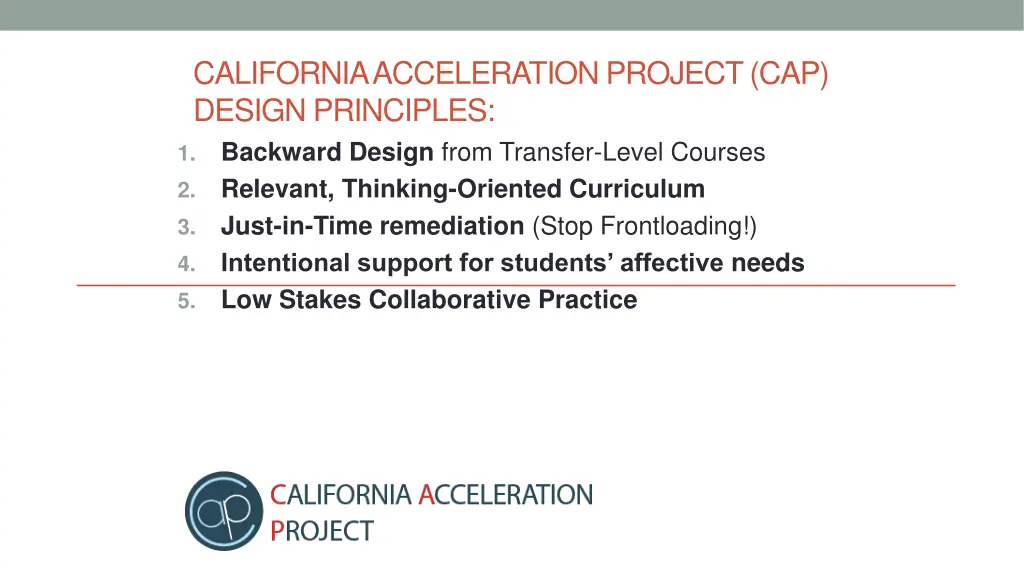
CALIFORNIA ACCELERATION PROJECT (CAP) DESIGN PRINCIPLES: Backward Design from Transfer-Level Courses 2. Relevant, Thinking-Oriented Curriculum 3. Just-in-Time remediation (Stop Frontloading!) 4. Intentional support for students affective needs 5. Low Stakes Collaborative Practice 1.
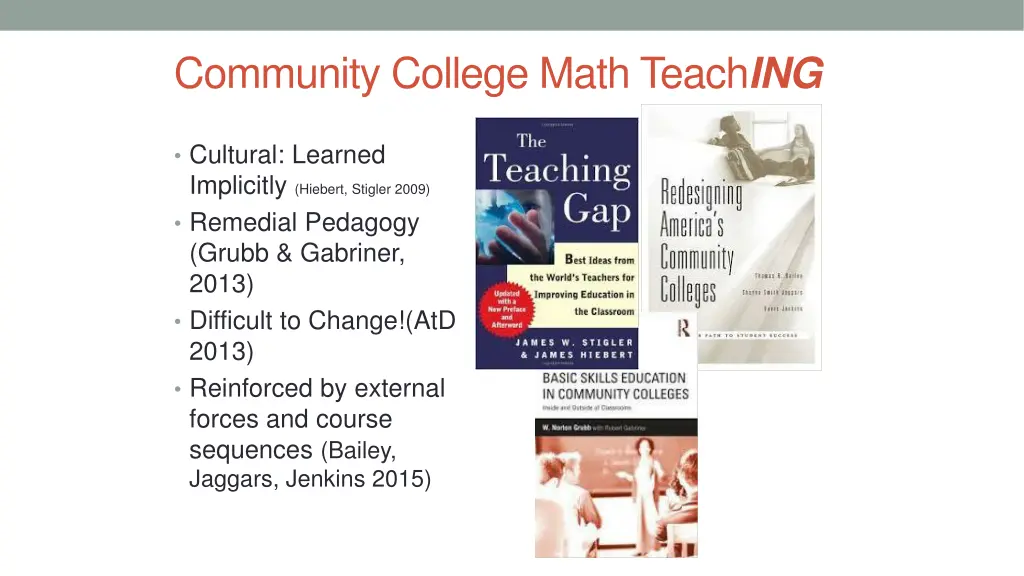
Community College Math TeachING Cultural: Learned Implicitly (Hiebert, Stigler 2009) Remedial Pedagogy (Grubb & Gabriner, 2013) Difficult to Change!(AtD 2013) Reinforced by external forces and course sequences (Bailey, Jaggars, Jenkins 2015)
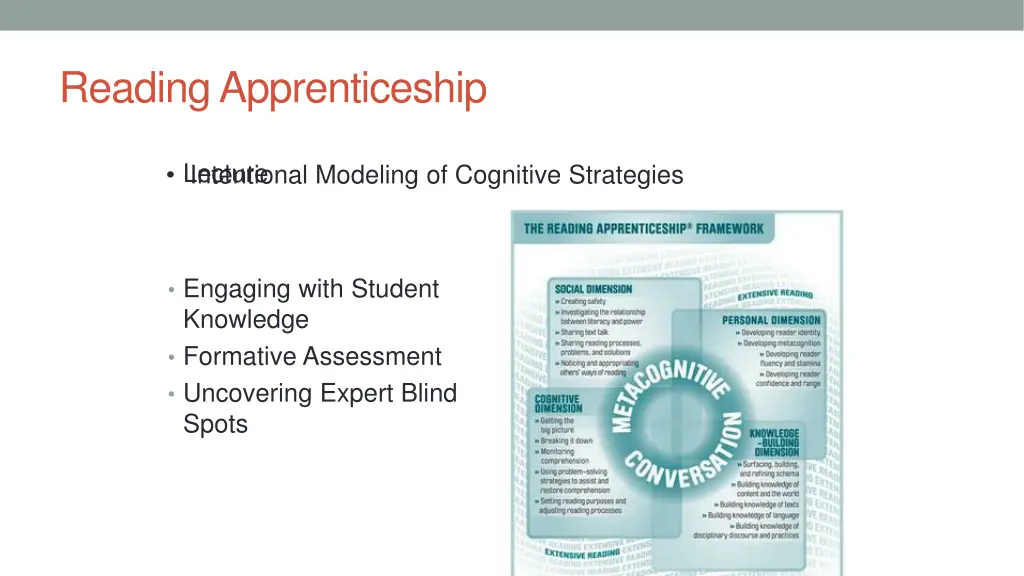
Reading Apprenticeship Lecture Intentional Modeling of Cognitive Strategies Engaging with Student Knowledge Formative Assessment Uncovering Expert Blind Spots
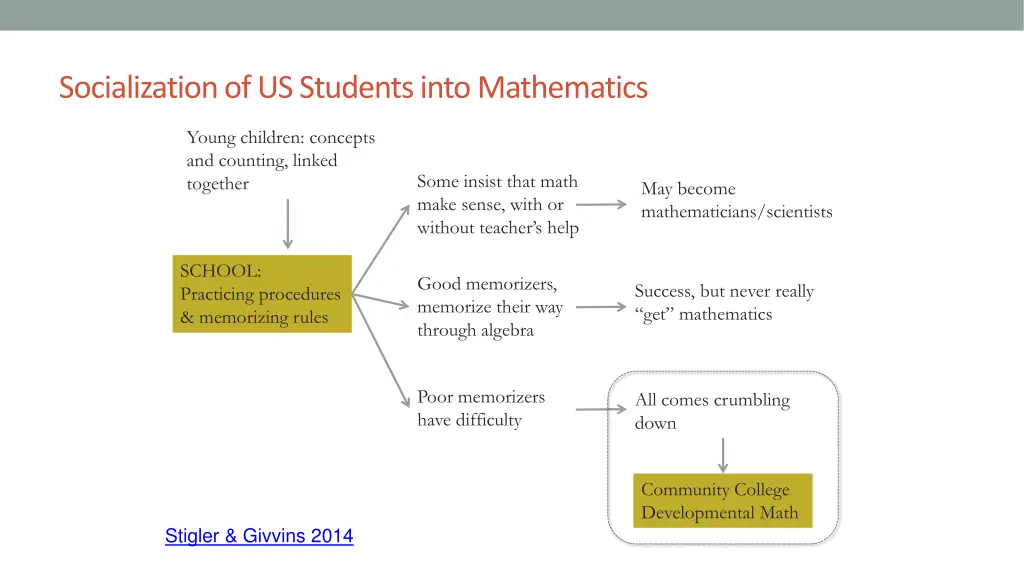
Socialization of US Students into Mathematics Young children: concepts and counting, linked together Some insist that math make sense, with or without teacher s help May become mathematicians/scientists SCHOOL: Practicing procedures & memorizing rules Good memorizers, memorize their way through algebra Success, but never really get mathematics Poor memorizers have difficulty All comes crumbling down Community College Developmental Math Stigler & Givvins 2014