Innovative Research on Laser Treatment for Diabetes Mellitus

Islam Medhat Mahmoud from Cairo University shares his groundbreaking research on using low-power laser therapy to treat diabetes mellitus types 1 and 2. His work has global significance and potential to revolutionize diabetic care. With a focus on experimental studies on rats, Islam Medhat Mahmoud presents compelling results that offer hope for diabetic patients worldwide. His expertise in physical medicine and interest in low-power lasers make him a leading figure in the field.

Download Presentation

Please find below an Image/Link to download the presentation.
The content on the website is provided AS IS for your information and personal use only. It may not be sold, licensed, or shared on other websites without obtaining consent from the author.If you encounter any issues during the download, it is possible that the publisher has removed the file from their server.
You are allowed to download the files provided on this website for personal or commercial use, subject to the condition that they are used lawfully. All files are the property of their respective owners.
The content on the website is provided AS IS for your information and personal use only. It may not be sold, licensed, or shared on other websites without obtaining consent from the author.
E N D
Presentation Transcript
ISLAM MEDHAT MAHMOUD Cairo University Egypt Islammedhat36@yahoo.com
ISLAM MEDHAT BEST SPEAKER IN INTERNATIONAL PHYSICAL THERAPY CONFERENCE BEST STUDENT RESEARCH IN ARAB WORLD 2013 RESEARCH TEAM LEADER IN CMS , CORE MEDICAL SOCIETY SPEAKER IN 2NDINTERNATIONAL CONFERENCE FOR PHYSICAL MEDICINE AND REHABILITATION BALTIMORE MARYLAND, USA 2014
FOR THE LAST 2 YEARS I HAVE BEEN WORKING ON A RESEARCH THAT MAKE A GREAT RESULTS GLOBALLY ON THE EXPIRMENTAL STUDIES DONE ON RATS TO TREAT DIABETES MELLITUS TYPE 1 AND TYPE 2 WITH THE USAGE OF THE LOW POWER LASER CLINICALLY USED IN FIELD OF PHYSICAL MEDICINE, DENTISTRY, ORTHOPEDICS AND OTHERS
MY MAIN AREA OF INTEREST INCLUDE LOW POWER LASER AND DIABETES
IN THE NEXT SLIDES I WILL BRIEFLY DEMONSTRATE THE RESEARCH AND IT S RESULTS
NOTE ANY INFORMATION SHOULDNT BE TAKEN WITHOUT AN INFORMED CONSENT FROM THE LECTURER
CURRENT ROLE FOR SPECIALTIES WORKING IN THE FIELD OF PHYSICAL MEDICINE IN MANAGEMENT OF DM
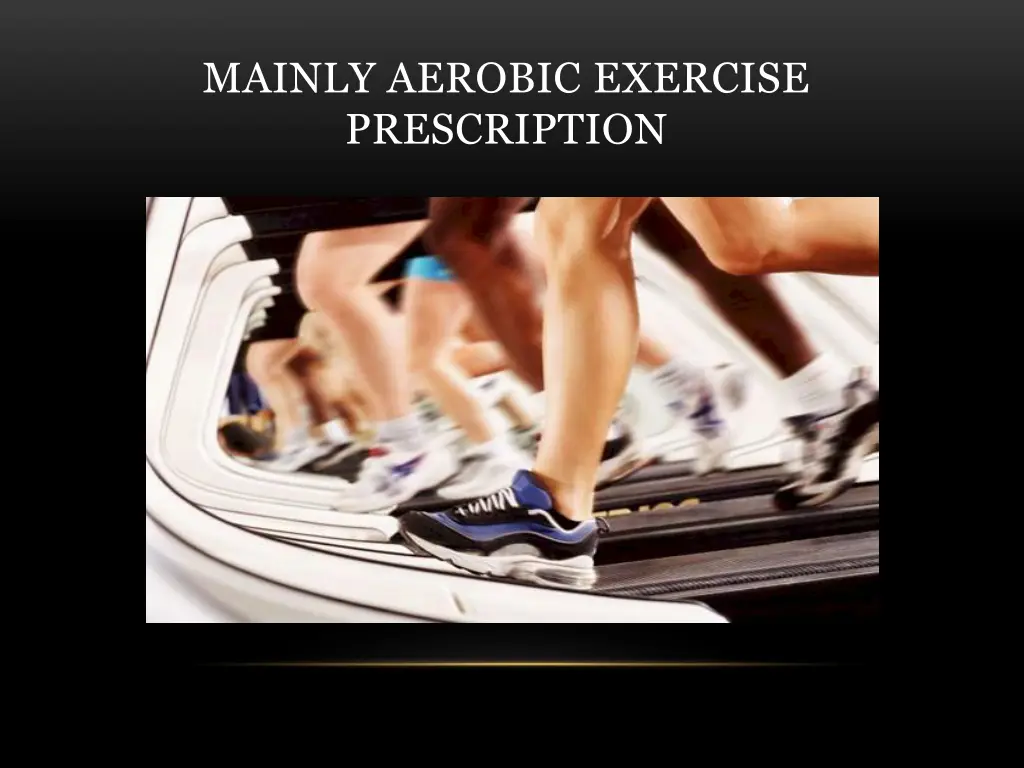
MAINLY AEROBIC EXERCISE PRESCRIPTION
IN THIS PRESENTATION I AM GOING TO PROVE TO YOU EXPERIMENTALLY THAT WE AS A SPECIALTIES WORKING IN THIS FIELD COULD REACH A CURE FOR DIABETES MELLITUS
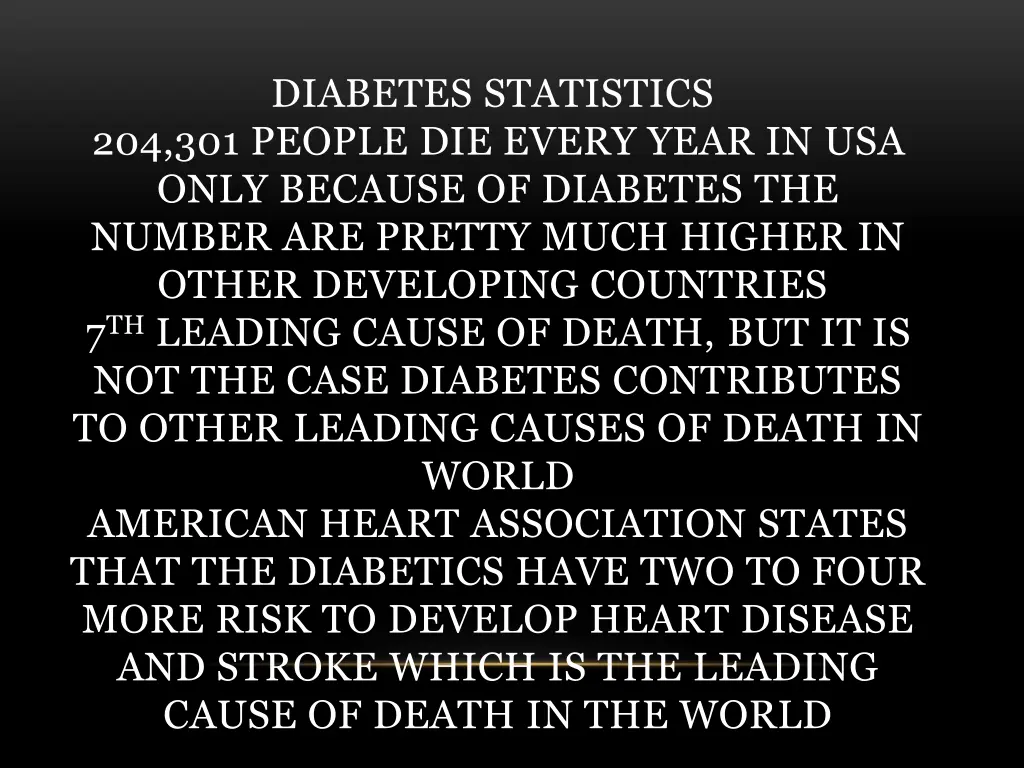
DIABETES STATISTICS 204,301 PEOPLE DIE EVERY YEAR IN USA ONLY BECAUSE OF DIABETES THE NUMBER ARE PRETTY MUCH HIGHER IN OTHER DEVELOPING COUNTRIES 7THLEADING CAUSE OF DEATH, BUT IT IS NOT THE CASE DIABETES CONTRIBUTES TO OTHER LEADING CAUSES OF DEATH IN WORLD AMERICAN HEART ASSOCIATION STATES THAT THE DIABETICS HAVE TWO TO FOUR MORE RISK TO DEVELOP HEART DISEASE AND STROKE WHICH IS THE LEADING CAUSE OF DEATH IN THE WORLD
DIABETES CONSIDERED AS A LEADING CAUSE OF RENAL FAILURE WHICH IS THE 9THLEADING CAUSE OF DEATH IN THE WORLD SO WE CAN SAY FROM THAT DIABETES AS A DISEASE IS NOT SO DANGEROUS WHAT IS THE MOST RISK IS WHAT DEVELOP AS A CONSEQUENCE OF IT S PRESENCE
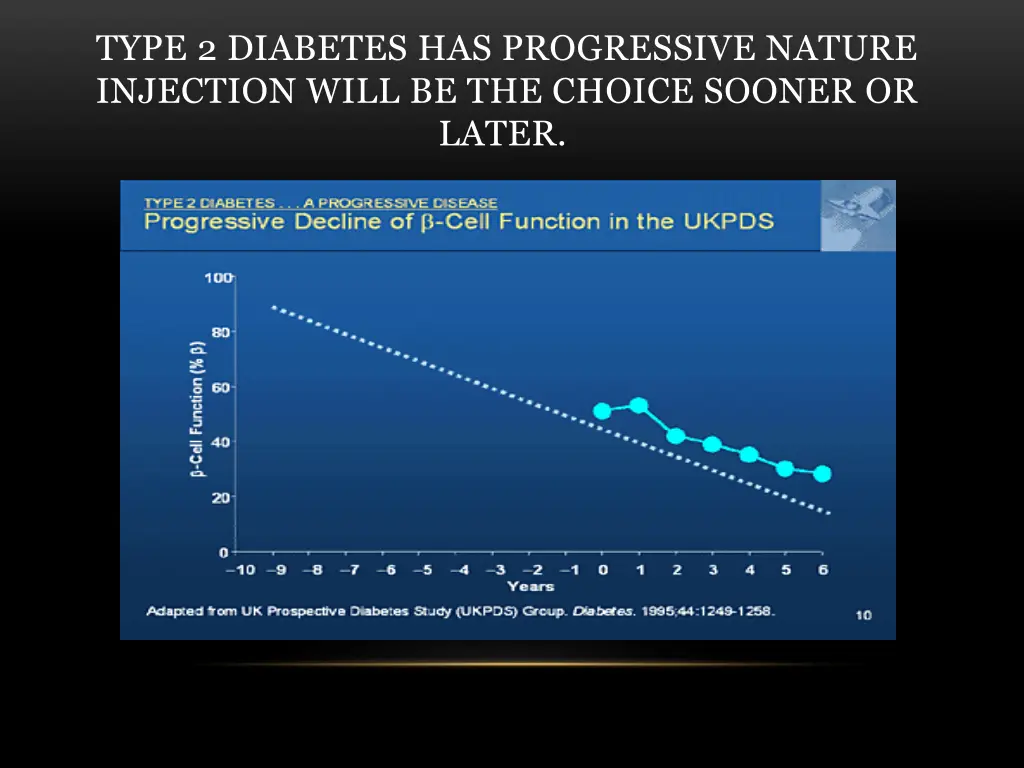
TYPE 2 DIABETES HAS PROGRESSIVE NATURE INJECTION WILL BE THE CHOICE SOONER OR LATER.
MEDICAL TREATMENT FOR DM JUST LIKE A NUMBER OF OTHER DISEASES. UNABLE TO TREAT THE CAUSE SO YOU JUST KEEP TREATING SYMPTOMS AND LEAVING CAUSES GROWING.
This is such a waste of resources what type of treatment prohibit the patient from most food and give him a life long medication and accordingly a life long side effects that is one day or another will lead him to depend on Insulin injection In fact it is a very common scenario that a type 2 patient eventually use Insulin.
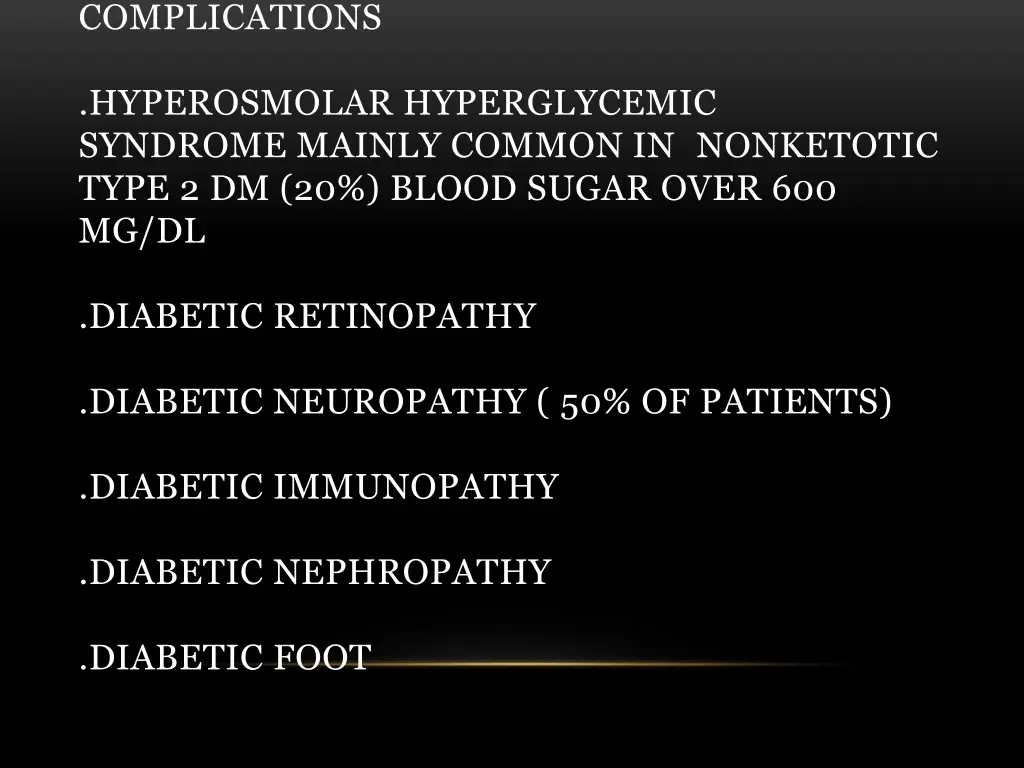
COMPLICATIONS .HYPEROSMOLAR HYPERGLYCEMIC SYNDROME MAINLY COMMON IN TYPE 2 DM (20%) BLOOD SUGAR OVER 600 MG/DL NONKETOTIC .DIABETIC RETINOPATHY .DIABETIC NEUROPATHY ( 50% OF PATIENTS) .DIABETIC IMMUNOPATHY .DIABETIC NEPHROPATHY .DIABETIC FOOT
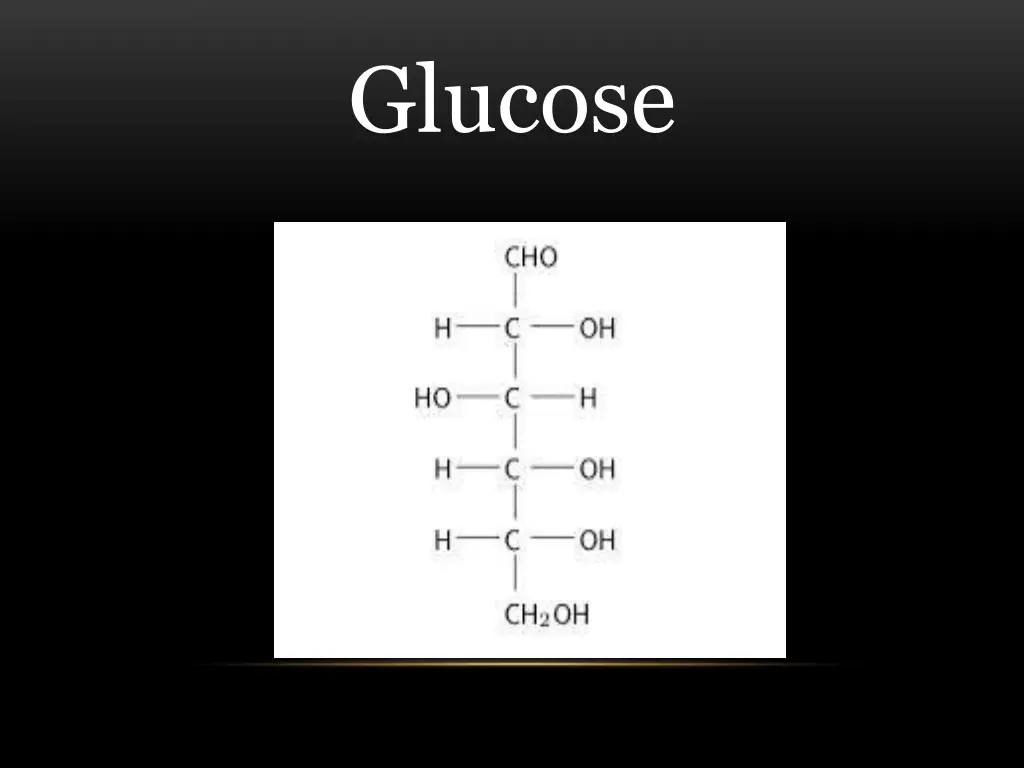
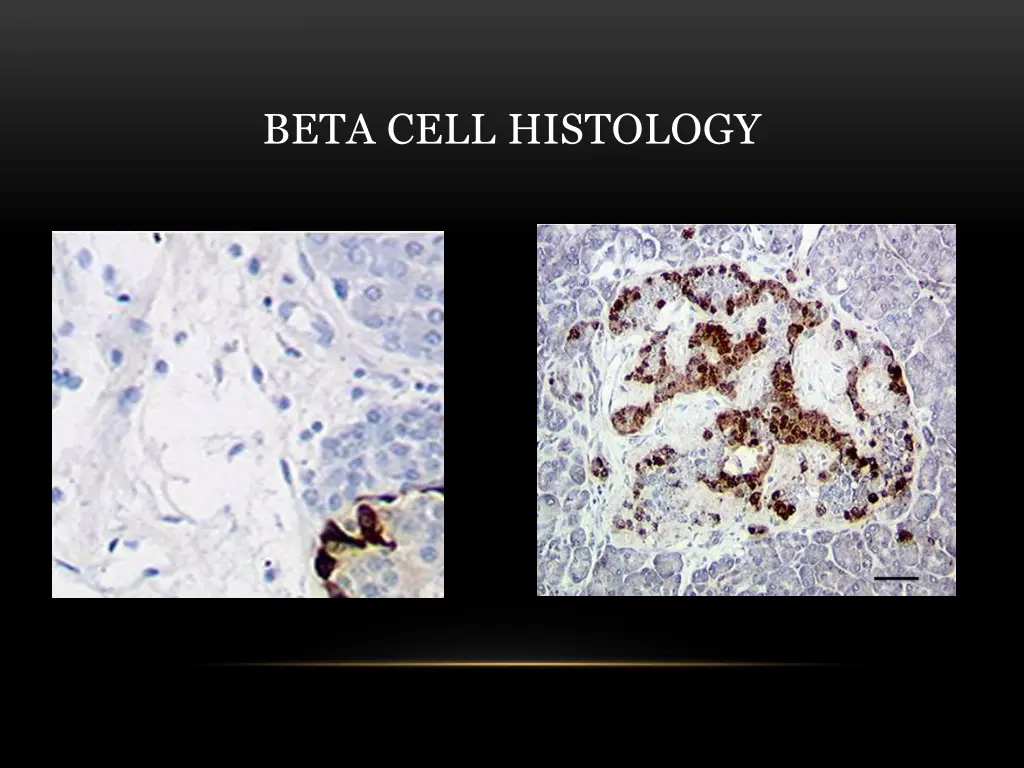
THIS TAKES ME TO STUDY MORE ABOUT GLUCOSE AND BETA CELL AND HOW THEY ARE INTERCONNECTED IN A POINT CALLED INSULIN
RIGHT NOW 40% OF PATIENTS WITH TYPE 2 DIABETES USES INSULIN AS A PART OR AS A INDEPENDENT TREATMENT FOR THEIR CASE
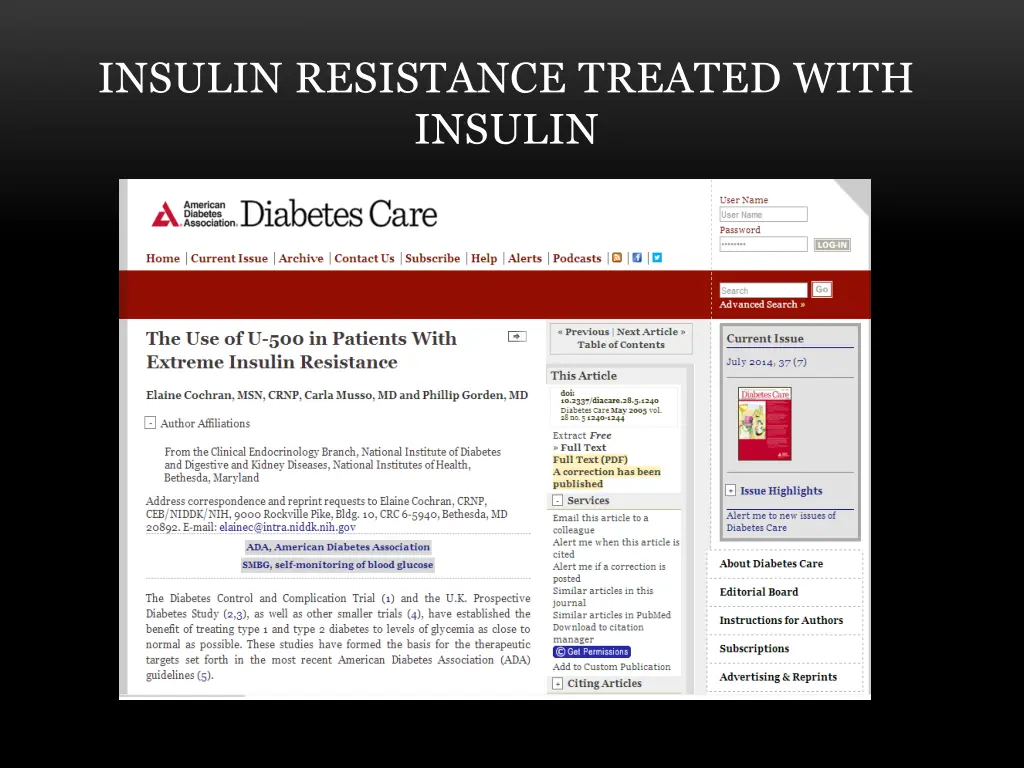
INSULIN RESISTANCE TREATED WITH INSULIN
IN FACT PREGNANT WOMEN WHO SUFFER FROM TYPE 2 DM HAVE TO STOP TAKING ANY HYPOGLYCEMIC AGENTS TERATOGENICITY EFFECTS- AND DEPENDS ONLY ON INSULIN BEFORE THE DISCOVERY OF INSULIN DIABETICS WERE NOT ALLOWED TO GET PREGNANT NOW MOST PREGNANT WOMEN DEPEND ON INSULIN WITH EXCELLENT RESULTS
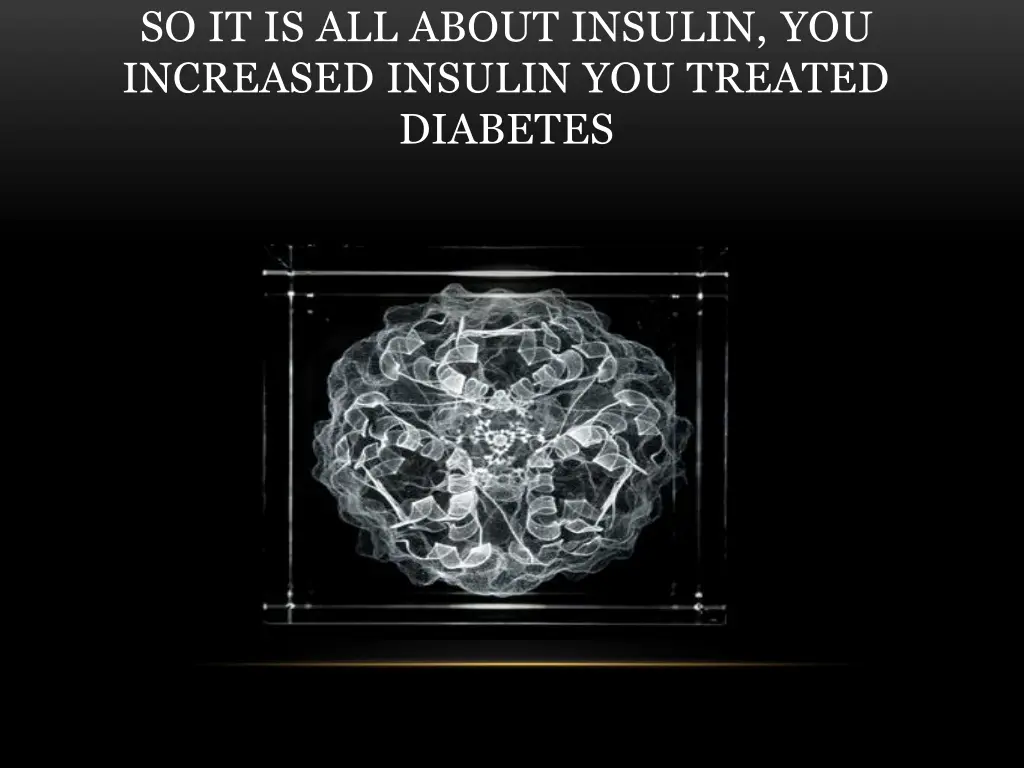
SO IT IS ALL ABOUT INSULIN, YOU INCREASED INSULIN YOU TREATED DIABETES
STEM CELLS TREATMENT INCREASE INSULIN IN DIABETICS WITH 8% SUCCESS
SO WHAT IF WE HAVE A MODALITY THAT COULD STIMULATE INSULIN JUST LIKE THE STEM CELLS. BODY S OWN SYSTEMS ARE STIMULATED TO TREAT BODY S OWN DISEASE.
HISTORY OF LASER PROFESSOR ANDREW MESTER DISCOVERED BENEFITS OF LASER IN 1964 FINDING ENORMOUS HEALING ABILITY OF LASER
Physiological Effects of LASER Note all of the following effects won t happen unless LASER is used correctly. I started to classify the LASER as follows
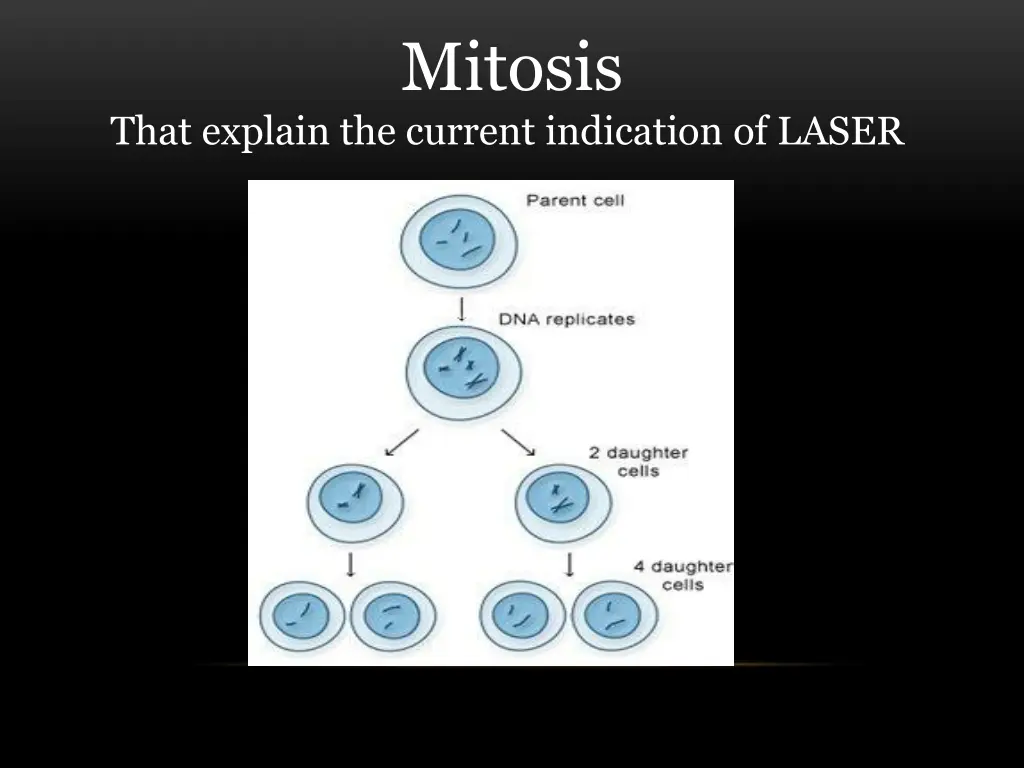
PHYSIOLOGICAL EFFECTS OF LASER LASER IS A LOCAL TREATMENT THAT PRODUCE A LOCAL EFFECT ,ACCORDINGLY THE EFFECT WILL VARY ACCORDING TO THE TREATED AREA Secondary Regional Primary Cellular Avoidable: Unavoidable(it will happens as soon as LASER touches the cells): High variability Highly depend on region, skills of the clinician and purpose of TTT 1. Porphyrins 2. Flavoprotiens Example 3. Catalases Cartilage Chondrocytes 4.Cytochrome c oxidase & Nitric Oxide Bone Osteocytes Hepatocytes Interferon 5.Oxygen Hypothesis Wound BFGF All of these leads to Mitosis and initiate the secondary effects Liver IGF 1 Pancreas INSULIN
Mitosis That explain the current indication of LASER
IDEA What if we used the LASER in a certain procedure to reach the islets of Langerhans stimulating their mitosis and allowing more insulin to be produced to treat the cause of the disease not just the hyperglycemia which is the symptom
CONTROVERSY One of the obstacles faced me during this research was the huge controversy about LASER
DR KENDRIC SMITH (STANFORD UNIVERSITY SCHOOL OF MEDICINE) DISCUSSED THIS CONTROVERSY IN A NUMBER OF PAPERS
BLUE LIGHT IS NOT OF ANY HARM TO DNA , BUT IT IS DESTRUCTIVE FOR BILIRUBIN IN FACT IT IS THE FIRST LINE OF TREATMENT FOR JAUNDICE
WALKER REPORTED THAT LASER OF 633NM IS OF NO EFFECT IN TREATING POST HERPETIC NEURALGIA WHILE MOORE REPORTED THAT RADIATION WITH 830 NM IS THE TREATMENT OF CHOICE FOR THE SAME PAIN. THAT EXPLAINS A LOT.
IN ORDER FOR PHOTO MEDICINE TO BE EFFECTIVE THE FIRST LAW OF PHOTOCHEMISTRY, THE GROTTHUSS-DRAPER LAW SHOULD BE APPLIED, STATES THAT LIGHT MUST BE ABSORBED IN ORDER FOR A PHOTOCHEMICAL REACTION TO TAKE PLACE.
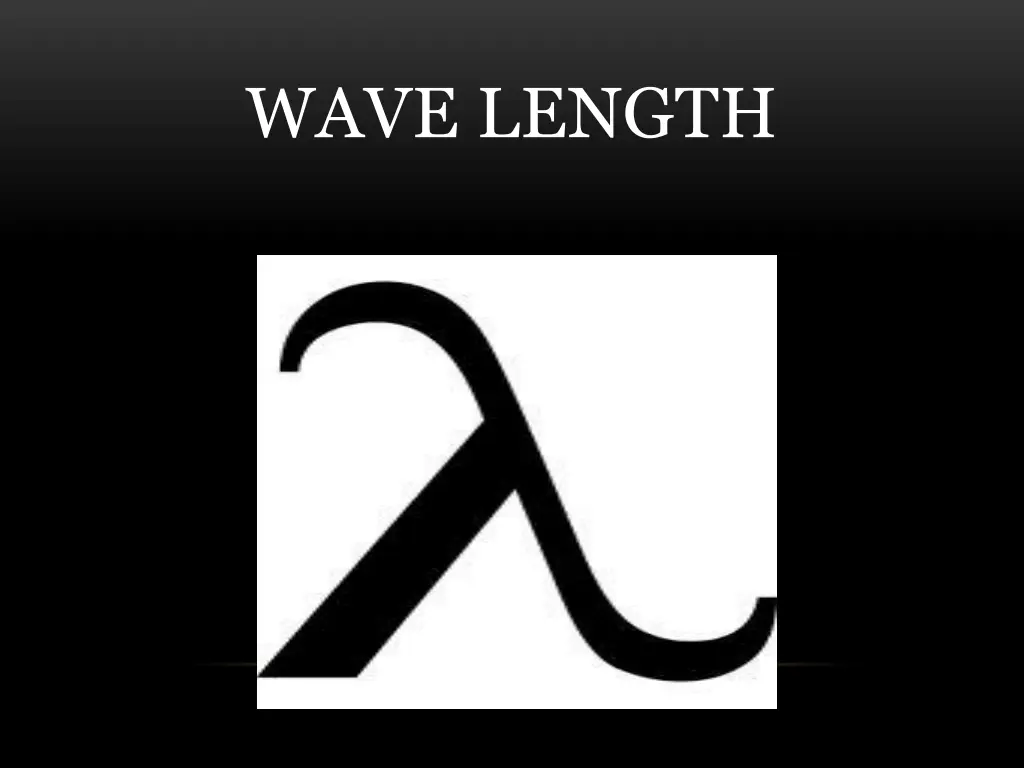
SINCE WAVE LENGTH WAS DIFFERENT IT WASN'T ABSORBED BY THE DIFFERENT TISSUE THIS MEANS THAT EVERY WAVE LENGTH IS ABSORBED BY DIFFERENT TYPE OF TISSUE
THE QUESTION HERE IS WHICH WAVE LENGTH ABSORBED BY WHICH TISSUES SO STIMULATE WHICH ENZYME
I NEEDED HERE TO DEVELOP A CHART BASED ON MY EXPERIMENTS AND OTHER PAPERS PUBLISHED IN THE FIELD OF PHOTO MEDICINE IN THE LAST 10 YEARS, BASED ON THE RESULTS ON HUMAN BEINGS ONLY (NOT JUST ANIMAL SAMPLES).
References Tuby H, Trudler D, Doron-Mandel E, Maltz L, Vassar RJ, Frenkel D, Oron U onathan Stone Kim WT, Bayome M, Park JB, Park JH, Baek SH, Kook YA Gavish L, Rubinstein C, Bulut A, Berlatzky Y, Beeri R, Gilon D, Gavish L, Harlev M, Reissman P, Gertz SD Department of Anatomy and Cell Biology, The Hebrew University, Hadassah Medical School, Jerusalem t Denis TG, Dai T, Izikson L, Astrakas C, Anderson RR, Hamblin MR, Tegos GP. Maisch T. Bornstein E<>, Hermans W<>, Gridley S<>, Manni J<>. Ara jo PV<>, Teixeira KI<>, Lanza LD<>, Cortes ME<>, Poletto LT<> Ye L, Kalichman L, Spittle A, Dobson F, Bennell K. Rubio CR<>, Cremonezzi D<>, Moya M<>, Soriano F<>, Palma J<>, Campana V<> Rubio CR<>, Simes JC<>, Moya M<>, Soriano F<>, Palma JA<>, Campana V<> Jamtvedt G<>, Dahm KT<>, Holm I<>, Flottorp S<>. Castano AP<>, Dai T<>, Yaroslavsky I<>, Cohen R<>, Apruzzese WA<>, Smotrich MH<>, Hamblin MR<>. Wellman Center for Photomedicine, Massachusetts General Hospital, Boston, Massachusetts 02114, USA.
HERE COMES A QUESTION WHICH INTENSITY WILL REACH WHICH DEPTH AND WILL STIMULATE WHICH PROCESS INHIBITORY OR EXCITATORY
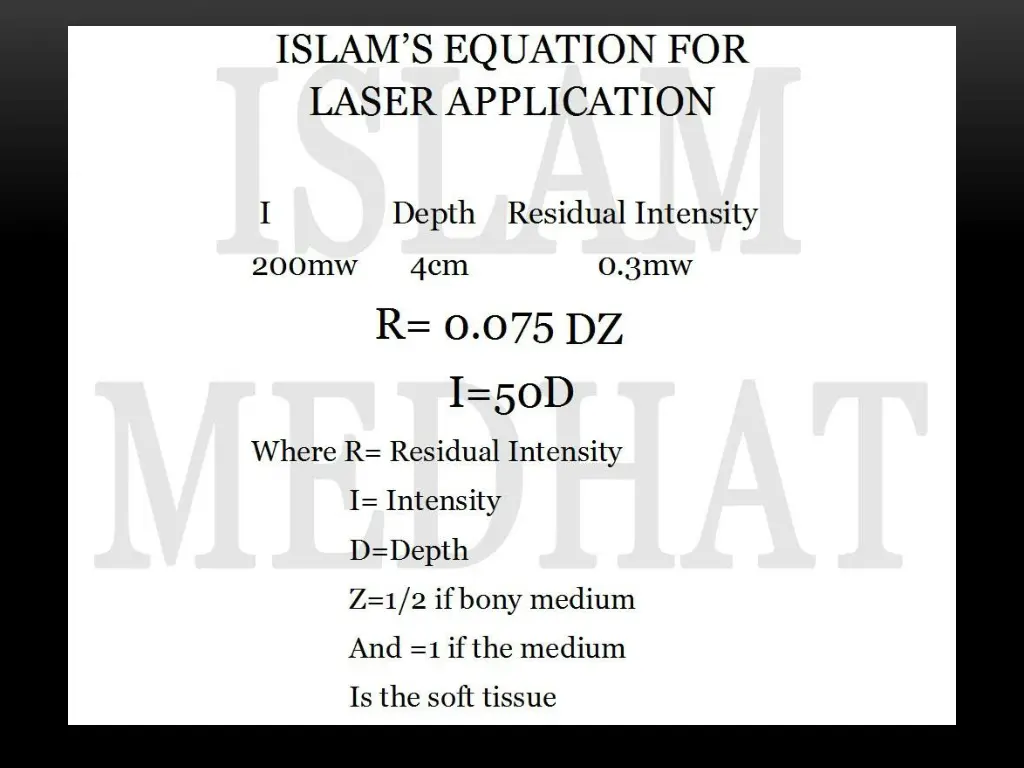
Note George.S , John.M in Australia paper published in WCPT World confederation for physical therapy This equation will have more area for error if the procedure wasn't performed by a person who is able to substitute accurately in the variables of the equation
COMMON NUMBER FOUND IN A NUMBER OF RESEARCH STATES THAT THE RESIDUAL INTENSITY OF 0.3 TO 0.5MW IS OF EXCITATORY EFFECT
THIS EQUATION IS NOT APPLICABLE IF THE MEDIUM SEPARATING YOU FROM THE TARGETED AREA TO BE TREATED IS BOTH BONY AND SOFT TISSUE MEDIUM
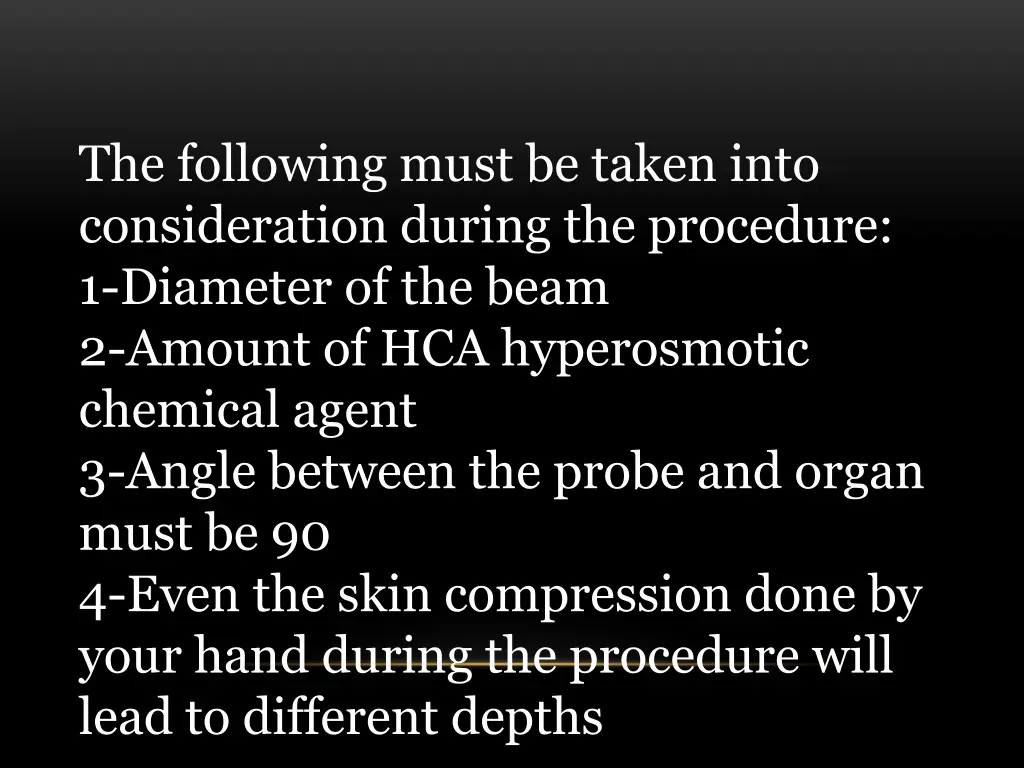
The following must be taken into consideration during the procedure: 1-Diameter of the beam 2-Amount of HCA hyperosmotic chemical agent 3-Angle between the probe and organ must be 90 4-Even the skin compression done by your hand during the procedure will lead to different depths
Starting experiments: A Quantitative study used 50 wistar rats (20 male and 30 females) 635nm LASER used for 15 mins with energy 2.7 Joule Pancreas was located at about 0.05cm (Approximately) after an upper abdominal opening was made after application of lidocain hydrochloride with SC injection in 2 areas for anesthesia (14 samples required slightly higher doses and IM injection) Glucose levels was monitored before and after in both 2 hours post prandial and fasting tests for entire 5 weeks for following up
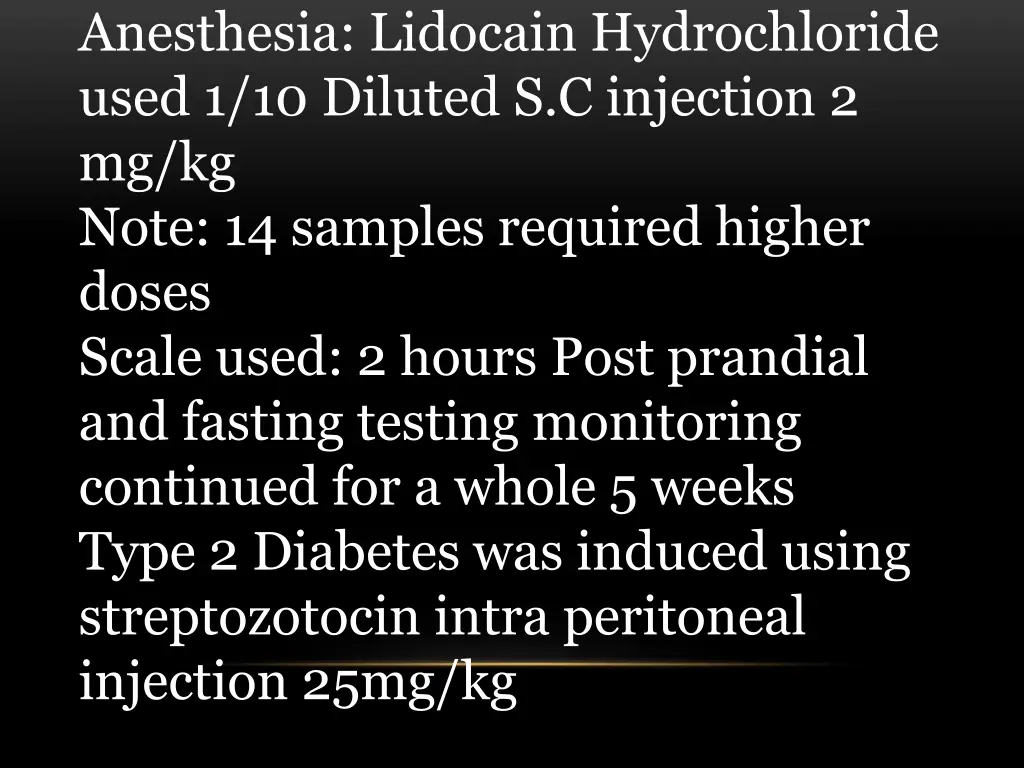
Anesthesia: Lidocain Hydrochloride used 1/10 Diluted S.C injection 2 mg/kg Note: 14 samples required higher doses Scale used: 2 hours Post prandial and fasting testing monitoring continued for a whole 5 weeks Type 2 Diabetes was induced using streptozotocin intra peritoneal injection 25mg/kg
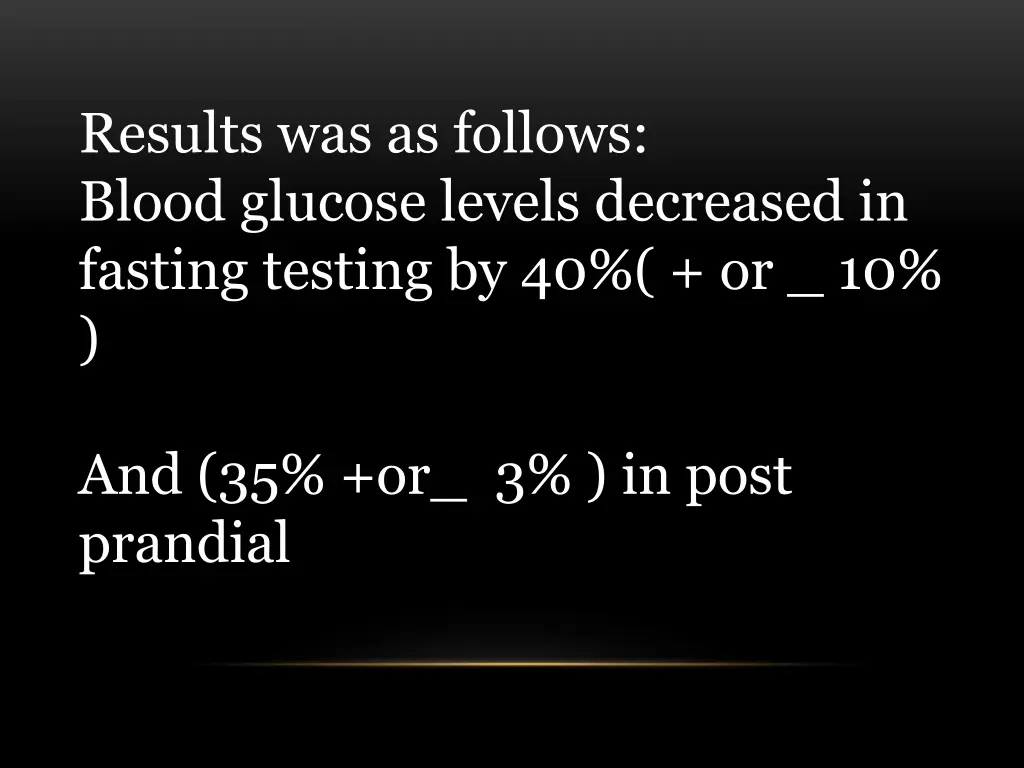
Results was as follows: Blood glucose levels decreased in fasting testing by 40%( + or _ 10% ) And (35% +or_ 3% ) in post prandial