Discover how the Georgia Partnership for TeleHealth is revolutionizing healthcare access for students through School-Based Telemedicine Centers (SBTC). With 63 SBTCs across 16 school districts, students can receive medical care without leaving school, reducing absences and improving disease control. Explore the funding sources, telemedicine billing processes, utilization statistics, and the impact of telehealth services on families and communities.
Please find below an Image/Link to download the presentation.
The content on the website is provided AS IS for your information and personal use only. It may not be sold, licensed, or shared on other websites without obtaining consent from the author. If you encounter any issues during the download, it is possible that the publisher has removed the file from their server.
You are allowed to download the files provided on this website for personal or commercial use, subject to the condition that they are used lawfully. All files are the property of their respective owners.
The content on the website is provided AS IS for your information and personal use only. It may not be sold, licensed, or shared on other websites without obtaining consent from the author.
E N D
Presentation Transcript
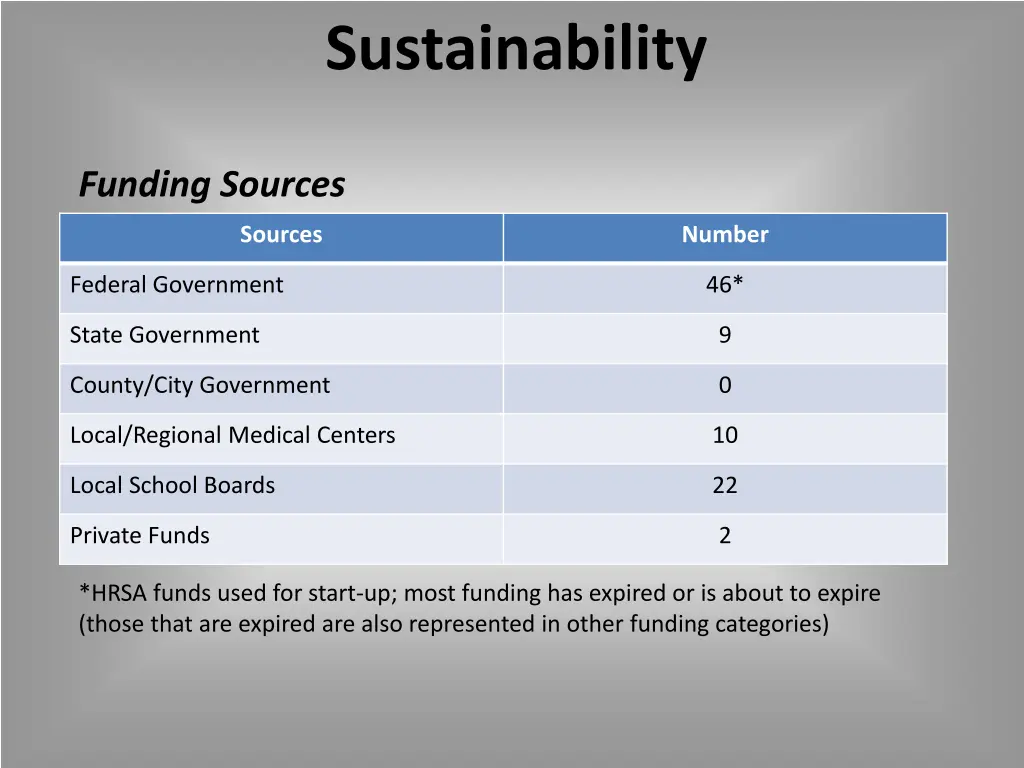
Shea Ross Director of Development and Government Affairs Global Partnership for TeleHealth
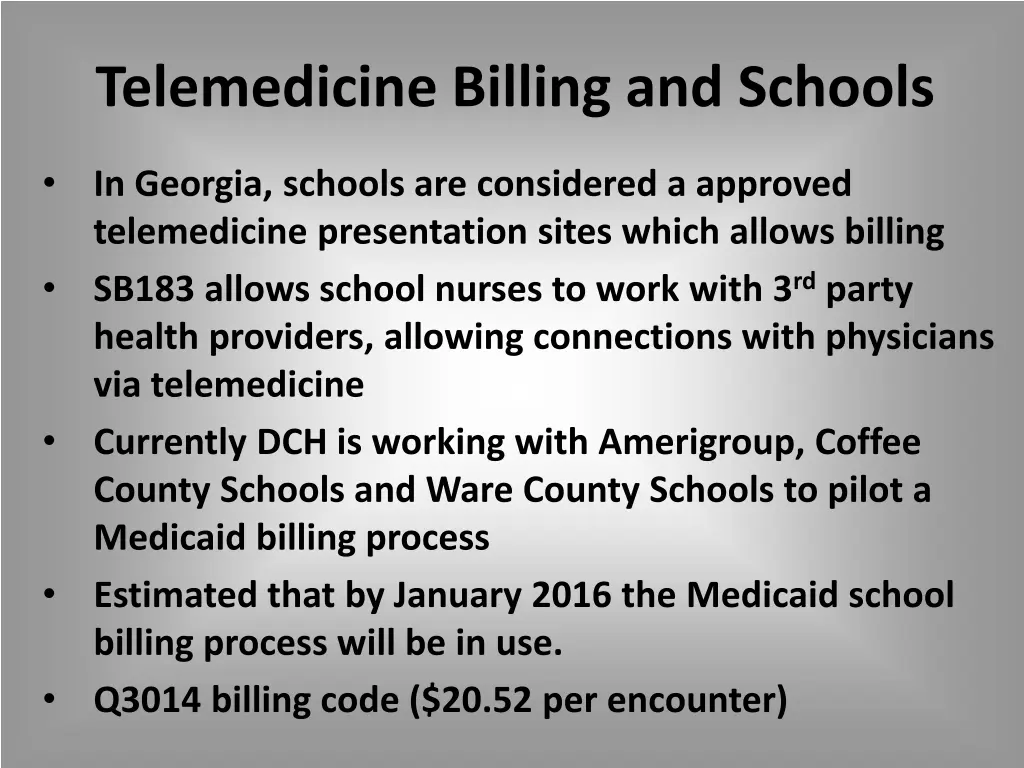
School Based Telemedicine Centers (SBTC) Georgia Partnership for TeleHealth has 63 SBTC in Georgia in 16 school districts Utilizing the school nurse, students can see physicians via telemedicine without leaving their school Cuts down on student absences, better ability to control communicable diseases, less demand on families SBTC s are not free clinics, insurance is billed normally. Cost saving families includes: travel expenses time of work Care for other children This is the potential of School Based telehealth
Sustainability Funding Sources Sources Number Federal Government 46* State Government 9 County/City Government 0 Local/Regional Medical Centers 10 Local School Boards 22 Private Funds 2 *HRSA funds used for start-up; most funding has expired or is about to expire (those that are expired are also represented in other funding categories)
Telemedicine Billing and Schools In Georgia, schools are considered a approved telemedicine presentation sites which allows billing SB183 allows school nurses to work with 3rd party health providers, allowing connections with physicians via telemedicine Currently DCH is working with Amerigroup, Coffee County Schools and Ware County Schools to pilot a Medicaid billing process Estimated that by January 2016 the Medicaid school billing process will be in use. Q3014 billing code ($20.52 per encounter)
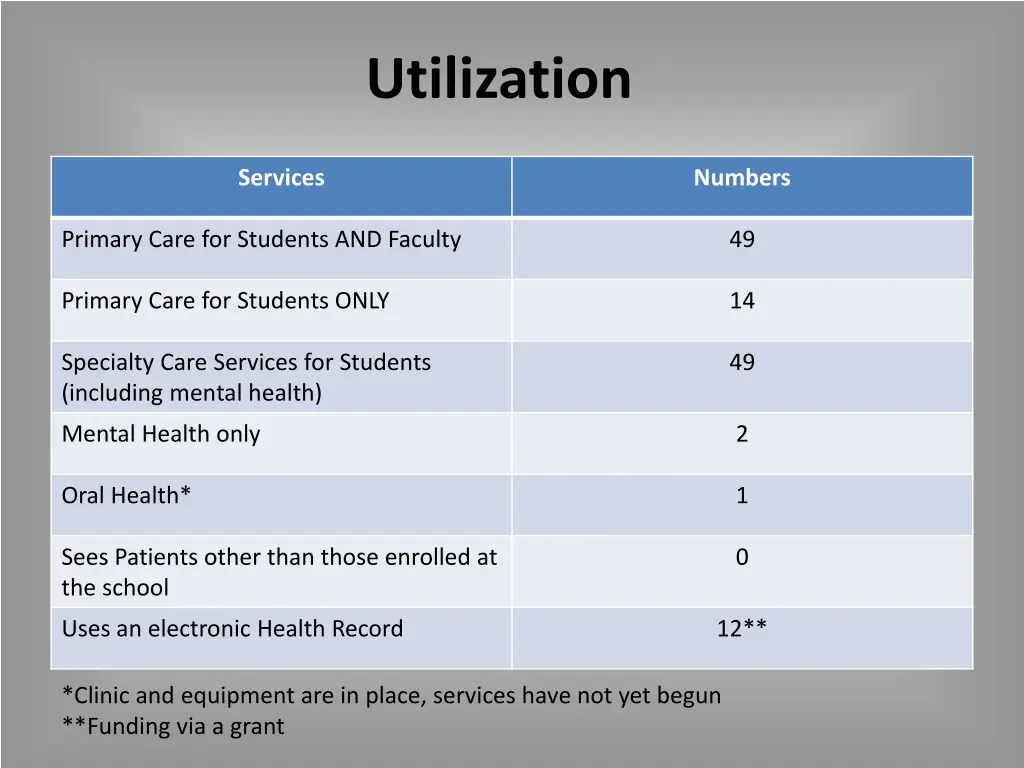
Utilization Services Numbers Primary Care for Students AND Faculty 49 Primary Care for Students ONLY 14 Specialty Care Services for Students (including mental health) 49 Mental Health only 2 Oral Health* 1 Sees Patients other than those enrolled at the school 0 Uses an electronic Health Record 12** *Clinic and equipment are in place, services have not yet begun **Funding via a grant
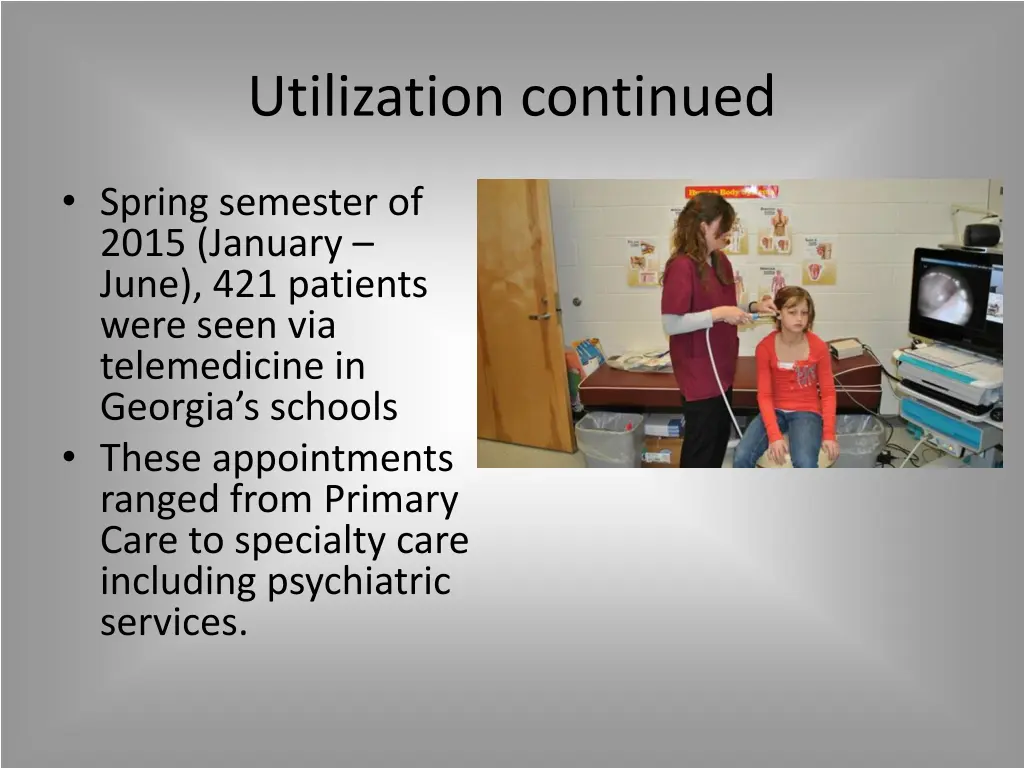
Utilization continued Spring semester of 2015 (January June), 421 patients were seen via telemedicine in Georgia s schools These appointments ranged from Primary Care to specialty care including psychiatric services.
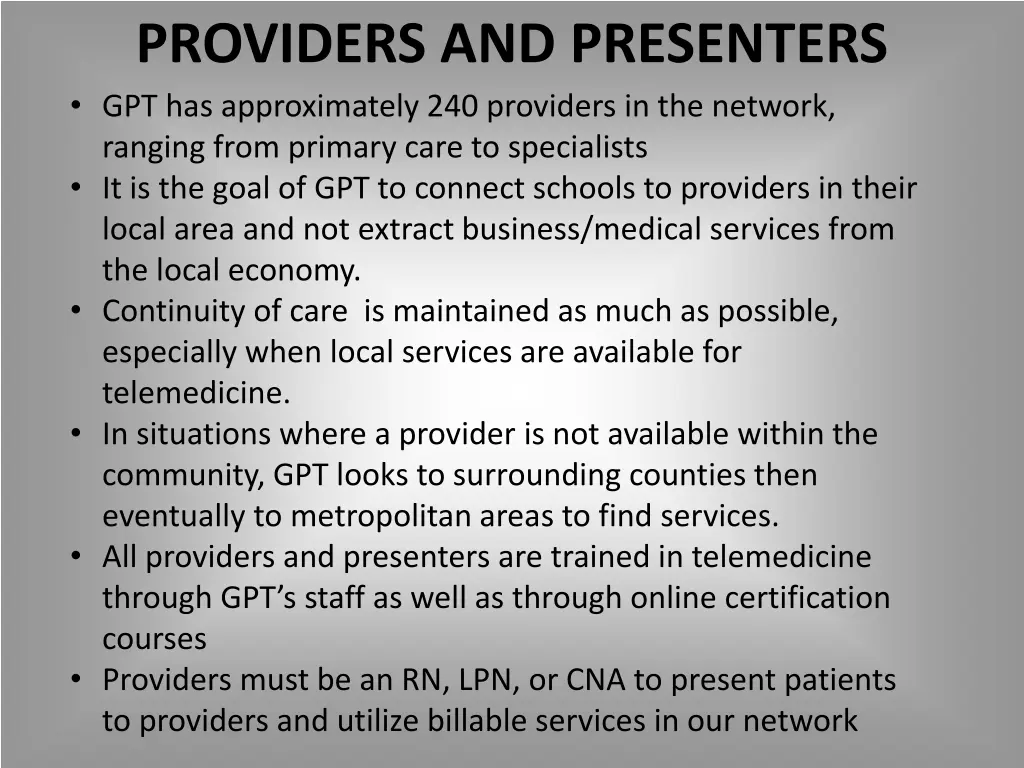
PROVIDERS AND PRESENTERS GPT has approximately 240 providers in the network, ranging from primary care to specialists It is the goal of GPT to connect schools to providers in their local area and not extract business/medical services from the local economy. Continuity of care is maintained as much as possible, especially when local services are available for telemedicine. In situations where a provider is not available within the community, GPT looks to surrounding counties then eventually to metropolitan areas to find services. All providers and presenters are trained in telemedicine through GPT s staff as well as through online certification courses Providers must be an RN, LPN, or CNA to present patients to providers and utilize billable services in our network
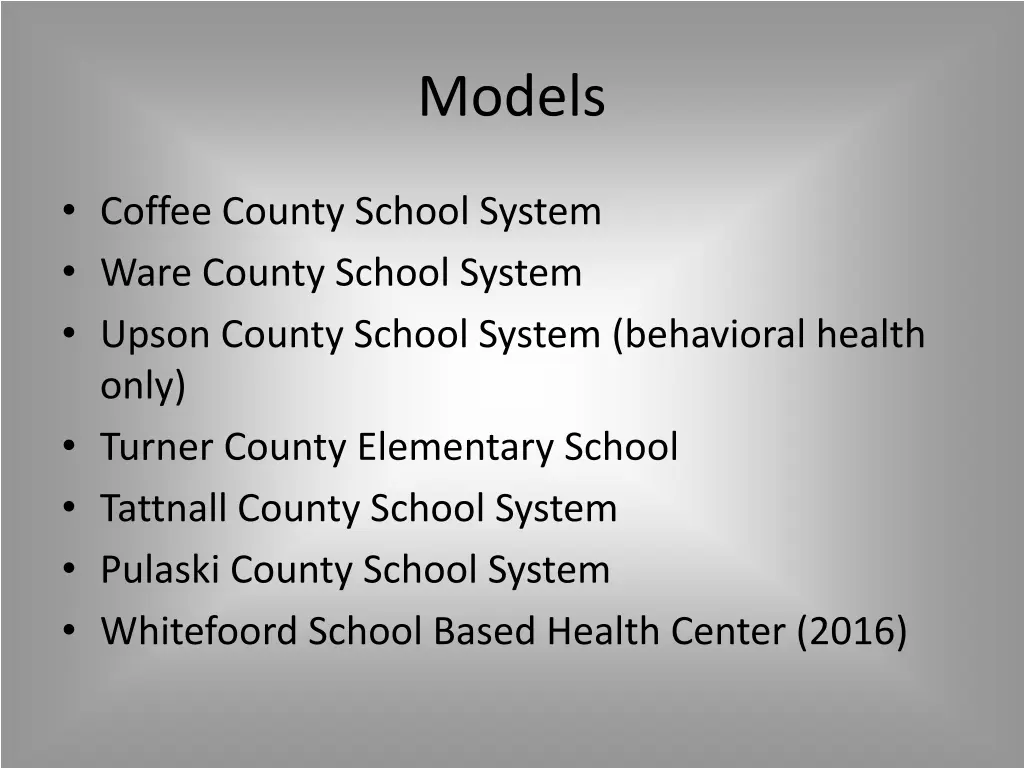
Models Coffee County School System Ware County School System Upson County School System (behavioral health only) Turner County Elementary School Tattnall County School System Pulaski County School System Whitefoord School Based Health Center (2016)