Learn about the differences between nucleic acid and antigen detection systems compared to antibody assays in detecting components of organisms directly. Explore techniques like in situ hybridization and PCR used for viral nucleic acid detection.
Please find below an Image/Link to download the presentation.
The content on the website is provided AS IS for your information and personal use only. It may not be sold, licensed, or shared on other websites without obtaining consent from the author. If you encounter any issues during the download, it is possible that the publisher has removed the file from their server.
You are allowed to download the files provided on this website for personal or commercial use, subject to the condition that they are used lawfully. All files are the property of their respective owners.
The content on the website is provided AS IS for your information and personal use only. It may not be sold, licensed, or shared on other websites without obtaining consent from the author.
E N D
Presentation Transcript
Nucleic acid and antigen detection system are fundamentally different from antibody assays , since they detect a component of the organism it self , rather than serological evidence of its past presence . However , viral genetic material may still be present even in the absence of infection( virus). There are several techniques used to detect viral nucleic acids . Among these; (1) in situ hybridization 2) the polymerase chain reaction ( PCR) .
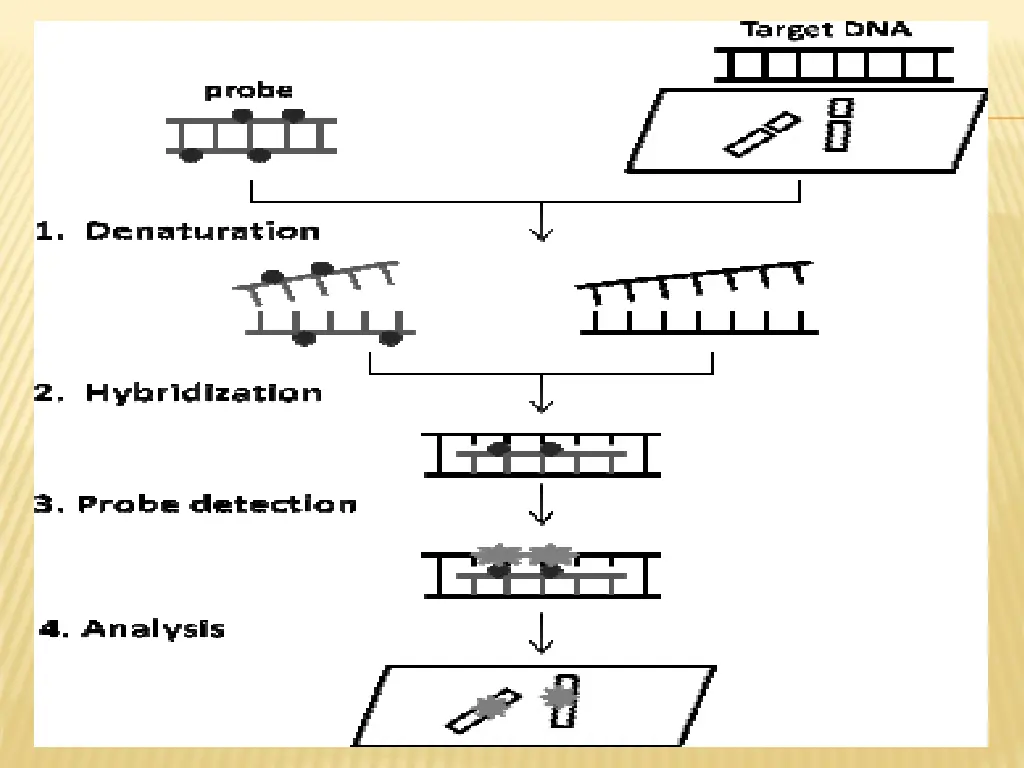
. Hybridization Hybridization uses a labeled probe nucleic acid with the bases of the sequence complementary to that of the ( target ) nucleic acid to be detected , if it is present . in situ hybridization provides information on the infected -cell type and on the intra cellular localization of M.O.as well as quantitation of viral NA present . in situ hybridization 1..detect latent or inactive virus 2..comparable immunological detection system. sensitivity to
In situ hybridization also referred to hybridization histochemistry * * was introduced in 1969 1969. In situ hybridization makes use of the high specificity of complementary nucleic acid binding: ( (1 1) ) to identify infectious agents in tissue sections to identify infectious agents in tissue sections ( (2 2) ) to localize gene expression in individual cells to localize gene expression in individual cells ( (3 3) ) to detect specific DNA sequences in the genome of cells . to detect specific DNA sequences in the genome of cells . Briefly , the method involves deproteinization deproteinization of fixed tissue sections mounted on slides , permeabilization permeabilization and hybridization nucleic acid sequence with a DNA or RNA probe , and detection of the hybridization probe to permit microscopic examination . The most widely used technique entails labeling the probe with biotin . The hybridization probe is then detected by addition of enzyme conjugated streptavidin followed by a suitable enzyme substrate , which produces a colored end product visible by light microscopy . hybridization histochemistry hybridization of the target
Developments of the PCR Developments of the PCR have lead to an increase in the range of molecular marker techniques . PCR was the first amplification based system to be developed , and was developed by Dr. Kary mullis in 1985 while working for the Cetus Corporation in California . It has revolutionized the way molecular biology is being carried out . The 1993 Nobel prize for chemistry was awarded to Dr. Mullis for inventing PCR . PCR can be defined as in vitro method that uses DNA polymerase and primers to amplify specific DNA segments from complex mixture. This process takes its name its name from DNA polymerase , enzyme that carries out DNA replication in a cell . This process is a chain reaction because DNA polymerase is allowed to carry out replication over and over again until there are million or more copies of the target DNA .
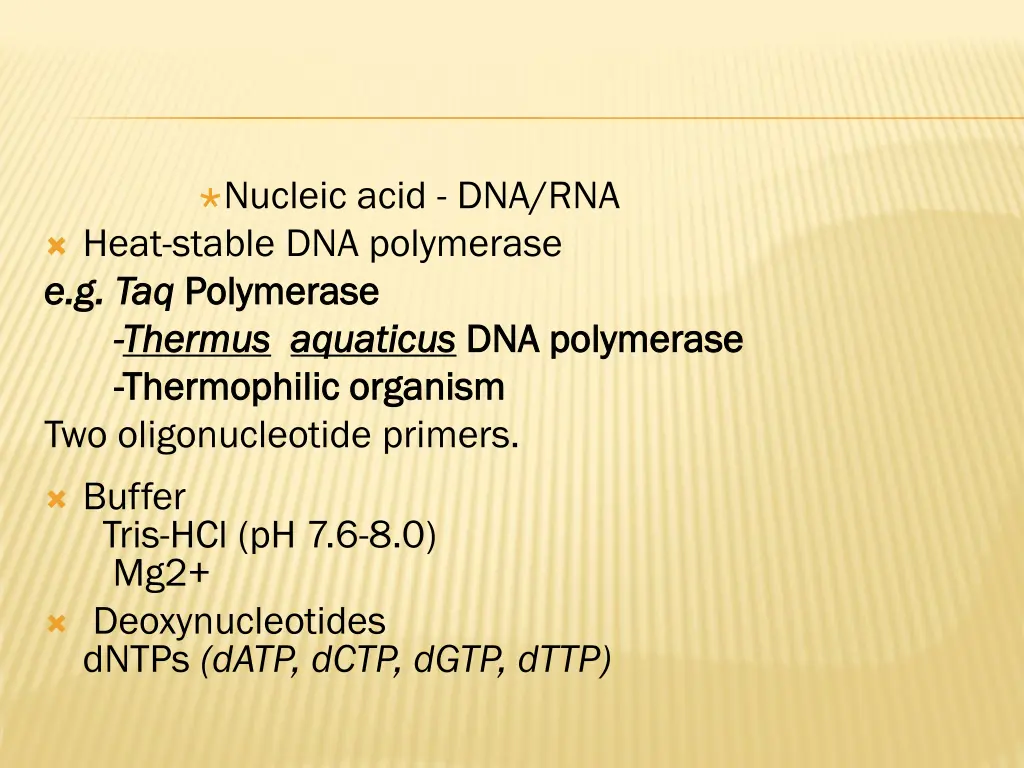
1 1.. ..DNA DNA template template 2 2.. ..Primers Primers 3 3.. ..Taq Taq DNA DNA polymerase 4 4.. ..Deoxynucleoside Deoxynucleoside Triphosphates 5 5.. ..PCR PCR buffers buffers These components therefore simple cycling of the temperature within the reaction tubes carries out the amplification reaction . polymerase Triphosphates ( ( dNTPs dNTPs ) ) could all be assembled and
Nucleic acid - DNA/RNA Heat-stable DNA polymerase e.g. Taq e.g. Taq Polymerase Polymerase - -Thermus Thermus aquaticus aquaticus DNA polymerase - -Thermophilic organism Thermophilic organism Two oligonucleotide primers. DNA polymerase Buffer Tris-HCl (pH 7.6-8.0) Mg2+ Deoxynucleotides dNTPs (dATP, dCTP, dGTP, dTTP)
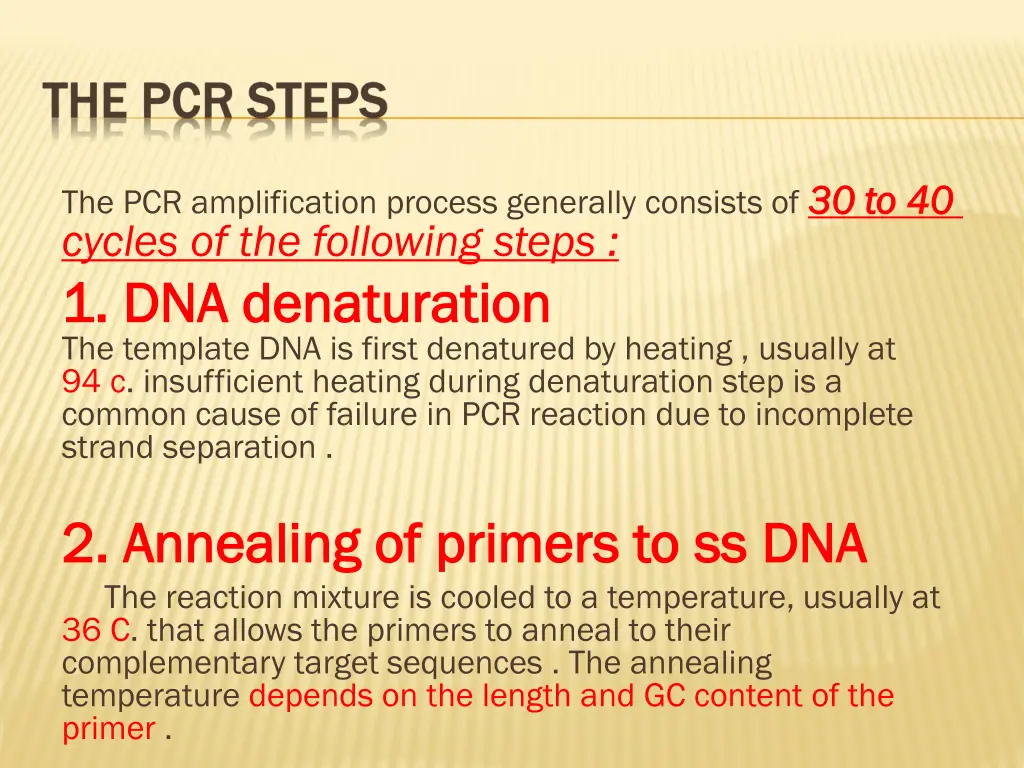
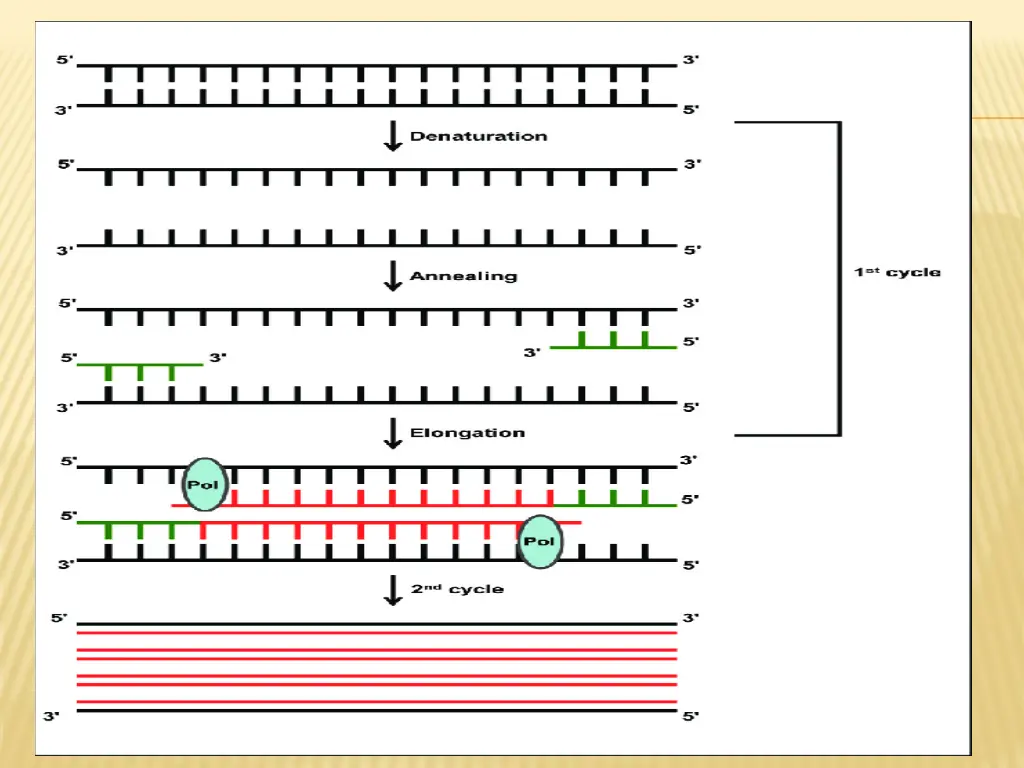
The PCR amplification process generally consists of 30 cycles of the following steps : 1 1. . DNA DNA denaturation denaturation The template DNA is first denatured by heating , usually at 94 c. insufficient heating during denaturation step is a common cause of failure in PCR reaction due to incomplete strand separation . 30 to to 40 40 2 2. . Annealing of primers to Annealing of primers to ss The reaction mixture is cooled to a temperature, usually at 36 C. that allows the primers to anneal to their complementary target sequences . The annealing temperature depends on the length and GC content of the primer . ss DNA DNA
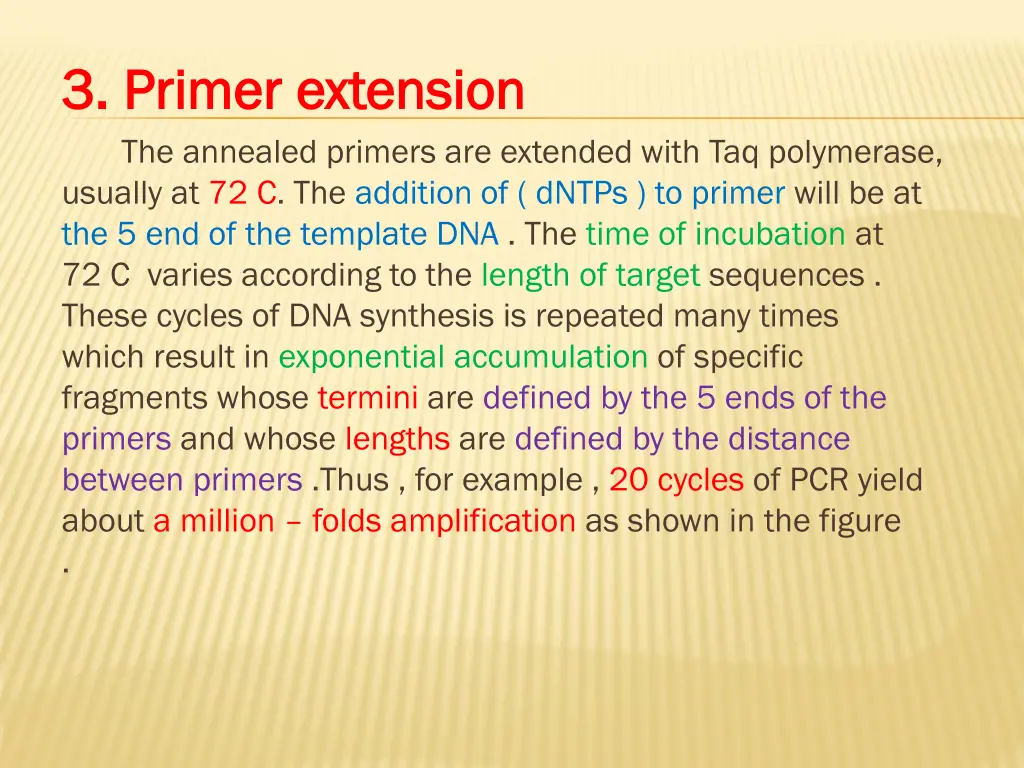
3 3. . Primer extension Primer extension The annealed primers are extended with Taq polymerase, usually at 72 C. The addition of ( dNTPs ) to primer will be at the 5 end of the template DNA . The time of incubation at 72 C varies according to the length of target sequences . These cycles of DNA synthesis is repeated many times which result in exponential accumulation of specific fragments whose termini are defined by the 5 ends of the primers and whose lengths are defined by the distance between primers .Thus , for example , 20 cycles of PCR yield about a million folds amplification as shown in the figure .
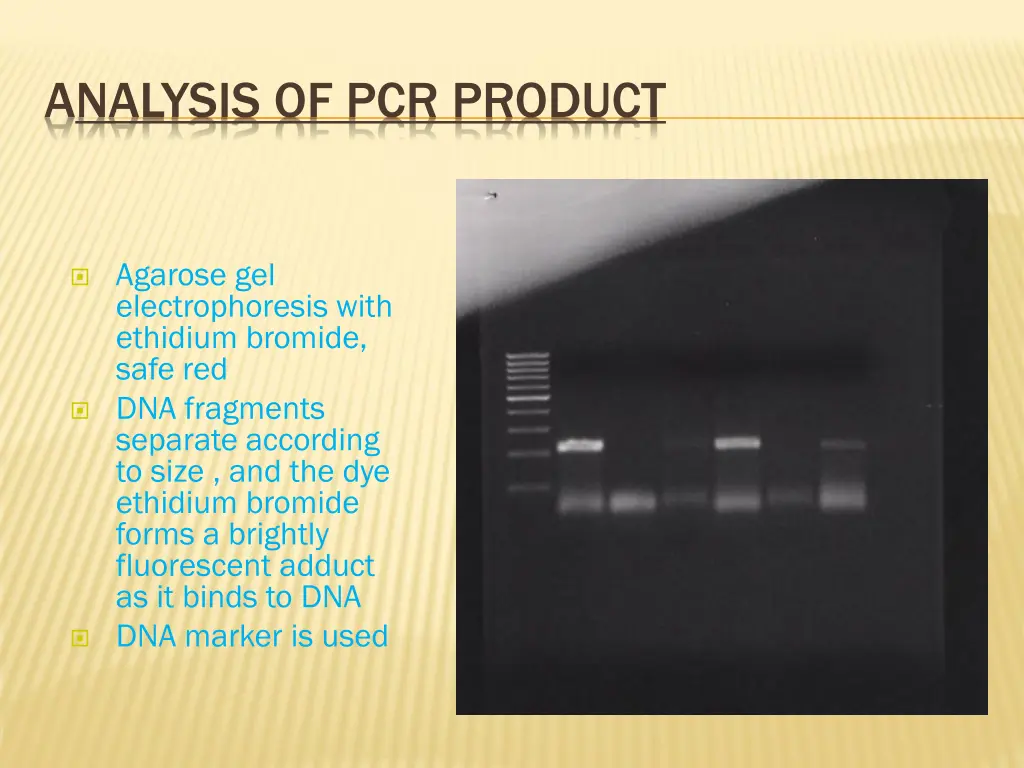
ANALYSIS OF PCR PRODUCT Agarose gel electrophoresis with ethidium bromide, safe red DNA fragments separate according to size , and the dye ethidium bromide forms a brightly fluorescent adduct as it binds to DNA DNA marker is used
PCR has the capacity to amplify a target sequence from crude DNA preparations as from degraded DNA template . In addition, it has many other advantages; such as : 1. Simplicity : A single reaction mixture contains all of the reagent necessary for amplification. 2. Specificity : Can be adjusted to the level required by he choice of primers . 3. Speed : rapid cycler allows amplification in few hours . 4. Sensitivity : Can approach single DNA molecule detection . 5. Cost : May be kept low by conduction the PCR in small volume . The financial costs of PCR based assays for detection of occult tumor cells vary from s 300 to s 450 per sample tested , depending on which detection methods ( Agarose gel vs. southern blot hybridization ) is used .
APPLICATIONS o PCR in research and medical laboratories: o Gene expression assays o Pharmacogenomics o Human Leukocyte Antigen (HLA) genotyping o Determine the viral load in clinical specimens (HIV, Hepatitis) o Bacterial Identification. Assays o DNA quantification
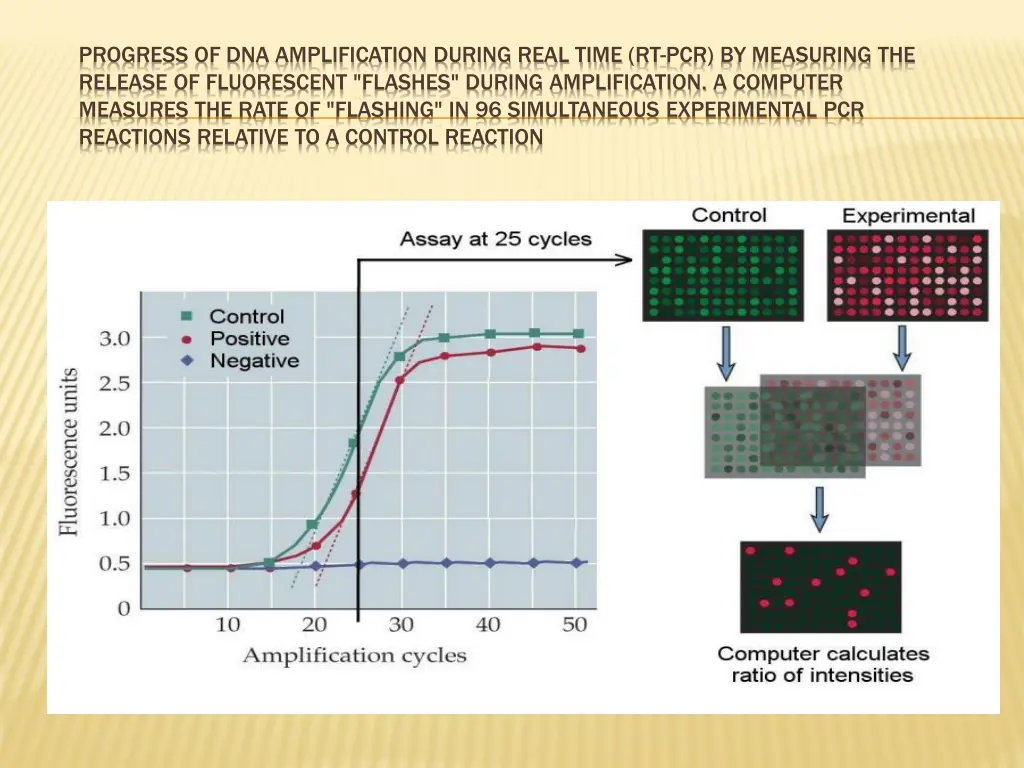
Quantitative Real-Time PCR (qRT-PCR) Method use fluorescent dyes, such as Sybr Green, or fluorescence- containing DNA probes, such as TaqMan, to measure the amount of amplified product as the amplification progresses.
PROGRESS OF DNA AMPLIFICATION DURING REAL TIME (RT-PCR) BY MEASURING THE RELEASE OF FLUORESCENT "FLASHES" DURING AMPLIFICATION. A COMPUTER MEASURES THE RATE OF "FLASHING" IN 96 SIMULTANEOUS EXPERIMENTAL PCR REACTIONS RELATIVE TO A CONTROL REACTION
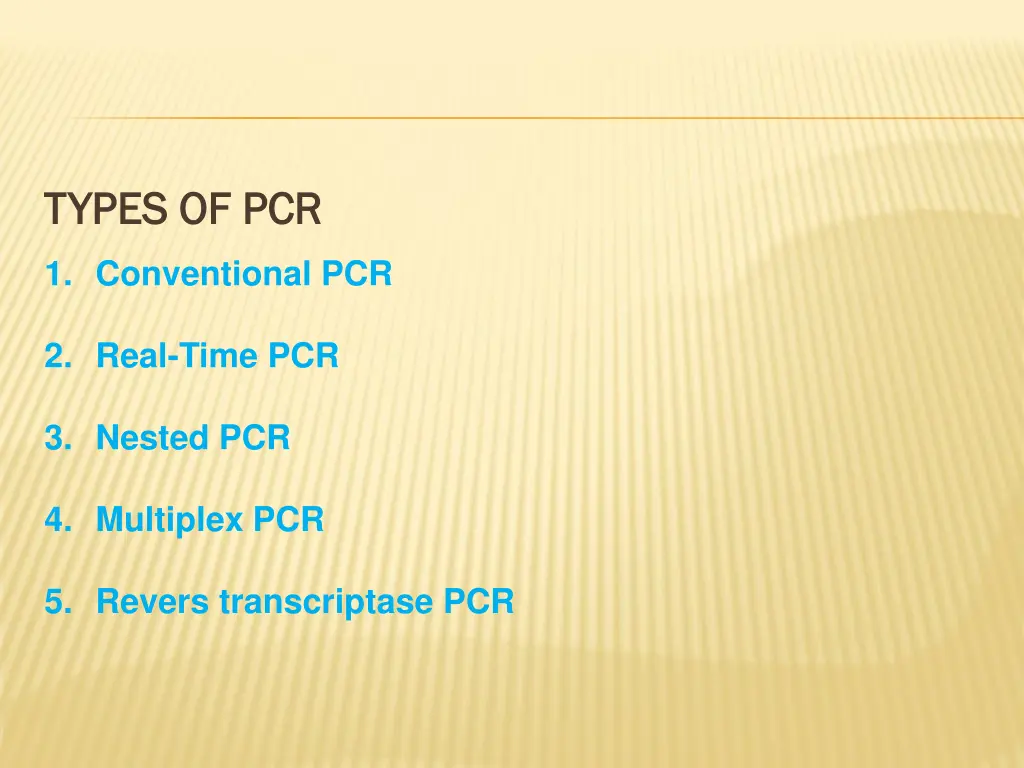
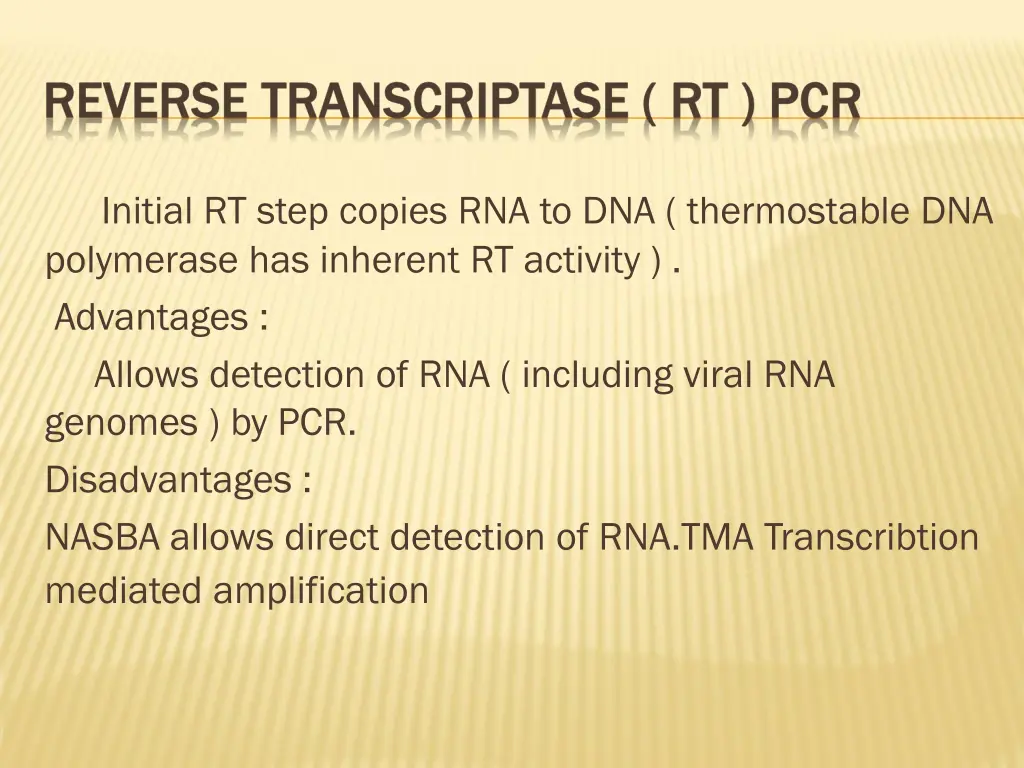
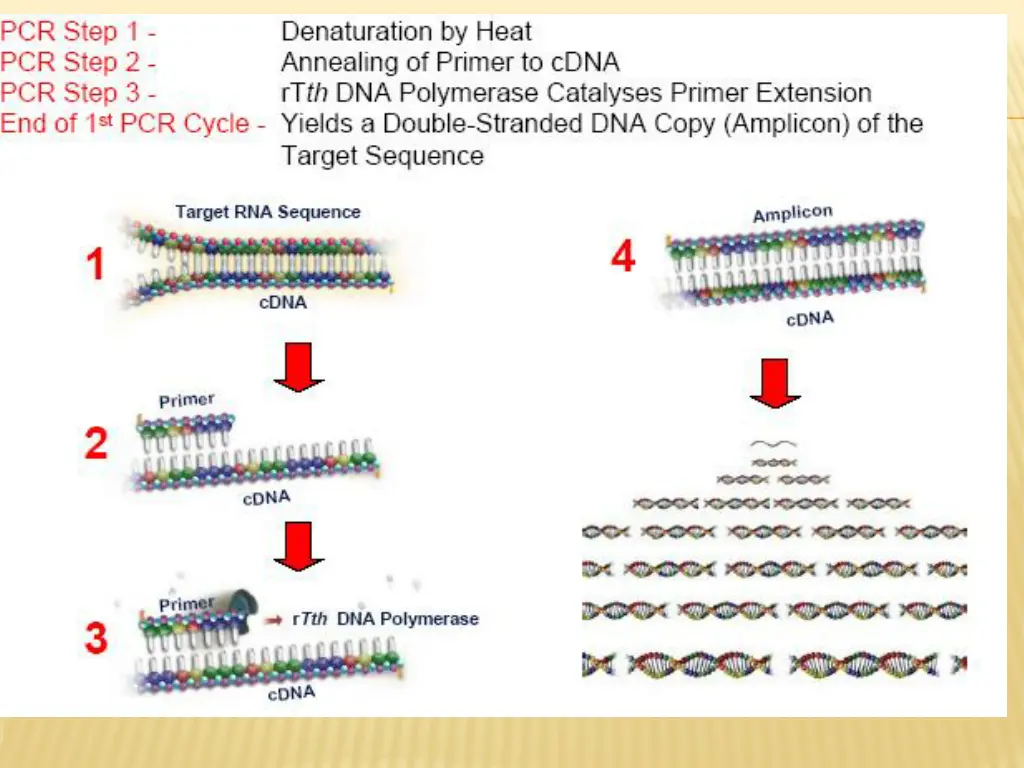
Initial RT step copies RNA to DNA ( thermostable DNA polymerase has inherent RT activity ) . Advantages : Allows detection of RNA ( including viral RNA genomes ) by PCR. Disadvantages : NASBA allows direct detection of RNA.TMA Transcribtion mediated amplification
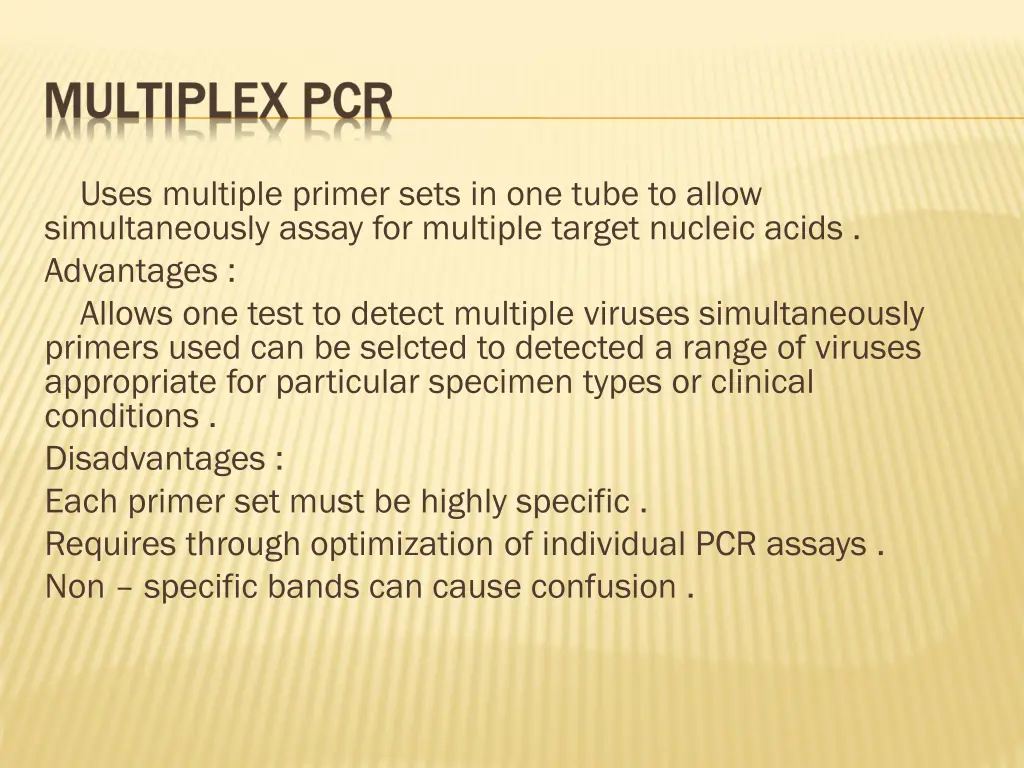
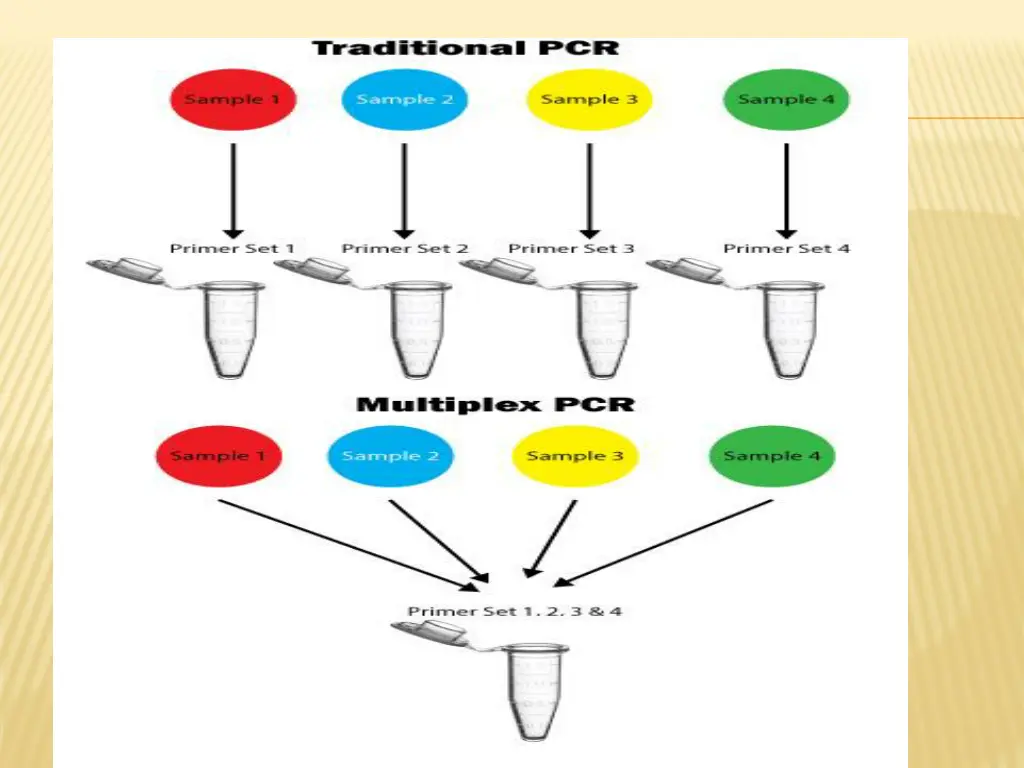
Uses multiple primer sets in one tube to allow simultaneously assay for multiple target nucleic acids . Advantages : Allows one test to detect multiple viruses simultaneously primers used can be selcted to detected a range of viruses appropriate for particular specimen types or clinical conditions . Disadvantages : Each primer set must be highly specific . Requires through optimization of individual PCR assays . Non specific bands can cause confusion .
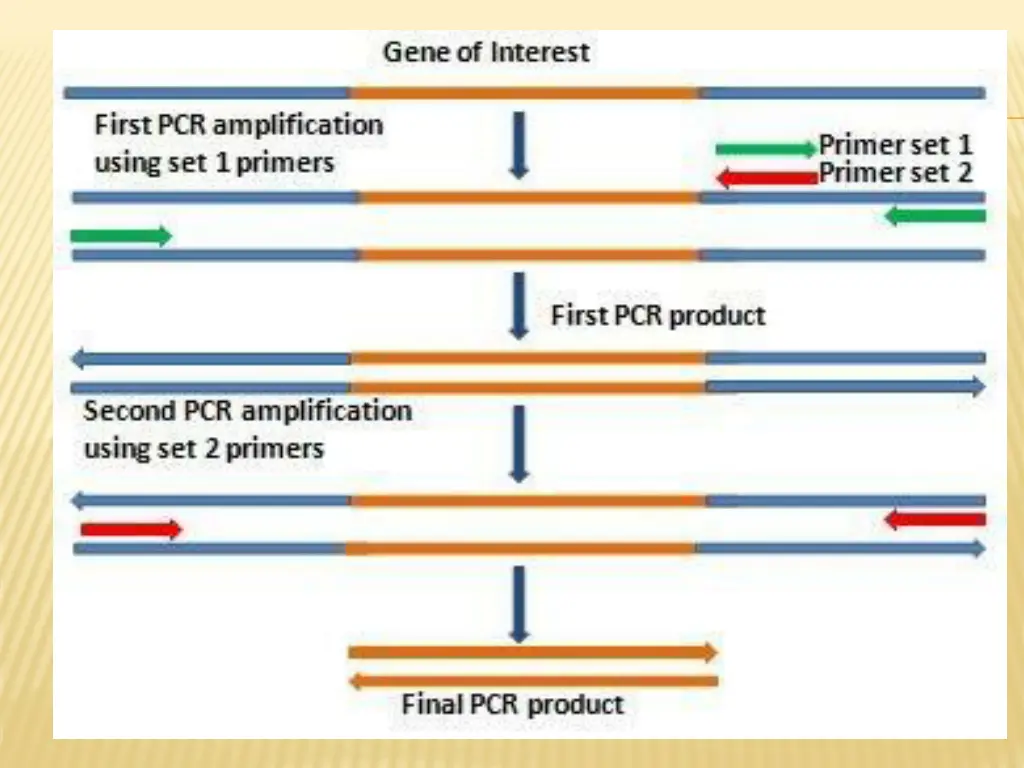
Product of first PCR is used as a template for a second PCR prior to detection . Advantages : Added sensitivity from double PCR . Added specificity from second primer binding stage . Disadvantages : Increased contamination from aerosols generated during second stage PCR setup ( uracil N glycosylase cannot be used at this stage since PCR product is being assayed for ) Increased cost.