Nutritional Requirements for Mammalian Cell Cultivation
Explore the nutritional requirements essential for culturing mammalian cells, including amino acids, monosaccharides, vitamins, inorganic ions, and hormones. Understanding these requirements is crucial for successful virus cultivation and tissue culture systems.

Download Presentation

Please find below an Image/Link to download the presentation.
The content on the website is provided AS IS for your information and personal use only. It may not be sold, licensed, or shared on other websites without obtaining consent from the author. If you encounter any issues during the download, it is possible that the publisher has removed the file from their server.
You are allowed to download the files provided on this website for personal or commercial use, subject to the condition that they are used lawfully. All files are the property of their respective owners.
The content on the website is provided AS IS for your information and personal use only. It may not be sold, licensed, or shared on other websites without obtaining consent from the author.
E N D
Presentation Transcript
Preparation of Media for Virus Cultivation
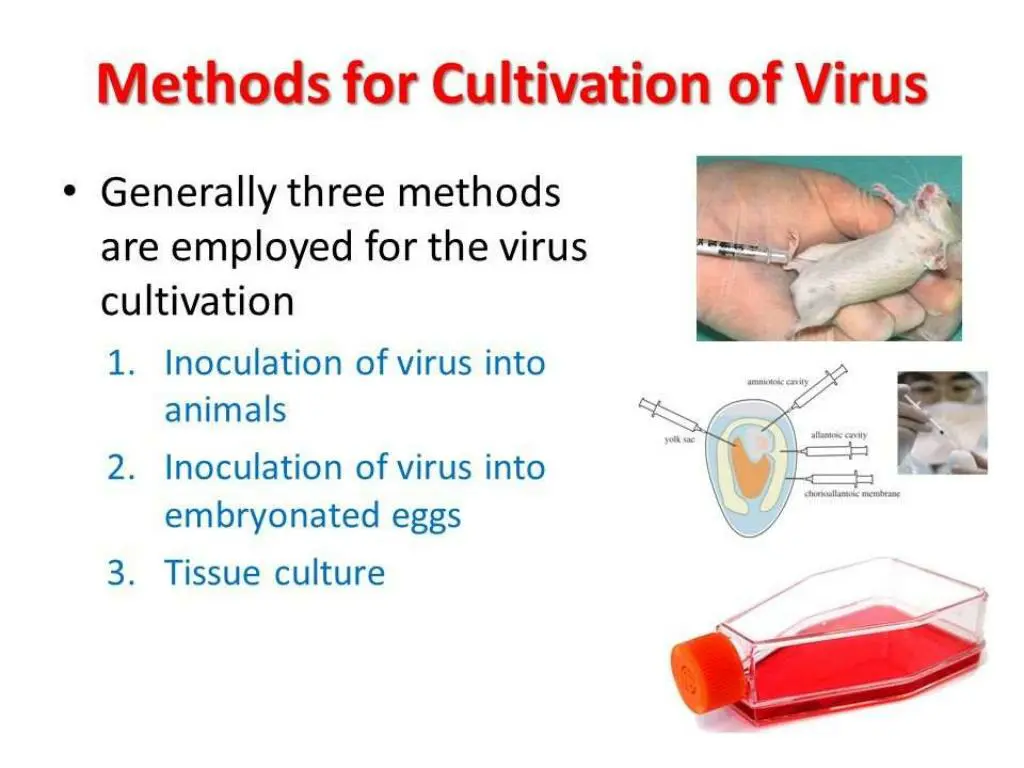
Cultivation of Virus in Tissue culture system Cell culture is the process by which cells are grown under controlled conditions. Cells are grown in vitro on glass or a treated plastic surface in a suitable growth medium On incubation the cell divide and spread out on the glass surface to form a confluent monolayer.
Nutritional Requirement of mammalian cells
Basic Requirement 1. Amino acid Amino acid is the raw material for the cell to synthesize protein. All the cells need twelve essential amino-acids arginine, cystine, isoleucine, leucine, lysine, methionine, phenylalanine, threonine, tryptophan, histidine, tyrosine and valine, which are L-amino acids. The nitrogen contained in glutamine is not only the source of purine and pyrimidine of nucleic acid,
2. Monosaccharide Cultured cells use aerobic glycolysis and anaerobic glycolysis of hexose as main energysource. In addition, hexose is used for the synthesis of some amino acid, fat and nucleic acid.
3. Vitamin Vitamins mainly act as coenzymes or prothetic groups in cell metabolism processes. Biotin, folate, nicotinamide, pantothenic acid, pyridoxine, riboflavin, thiamine and vitamin B12 are common component in culture medium.
4. Inorganic ion and trace element Besides some basic elements (including sodium, potassium, calcium, magnesium, nitrogen and phosphorus) cell growth needs some trace elements, such as molybdenum, vanadium, iron, zinc and selenium, copper, manganese.
5. Somatomedin and hormones Cells grown in vivo are always regulated by somatomedin and hormones. Very (differentiated or undifferentiated). Some hormones have promoting growth effects on different cell typs. important to maintain cell function and status Some hormones are cell-type specific, as hydrocortisone that can promote the growth of epidermal cells and prolaction that induces the proliferation of mammary epithelial cell.
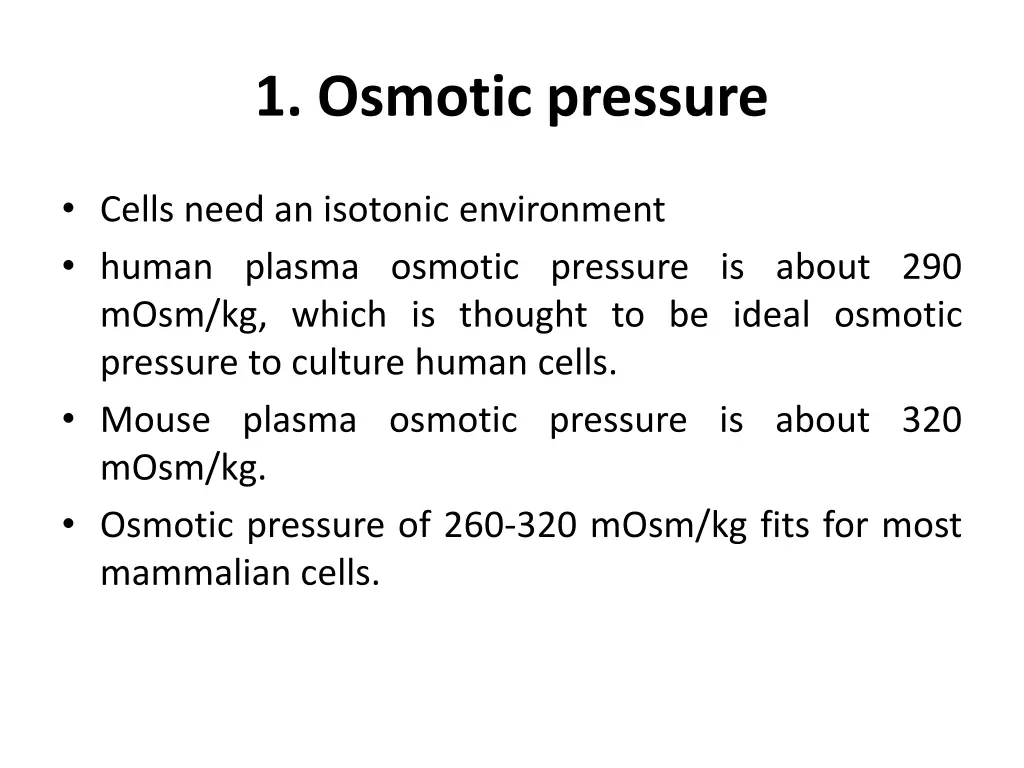
1. Osmotic pressure Cells need an isotonic environment human plasma osmotic pressure is about 290 mOsm/kg, which is thought to be ideal osmotic pressure to culture human cells. Mouse plasma osmotic pressure is about 320 mOsm/kg. Osmotic pressure of 260-320 mOsm/kg fits for most mammalian cells.
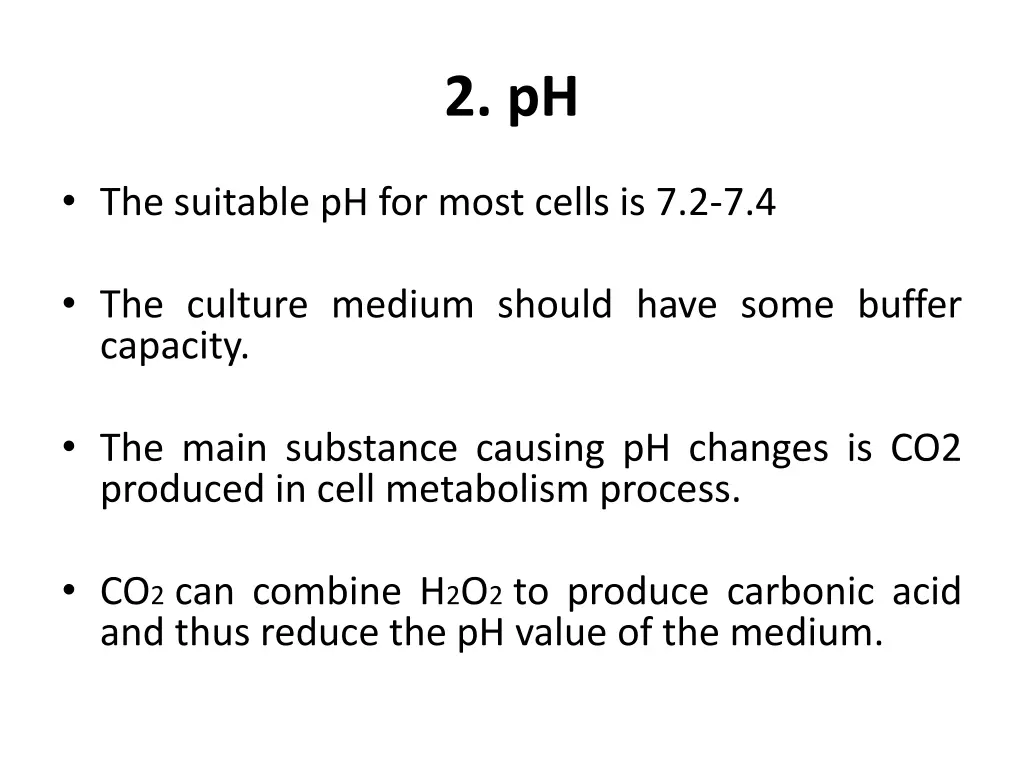
2. pH The suitable pH for most cells is 7.2-7.4 The culture medium should have some buffer capacity. The main substance causing pH changes is CO2 produced in cell metabolism process. CO2 can combine H2O2 to produce carbonic acid and thus reduce the pH value of the medium.
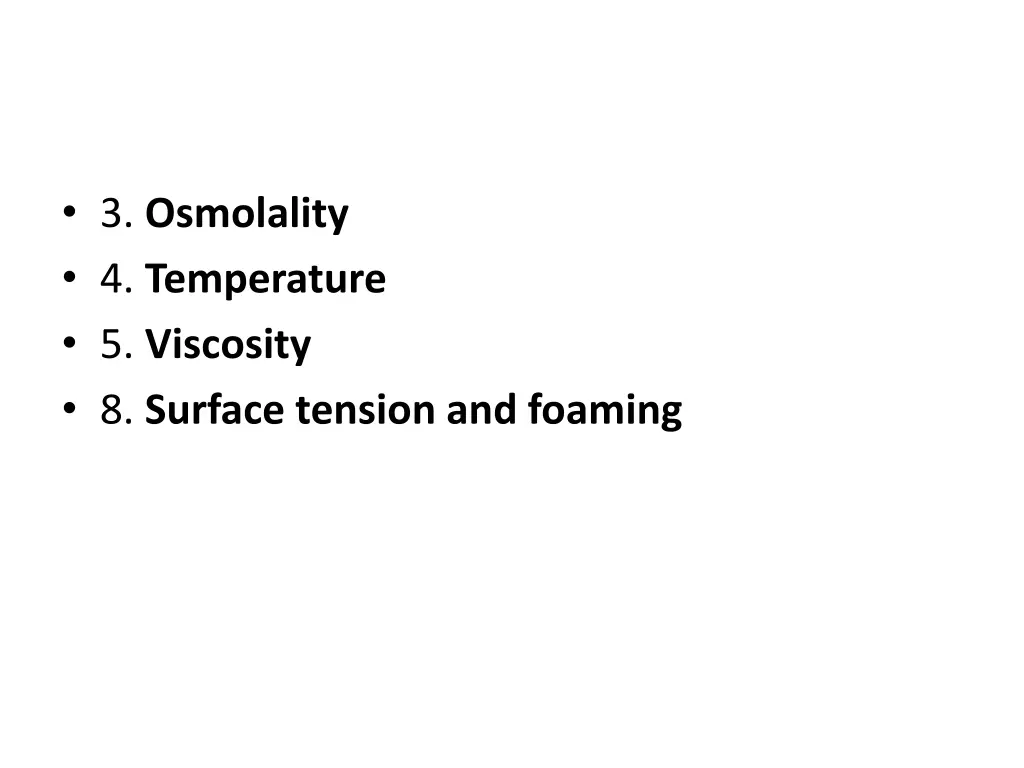
3. Osmolality 4. Temperature 5. Viscosity 8. Surface tension and foaming
Growth medium for the in vitro cultivation of Cells A growth medium or culture medium is a liquid or gel designed to support the growth of microorganisms, cells, or small plants. Cell culture media generally comprise an appropriate source of energy and compounds which regulate the cell cycle. A typical culture medium is composed of a complement of amino acids, vitamins, inorganic salts, glucose, and serum as a source of growth factors, hormones, and attachment factors. In addition to nutrients, the medium also helps maintain pH and osmolality.
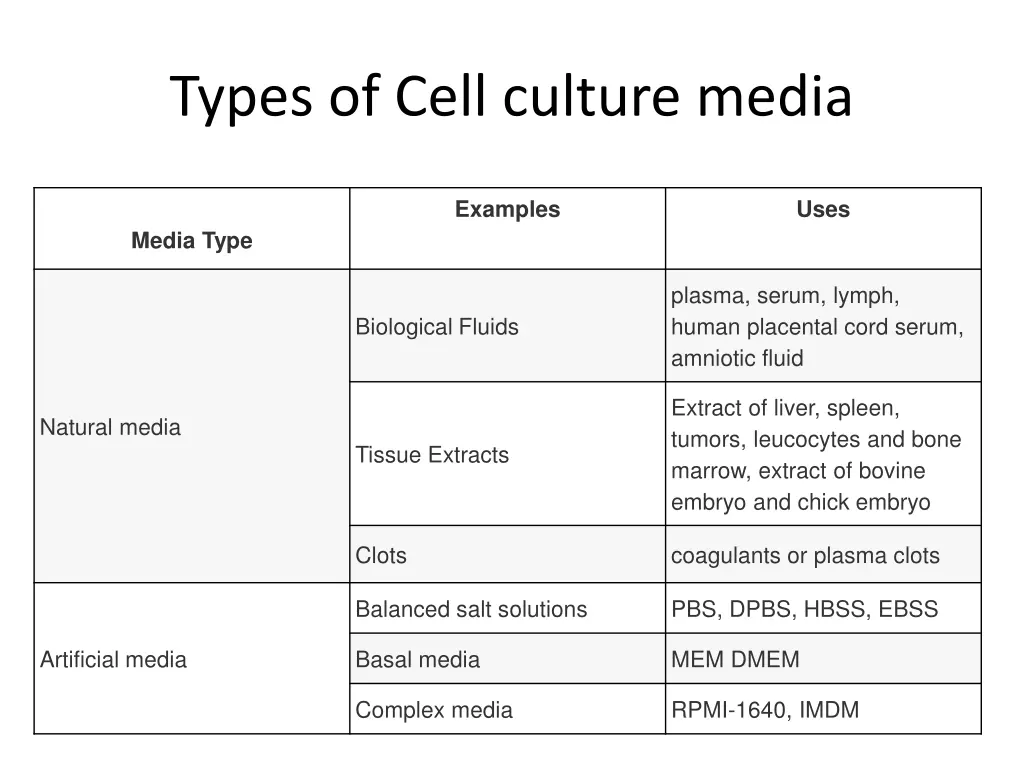
Types of Cell culture media Examples Uses Media Type plasma, serum, lymph, human placental cord serum, amniotic fluid Biological Fluids Extract of liver, spleen, tumors, leucocytes and bone marrow, extract of bovine embryo and chick embryo Natural media Tissue Extracts Clots coagulants or plasma clots Balanced salt solutions PBS, DPBS, HBSS, EBSS Artificial media Basal media MEM DMEM Complex media RPMI-1640, IMDM
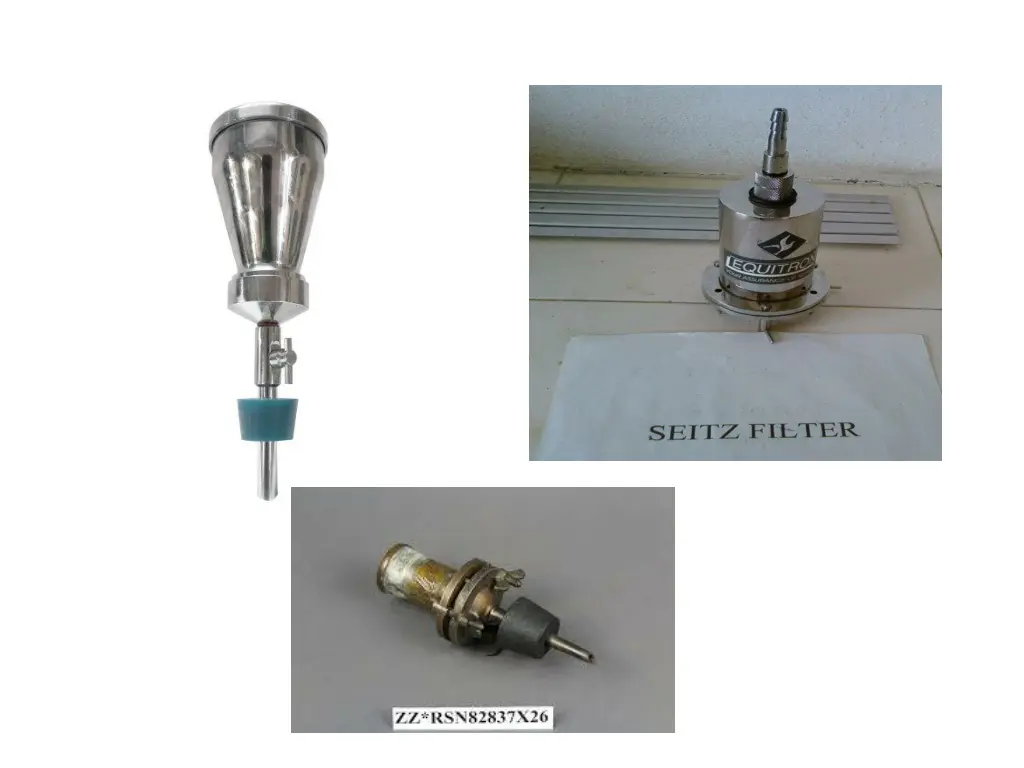
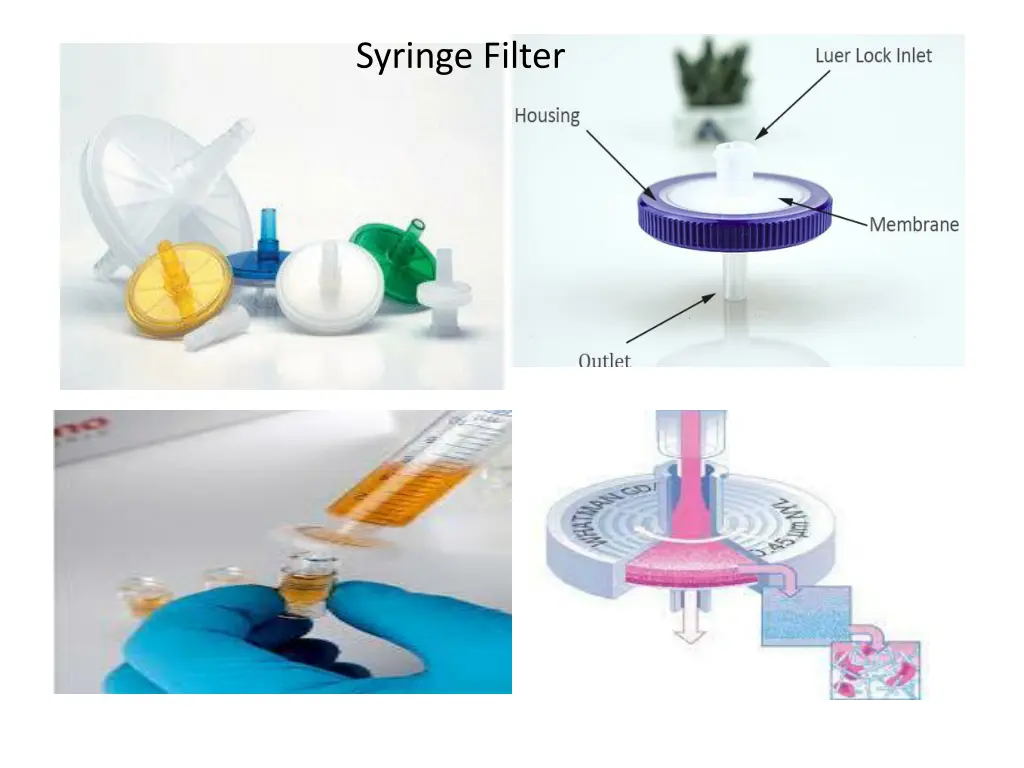
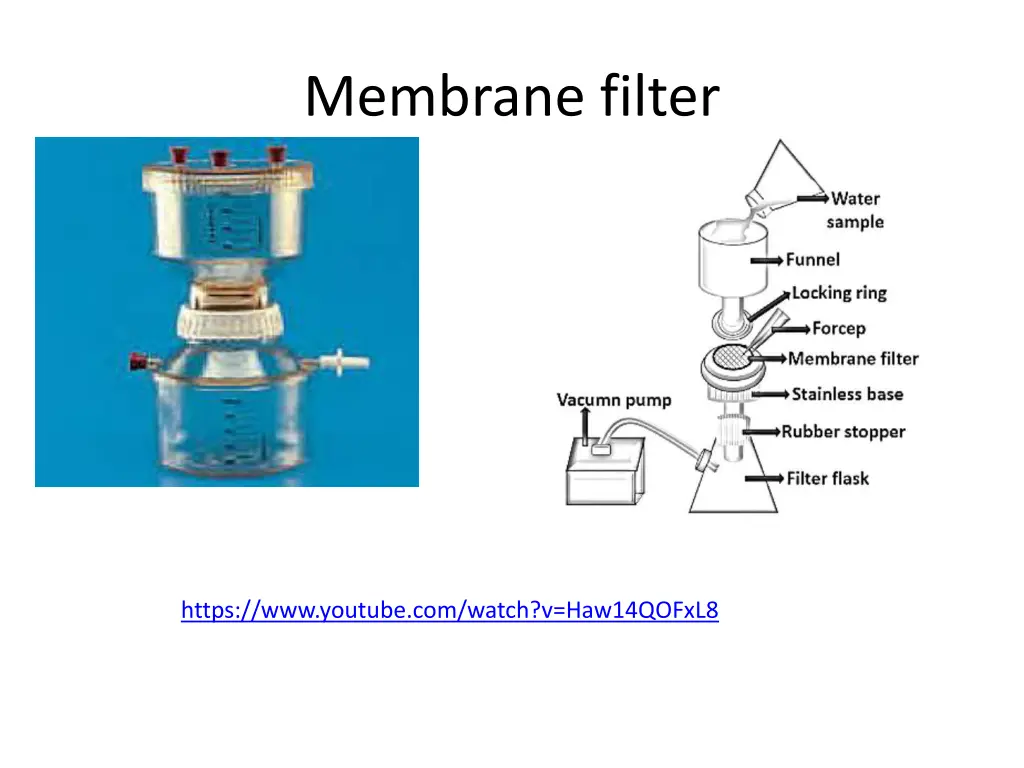
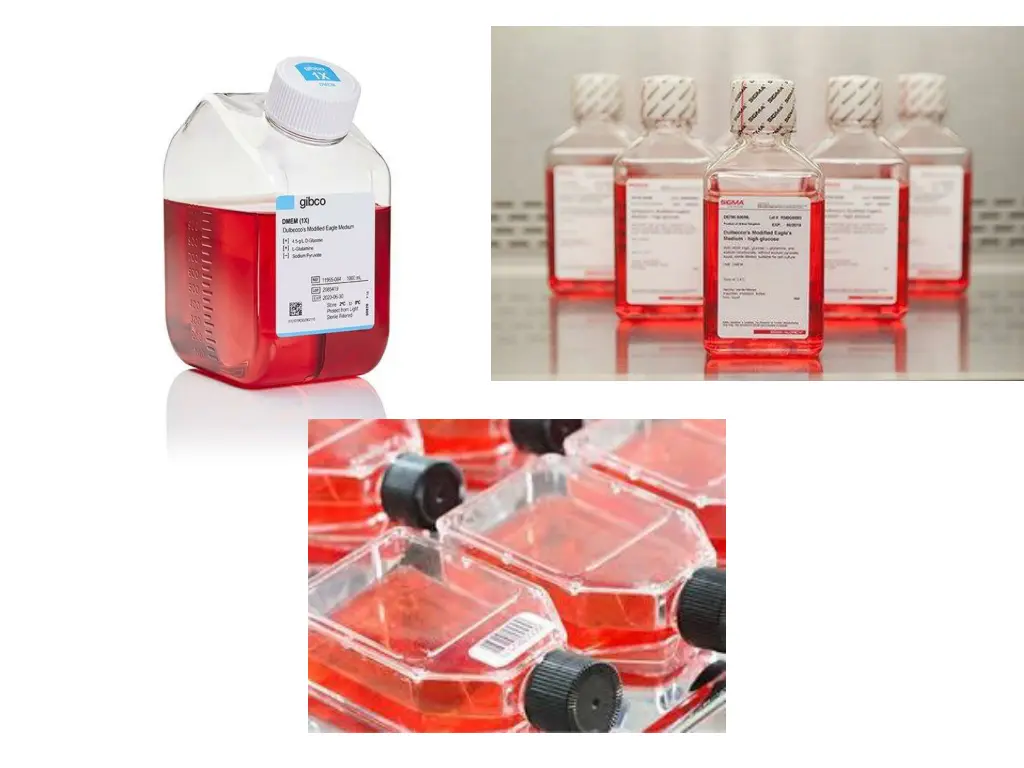
Preparation of Media Culture medium is available in three forms from commercial suppliers: Powdered form: it needs to be prepared and sterilized by the investigator. Concentrated form: to be diluted by the investigator. Working solution: to be used directly without further manipulation. Powdered medium is the least expensive but needs to be sterilized.
Membrane filter https://www.youtube.com/watch?v=Haw14QOFxL8
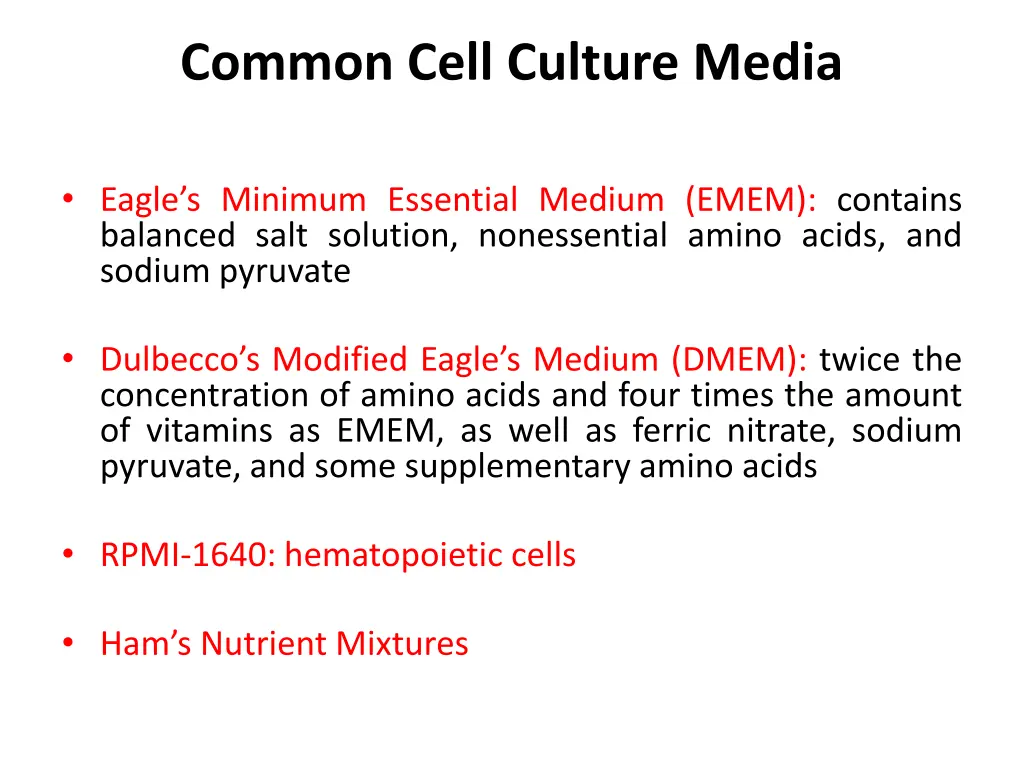
Common Cell Culture Media Eagle s Minimum Essential Medium (EMEM): contains balanced salt solution, nonessential amino acids, and sodium pyruvate Dulbecco s Modified Eagle s Medium (DMEM): twice the concentration of amino acids and four times the amount of vitamins as EMEM, as well as ferric nitrate, sodium pyruvate, and some supplementary amino acids RPMI-1640: hematopoietic cells Ham s Nutrient Mixtures