Pediatric Dosing Guidelines and Calculation Methods
Discover essential information on pediatric patients, dosing calculations, and considerations for administering medications. Learn about standardized dosing by weight or body surface area and dosage adjustments based on age and weight. Find out how to calculate doses accurately for children to ensure safe and effective medication administration.

Download Presentation

Please find below an Image/Link to download the presentation.
The content on the website is provided AS IS for your information and personal use only. It may not be sold, licensed, or shared on other websites without obtaining consent from the author. If you encounter any issues during the download, it is possible that the publisher has removed the file from their server.
You are allowed to download the files provided on this website for personal or commercial use, subject to the condition that they are used lawfully. All files are the property of their respective owners.
The content on the website is provided AS IS for your information and personal use only. It may not be sold, licensed, or shared on other websites without obtaining consent from the author.
E N D
Presentation Transcript
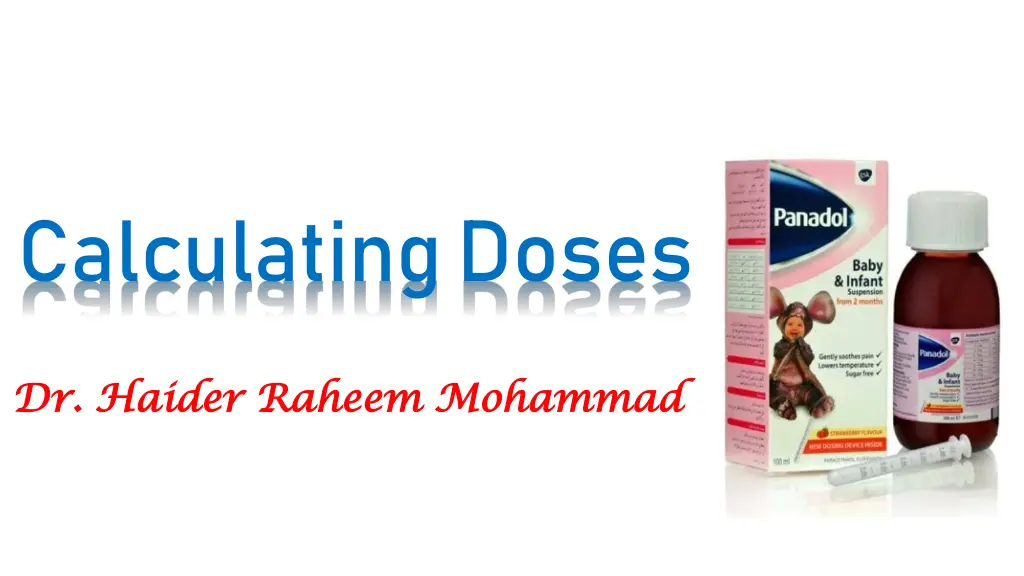
Calculating Doses Dr. Haider Raheem Mohammad Dr. Haider Raheem Mohammad
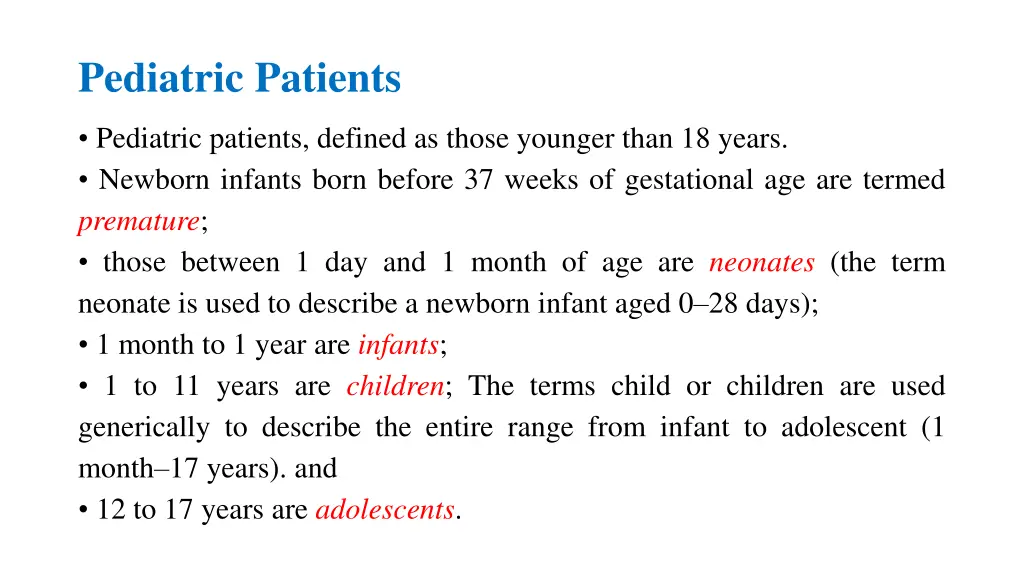
Pediatric Patients Pediatric patients, defined as those younger than 18 years. Newborn infants born before 37 weeks of gestational age are termed premature; those between 1 day and 1 month of age are neonates (the term neonate is used to describe a newborn infant aged 0 28 days); 1 month to 1 year are infants; 1 to 11 years are children; The terms child or children are used generically to describe the entire range from infant to adolescent (1 month 17 years). and 12 to 17 years are adolescents.
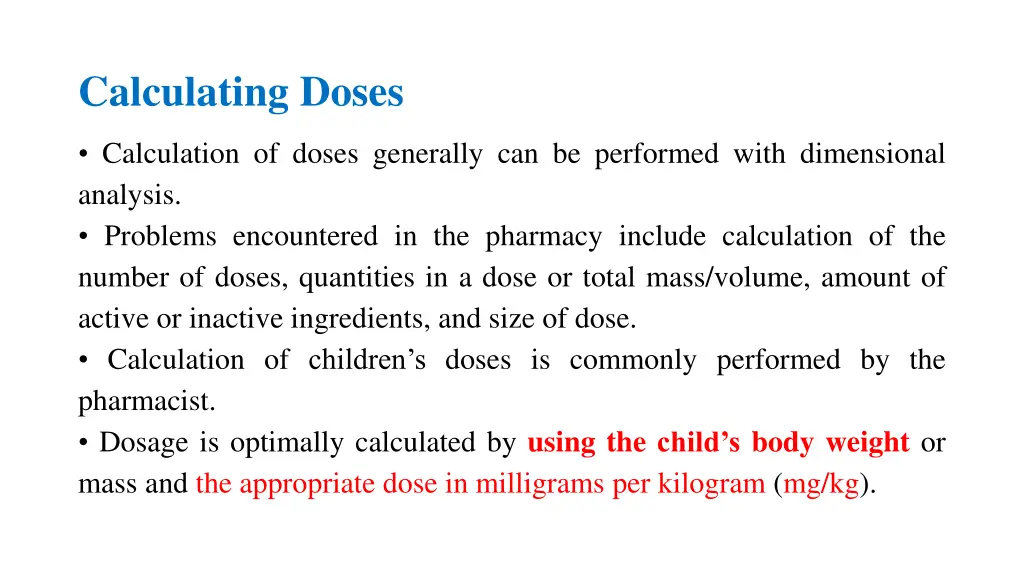
Calculating Doses Calculation of doses generally can be performed with dimensional analysis. Problems encountered in the pharmacy include calculation of the number of doses, quantities in a dose or total mass/volume, amount of active or inactive ingredients, and size of dose. Calculation of children s doses is commonly performed by the pharmacist. Dosage is optimally calculated by using the child s body weight or mass and the appropriate dose in milligrams per kilogram (mg/kg).
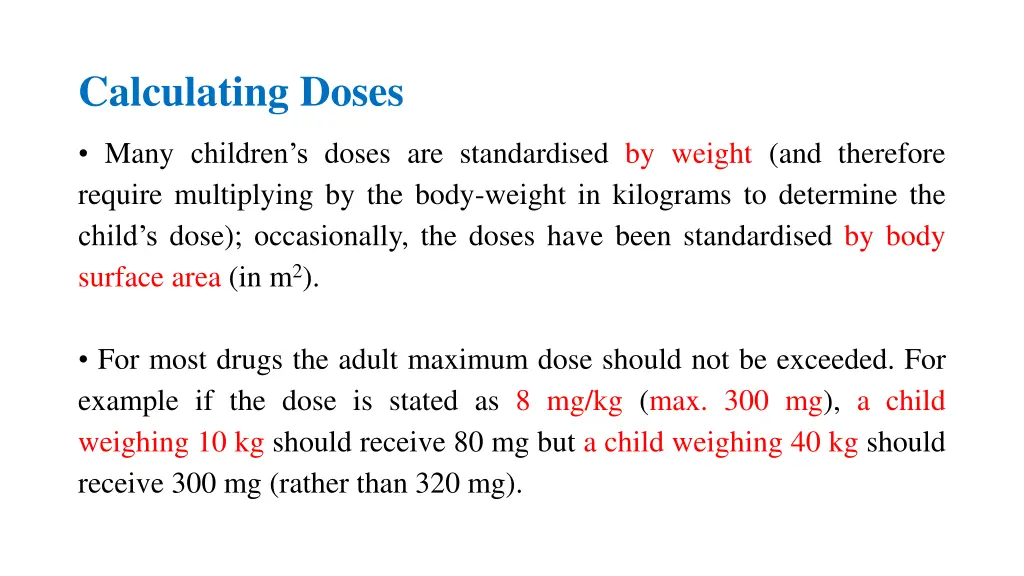
Calculating Doses Many children s doses are standardised by weight (and therefore require multiplying by the body-weight in kilograms to determine the child s dose); occasionally, the doses have been standardised by body surface area (in m2). For most drugs the adult maximum dose should not be exceeded. For example if the dose is stated as 8 mg/kg (max. 300 mg), a child weighing 10 kg should receive 80 mg but a child weighing 40 kg should receive 300 mg (rather than 320 mg).
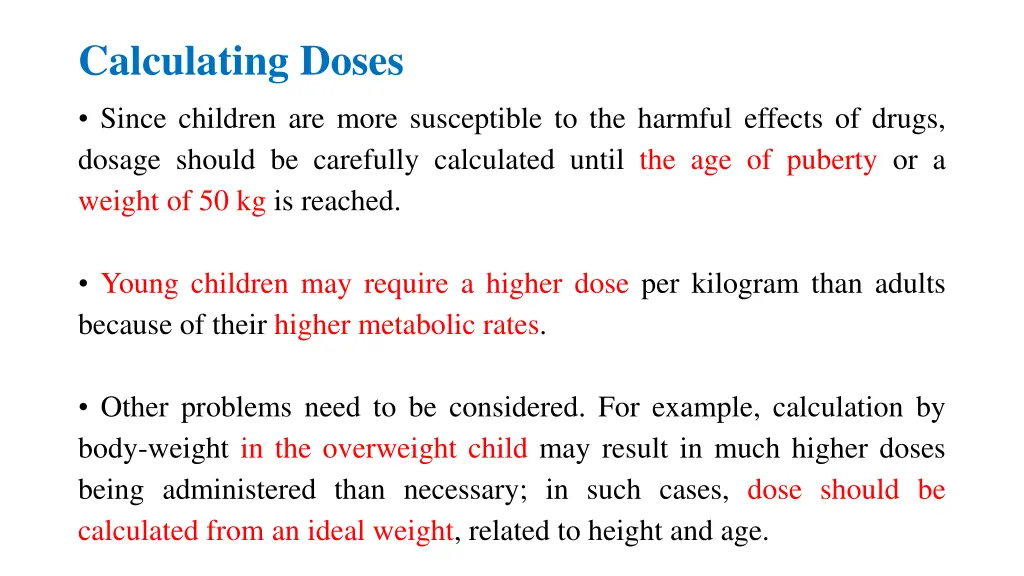
Calculating Doses Since children are more susceptible to the harmful effects of drugs, dosage should be carefully calculated until the age of puberty or a weight of 50 kg is reached. Young children may require a higher dose per kilogram than adults because of their higher metabolic rates. Other problems need to be considered. For example, calculation by body-weight in the overweight child may result in much higher doses being administered than necessary; in such cases, dose should be calculated from an ideal weight, related to height and age.
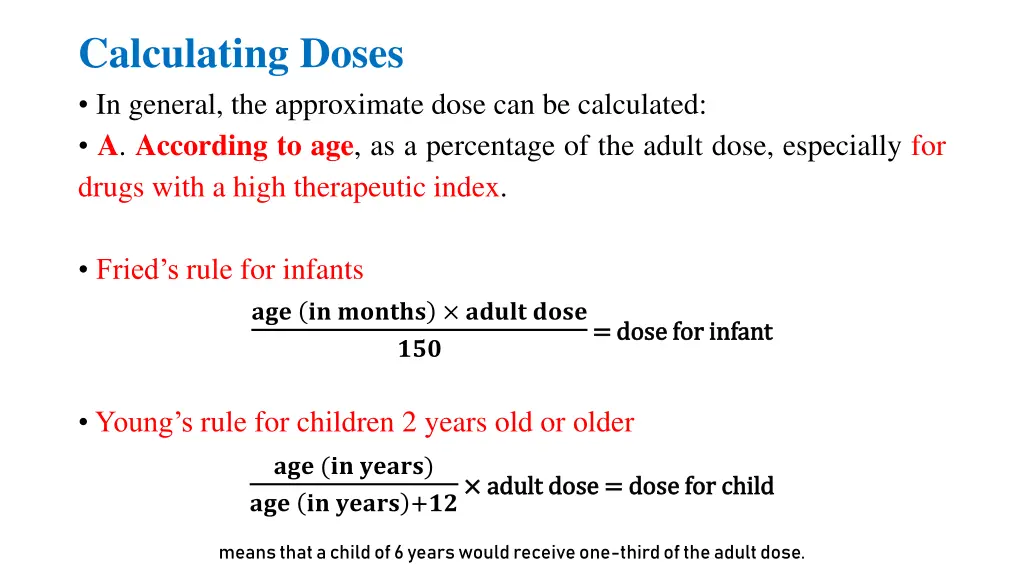
Calculating Doses In general, the approximate dose can be calculated: A. According to age, as a percentage of the adult dose, especially for drugs with a high therapeutic index. Fried s rule for infants ??? ?? ?????? ????? ???? ??? = =dose for infant dose for infant Young s rule for children 2 years old or older ??? (?? ?????) ??? ?? ????? +?? adult dose = dose for child adult dose = dose for child means that a child of 6 years would receive one-third of the adult dose.
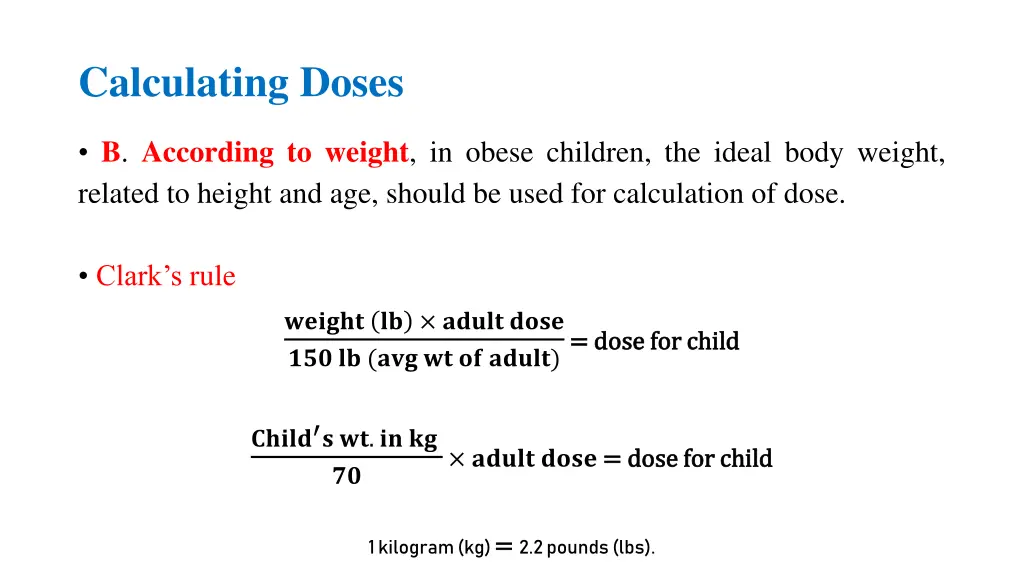
Calculating Doses B. According to weight, in obese children, the ideal body weight, related to height and age, should be used for calculation of dose. Clark s rule ?????? ?? ????? ???? ??? ?? (??? ?? ?? ?????)= dose for = dose for child child ????? ? ??. ?? ?? ?? ????????? = dose for child = dose for child 1 kilogram (kg) = = 2.2 pounds (lbs).
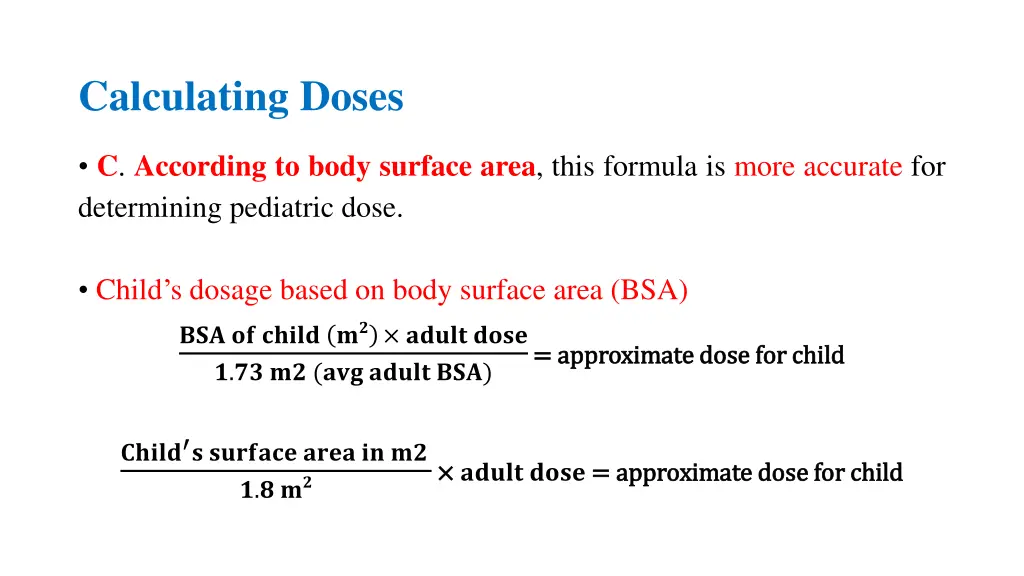
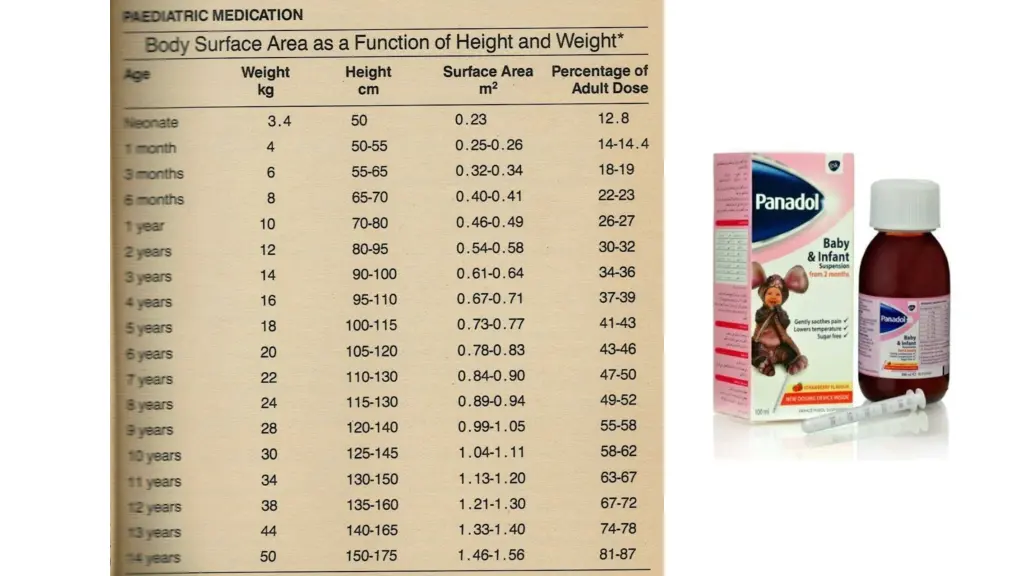
Calculating Doses C. According to body surface area, this formula is more accurate for determining pediatric dose. Child s dosage based on body surface area (BSA) ??? ?? ????? ?? ????? ???? ?.?? ?? (??? ????? ???) = approximate dose for child = approximate dose for child ????? ? ??????? ???? ?? ?? ?.? ?? ????????? = approximate dose for child = approximate dose for child
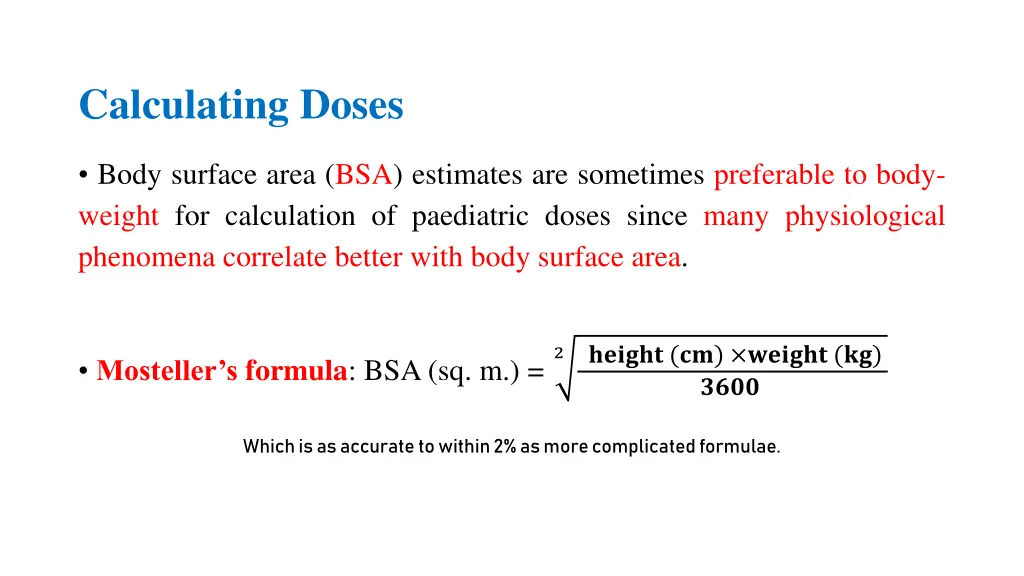
Calculating Doses Body surface area (BSA) estimates are sometimes preferable to body- weight for calculation of paediatric doses since many physiological phenomena correlate better with body surface area. 2 ?????? ?? ?????? ?? ???? Mosteller s formula: BSA (sq. m.) = Which is as accurate to within 2% as more complicated formulae.
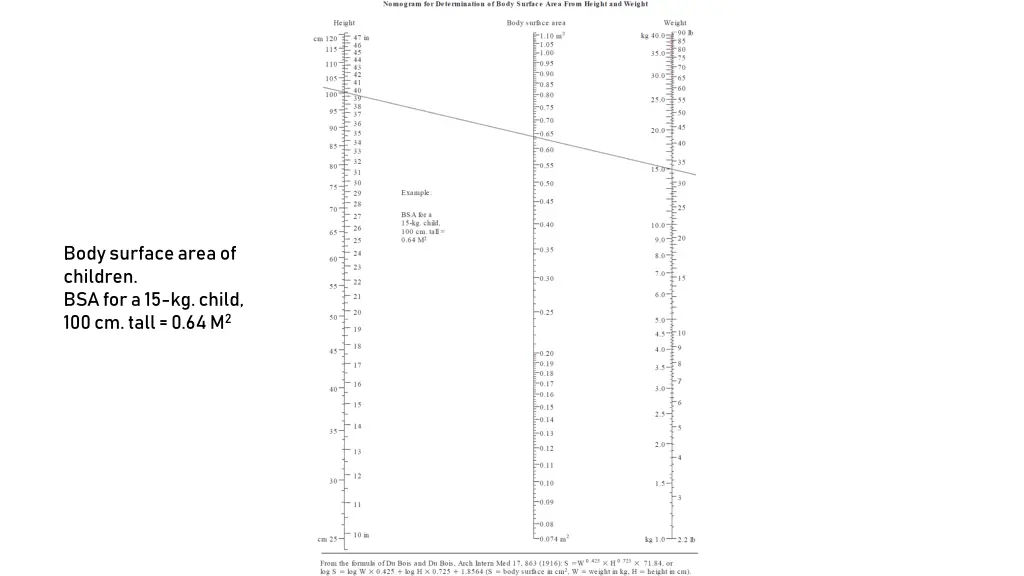
Body surface area of children. BSA for a 15-kg. child, 100 cm. tall = 0.64 M2
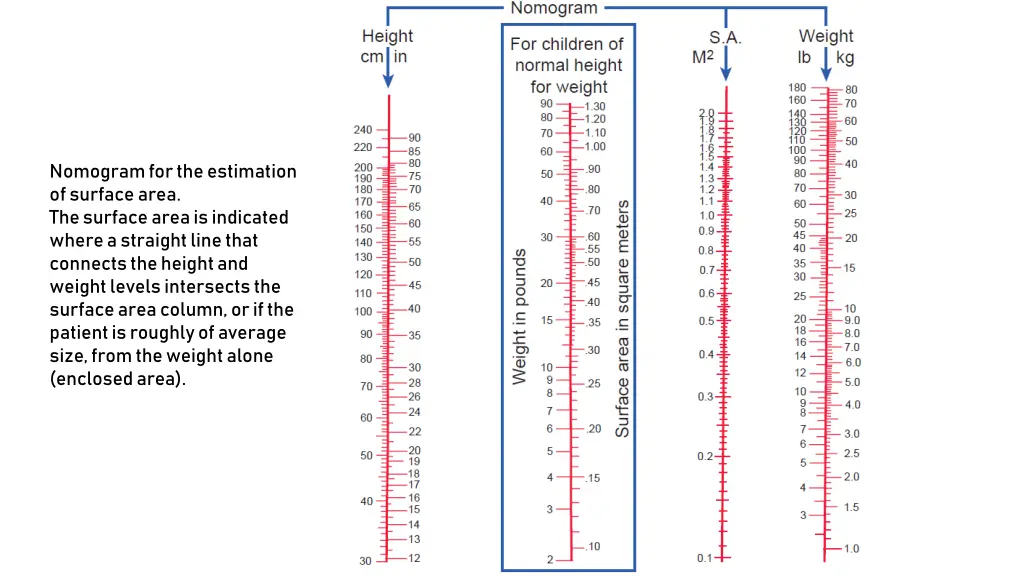
Nomogram for the estimation of surface area. The surface area is indicated where a straight line that connects the height and weight levels intersects the surface area column, or if the patient is roughly of average size, from the weight alone (enclosed area).
Calculating Doses E. Constant rate intravenous infusions Some drugs are administered intravenously at a constant (zero-order) rate by using a continuous-drip infusion set or a constant-rate infusion pump. The flow rate (volume per unit time) required can be calculated from the volume to be administered and the duration of the infusion. The rate of drug administration can be calculated from the concentration of drug in the infused solution and the flow rate of the infusion set or pump. Conversion factors may be required to obtain the final answer in the correct units (drops per minute or milliliters per hour).
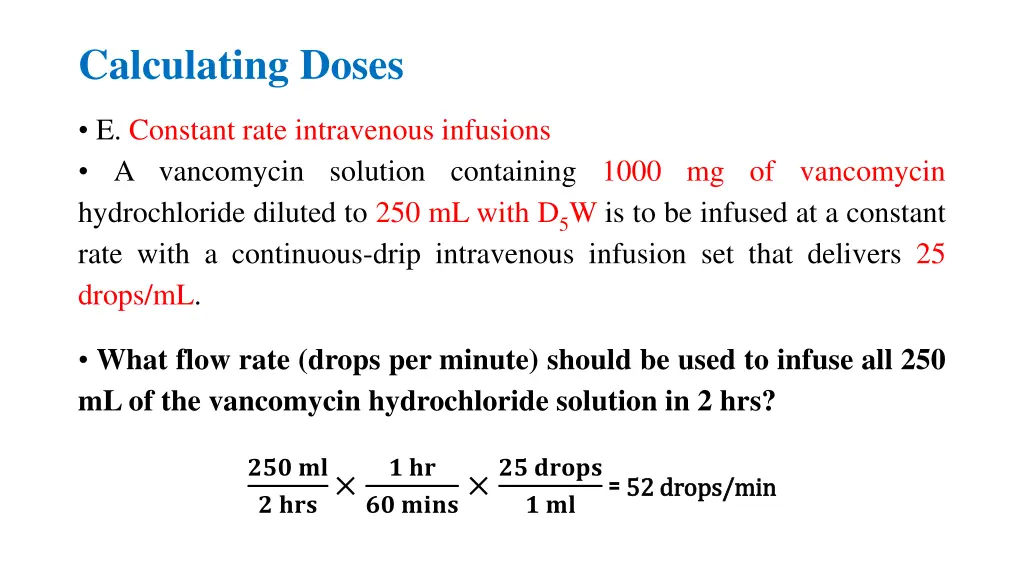
Calculating Doses E. Constant rate intravenous infusions A vancomycin solution containing 1000 mg of vancomycin hydrochloride diluted to 250 mL with D5W is to be infused at a constant rate with a continuous-drip intravenous infusion set that delivers 25 drops/mL. What flow rate (drops per minute) should be used to infuse all 250 mL of the vancomycin hydrochloride solution in 2 hrs? ??? ?? ? ??? ? ?? ?? ???? ?? ????? = 52 drops/min 52 drops/min ? ??
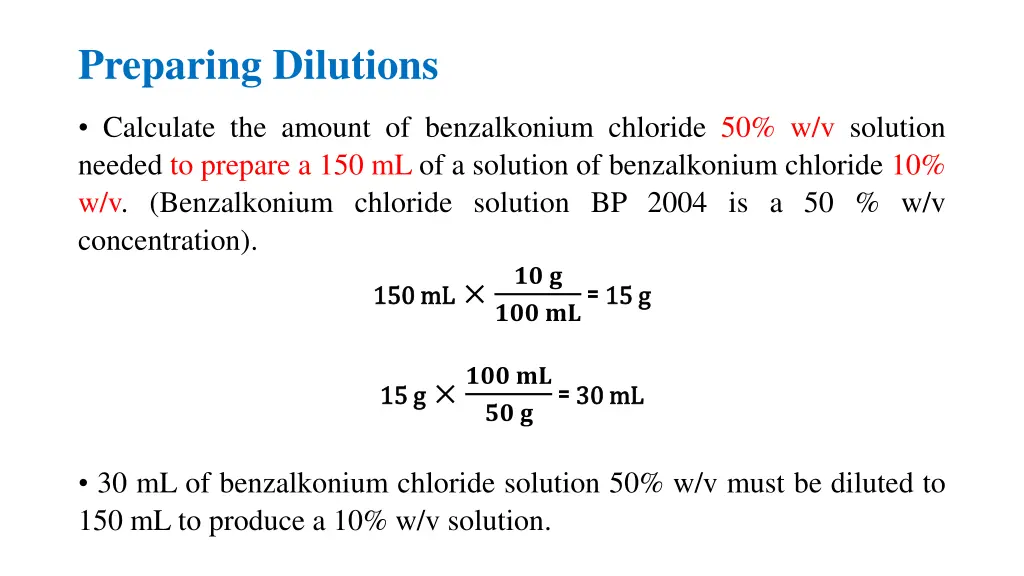
Preparing Dilutions Calculate the amount of benzalkonium chloride 50% w/v solution needed to prepare a 150 mL of a solution of benzalkonium chloride 10% w/v. (Benzalkonium chloride solution BP 2004 is a 50 % w/v concentration). ?? ? ??? ?? = 15 g 150 mL 150 mL 15 g 15 g ??? ?? ?? ? = 30 mL 15 g 30 mL 30 mL of benzalkonium chloride solution 50% w/v must be diluted to 150 mL to produce a 10% w/v solution.
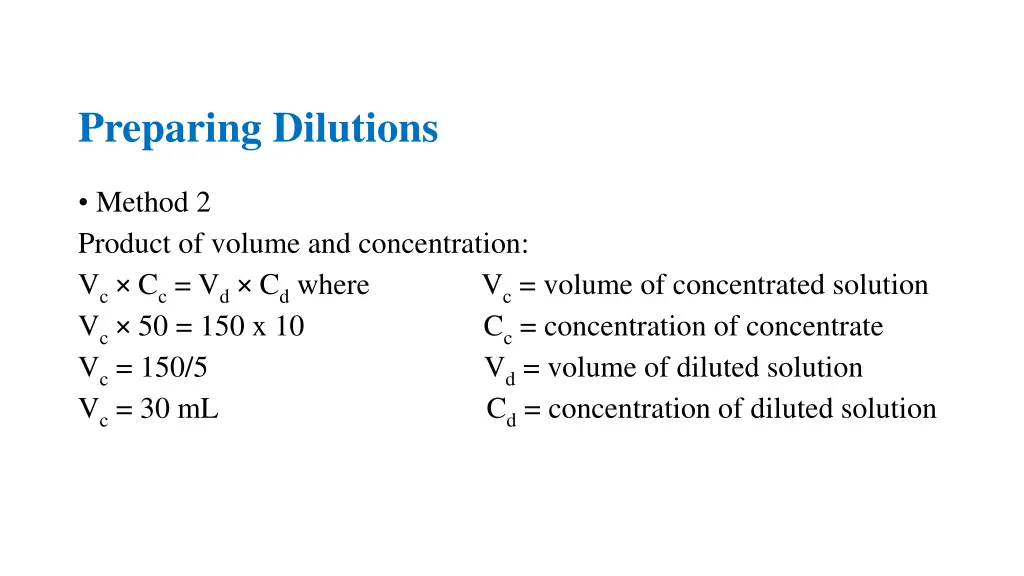
Preparing Dilutions Method 2 Product of volume and concentration: Vc Cc = Vd Cd where Vc = volume of concentrated solution Vc 50 = 150 x 10 Cc = concentration of concentrate Vc = 150/5 Vd = volume of diluted solution Vc = 30 mL Cd = concentration of diluted solution
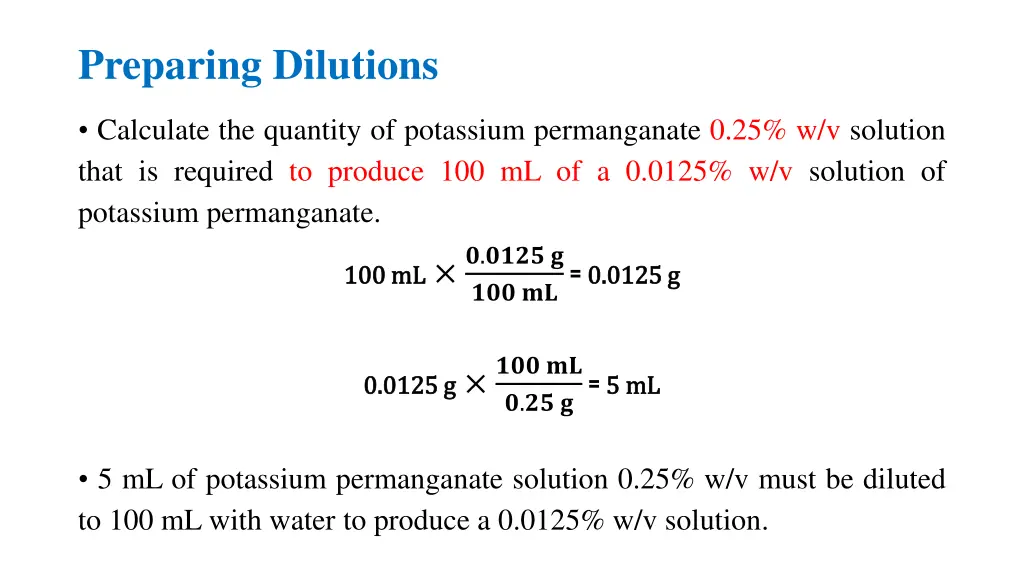
Preparing Dilutions Calculate the quantity of potassium permanganate 0.25% w/v solution that is required to produce 100 mL of a 0.0125% w/v solution of potassium permanganate. 100 mL ?.???? ? ??? ?? = 0.0125 g 100 mL 0.0125 g 0.0125 g ??? ?? ?.?? ? = 5 mL 0.0125 g 5 mL 5 mL of potassium permanganate solution 0.25% w/v must be diluted to 100 mL with water to produce a 0.0125% w/v solution.
Preparing Dilutions Method 2 Vc Cc = Vd Cd Vc = volume of concentrated solution Cc = concentration of concentrate Vd = volume of diluted solution Cd = concentration of diluted solution = unknown = 0.25 % = 100mL = 0.0125 % Vc 0.25 % = 100 mL 0.0125 % Vc = 1.25/0.25 = 5 mL