Regional Community Care Teams Presentation discusses the commitment to empower Maine transition-aged youth for successful adulthood within their communities. The theory of aligned contributions emphasizes collaboration among diverse sectors for positive outcomes. Shared accountability is highlighted, focusing on various population outcomes relating to young individuals and justice involvement in Maine. Maine Youth Justice Reform initiatives such as integrated case management and Juvenile Justice Task Forces are showcased.
Please find below an Image/Link to download the presentation.
The content on the website is provided AS IS for your information and personal use only. It may not be sold, licensed, or shared on other websites without obtaining consent from the author. If you encounter any issues during the download, it is possible that the publisher has removed the file from their server.
You are allowed to download the files provided on this website for personal or commercial use, subject to the condition that they are used lawfully. All files are the property of their respective owners.
The content on the website is provided AS IS for your information and personal use only. It may not be sold, licensed, or shared on other websites without obtaining consent from the author.
E N D
Presentation Transcript
Regional Community Care Teams Presentation prepared by the Place Matters team at the Cutler Institute of the University of Southern Maine and the Maine Center for Juvenile Policy and Law at Maine Law
We share a commitment to a common result: We share a commitment to a common result: All Maine transition aged (14-24+) youth experience belonging and thrive into adulthood in their communities.
Theory of Aligned Contributions Corrections Health & Wellness Other It takes all of us to make create transition planning opportunities that improve youth, family, program and community outcomes A l l M a i n e y o u t h e x p e r i e n c e b e l o n g i n g a n d t h r i v e i n t h e i r c o m m u n i t i e s Faith Based Communities Philanthropy Business Education Youth, Family & Community Law & Advocacy Adapted from Theory of Aligned Contributions, Jolie Bain Pillsbury
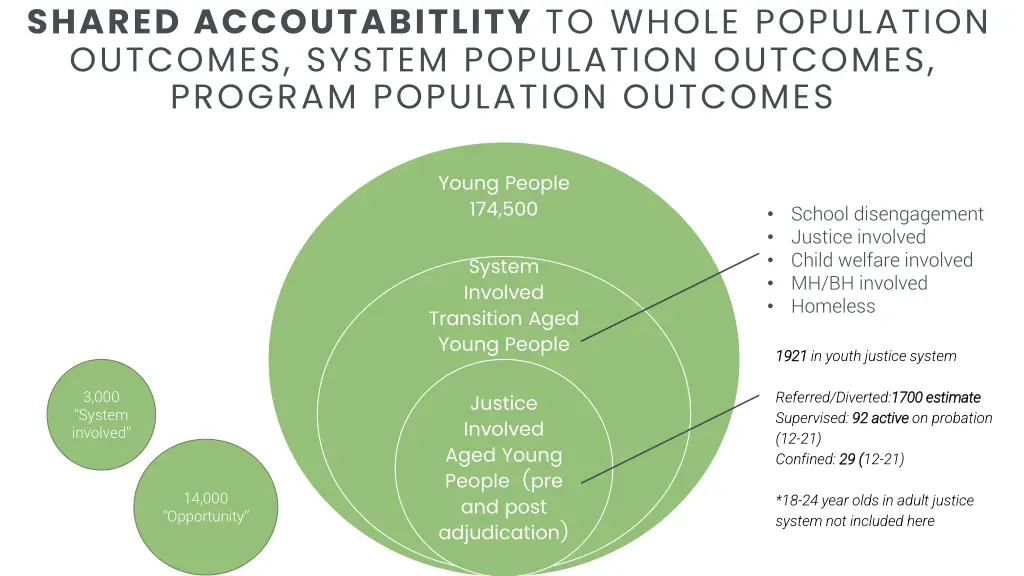
SHARED ACCOUTABITLITY TO WHOLE POPULATION OUTCOMES, SYSTEM POPULATION OUTCOMES, PROGRAM POPULATION OUTCOMES Young People 174,500 School disengagement Justice involved Child welfare involved MH/BH involved Homeless System Involved Transition Aged Young People 1921 1921 in youth justice system 3,000 System involved Referred/Diverted:1700 estimate Supervised: 92 active 92 active on probation (12-21) Confined: 29 ( 29 (12-21) 1700 estimate Justice Involved Aged Young People (pre and post adjudication) 14,000 Opportunity *18-24 year olds in adult justice system not included here
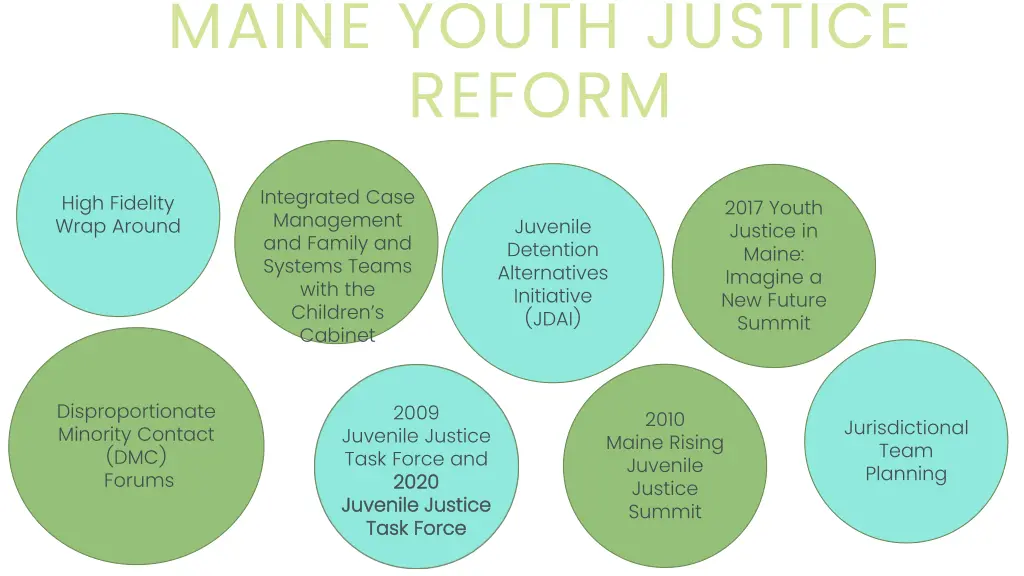
MAINE YOUTH JUSTICE REFORM Integrated Case Management and Family and Systems Teams with the Children s Cabinet High Fidelity Wrap Around 2017 Youth Justice in Maine: Imagine a New Future Summit Juvenile Detention Alternatives Initiative (JDAI) Disproportionate Minority Contact (DMC) Forums 2009 2010 Jurisdictional Team Planning Juvenile Justice Task Force and 2020 2020 Juvenile Justice Juvenile Justice Task Force Task Force Maine Rising Juvenile Justice Summit
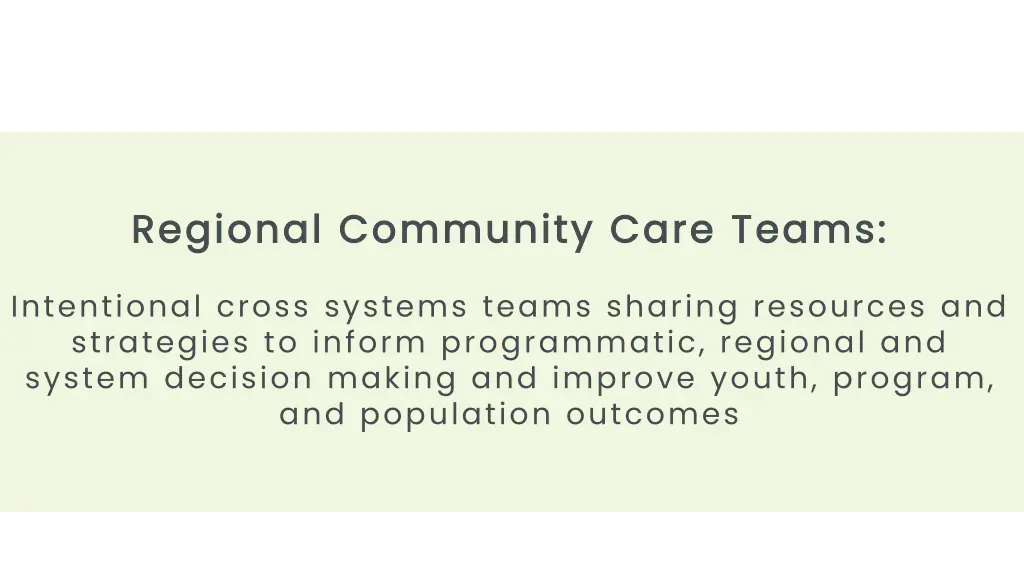
Regional Community Care Teams: Regional Community Care Teams: Intentional cross systems teams sharing resources and strategies to inform programmatic, regional and system decision making and improve youth, program, and population outcomes
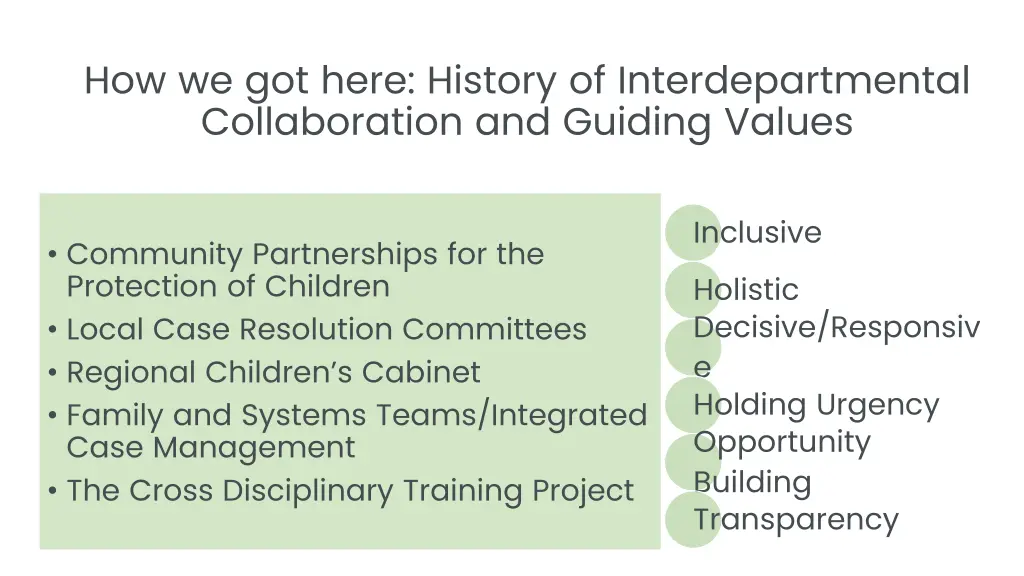
How we got here: History of Interdepartmental Collaboration and Guiding Values Inclusive Community Partnerships for the Protection of Children Local Case Resolution Committees Regional Children s Cabinet Family and Systems Teams/Integrated Case Management The Cross Disciplinary Training Project Holistic Decisive/Responsiv e Holding Urgency Opportunity Building Transparency
Regional Care Network Boundaries 1: Cumberland and York 2: Androscoggin, Knox, Kennebec, Oxford, Lincoln, Sagadahoc, Franklin 3: Aroostook, Piscatquis, Penobscot, Washington, Waldo, Hancock, Somerset
How we got here: Community Reintegration Conversations February 2020: Maine Juvenile Justice System Assessment Report released. March 2020: COVID-19 hits; MDOC looks to streamline, expedite community reintegration. April 2020: The Place Matters at USM and the Maine Center for Juvenile Policy started facilitating weekly Community Reintegration conversations with Task Force members and stakeholders from Task Force listserve. Focus is on problem solving, information sharing, and support for system- involved youth both in the community and those transitioning out of secure care. May-June 2020: Development of the structure and function of Regional Care Teams, led by each Department of Corrections Regional Correctional Administrator. July 2020: Regional Care Teams hold first meetings.
How we got here: Community Reintegration Conversations August- December 2020: Monthly RCTs across all 3 regions Aligned strategy development with partners: OJJDP Second Chance Act Grant Implementation Plan (target: 30 youth in 3 years) Maine JJAG 3 year plan Partner with Maine Housing Youth Homelessness Demonstration Project to align data and performance measures Develop inclusive supportive housing strategies and opportunity pathways landscape January-March 2021 and beyond: Regional Care Teams in a data informed, collaborative work cycle with local partners to develop
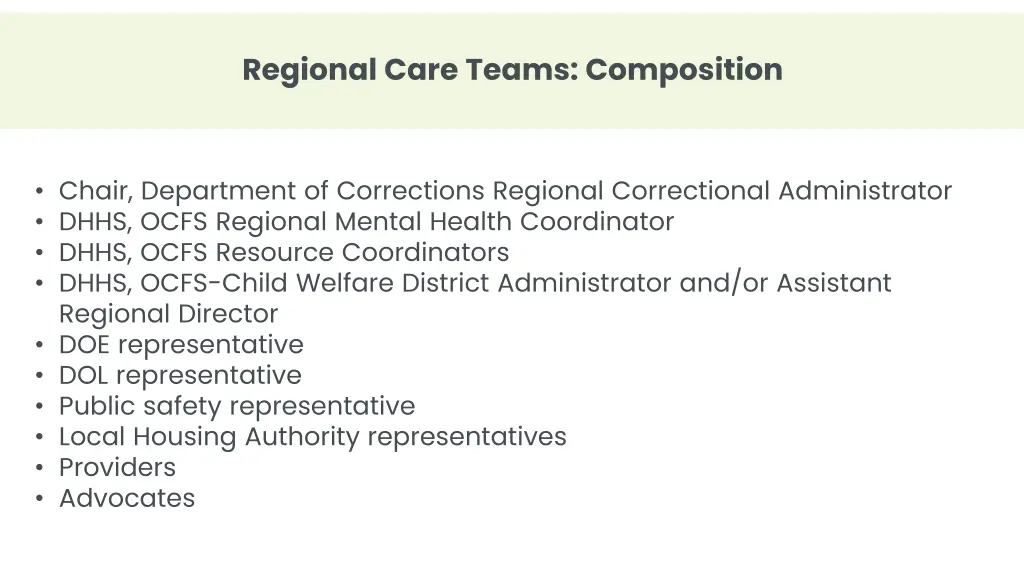
Regional Care Teams: Composition Chair, Department of Corrections Regional Correctional Administrator DHHS, OCFS Regional Mental Health Coordinator DHHS, OCFS Resource Coordinators DHHS, OCFS-Child Welfare District Administrator and/or Assistant Regional Director DOE representative DOL representative Public safety representative Local Housing Authority representatives Providers Advocates
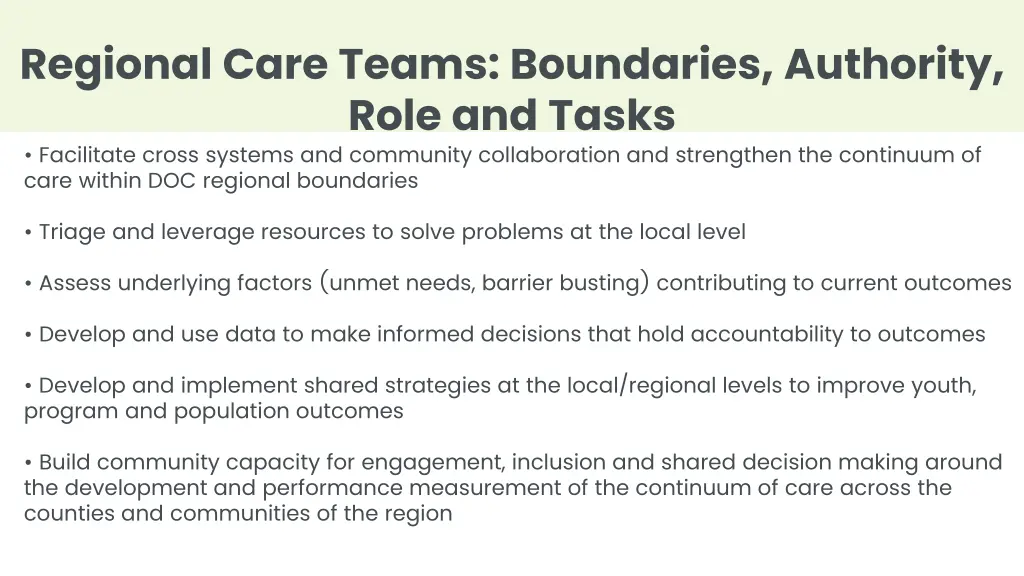
Regional Care Teams: Boundaries, Authority, Role and Tasks Facilitate cross systems and community collaboration and strengthen the continuum of care within DOC regional boundaries Triage and leverage resources to solve problems at the local level Assess underlying factors (unmet needs, barrier busting) contributing to current outcomes Develop and use data to make informed decisions that hold accountability to outcomes Develop and implement shared strategies at the local/regional levels to improve youth, program and population outcomes Build community capacity for engagement, inclusion and shared decision making around the development and performance measurement of the continuum of care across the counties and communities of the region
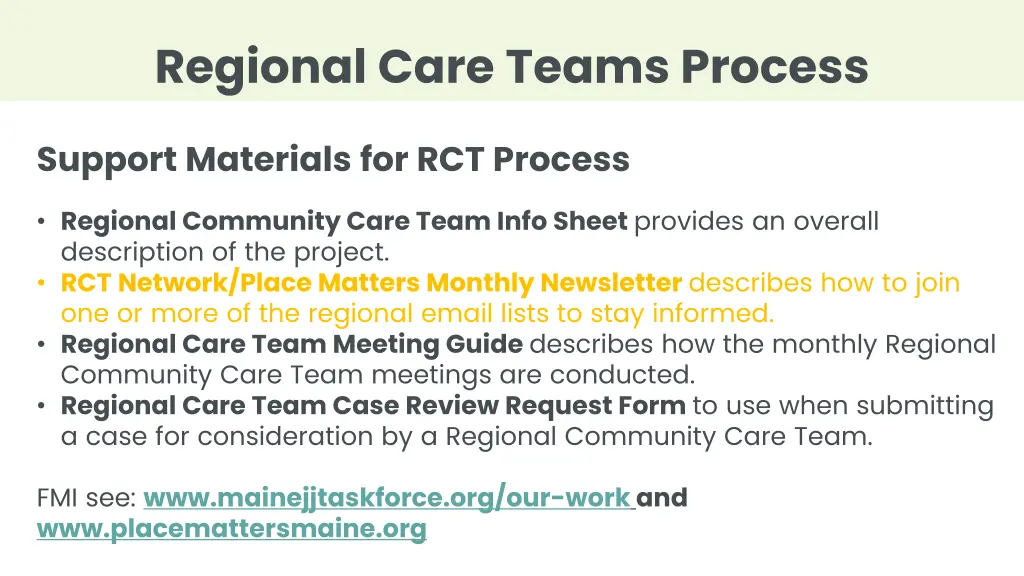
Regional Care Teams Process Support Materials for RCT Process Regional Community Care Team Info Sheet provides an overall description of the project. RCT Network/Place Matters Monthly Newsletter describes how to join one or more of the regional email lists to stay informed. Regional Care Team Meeting Guide describes how the monthly Regional Community Care Team meetings are conducted. Regional Care Team Case Review Request Form to use when submitting a case for consideration by a Regional Community Care Team. FMI see: www.mainejjtaskforce.org/our-work and www.placemattersmaine.org
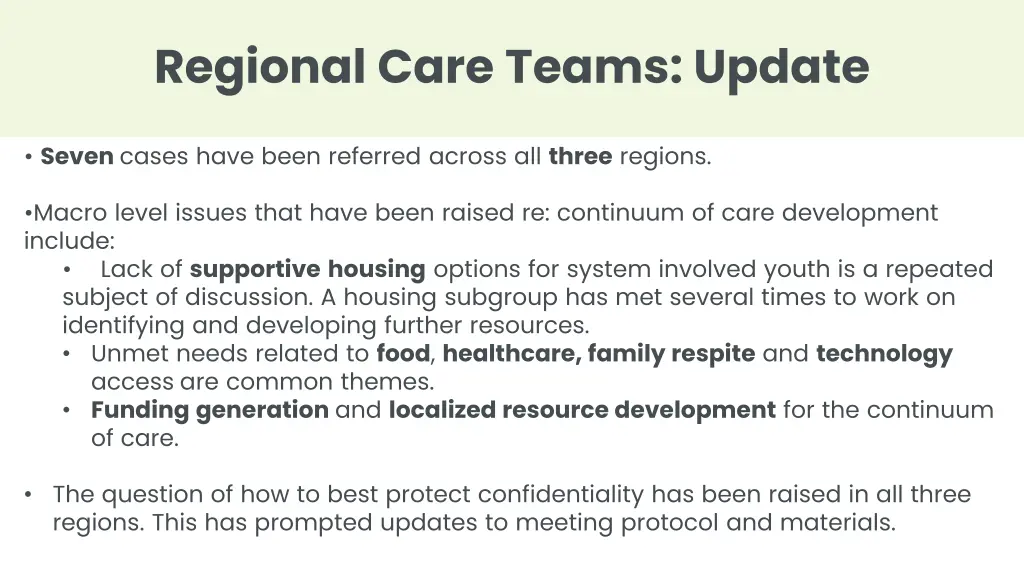
Regional Care Teams: Update Seven cases have been referred across all three regions. Macro level issues that have been raised re: continuum of care development include: Lack of supportivehousing options for system involved youth is a repeated subject of discussion. A housing subgroup has met several times to work on identifying and developing further resources. Unmet needs related to food, healthcare, family respite and technology accessare common themes. Funding generation and localized resource development for the continuum of care. The question of how to best protect confidentiality has been raised in all three regions. This has prompted updates to meeting protocol and materials.
All Regions RCTs Data Snapshot 68% 27 Housing Meetings 40% Mental Health Treatment 25 Cases Referred 36% Pro-social Peer Support $6,065 Funds Distributed 40% Educational or Vocational support As of February 2021
GROUP DISCUSSION: GROUP DISCUSSION: What questions do you have for us? What do you hope we can do together to strengthen positive social investments and youth and community outcomes in Maine?
SOME OF OUR NEXT STEPS SOME OF OUR NEXT STEPS Place Matters Virtual Asset Mapping online Regional Care Teams evolving Forthcoming report: Transitions-Mapping the Impact of Systems and Places on Youth Pathways Young People Caucus incubating youth voice and leadership Cross systems, cross disciplinary strategies , resource flows and performance measurement for system involved transition aged youth
THANK YOU! FMI: Erica King erica.king@maine.edu Jill Ward jill.ward@maine.edu