Role of Physiotherapy in Orthopaedics
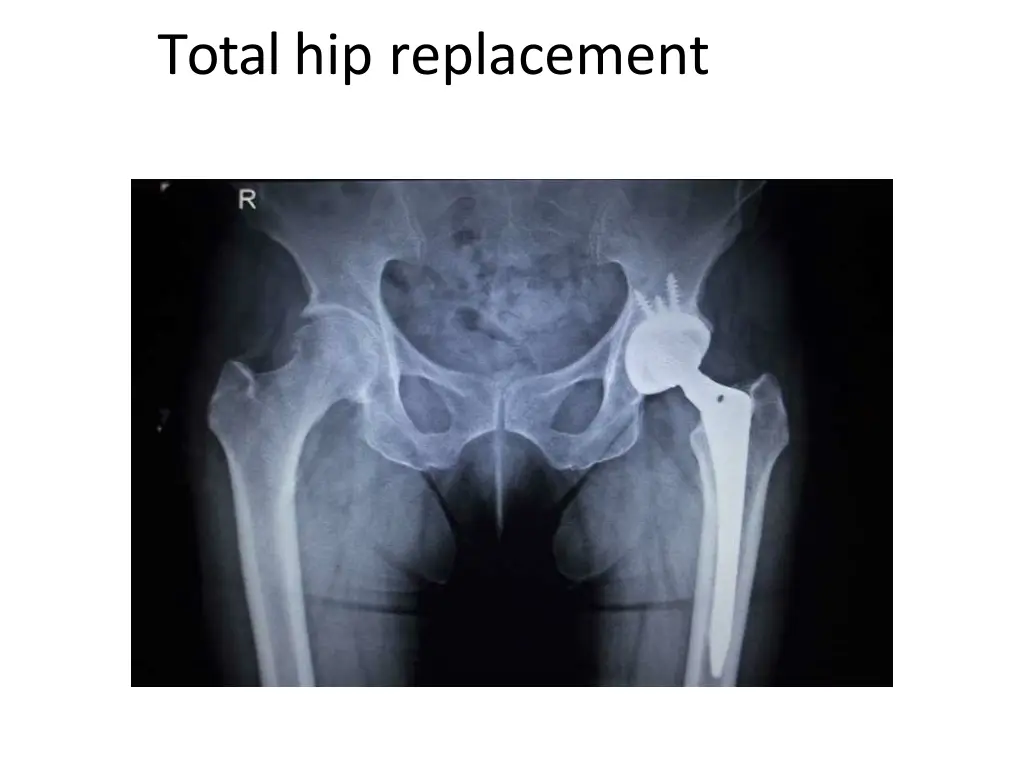
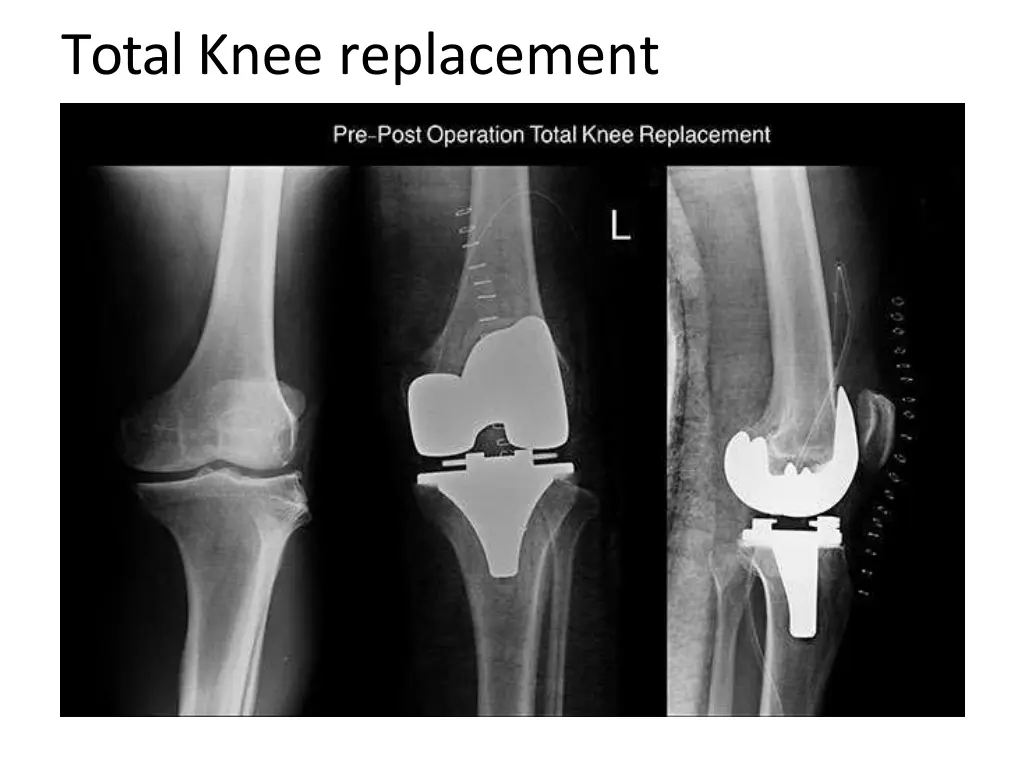
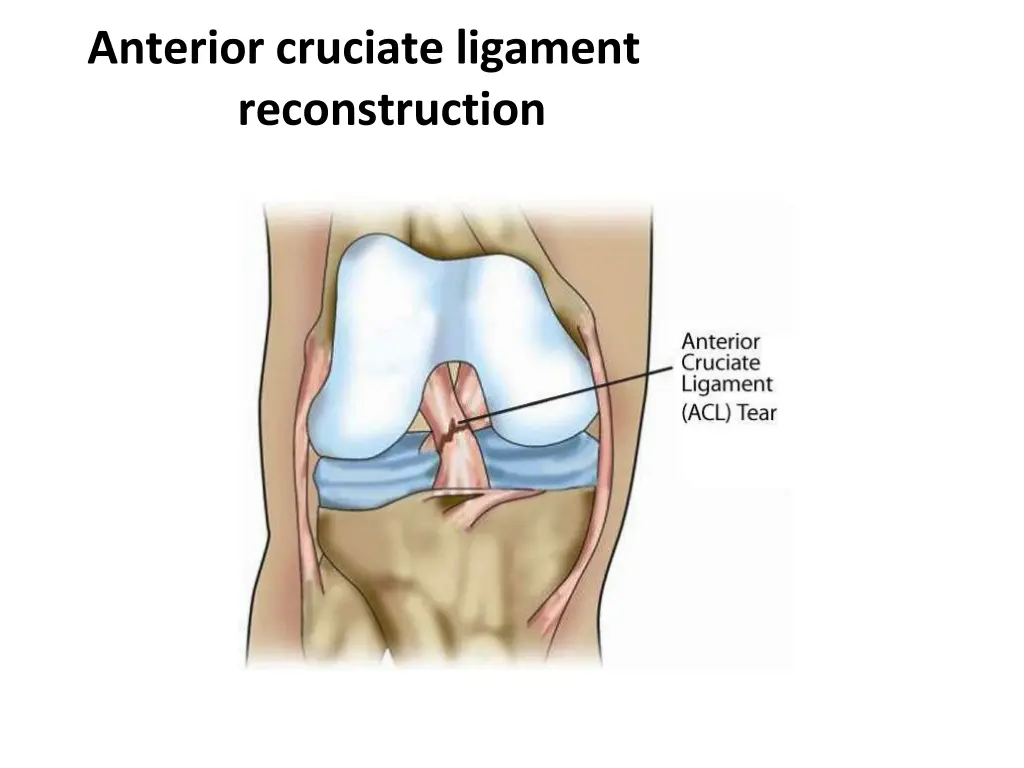
Physiotherapy, also referred to as physical therapy, involves evaluating, diagnosing, and treating a range of diseases, disorders, and disabilities using physical agents and exercises. It plays a crucial role in treating orthopaedic conditions in both outpatient and inpatient settings, such as peri-arthritic shoulder, cervical spondylosis, sciatica, osteoarthritis, and fractures. Various physiotherapy techniques like short wave diathermy, ultrasound therapy, wax therapy, and exercise therapy help in managing these conditions effectively. Additionally, procedures like total hip replacement, total knee replacement, and anterior cruciate ligament reconstruction are also facilitated by physiotherapy. The role of physiotherapy extends to spine surgery, including ACDF, PLIF, laminectomy, and discectomy, as well as pre and post-operative assessments focusing on dermatomes, myotomes, and reflexes.

Download Presentation

Please find below an Image/Link to download the presentation.
The content on the website is provided AS IS for your information and personal use only. It may not be sold, licensed, or shared on other websites without obtaining consent from the author.If you encounter any issues during the download, it is possible that the publisher has removed the file from their server.
You are allowed to download the files provided on this website for personal or commercial use, subject to the condition that they are used lawfully. All files are the property of their respective owners.
The content on the website is provided AS IS for your information and personal use only. It may not be sold, licensed, or shared on other websites without obtaining consent from the author.
E N D
Presentation Transcript
OM NAMO NARAYANI ROLE OF PHYSIOTHERAPY IN ORTHOPAEDICS
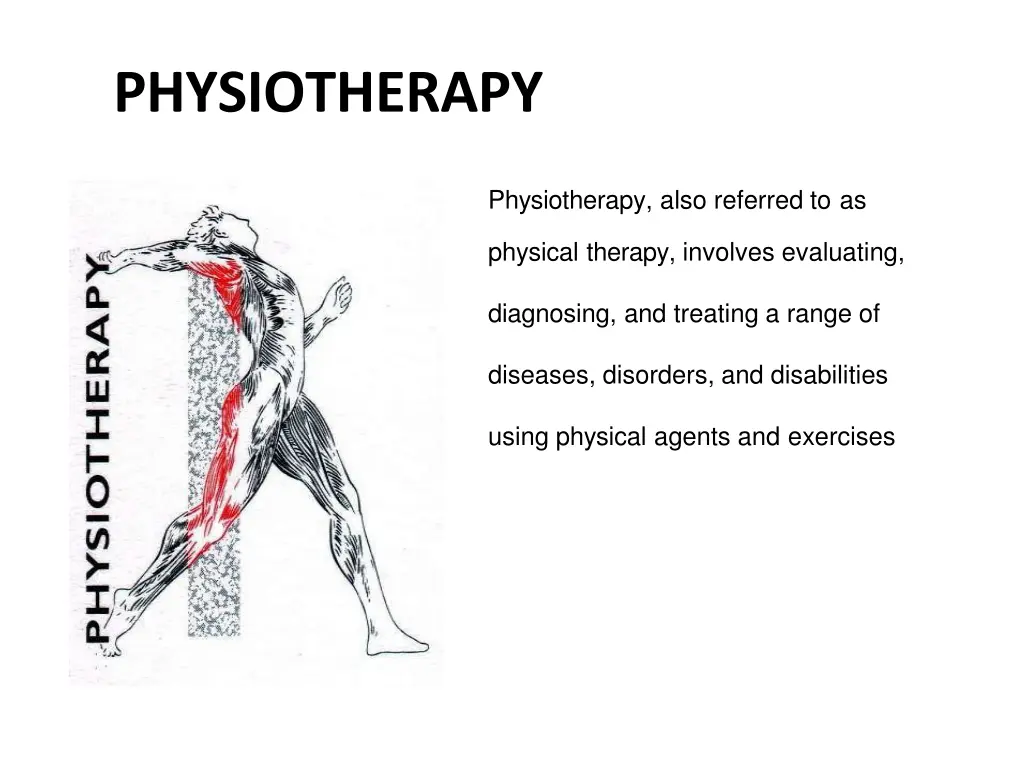
PHYSIOTHERAPY Physiotherapy, also referred to as physical therapy, involves evaluating, diagnosing, and treating a range of diseases, disorders, and disabilities using physical agents and exercises
OUT PATIENT PHYSIOTHERAPY SHORT WAVE DIATHERMY ULTRA SOUND THERAPY WAX THERAPY MOIST HEAT INTERFERENTIAL THERAPY TENS TRACTION EXERCISE THERAPY-ROM-STRENGTHENING
ORTHOPAEDIC CONDITIONS IN OUT PATIENTS PERI ARTHRITIC SHOULDER Cervical spondylosis-Cervical radiculopathy. Lumbar spondylosis Sciatica Osteo arthritis Knee.
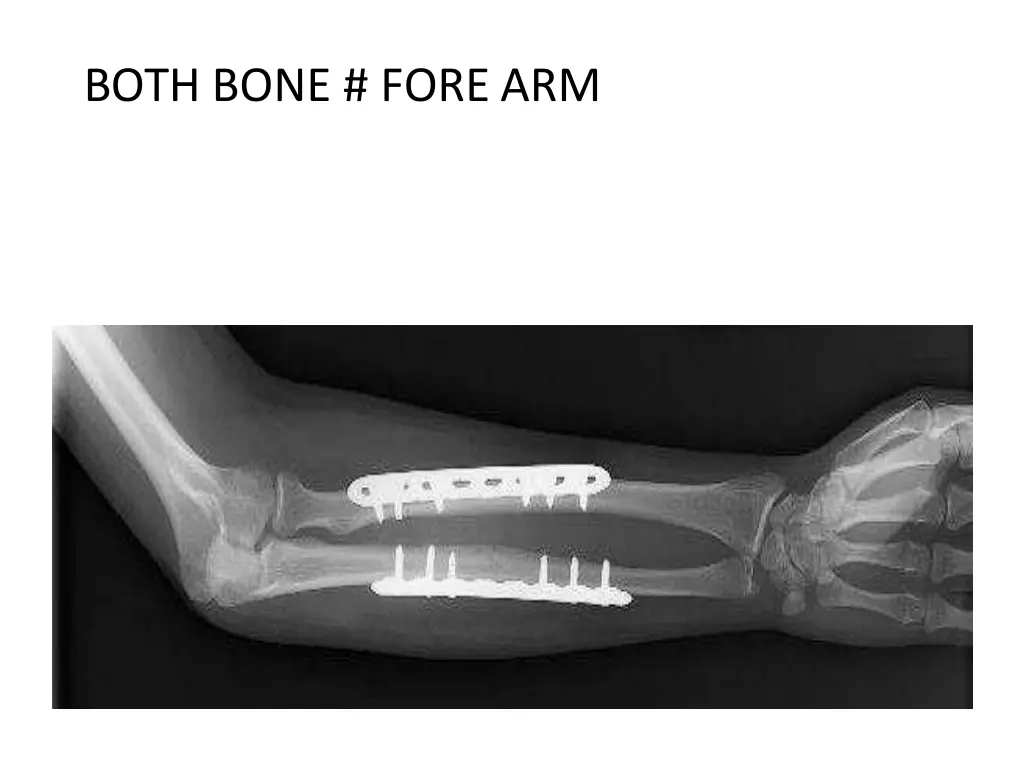
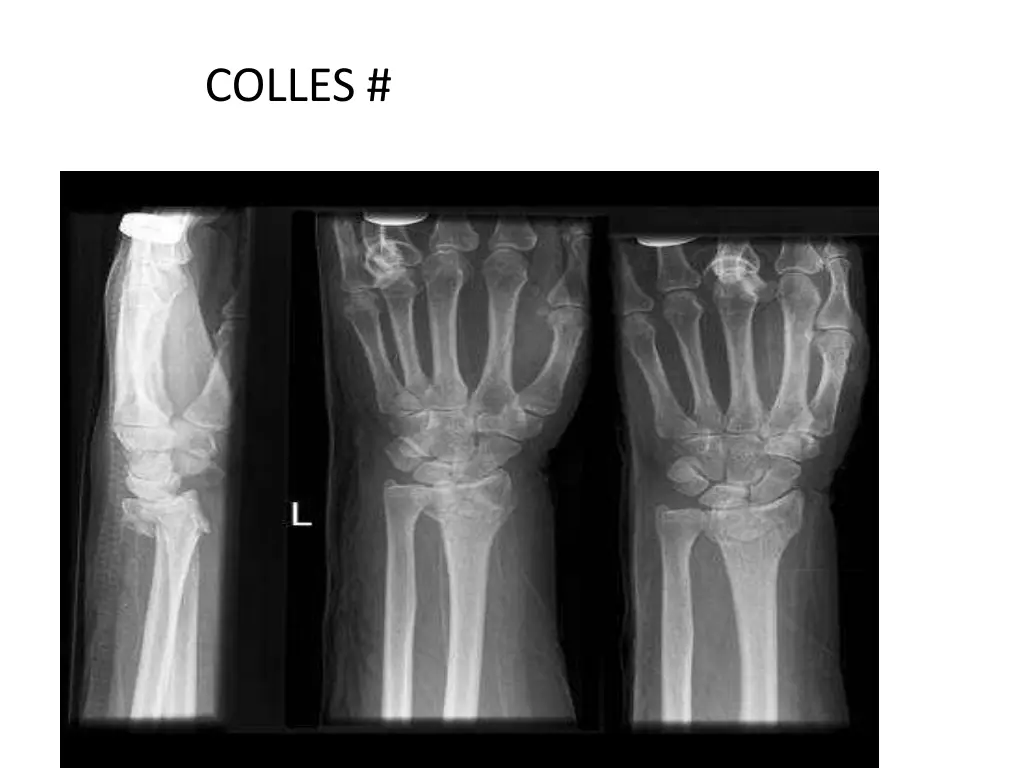
ORTHOPAEDIC CONDITIONS IN INPATIENTS UPPER LIMB SUPRA CONDYLAR # HUMERUS BOTH BONE # FORE ARM COLLES #
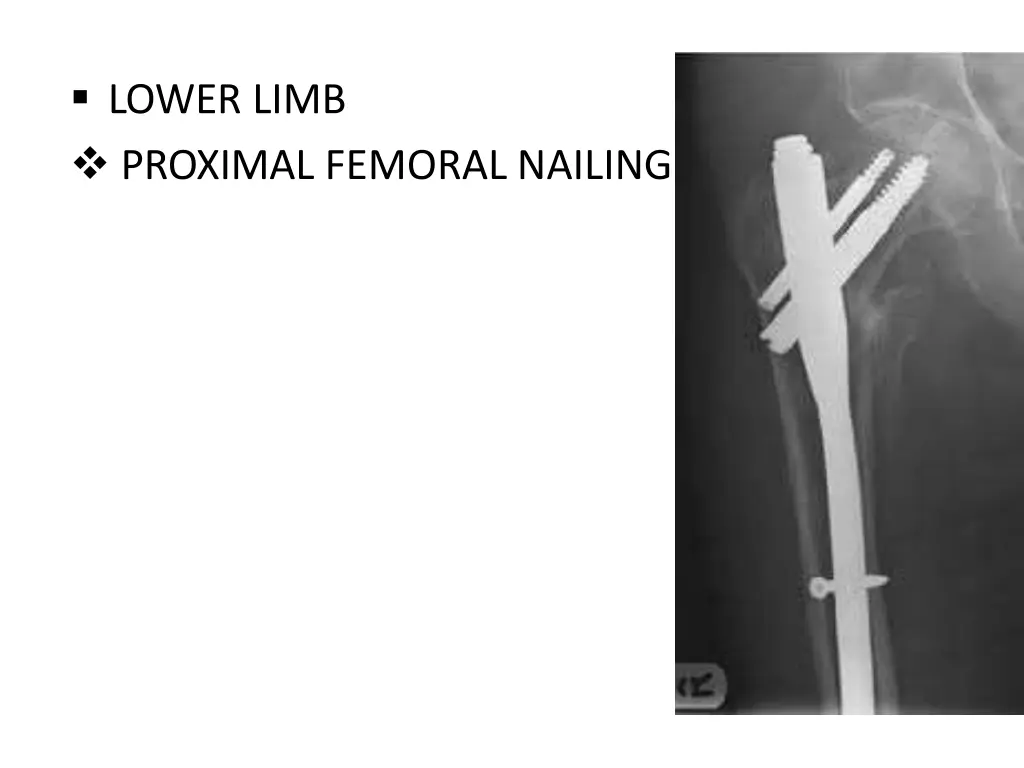
LOWER LIMB PROXIMAL FEMORAL NAILING
Total hip replacement OA hip RA HIP AS FRACTURES AVN
Anterior cruciate ligament reconstruction
SPINE SURGERY ACDF PLIF LAMINECTOMY DISCECTOMY
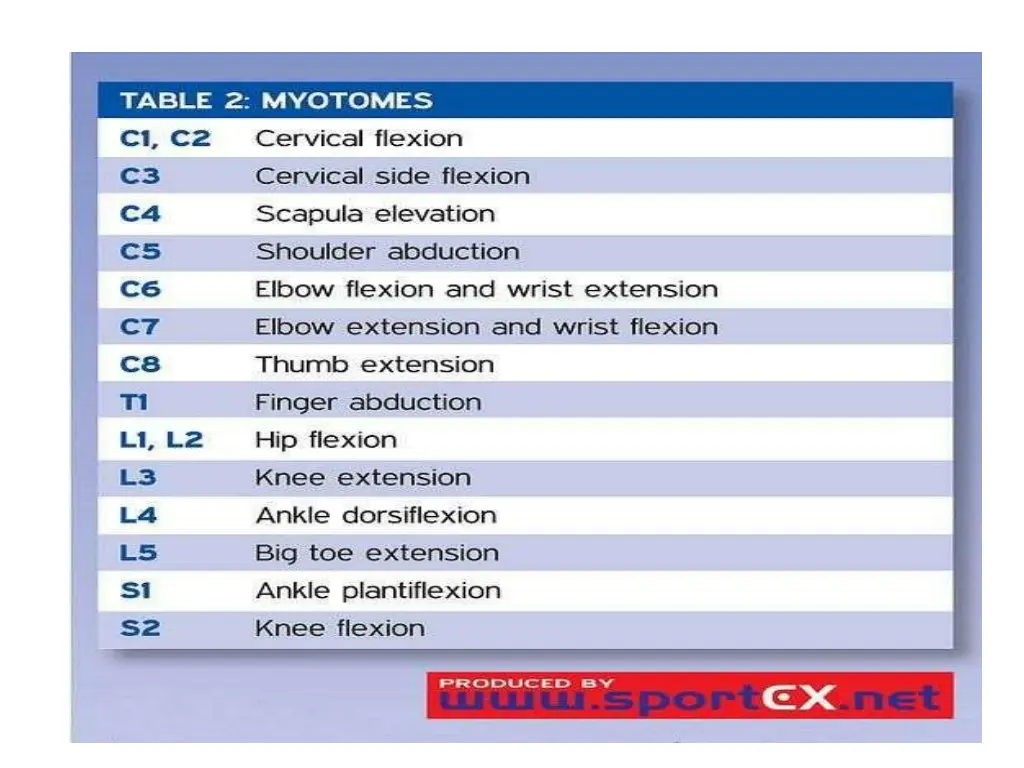
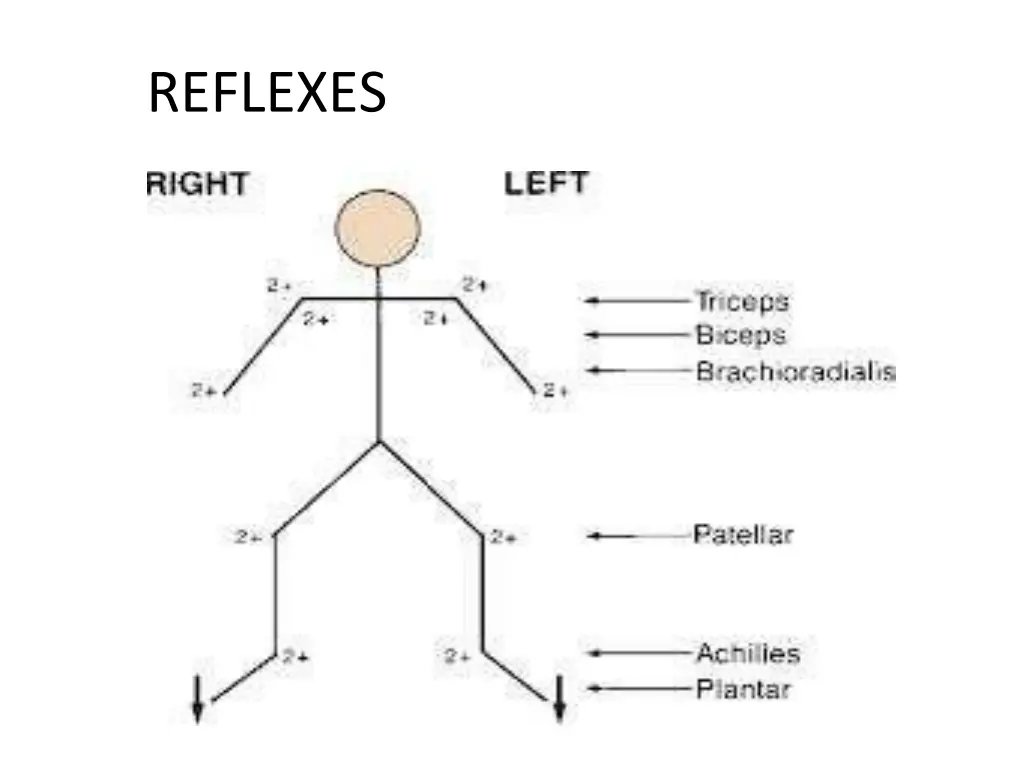
PRE&POST OP ASSESSMENT DERMATOMES MYOTOMES REFLEXES
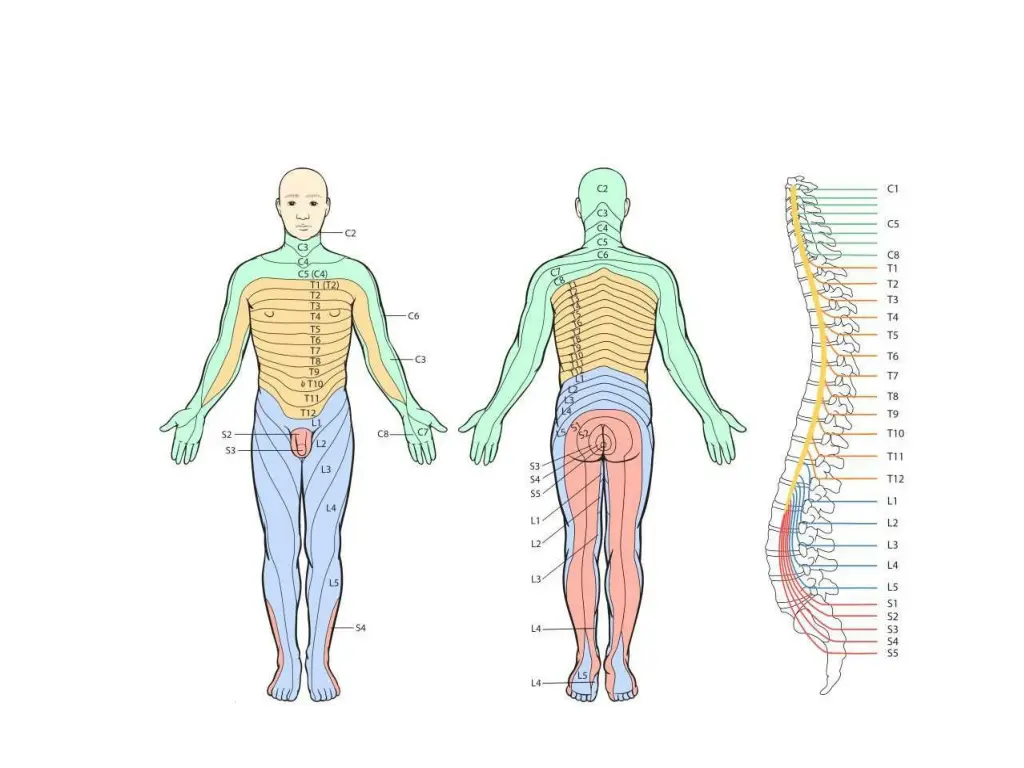
DERMATOMES A dermatome is an area of skin that is mainly supplied by a single spinal nerve. There are 8 cervical nerves (C1 being an exception with no dermatome), 12 thoracic nerves, 5 lumbar nerves and 5 sacral nerves
MYOTOMES A myotome is the group of muscles that a single spinal nerve innervates
PRESENTED BY M.UMASANKAR,B.P.T,C.M.P, PHYSIOTHERAPIST SNHRC.