Sex/Gender Differences in Pain Perception
This presentation explores the influence of sex and gender on pain perception. It delves into the differences in pain manifestation between males and females, reviews potential causes of these disparities, and discusses varying responses to pain treatment modalities. The content discusses the unique sensory and emotional components of pain, highlighting the significance of understanding sex-specific variations in pain experience.

Download Presentation

Please find below an Image/Link to download the presentation.
The content on the website is provided AS IS for your information and personal use only. It may not be sold, licensed, or shared on other websites without obtaining consent from the author.If you encounter any issues during the download, it is possible that the publisher has removed the file from their server.
You are allowed to download the files provided on this website for personal or commercial use, subject to the condition that they are used lawfully. All files are the property of their respective owners.
The content on the website is provided AS IS for your information and personal use only. It may not be sold, licensed, or shared on other websites without obtaining consent from the author.
E N D
Presentation Transcript
Submitted: January, 2020 SEX/GENDER AND PAIN PERCEPTION
Introduction Sex/Gender and Pain Perception
This slide set will explore sex differences in pain manifestation. Sex differences are important for patient assessment AND treatment Sex differences are significant in both the experimental AND clinical setting INTRODUCTION
Define clinical pain that may possess a sex difference Review potential cause of sex differences to pain perception Delineate differences in pain experience between males and females in the literature Discuss various factors contributing to perception of pain Describe differing responses to pharmacologic and other forms of treatment for pain OBJECTIVES
Pain: an unpleasant sensory and emotional experience associated with actual or potential tissue damage or described in terms of such damage (International Association for the Study of Pain 2015) Peer Reviewer: Thomas Zouki, MD TTUHSC Anesthesiology thomas.zouki@ttuhsc.edu Does not require tissue damage Is unique to each individual Influenced by external stimuli AND internal stimuli Influenced by race, ethnicity, culture, and sex Definition
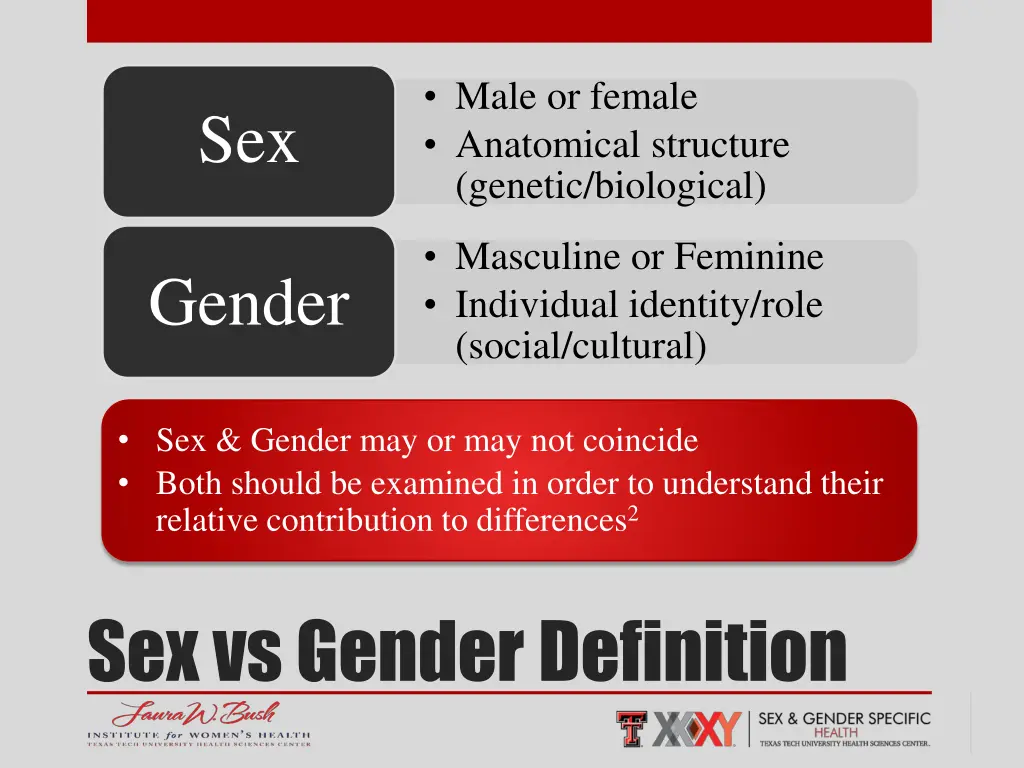
Male or female Anatomical structure (genetic/biological) Sex Masculine or Feminine Individual identity/role (social/cultural) Gender Sex & Gender may or may not coincide Both should be examined in order to understand their relative contribution to differences2 Sex vs Gender Definition
Female Pain Sensitivity Females have higher pain sensitivity than males Females posses less-efficient endogenous pain inhibitor capacity than males Results have been found among a variety of experimental pain modalities Severity of chronic pain Females report more severe pain than males Sex Difference in Pain Perception
Female Pain Sensitivity (cont.) Frequency of pain Females report more frequent bouts of pain than males Females have longer-lasting pain compared to males Distribution of pain Pain is more anatomically diffused among females than males Sex Difference in Pain Perception
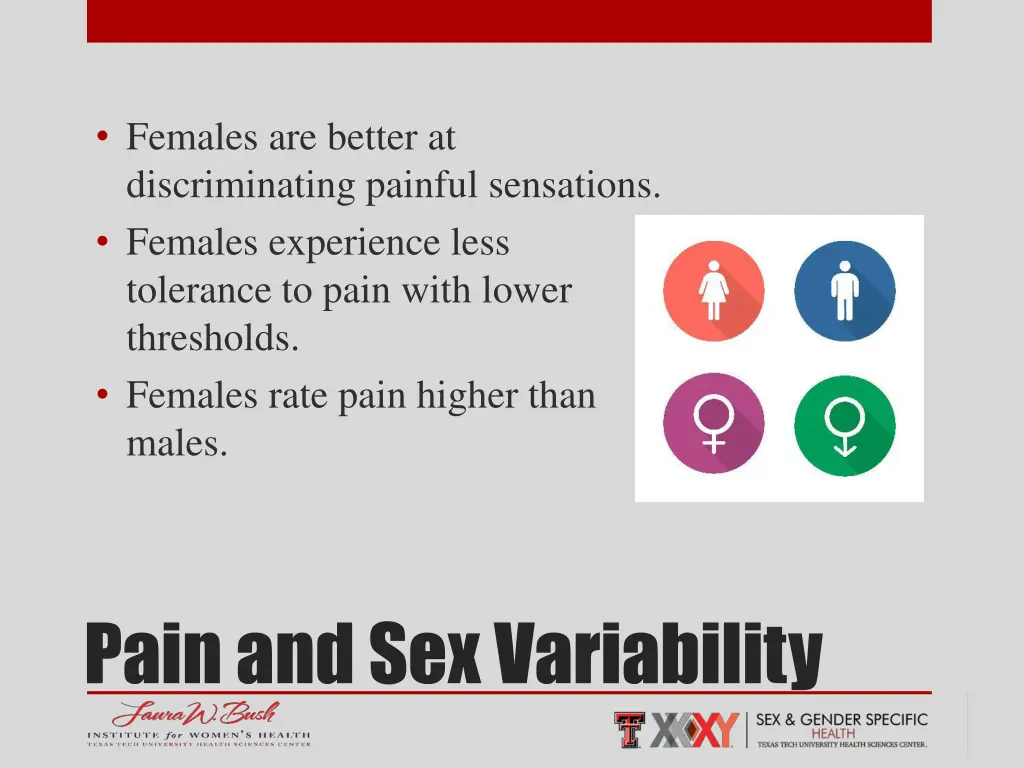
Females are better at discriminating painful sensations. Females experience less tolerance to pain with lower thresholds. Females rate pain higher than males. Pain and Sex Variability
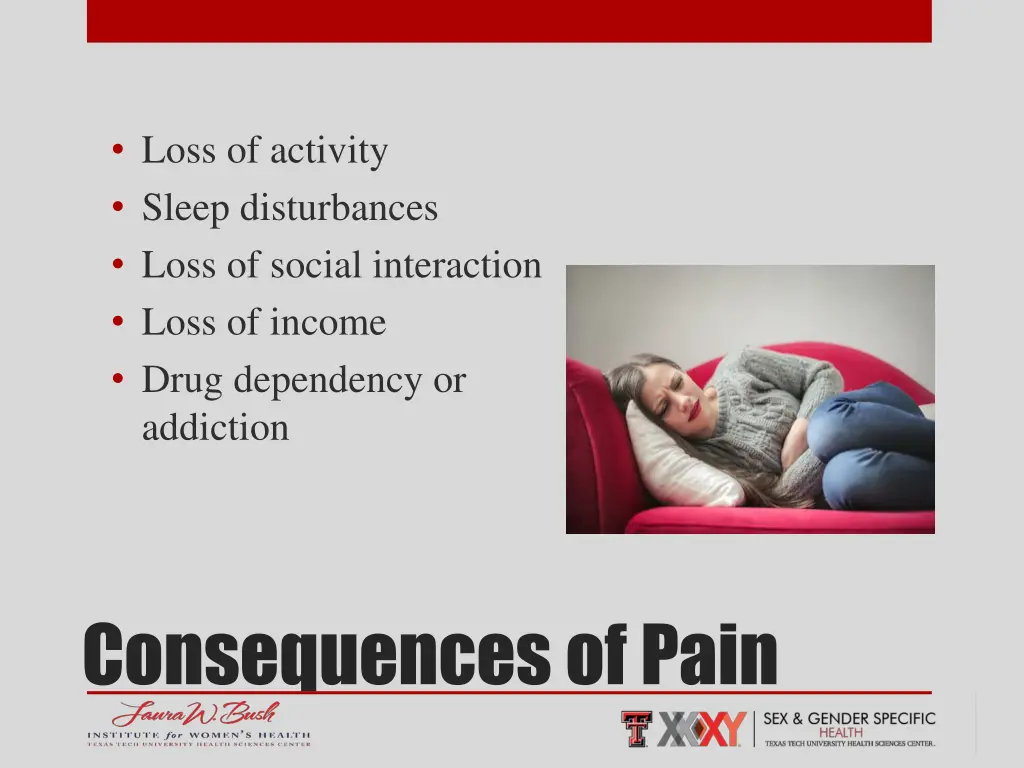
Loss of activity Sleep disturbances Loss of social interaction Loss of income Drug dependency or addiction Consequences of Pain
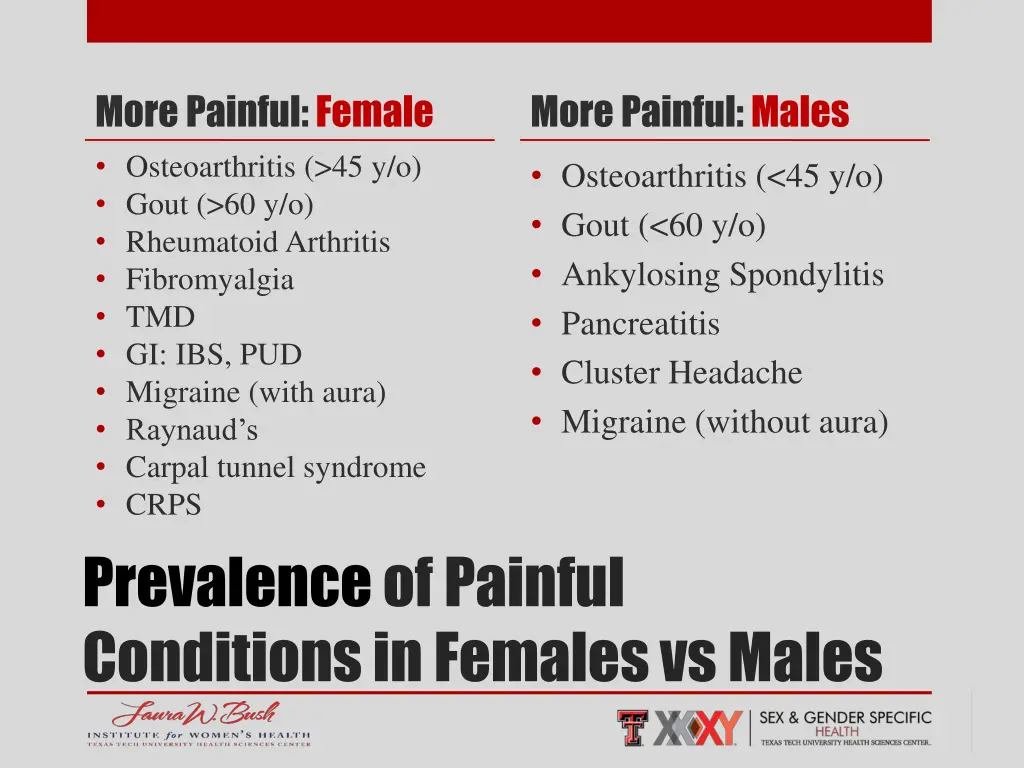
More Painful: Female Osteoarthritis (>45 y/o) Gout (>60 y/o) Rheumatoid Arthritis Fibromyalgia TMD GI: IBS, PUD Migraine (with aura) Raynaud s Carpal tunnel syndrome CRPS More Painful: Males Osteoarthritis (<45 y/o) Gout (<60 y/o) Ankylosing Spondylitis Pancreatitis Cluster Headache Migraine (without aura) Prevalence of Painful Conditions in Females vs Males
Anatomy & Physiology Sex/Gender and Pain Perception
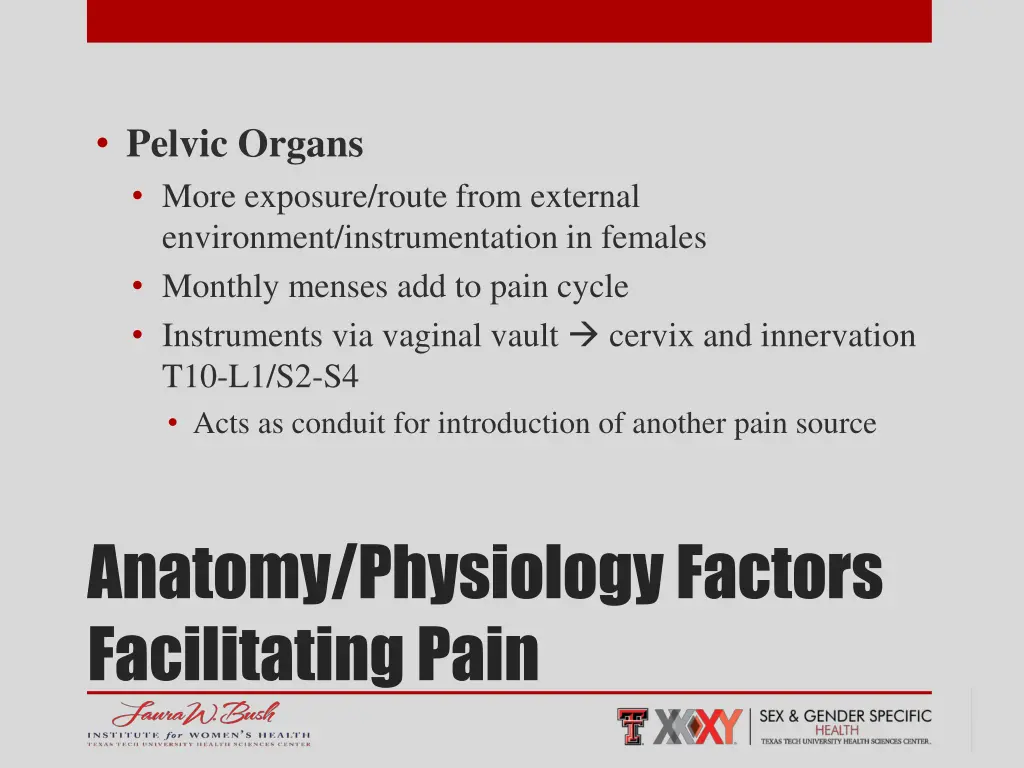
Pelvic Organs More exposure/route from external environment/instrumentation in females Monthly menses add to pain cycle Instruments via vaginal vault cervix and innervation T10-L1/S2-S4 Acts as conduit for introduction of another pain source Anatomy/Physiology Factors Facilitating Pain
Gonadal Hormones Effect on Pain Estrogen/progesterone vs testosterone Puberty Pregnancy Menopause Anatomy/Physiology Factors Facilitating Pain
Types of Clinical Pain Sex/Gender and Pain Perception
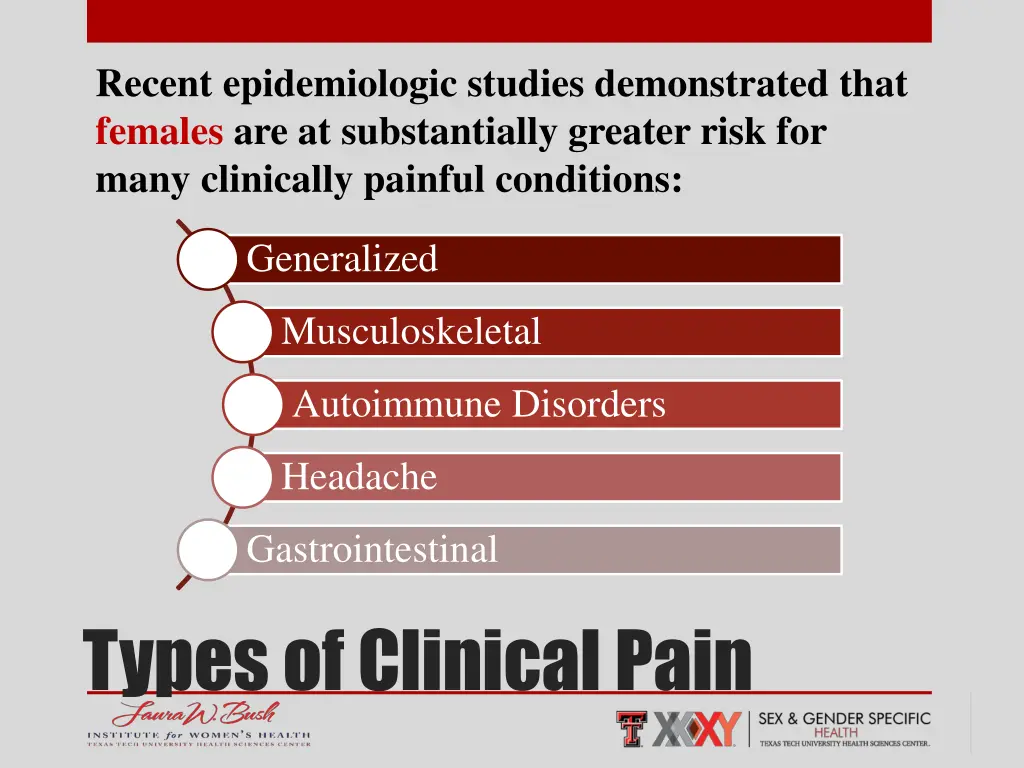
Recent epidemiologic studies demonstrated that females are at substantially greater risk for many clinically painful conditions: Generalized Musculoskeletal Autoimmune Disorders Headache Gastrointestinal Types of Clinical Pain
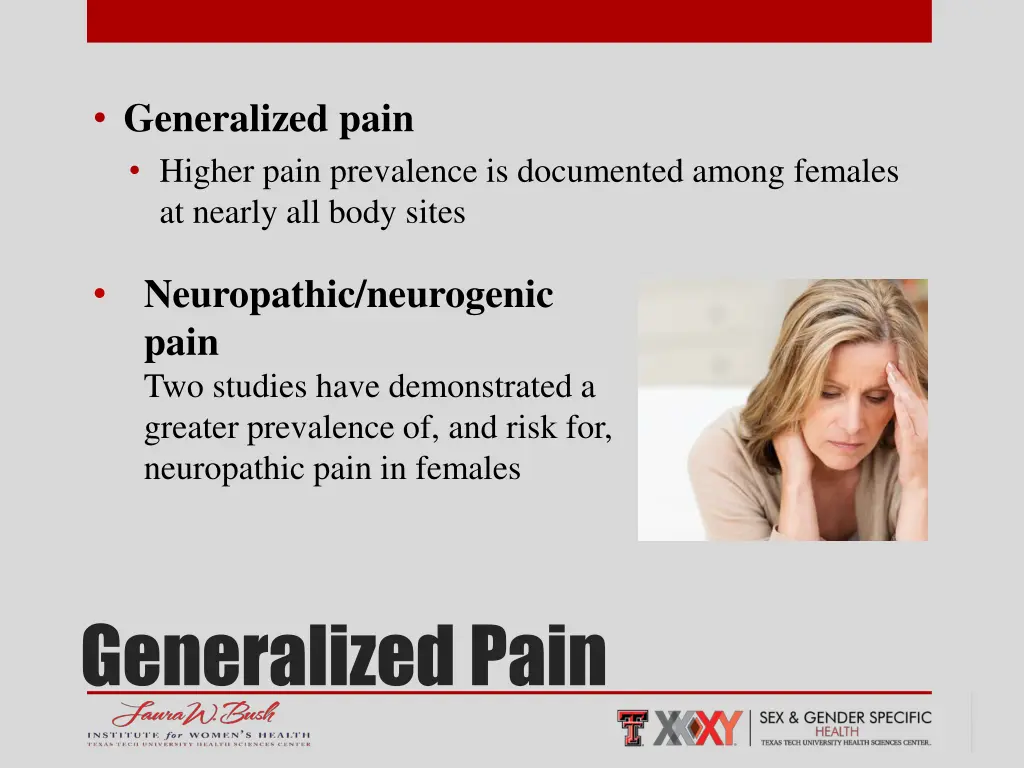
Generalized pain Higher pain prevalence is documented among females at nearly all body sites Neuropathic/neurogenic pain Two studies have demonstrated a greater prevalence of, and risk for, neuropathic pain in females Generalized Pain
Musculoskeletal (MSK) Pain Osteoarthritis A previous meta-analysis on sex differences in osteoarthritis using clinical markers indicated that females are at significantly increased risk for osteoarthritis (OA) in the knee and hand compared with males A more recent US cross-sectional survey reveals the prevalence of symptomatic knee OA in females almost doubles that of males, especially in the age group between 45-65 years old Musculoskeletal Pain
Musculoskeletal Pain (cont.) Low back pain (LBP) A higher prevalence of LBP was reported in Swedish females (24%) than males (21%) Within differences in lifetime, 1 year, and point prevalence among Norwegian and Swedish participants: Females had a higher prevalence of low back pain than males for both areas across all time periods, with the exception that males living in the Norwegian region had a higher lifetime prevalence of low back pain. Females have greater pain severity than males on the SF-36 bodily pain scale Musculoskeletal Pain
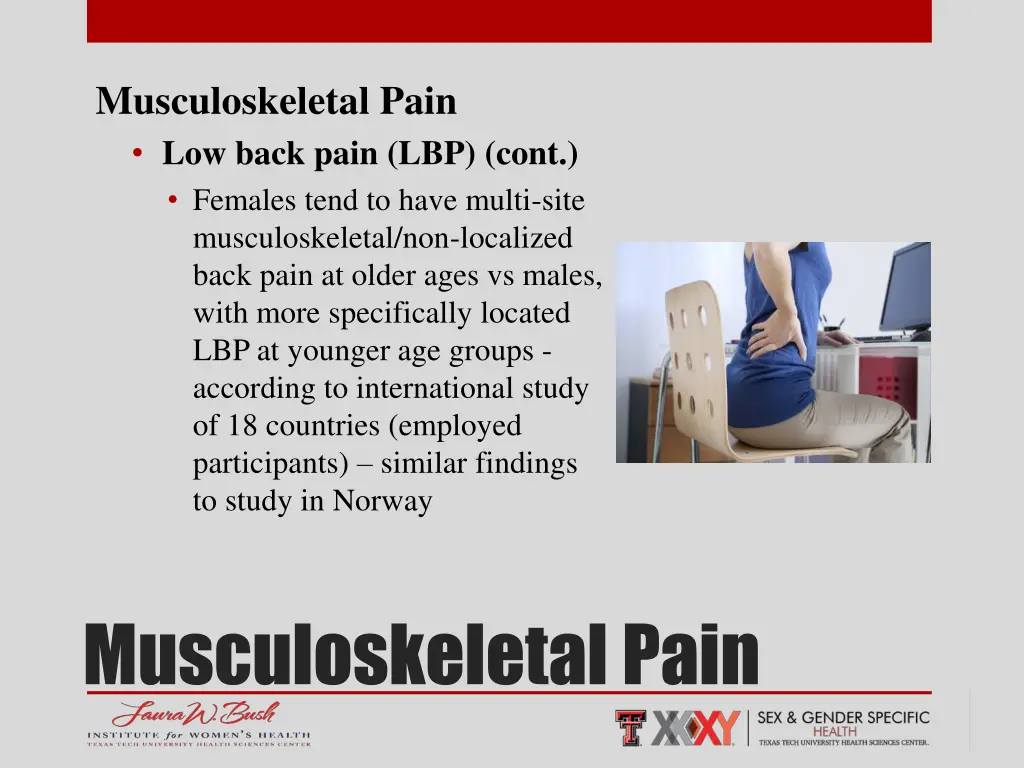
Musculoskeletal Pain Low back pain (LBP) (cont.) Females tend to have multi-site musculoskeletal/non-localized back pain at older ages vs males, with more specifically located LBP at younger age groups - according to international study of 18 countries (employed participants) similar findings to study in Norway Musculoskeletal Pain
Oral Maxillofacial (OMF) Pain Temporomandibular Disorder (TMD) Several studies of temporomandibular joint (TMJ) pain demonstrated a higher prevalence in females than males across the lifespan. TMD prevalence is between ~4 and 12 %, twice or more common in females than males. Females are more likely to seek care for TMJ pain. Oral Maxillofacial Pain
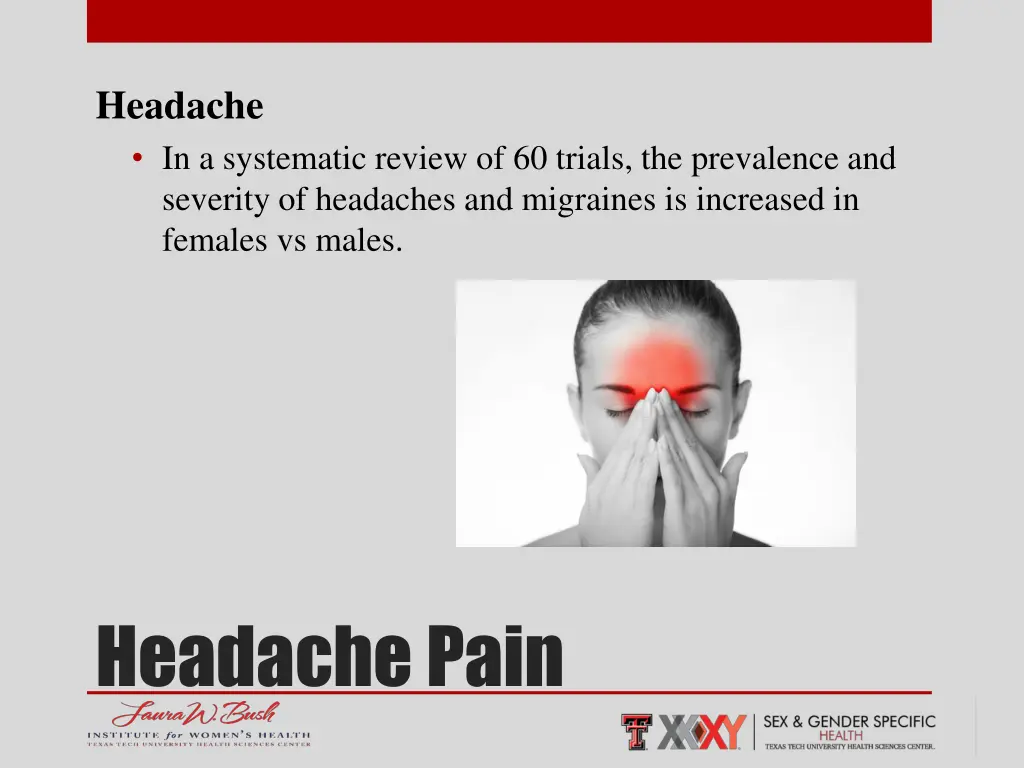
Headache In a systematic review of 60 trials, the prevalence and severity of headaches and migraines is increased in females vs males. Headache Pain
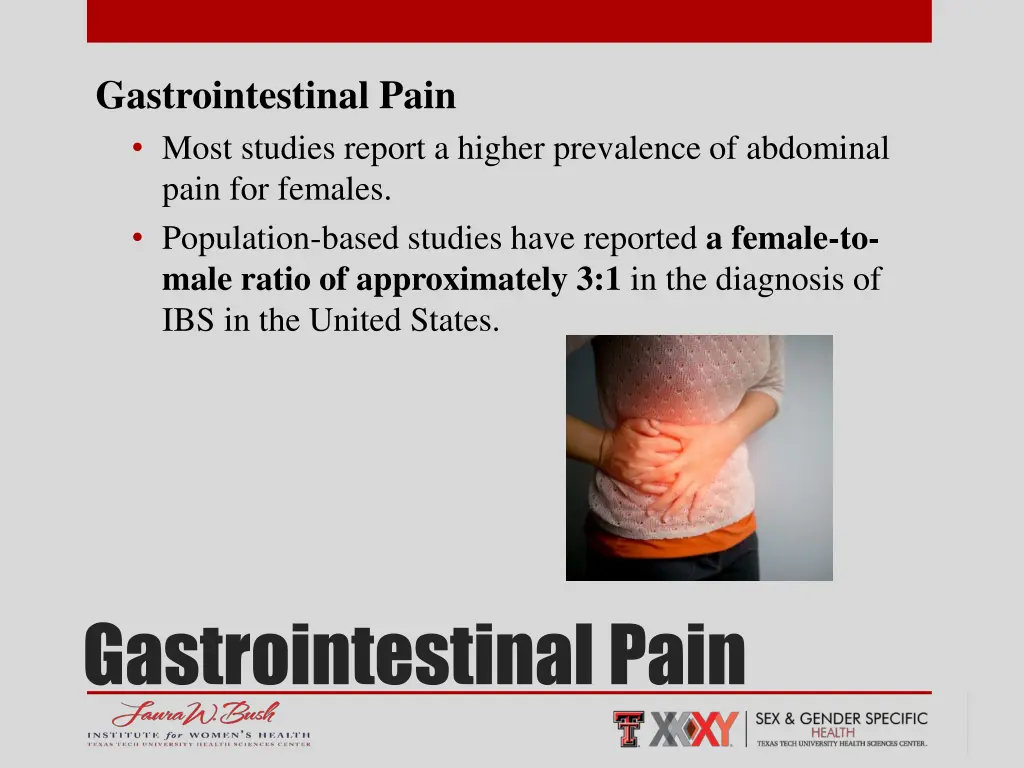
Gastrointestinal Pain Most studies report a higher prevalence of abdominal pain for females. Population-based studies have reported a female-to- male ratio of approximately 3:1 in the diagnosis of IBS in the United States. Gastrointestinal Pain
Post-operative Pain Mixed findings in gastrointestinal surgical procedures vs orthopaedic surgery No significant sex differences in major abdominal surgery as measured by post-op narcotic use Females with more pain post arthroscopic procedures and knee replacement surgery Post-Operative Pain
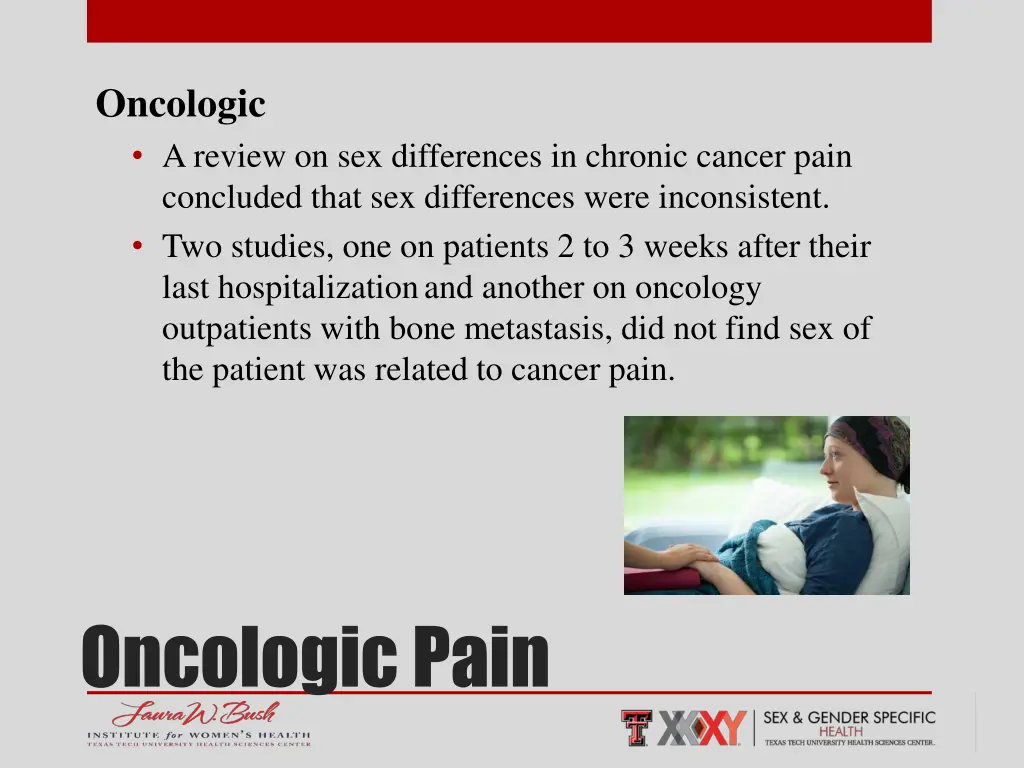
Oncologic A review on sex differences in chronic cancer pain concluded that sex differences were inconsistent. Two studies, one on patients 2 to 3 weeks after their last hospitalizationand another on oncology outpatients with bone metastasis, did not find sex of the patient was related to cancer pain. Oncologic Pain
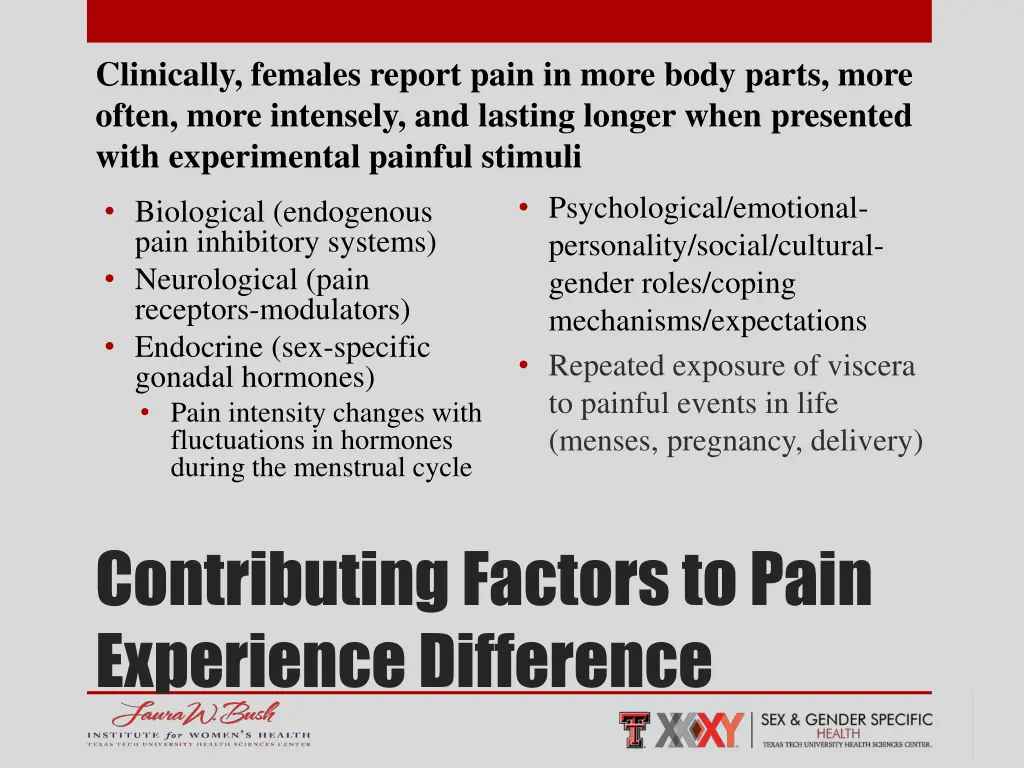
Clinically, females report pain in more body parts, more often, more intensely, and lasting longer when presented with experimental painful stimuli Psychological/emotional- personality/social/cultural- gender roles/coping mechanisms/expectations Repeated exposure of viscera to painful events in life (menses, pregnancy, delivery) Biological (endogenous pain inhibitory systems) Neurological (pain receptors-modulators) Endocrine (sex-specific gonadal hormones) Pain intensity changes with fluctuations in hormones during the menstrual cycle Contributing Factors to Pain Experience Difference
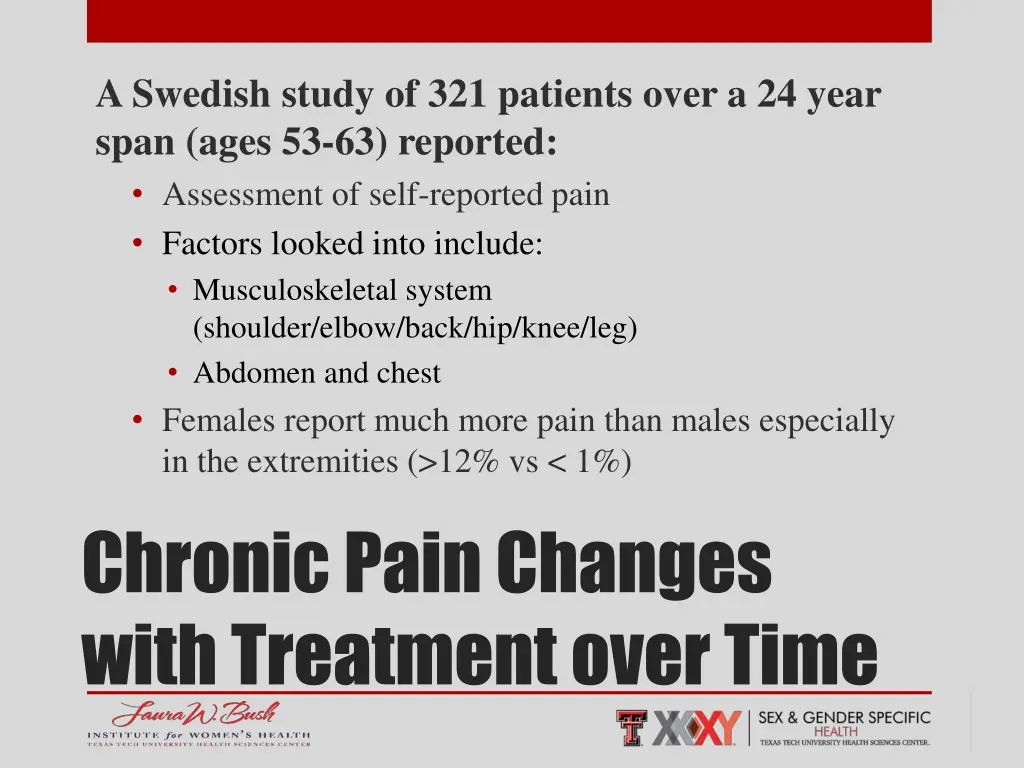
A Swedish study of 321 patients over a 24 year span (ages 53-63) reported: Assessment of self-reported pain Factors looked into include: Musculoskeletal system (shoulder/elbow/back/hip/knee/leg) Abdomen and chest Females report much more pain than males especially in the extremities (>12% vs < 1%) Chronic Pain Changes with Treatment over Time
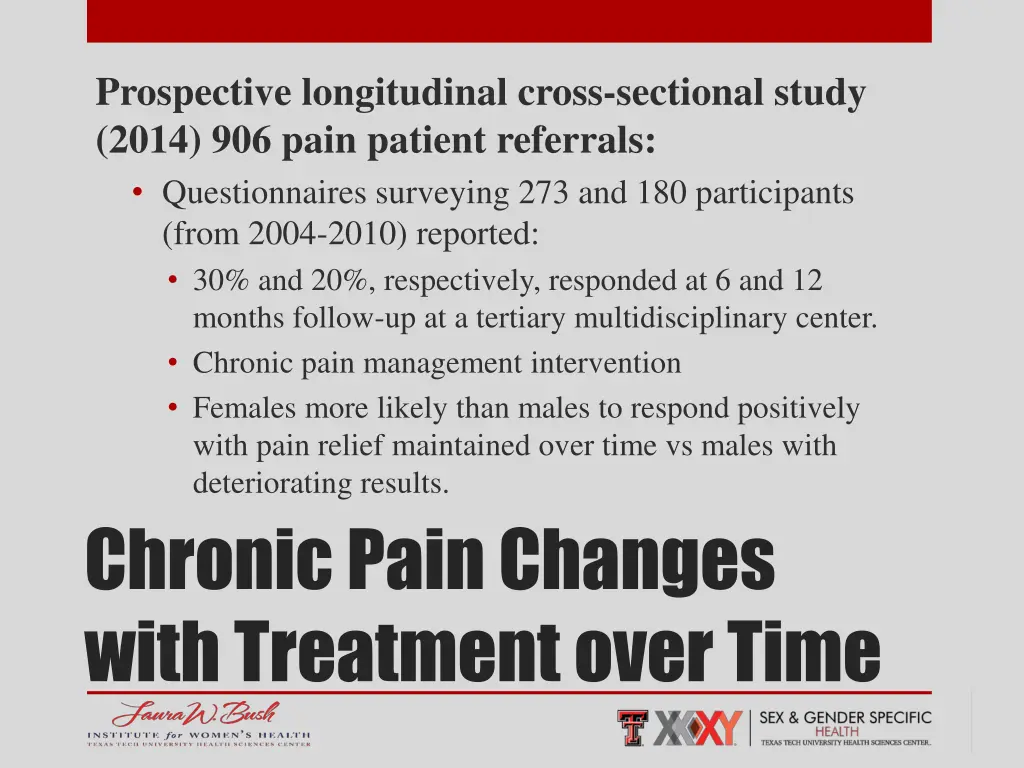
Prospective longitudinal cross-sectional study (2014) 906 pain patient referrals: Questionnaires surveying 273 and 180 participants (from 2004-2010) reported: 30% and 20%, respectively, responded at 6 and 12 months follow-up at a tertiary multidisciplinary center. Chronic pain management intervention Females more likely than males to respond positively with pain relief maintained over time vs males with deteriorating results. Chronic Pain Changes with Treatment over Time
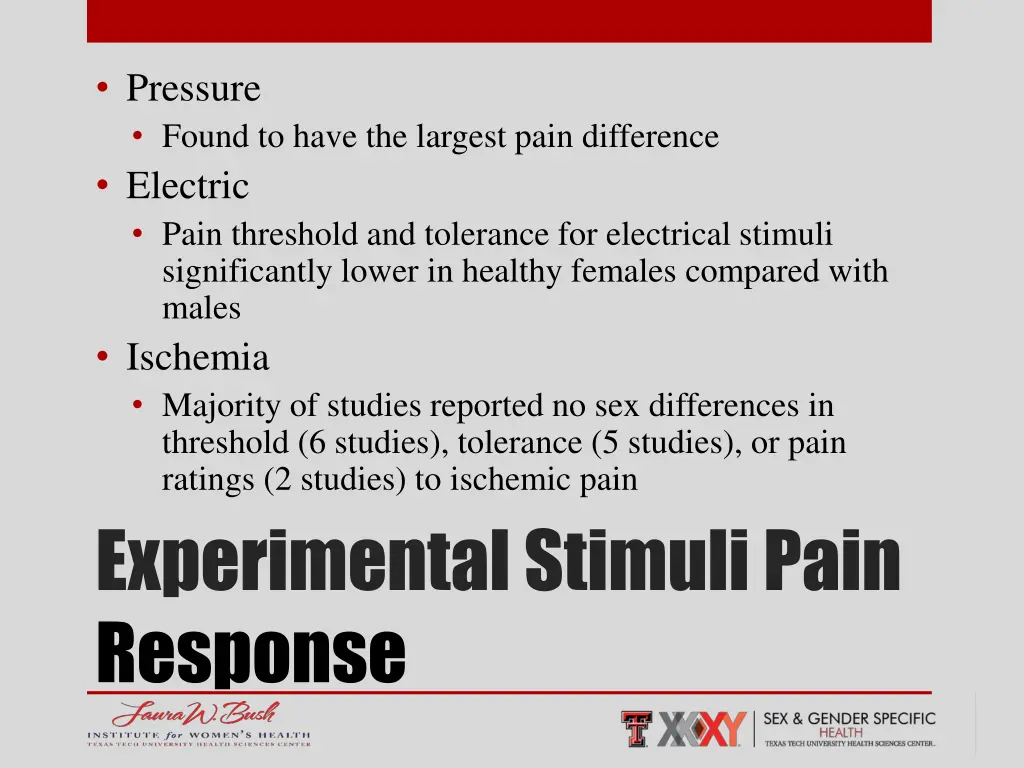
Pressure Found to have the largest pain difference Electric Pain threshold and tolerance for electrical stimuli significantly lower in healthy females compared with males Ischemia Majority of studies reported no sex differences in threshold (6 studies), tolerance (5 studies), or pain ratings (2 studies) to ischemic pain Experimental Stimuli Pain Response
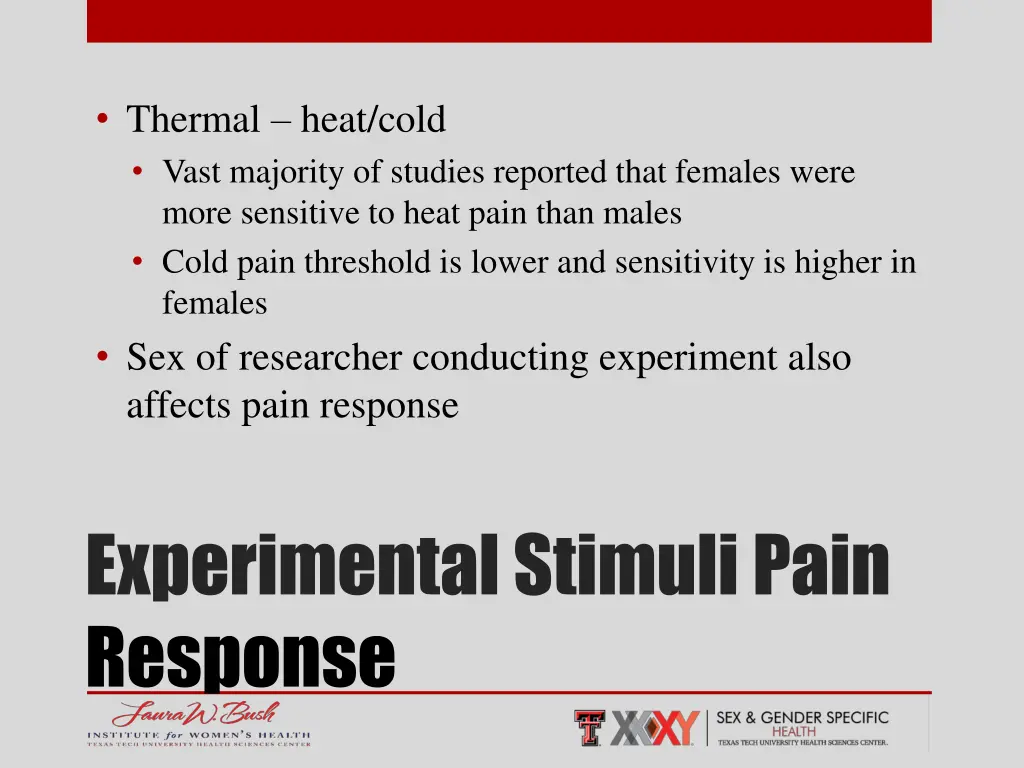
Thermal heat/cold Vast majority of studies reported that females were more sensitive to heat pain than males Cold pain threshold is lower and sensitivity is higher in females Sex of researcher conducting experiment also affects pain response Experimental Stimuli Pain Response
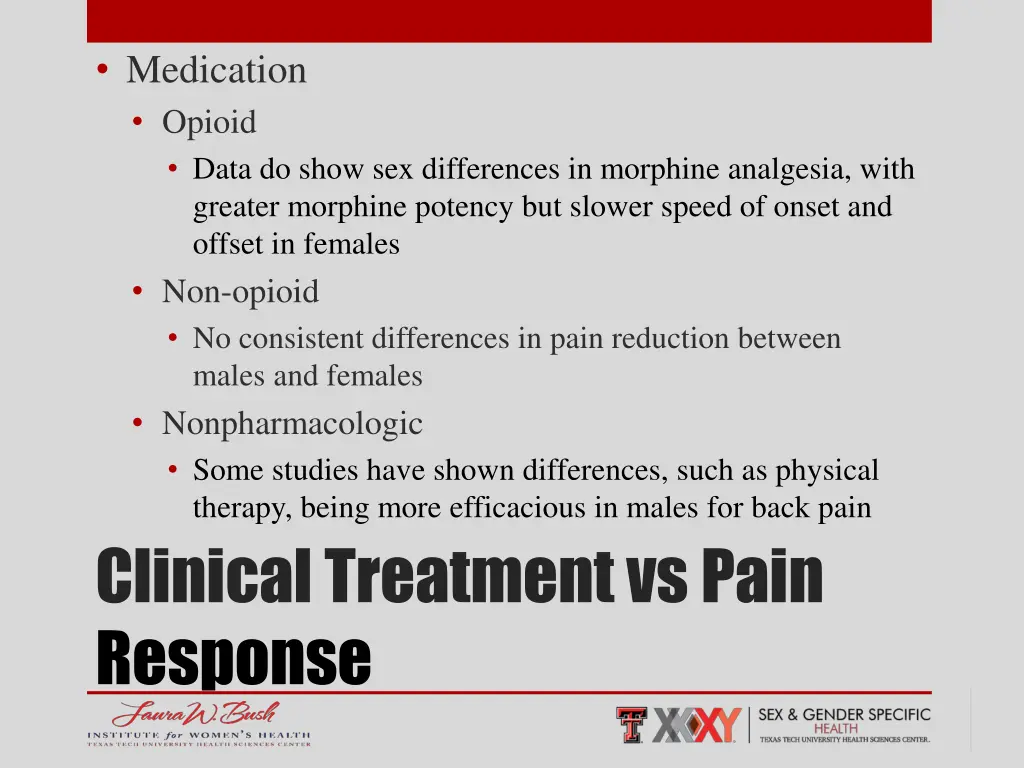
Medication Opioid Data do show sex differences in morphine analgesia, with greater morphine potency but slower speed of onset and offset in females Non-opioid No consistent differences in pain reduction between males and females Nonpharmacologic Some studies have shown differences, such as physical therapy, being more efficacious in males for back pain Clinical Treatment vs Pain Response
Treatment Pharmacology Sex/Gender and Pain Perception
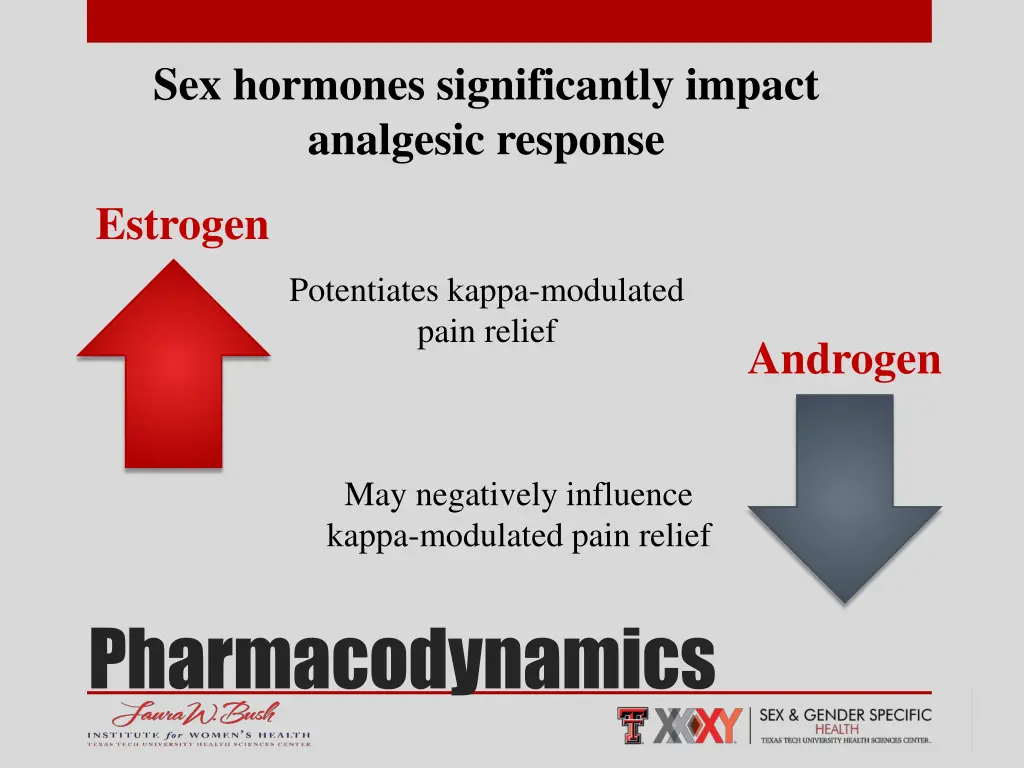
Sex hormones significantly impact analgesic response Estrogen Potentiates kappa-modulated pain relief Androgen May negatively influence kappa-modulated pain relief Pharmacodynamics
Males metabolize medications faster Females have decreased clearance Males experience increased free-fraction of medication Equivalent to females on oral contraceptives Pharmacodynamics
Ibuprofen Commonly prescribed for acute injury Plasma concentration similar in males and females Females report lack of analgesic effect compared to males Clinical Example
Treatment Mechanisms Sex/Gender and Pain Perception
Endocrine/Hormonal Inconsistent findings of which menstrual phase or whether postmenopausal HRT affects pain thresholds in females Estrogen with thermal and progesterone with cold sensitivity/tolerance Estrogen bone/joint pain Changes in pain across the menstrual cycle affected by temporal fluctuations Mechanism Influencing Pain Response to Treatment
Chemical Dopamine may influence fibromyalgia Serotonin contributes to IBS and migraines NDMA (N-Nitrosodimethylamine) Foodstuff byproduct/water contaminant (headache as side effect) Mechanism Influencing Pain Response to Treatment
Psychosocial Gender bias masculine vs feminine pain permissive with exceptions-myocardial infarction (MI) but not in all studies reviewed Affective/EmotionalDistress Anxiety sensitivity in females w/MI Somatic symptoms of depression are more common in females with osteoarthritis and cancer compared to males Mechanism Influencing Pain Response to Treatment
Psychological Treatment Mechanisms/Modalities Sex/Gender and Pain Perception
Psychosocial Occupation While males are more likely to have jobs that require prolonged standing, females in similar jobs report more lower extremity pain compared to males (Messing, Tissot, & Stock, 2008). Women report more ankle foot pain Women report more leg/calf pain Psychological Mechanism Influencing Pain Response to Treatment
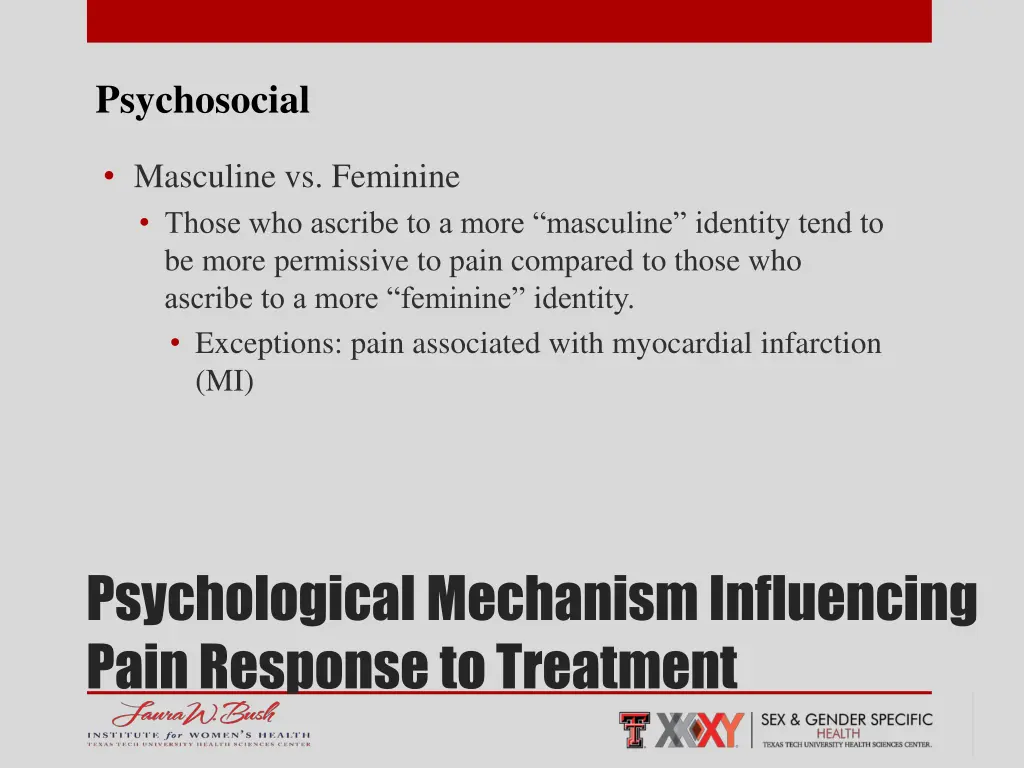
Psychosocial Masculine vs. Feminine Those who ascribe to a more masculine identity tend to be more permissive to pain compared to those who ascribe to a more feminine identity. Exceptions: pain associated with myocardial infarction (MI) Psychological Mechanism Influencing Pain Response to Treatment
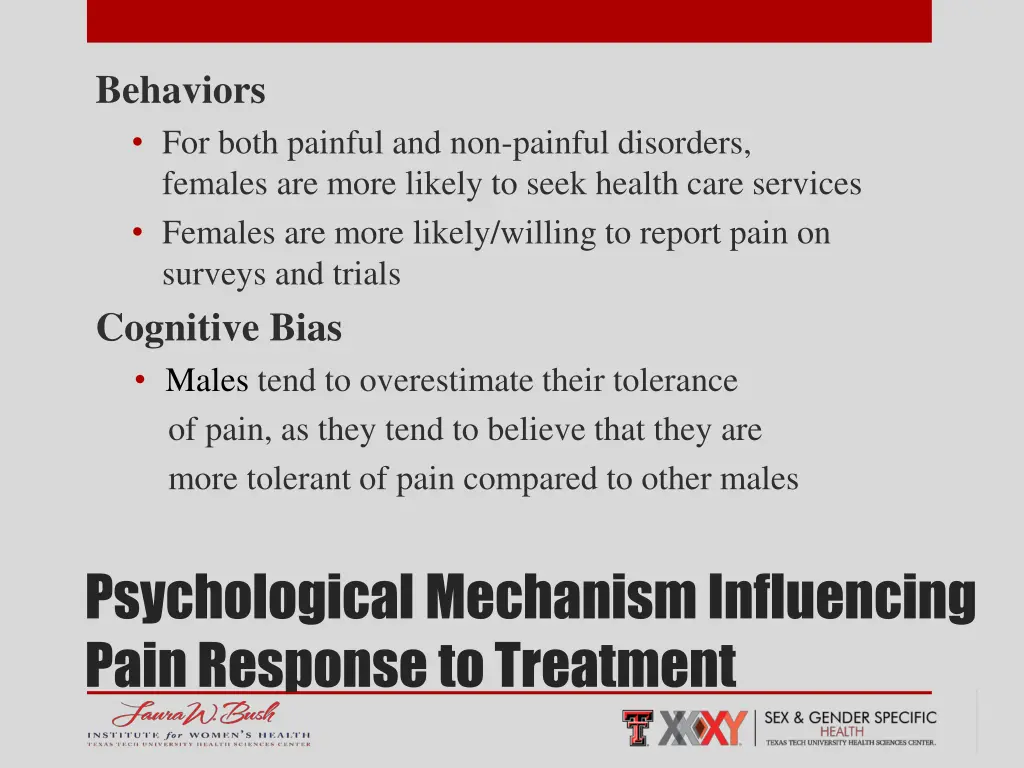
Behaviors For both painful and non-painful disorders, females are more likely to seek health care services Females are more likely/willing to report pain on surveys and trials Cognitive Bias Males tend to overestimate their tolerance of pain, as they tend to believe that they are more tolerant of pain compared to other males Psychological Mechanism Influencing Pain Response to Treatment
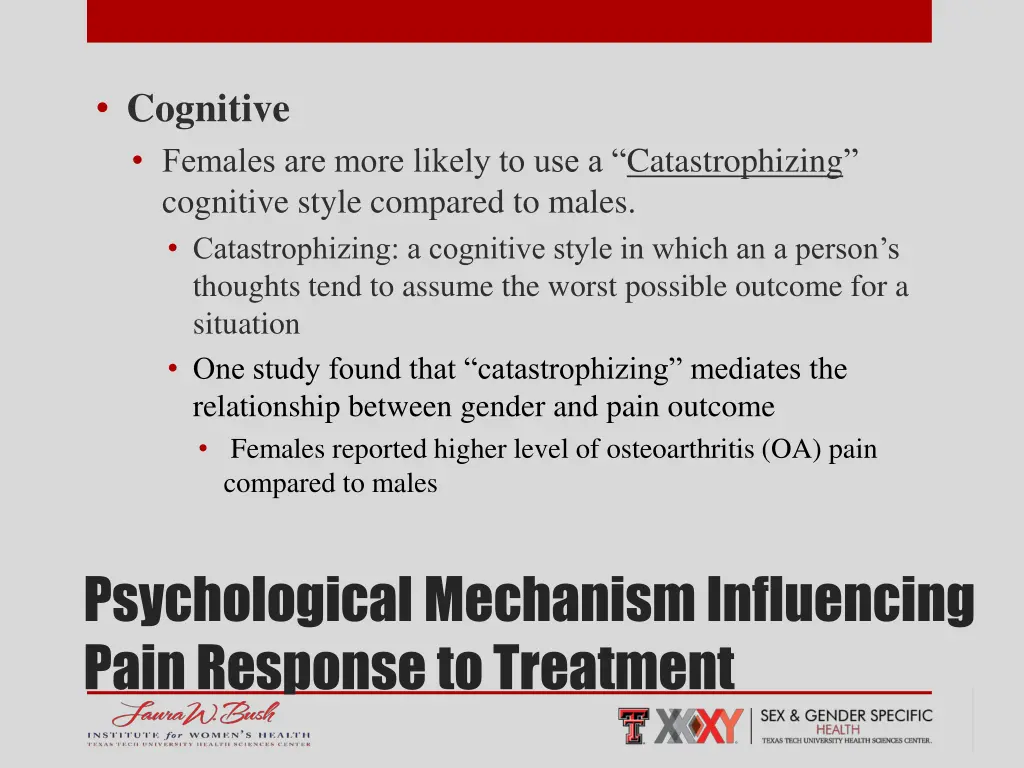
Cognitive Females are more likely to use a Catastrophizing cognitive style compared to males. Catastrophizing: a cognitive style in which an a person s thoughts tend to assume the worst possible outcome for a situation One study found that catastrophizing mediates the relationship between gender and pain outcome Females reported higher level of osteoarthritis (OA) pain compared to males Psychological Mechanism Influencing Pain Response to Treatment
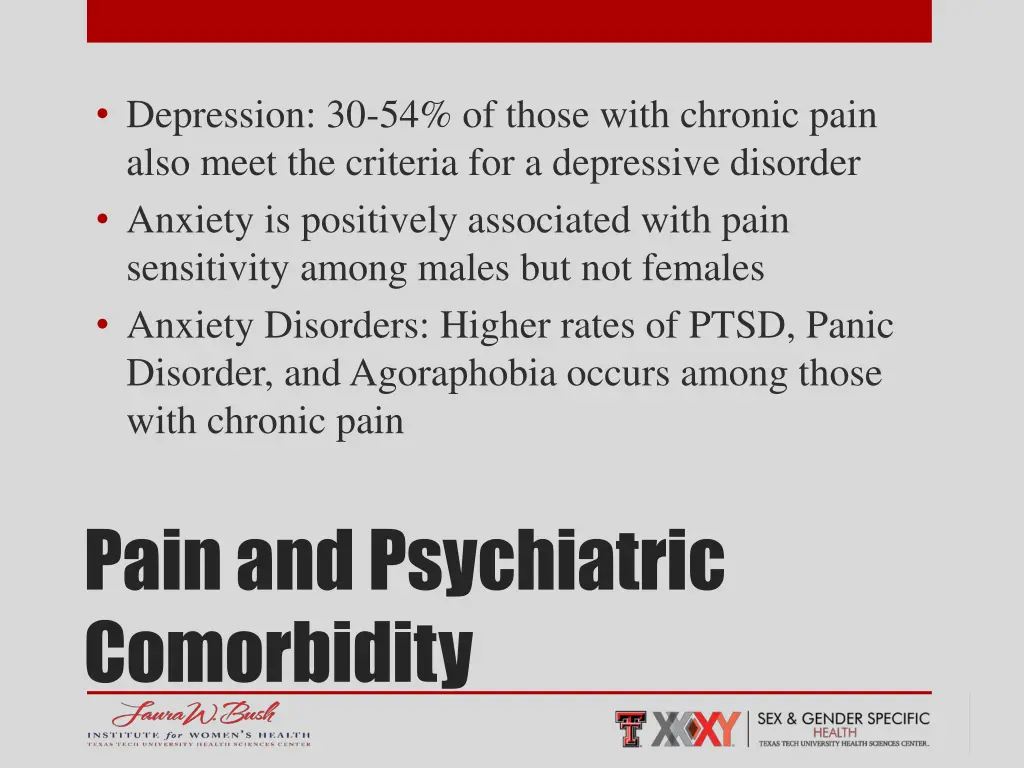
Depression: 30-54% of those with chronic pain also meet the criteria for a depressive disorder Anxiety is positively associated with pain sensitivity among males but not females Anxiety Disorders: Higher rates of PTSD, Panic Disorder, and Agoraphobia occurs among those with chronic pain Pain and Psychiatric Comorbidity
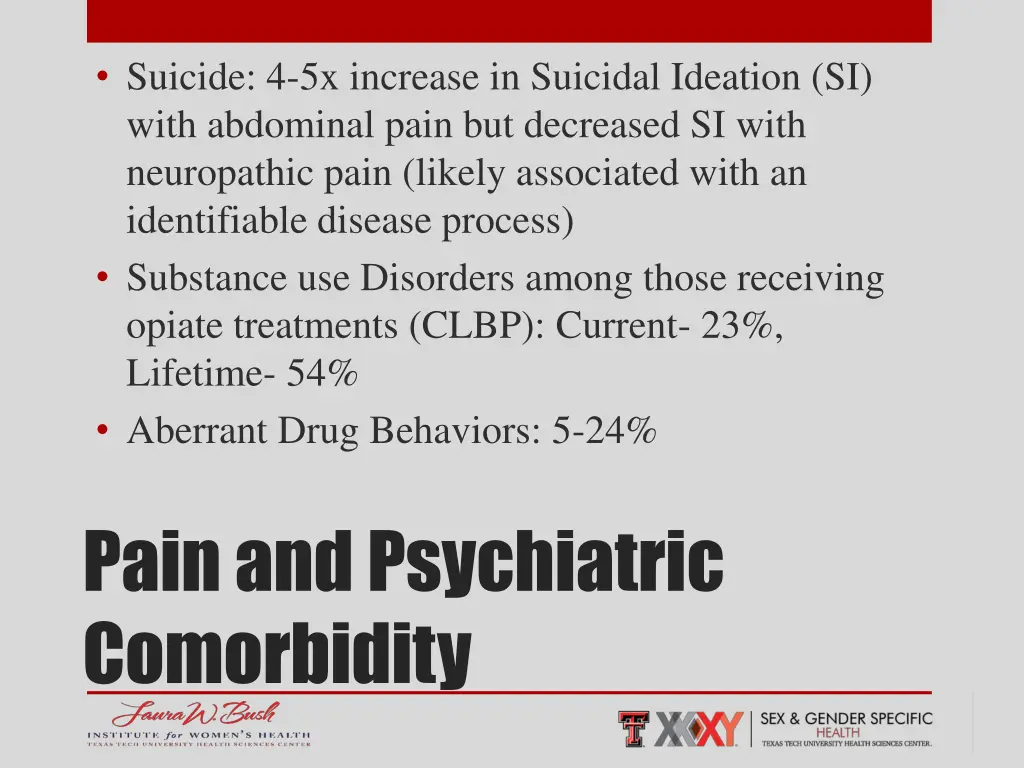
Suicide: 4-5x increase in Suicidal Ideation (SI) with abdominal pain but decreased SI with neuropathic pain (likely associated with an identifiable disease process) Substance use Disorders among those receiving opiate treatments (CLBP): Current- 23%, Lifetime- 54% Aberrant Drug Behaviors: 5-24% Pain and Psychiatric Comorbidity
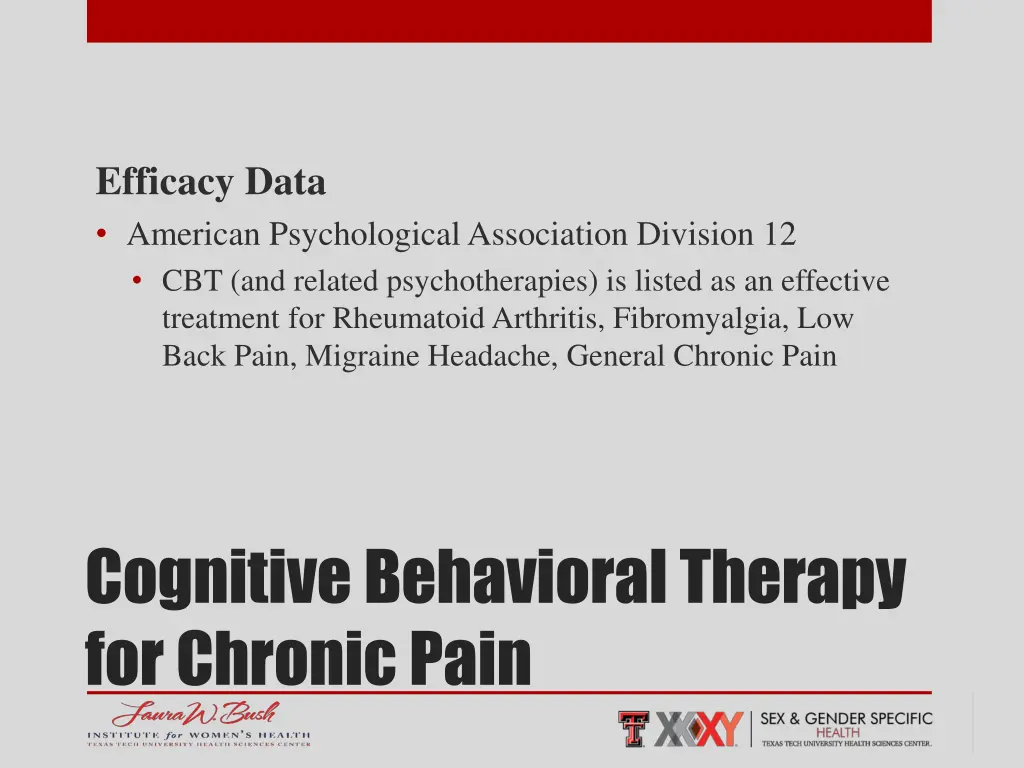
Efficacy Data American Psychological Association Division 12 CBT (and related psychotherapies) is listed as an effective treatment for Rheumatoid Arthritis, Fibromyalgia, Low Back Pain, Migraine Headache, General Chronic Pain Cognitive Behavioral Therapy for Chronic Pain
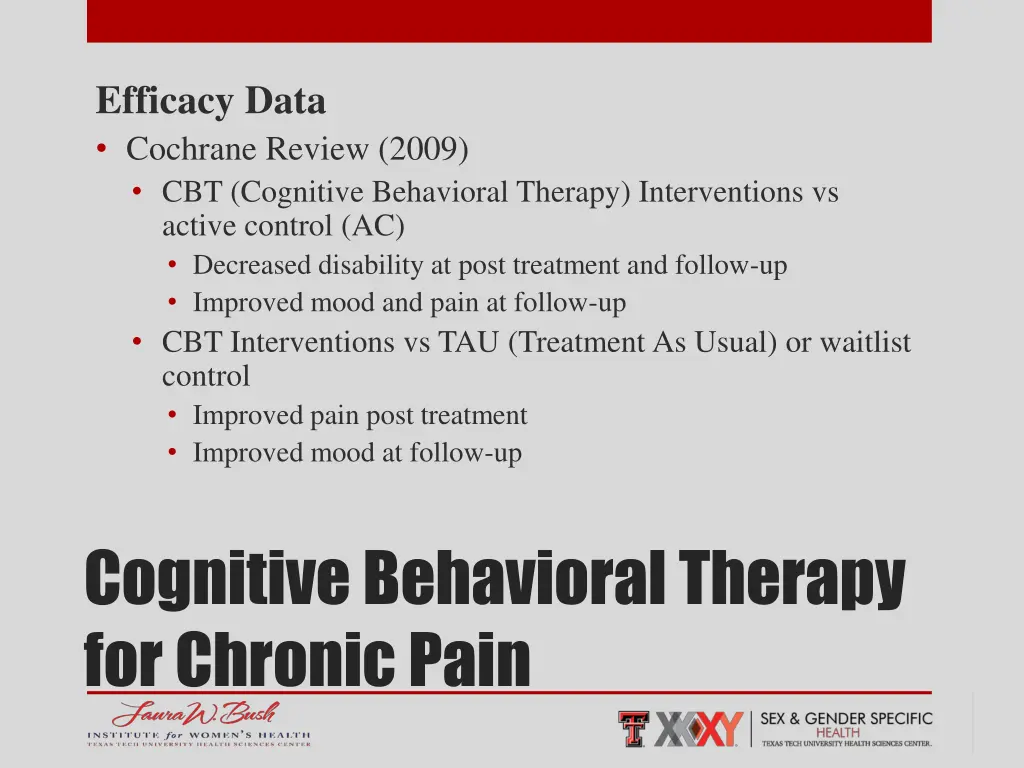
Efficacy Data Cochrane Review (2009) CBT (Cognitive Behavioral Therapy) Interventions vs active control (AC) Decreased disability at post treatment and follow-up Improved mood and pain at follow-up CBT Interventions vs TAU (Treatment As Usual) or waitlist control Improved pain post treatment Improved mood at follow-up Cognitive Behavioral Therapy for Chronic Pain
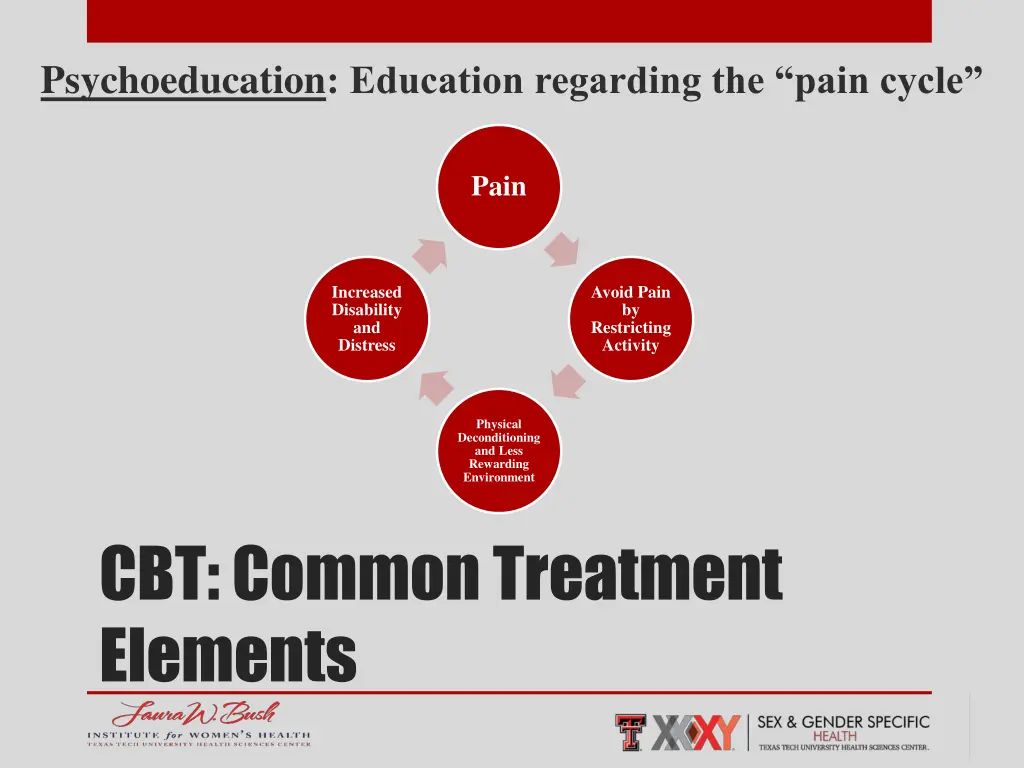
Psychoeducation: Education regarding the pain cycle Pain Increased Disability and Distress Avoid Pain by Restricting Activity Physical Deconditioning and Less Rewarding Environment CBT: Common Treatment Elements
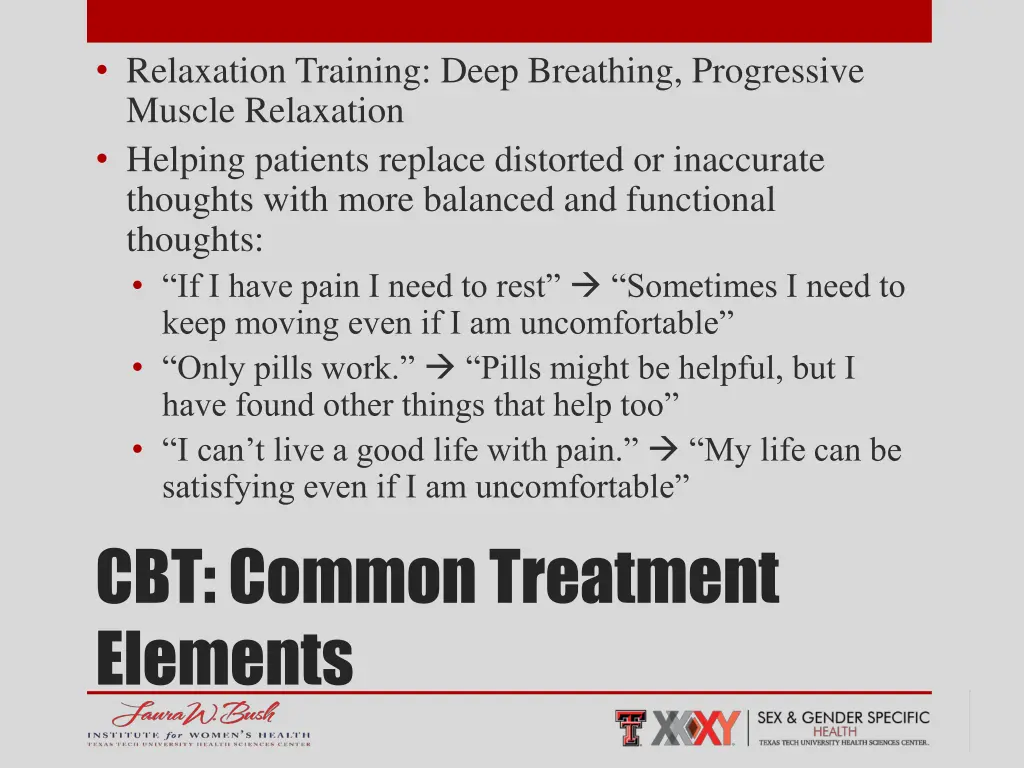
Relaxation Training: Deep Breathing, Progressive Muscle Relaxation Helping patients replace distorted or inaccurate thoughts with more balanced and functional thoughts: If I have pain I need to rest Sometimes I need to keep moving even if I am uncomfortable Only pills work. Pills might be helpful, but I have found other things that help too I can t live a good life with pain. My life can be satisfying even if I am uncomfortable CBT: Common Treatment Elements