Some definitions
Uncover the intricate relationships between organisms and their environment within ecosystems. Learn about biotic and abiotic components, ecological importance, biochemical cycles, and sustainable development principles.

Download Presentation

Please find below an Image/Link to download the presentation.
The content on the website is provided AS IS for your information and personal use only. It may not be sold, licensed, or shared on other websites without obtaining consent from the author.If you encounter any issues during the download, it is possible that the publisher has removed the file from their server.
You are allowed to download the files provided on this website for personal or commercial use, subject to the condition that they are used lawfully. All files are the property of their respective owners.
The content on the website is provided AS IS for your information and personal use only. It may not be sold, licensed, or shared on other websites without obtaining consent from the author.
E N D
Presentation Transcript
Some definitions 1. Environment - Environment is air,water,land ,human beings and other life forms and their relationships between them. 2. Ecology -Ecology is the study of organisms in their natural homes interacting with their surroundings. 3. Ecosystem - An ecosystem is a self regulating group of biotic community of species interacting with one another and with their non living environment exchanging matter and energy.
Structure of an ecosystem An ecosystem consists of both biotic (living) and abiotic (non living) components
Biotic components Biotic components include all living organisms present in the eco system such as plants , animals and micro - organisms. Or they can be categorised as a) Producers b) Consumers c) Decomposers
Biotic components (contd.) 1.Producers- Mainly green plants which synthesize their own food. 2. Consumers - This consists of all organisms which feed upon other organisms . Are of following types i) Herbivores ii) Carnivores iii) Omnivores iv) Detritivores 3. Decomposers - They get nutrition by breaking complex organic molecules into simple organic compounds and then into inorganic nutrients .
Abiotic components This constitutes - a) physical components as climate, available water , sunlight, temperature, rainfall etc. b) chemical components such as carbon, hydrogen, oxygen, nitrogen , phosphorus , salts, soil etc.
Importance of ecosystem Ecosystems are important for human life because because they provide a lot of valuable services which includes everything from clean air and water to food and fuel. Ecosystems clean and store fresh water , maintain air quality , regulate climate, prevent erosion, maintain soil productivity , maintain biological and genetic diversity.
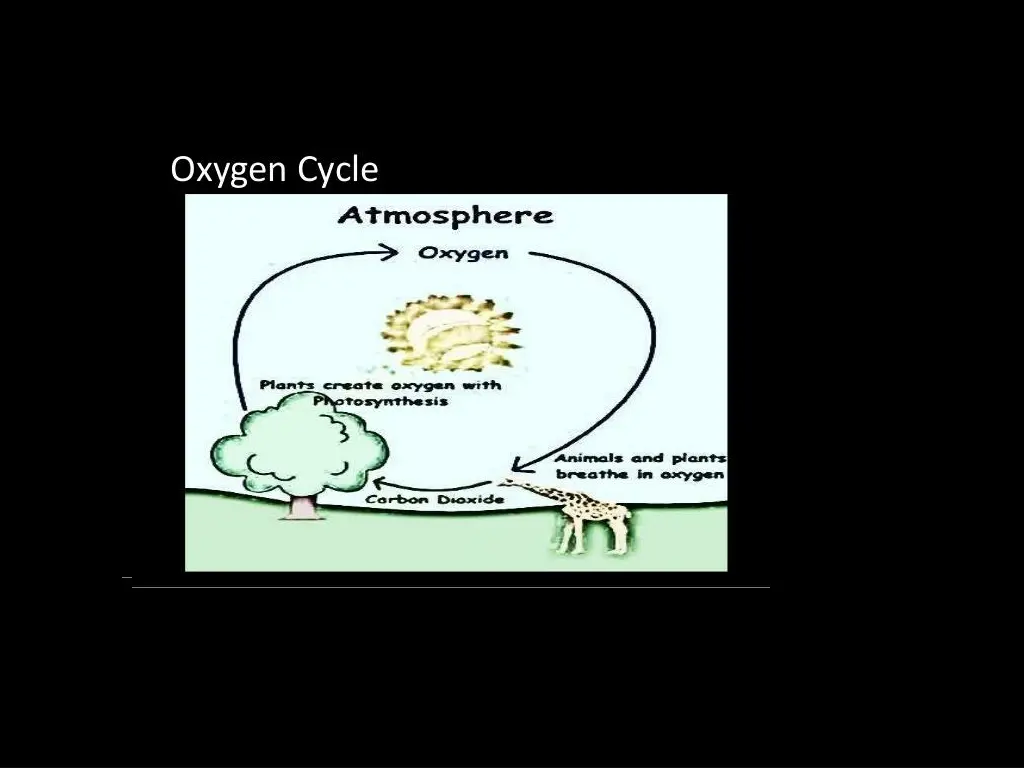
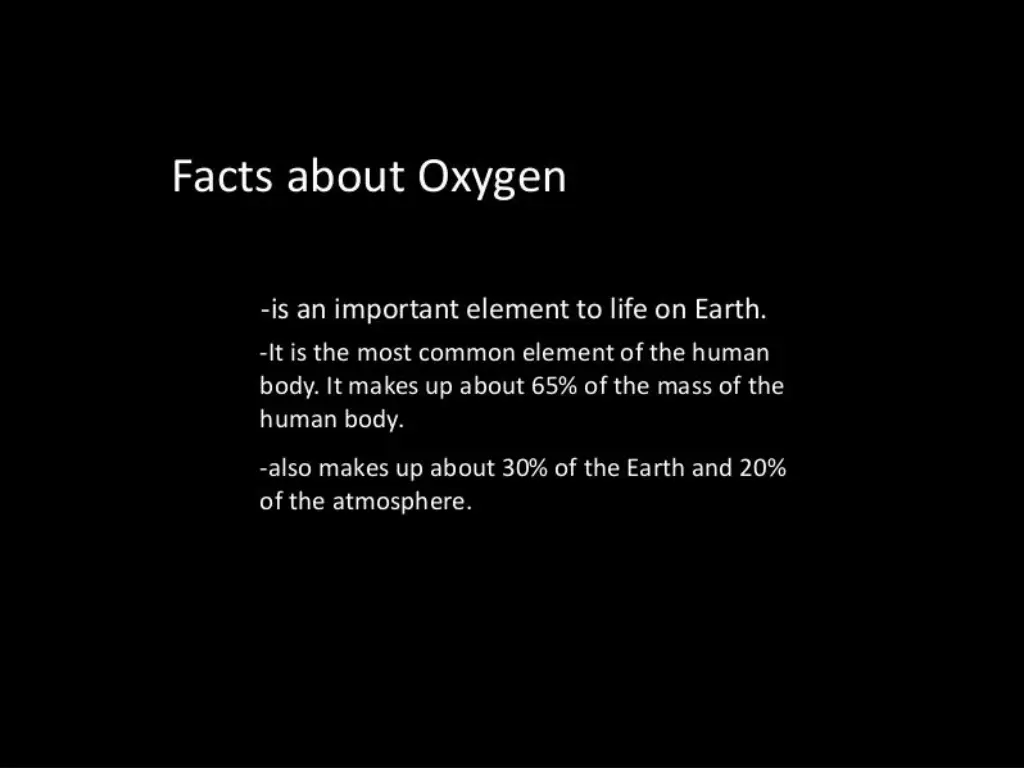
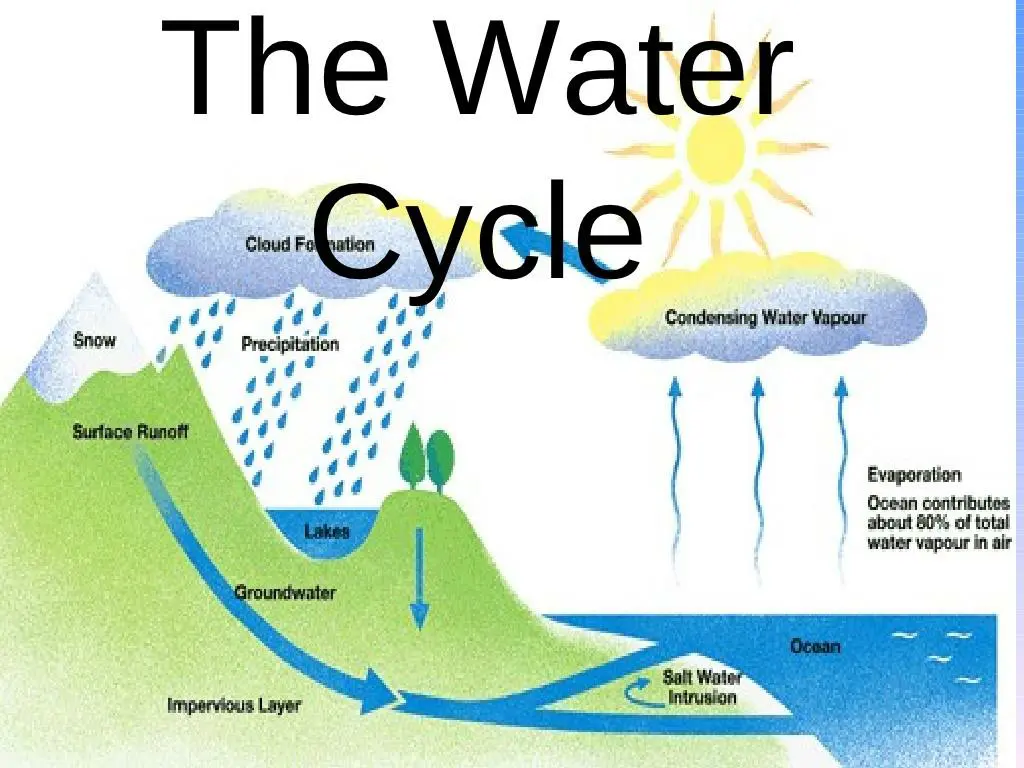
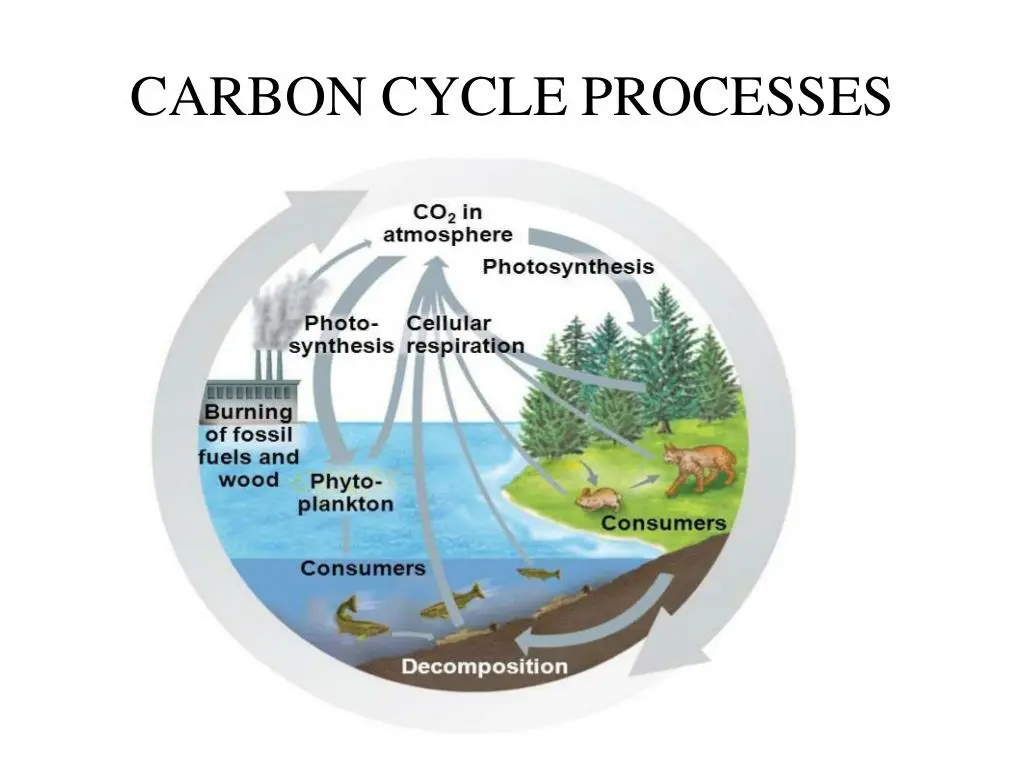
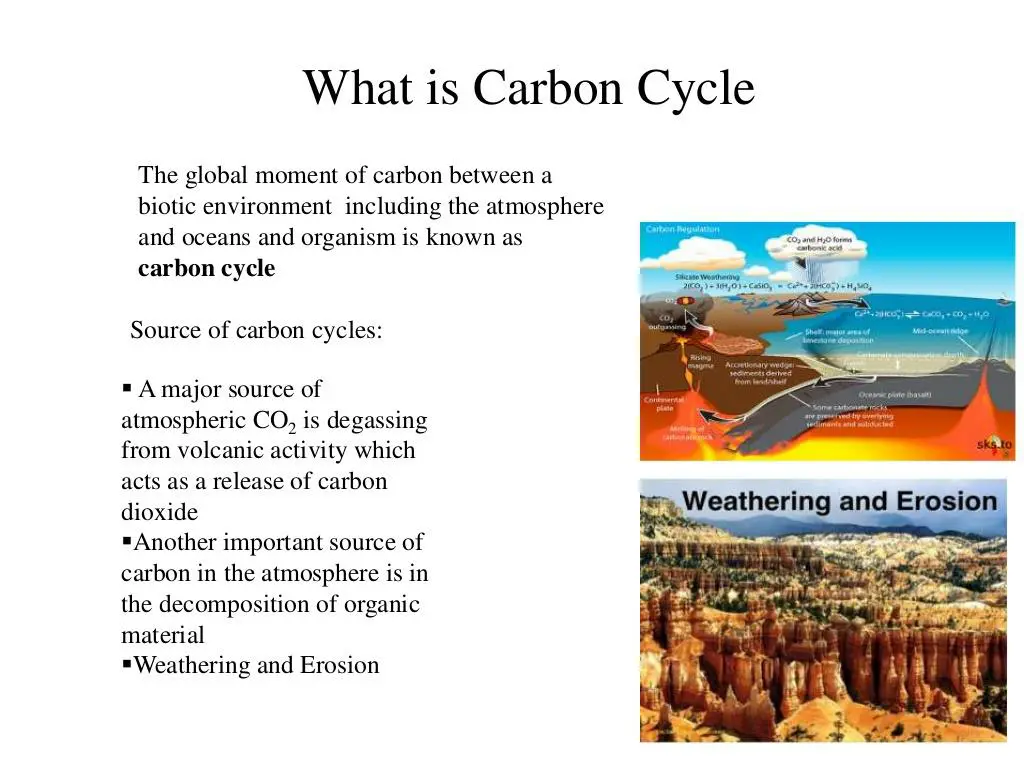
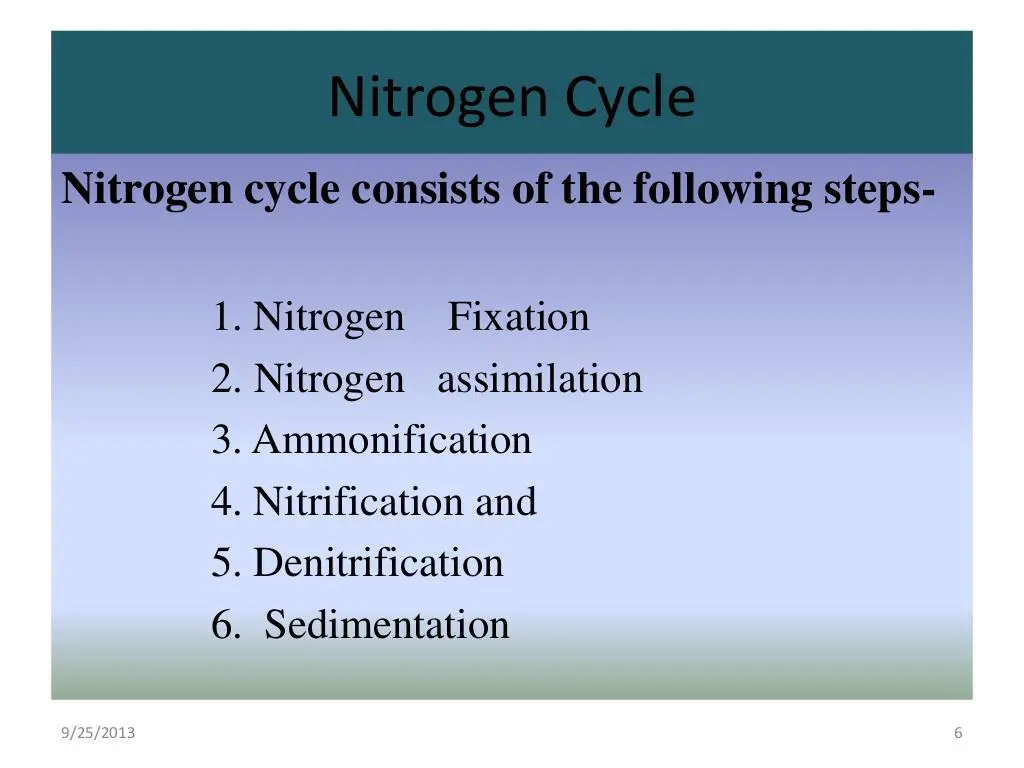
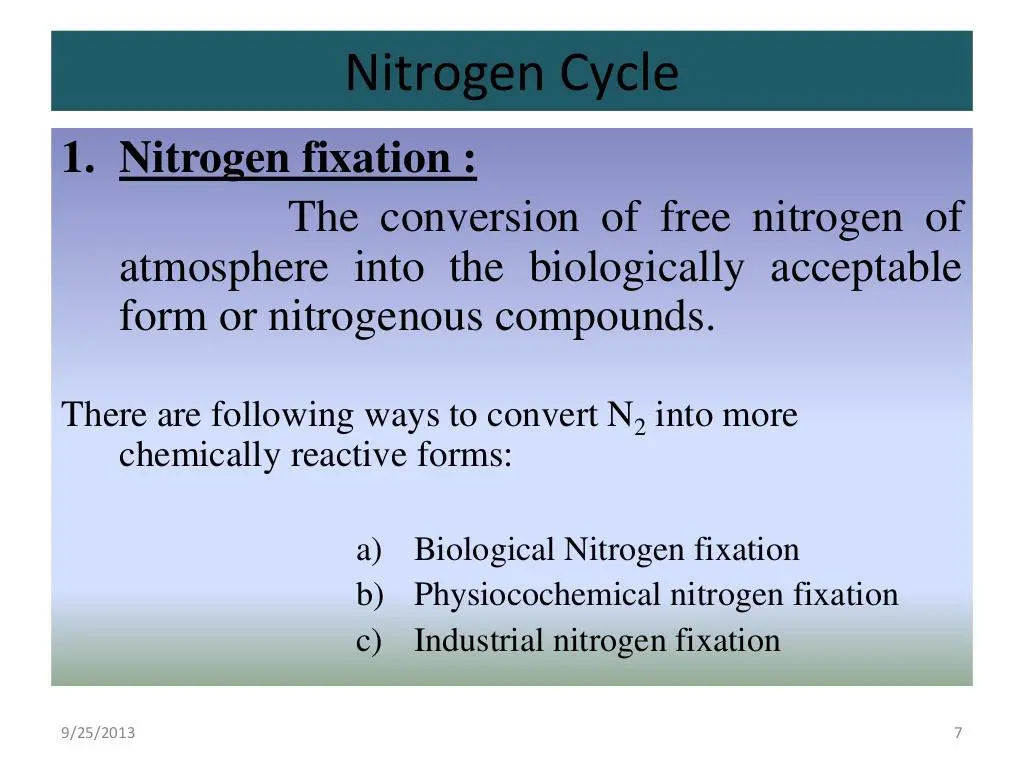
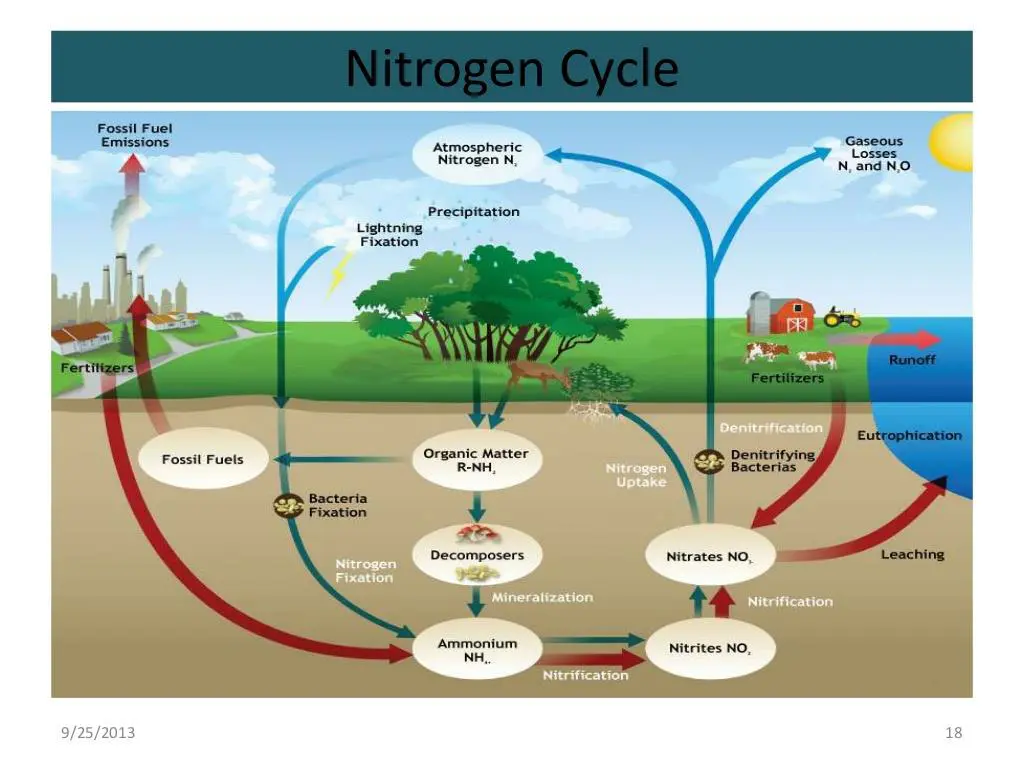
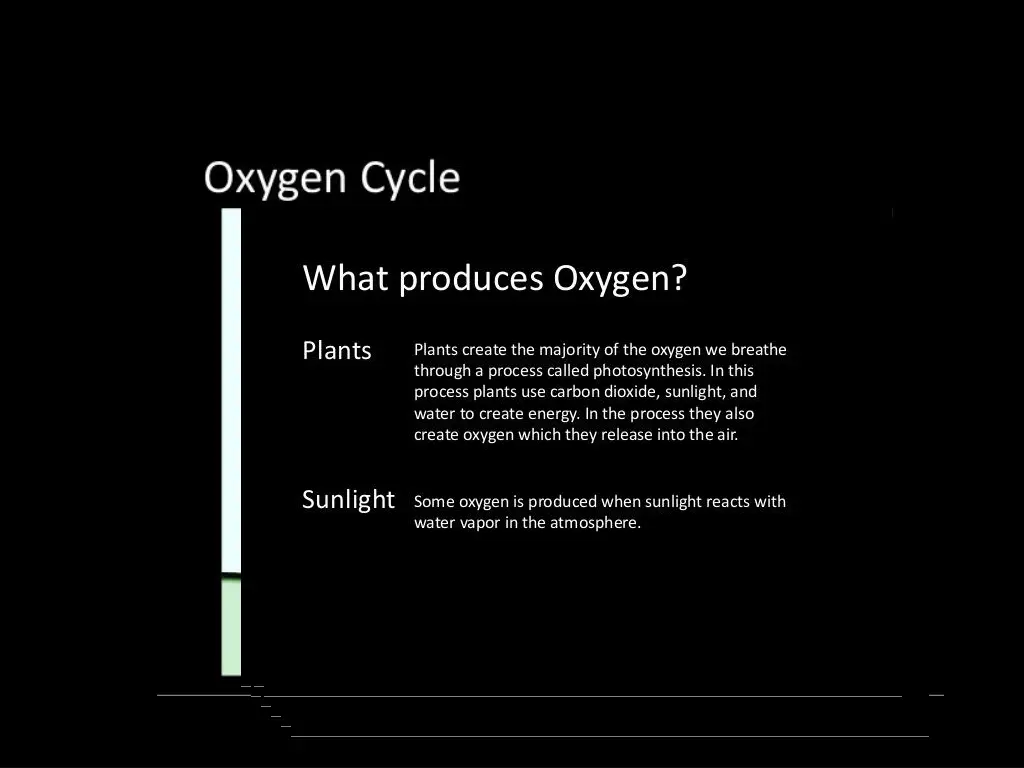
Biochemical cycles The cyclic exchange of nutrient material between living organisms and their non living environment is known as biochemical cycle . Common biochemical cycles are 1. Water cycle. 2. Carbon cycle 3. Nitrogen cycle 4. Oxygen cycle.
Sustainable Development Sustainable development is the development that meets the needs of the present without comprising the ability of future generations to meet their own needs.
Sustainable development Sustainable development is the development that meets the need of the present world without comprising the ability of future generations to meet their own needs.
Conservation of land It is a process of protecting the natural land and returning developed land to natural state.
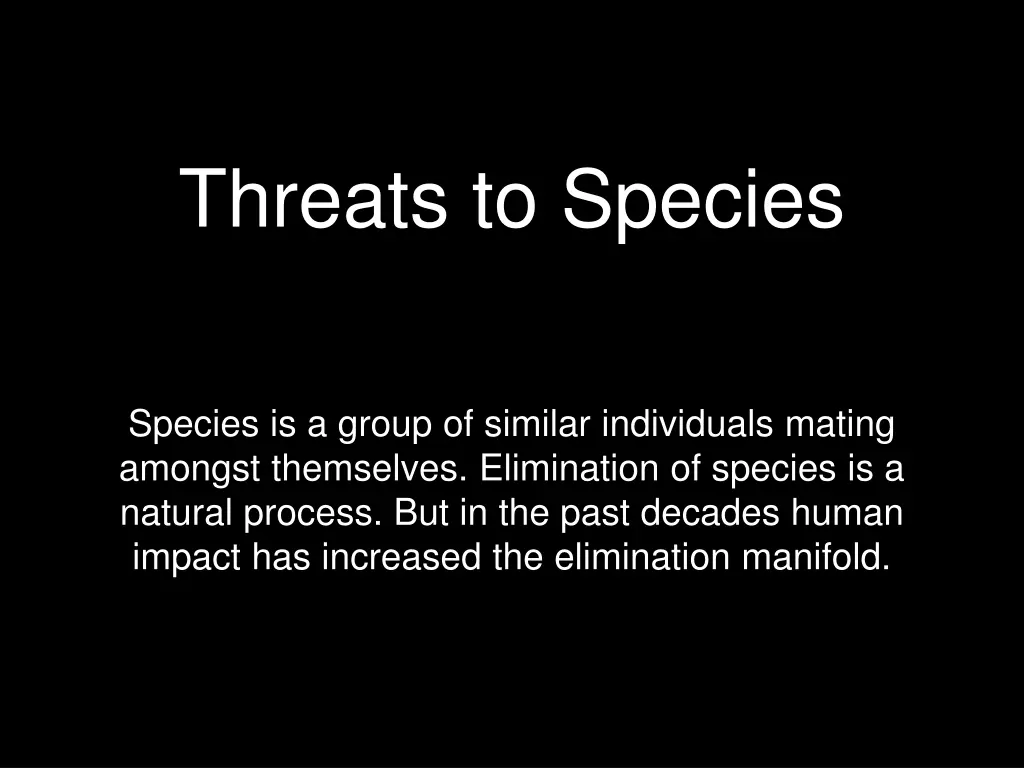
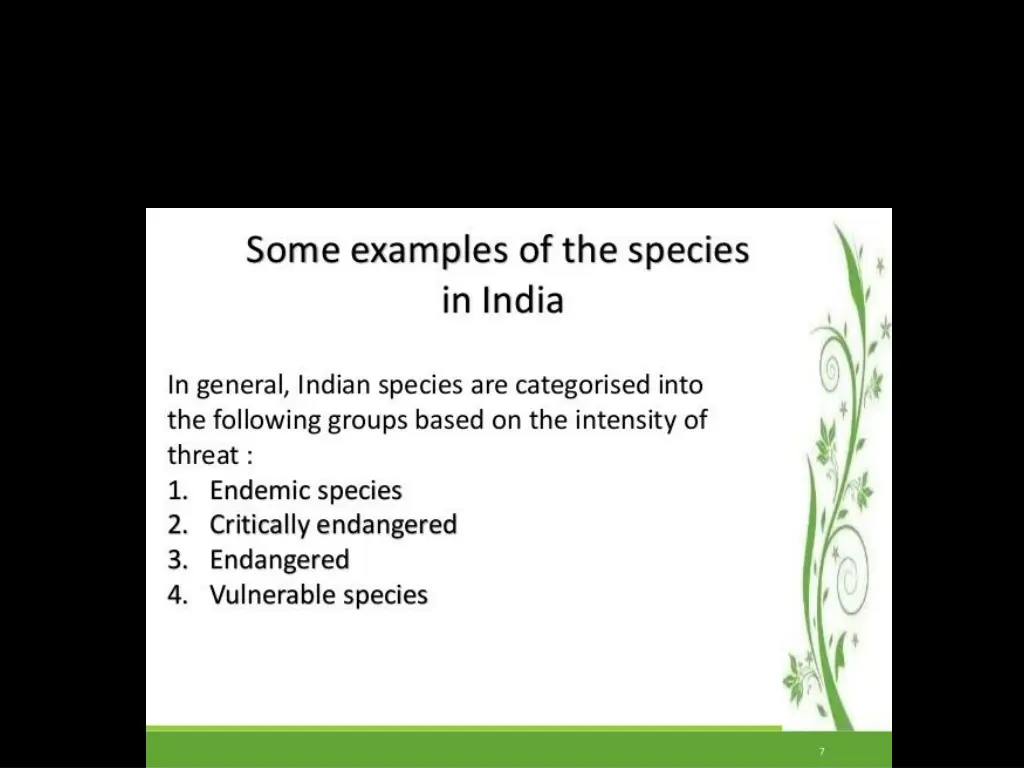
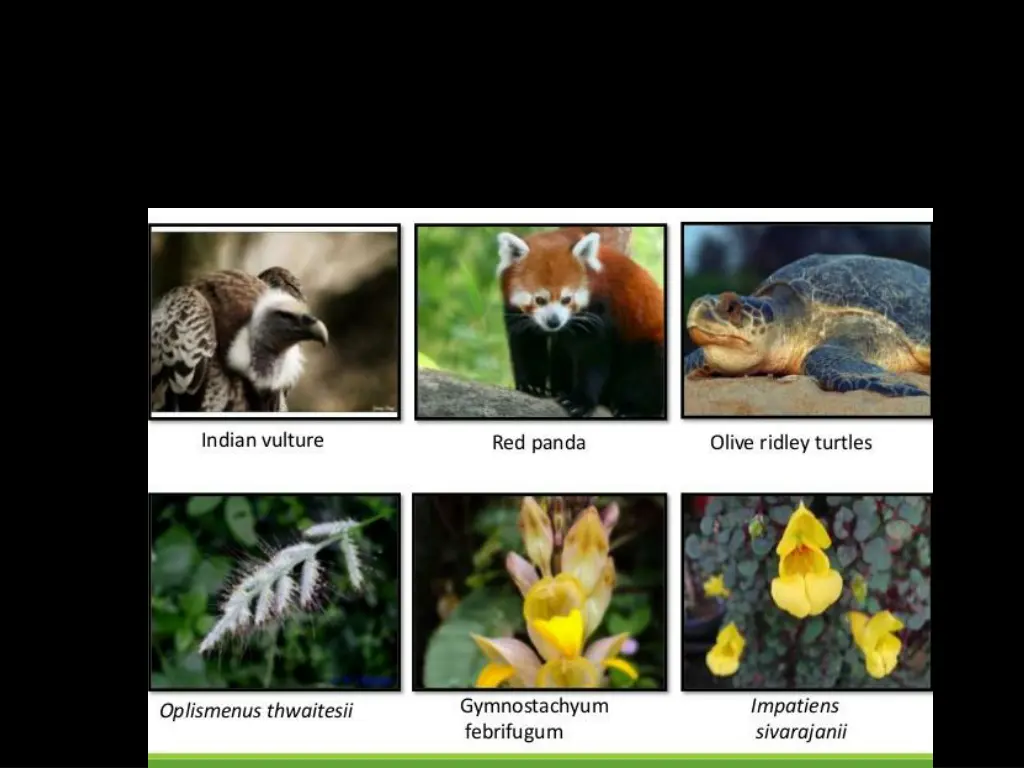
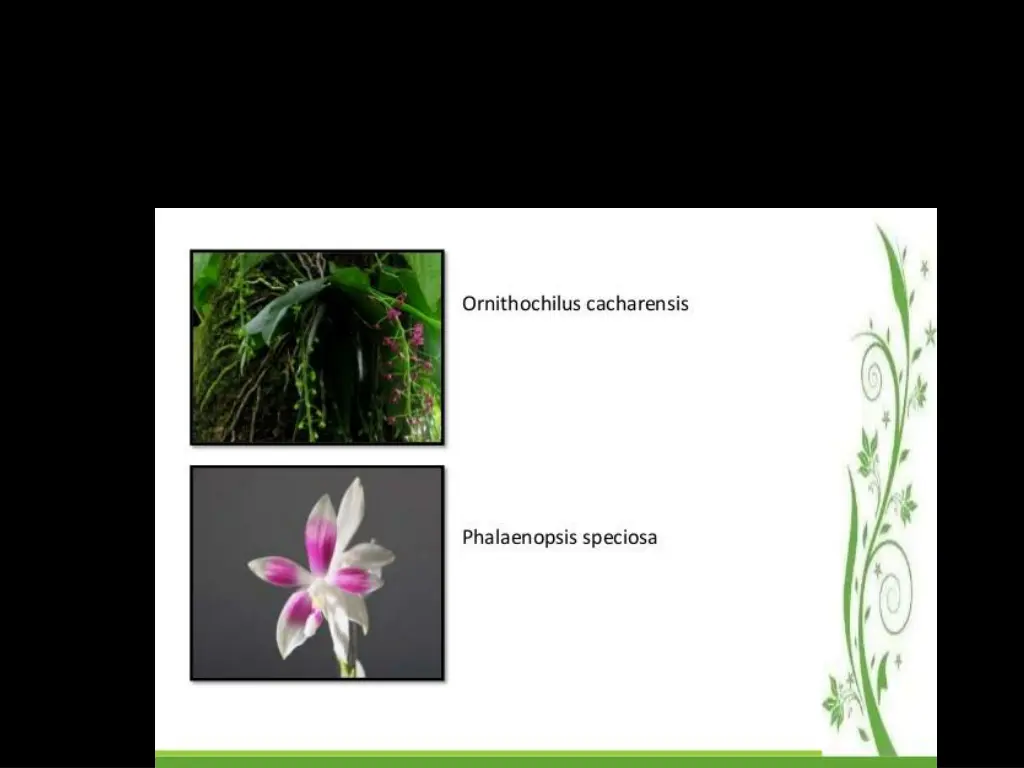
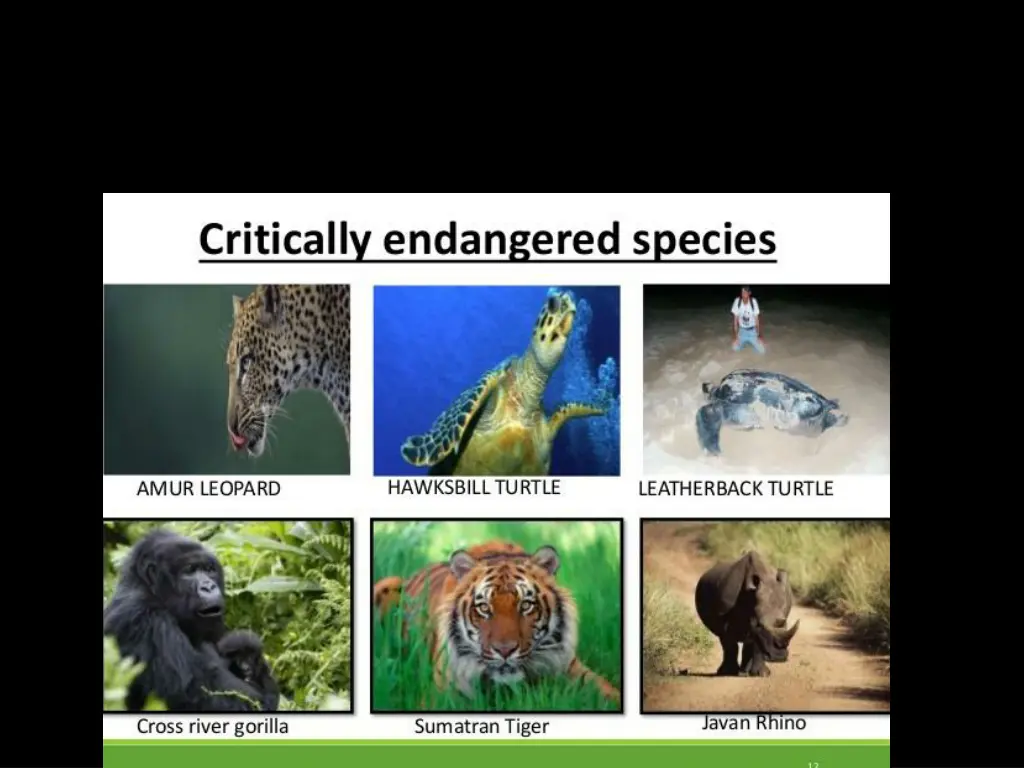
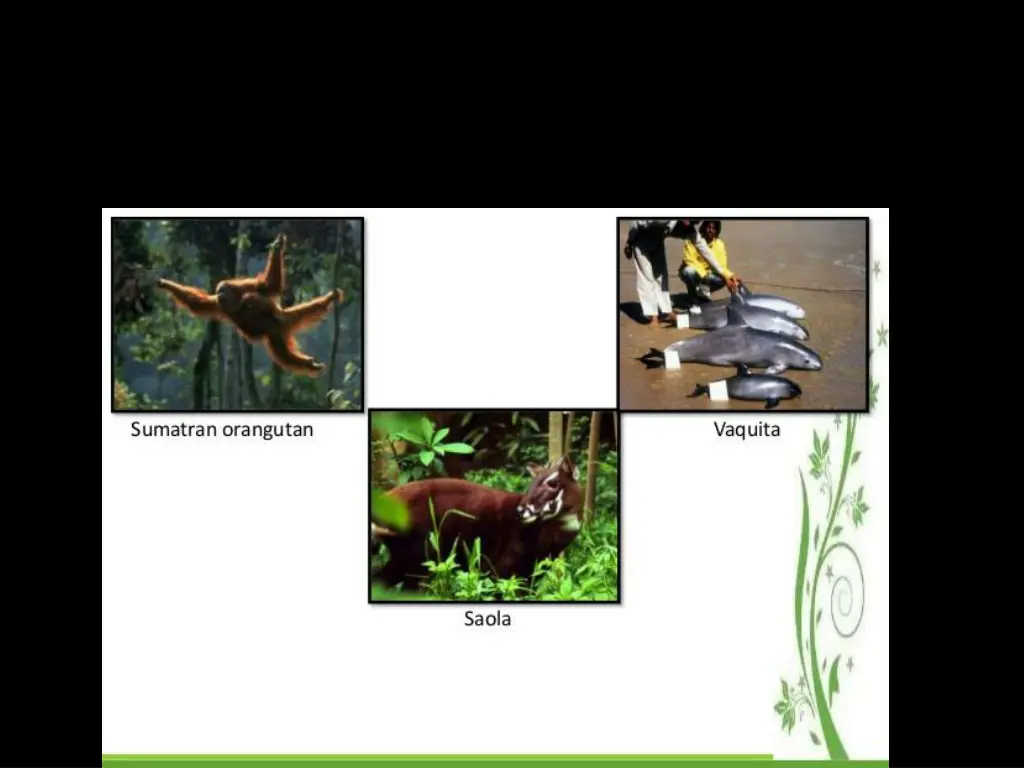
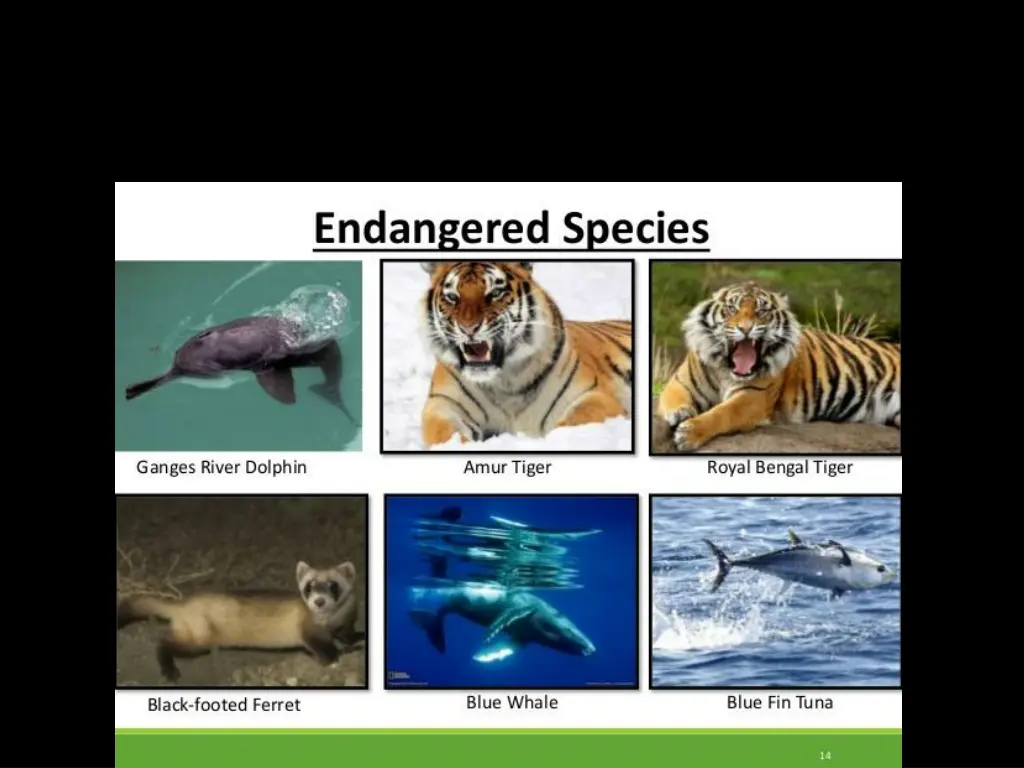
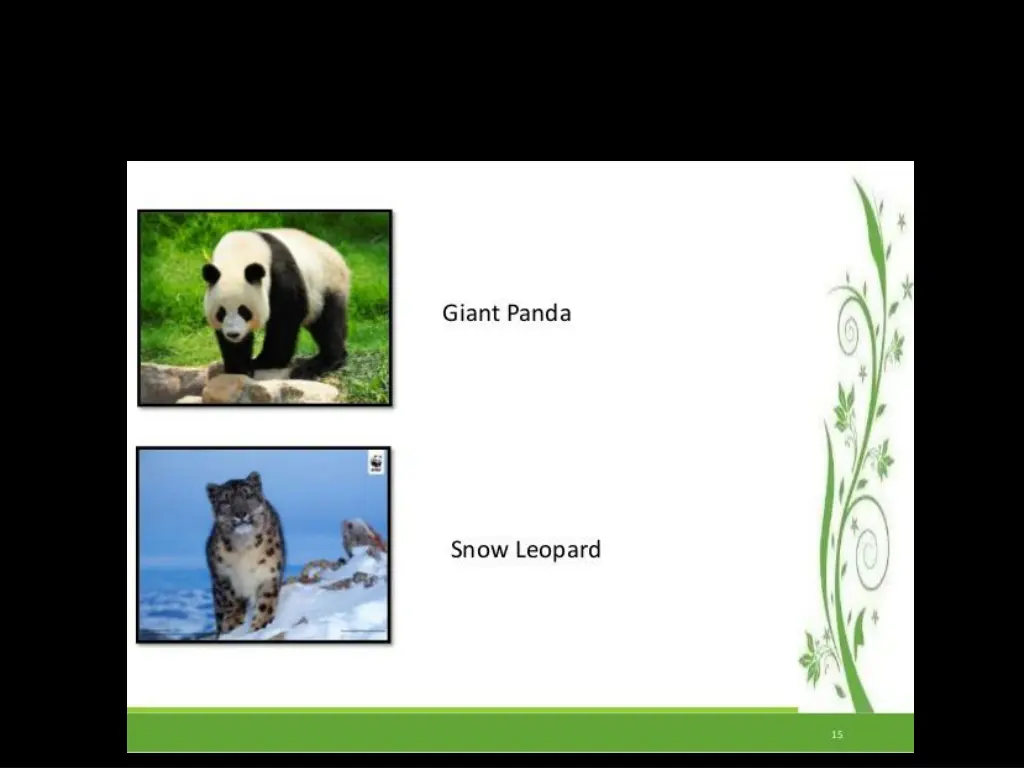
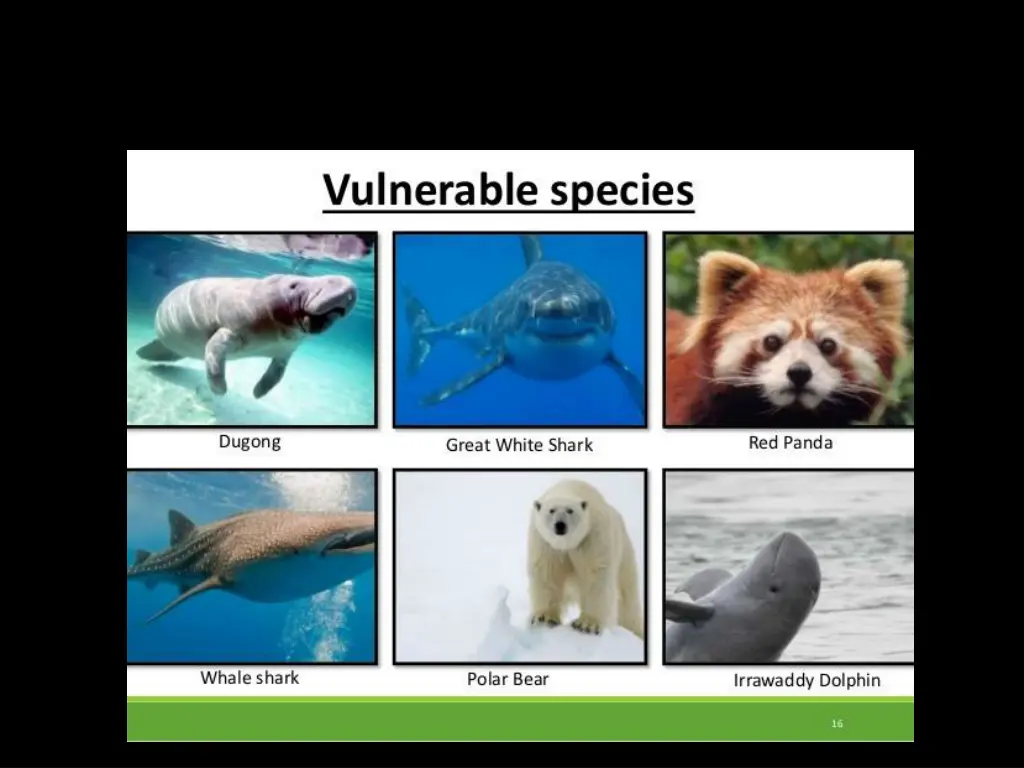
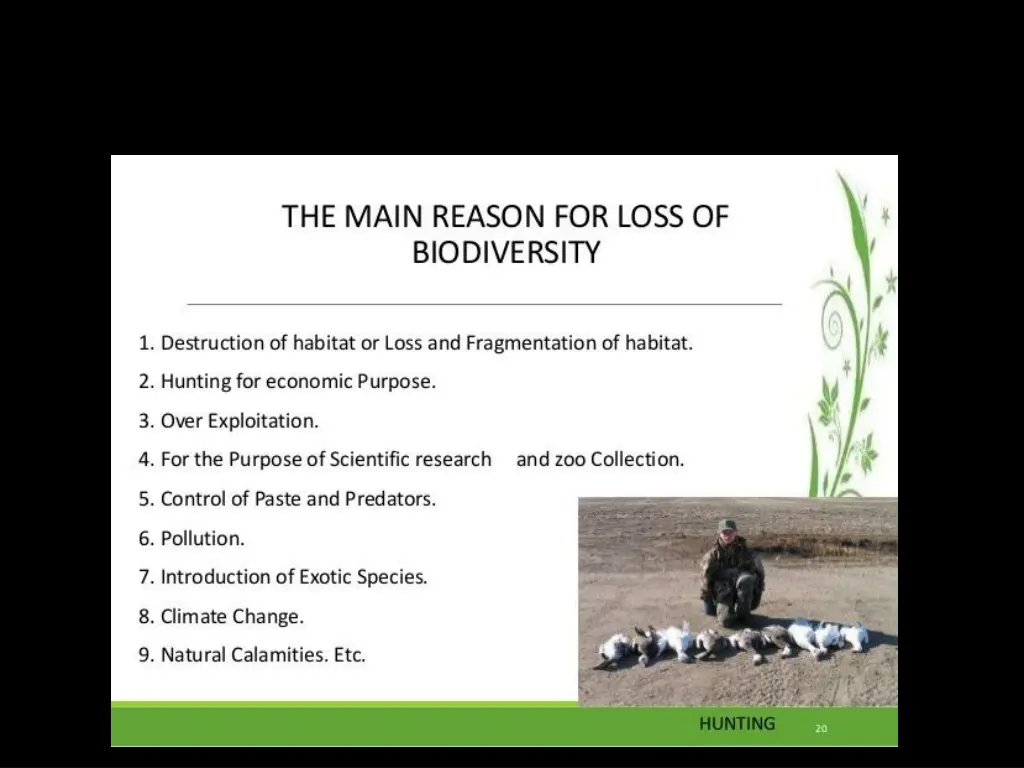
Threats to Species Species is a group of similar individuals mating amongst themselves. Elimination of species is a natural process. But in the past decades human impact has increased the elimination manifold.
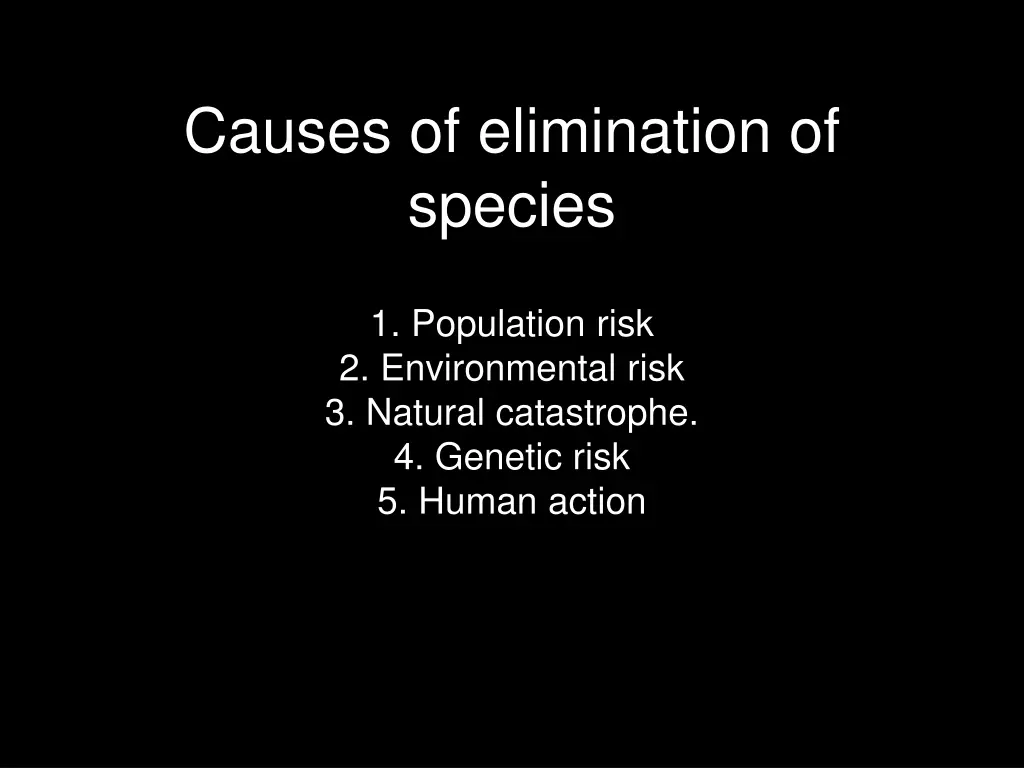
Causes of elimination of species 1. Population risk 2. Environmental risk 3. Natural catastrophe. 4. Genetic risk 5. Human action