The Tyranny of Cool: Counterculture Rebellion in the 1960s
Explore the cultural rebellion of the 1960s counterculture against American consumerism and societal norms, led by figures like the Beats. Dive into the themes of heresy, orthodoxy, and the backlash that ensued from challenging the status quo through radical lifestyle choices and literary expression.

Download Presentation

Please find below an Image/Link to download the presentation.
The content on the website is provided AS IS for your information and personal use only. It may not be sold, licensed, or shared on other websites without obtaining consent from the author. If you encounter any issues during the download, it is possible that the publisher has removed the file from their server.
You are allowed to download the files provided on this website for personal or commercial use, subject to the condition that they are used lawfully. All files are the property of their respective owners.
The content on the website is provided AS IS for your information and personal use only. It may not be sold, licensed, or shared on other websites without obtaining consent from the author.
E N D
Presentation Transcript
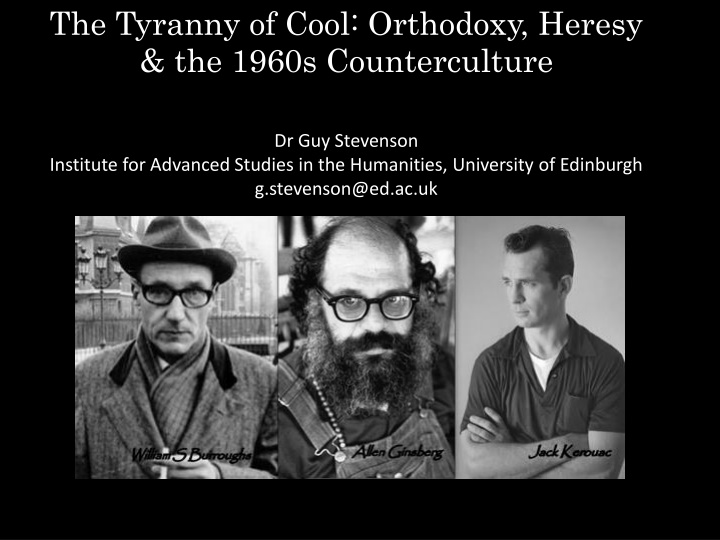
The Tyranny of Cool: Orthodoxy, Heresy & the 1960s Counterculture Dr Guy Stevenson Institute for Advanced Studies in the Humanities, University of Edinburgh g.stevenson@ed.ac.uk
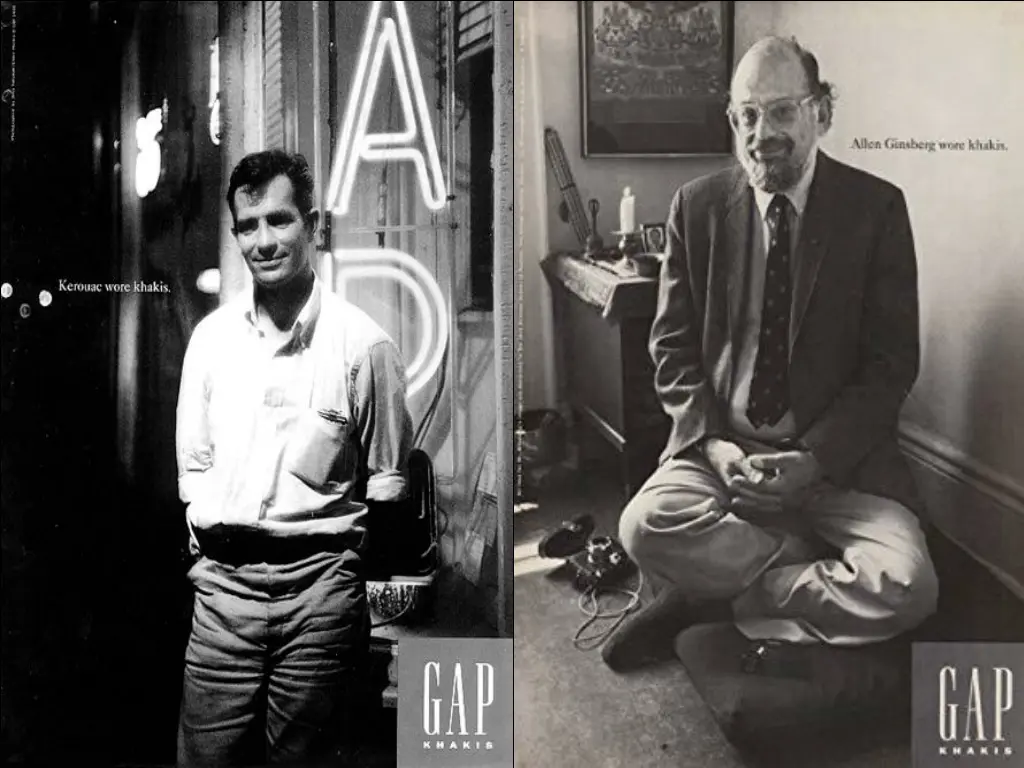
Structure 1. The Beats as cultural heretics 2. The transformation of their ideas into modern orthodoxies 3. The new countercultural backlash 4. What went wrong/ was wrong to cause this backlash?
Rebelling against: American consumerism Cultural uniformity Bourgeois suppression of the individual s right to think, feel and behave freely (license rather than liberty?)
The control machine. Simply the machinery police, education, etc. - used by a group in power to keep itself in power and extend its power
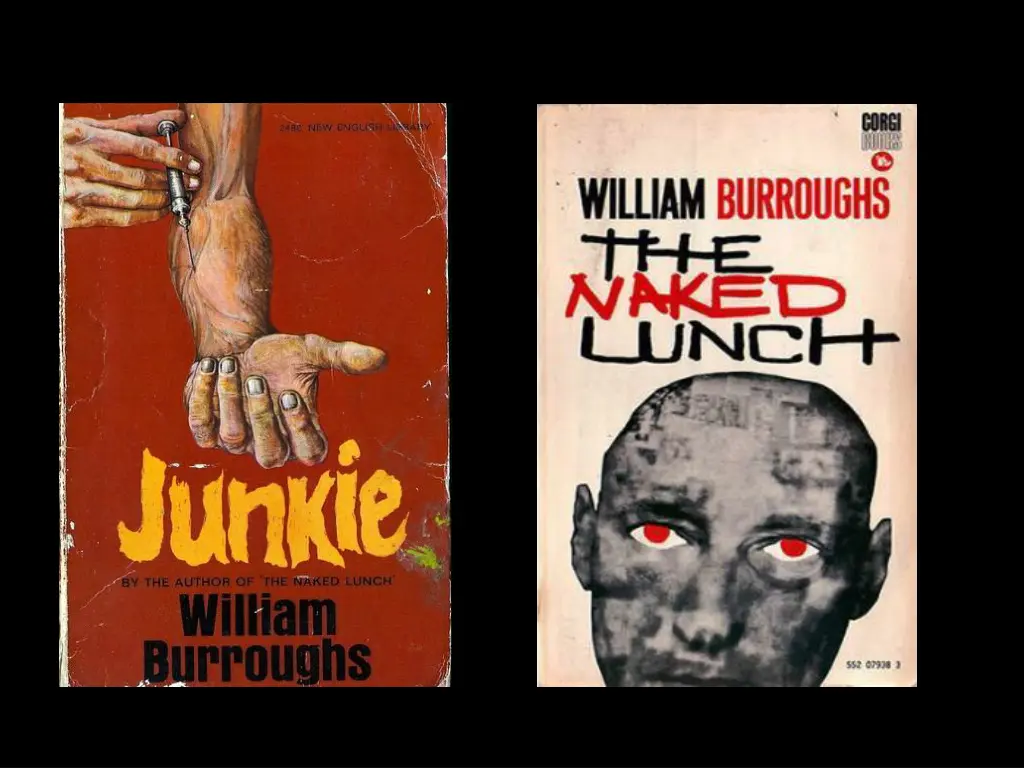
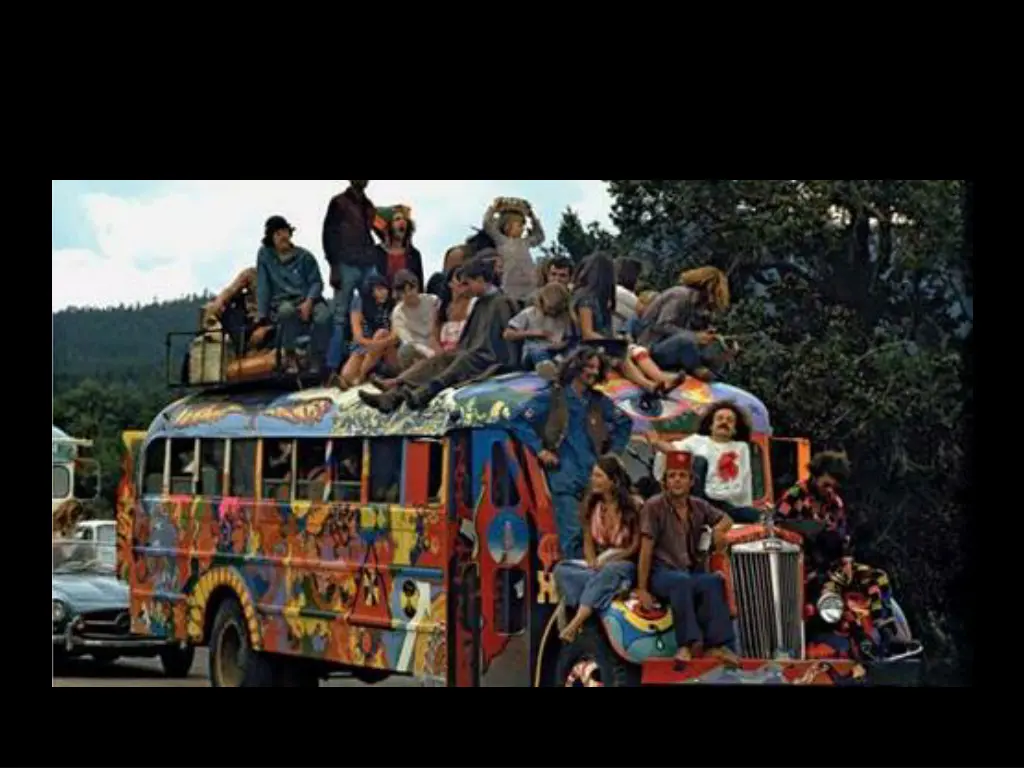
Forms of Rebellion: Itinerant Lifestyle Radically Formless Autobiographical Literature Sexual Permissiveness in life and Obscenity in literature Opening the Doors of Perception through drugs, Eastern religion and philosophy (Zen Buddhism, Hare Krishna)
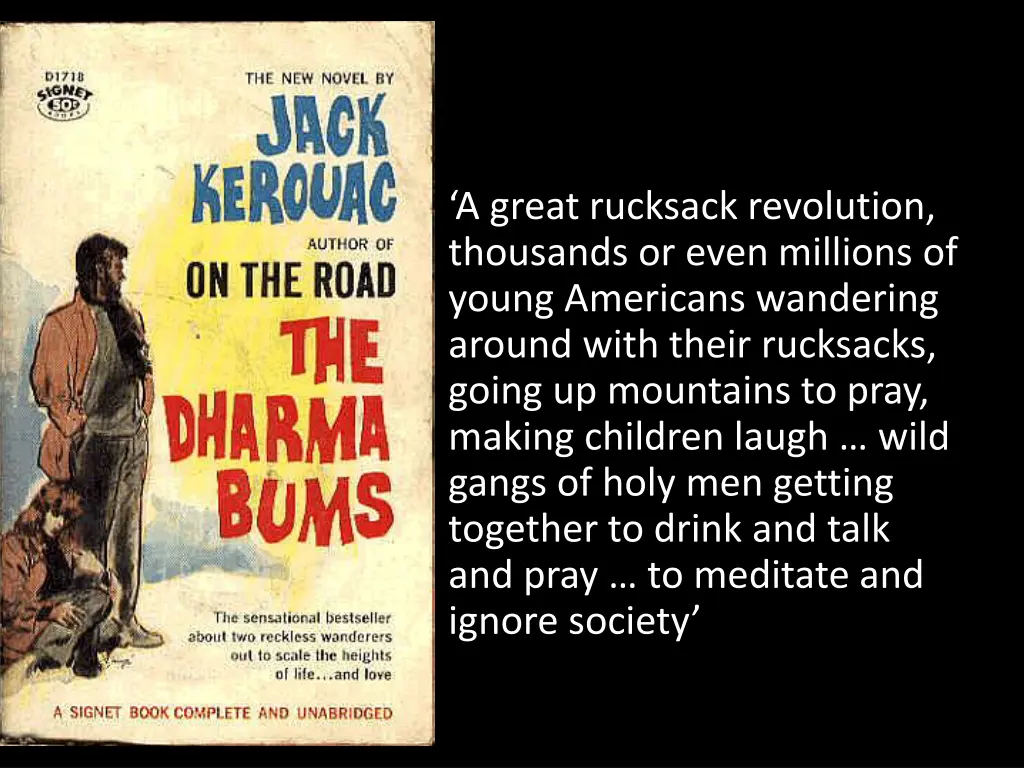
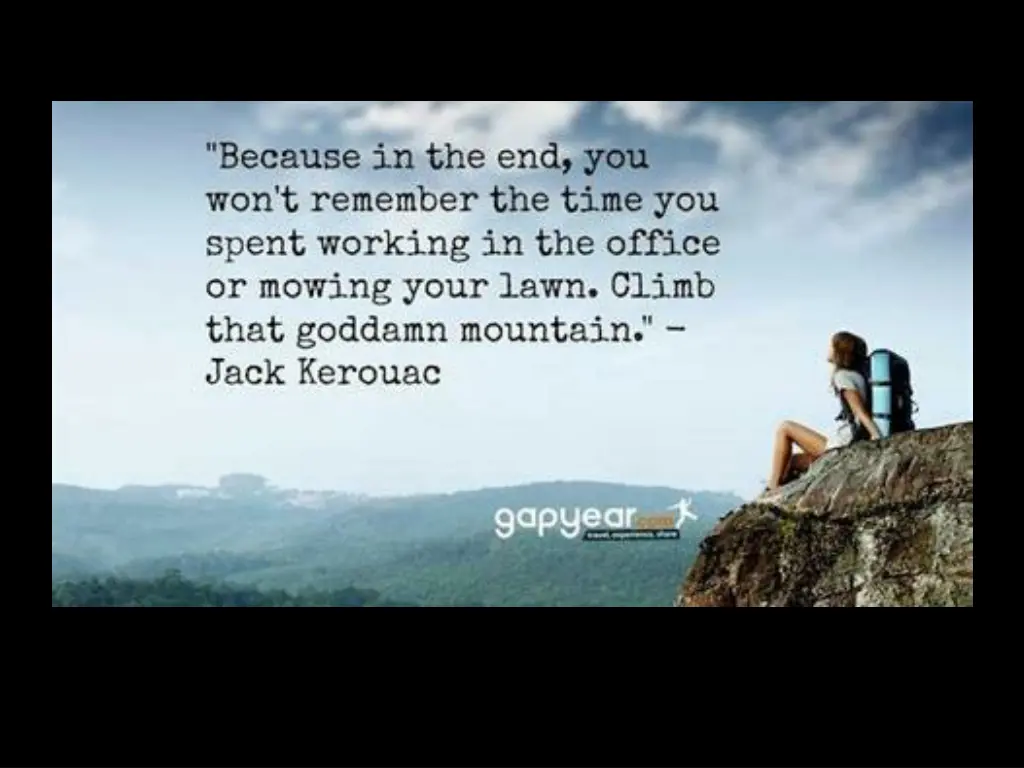
A great rucksack revolution, thousands or even millions of young Americans wandering around with their rucksacks, going up mountains to pray, making children laugh wild gangs of holy men getting together to drink and talk and pray to meditate and ignore society
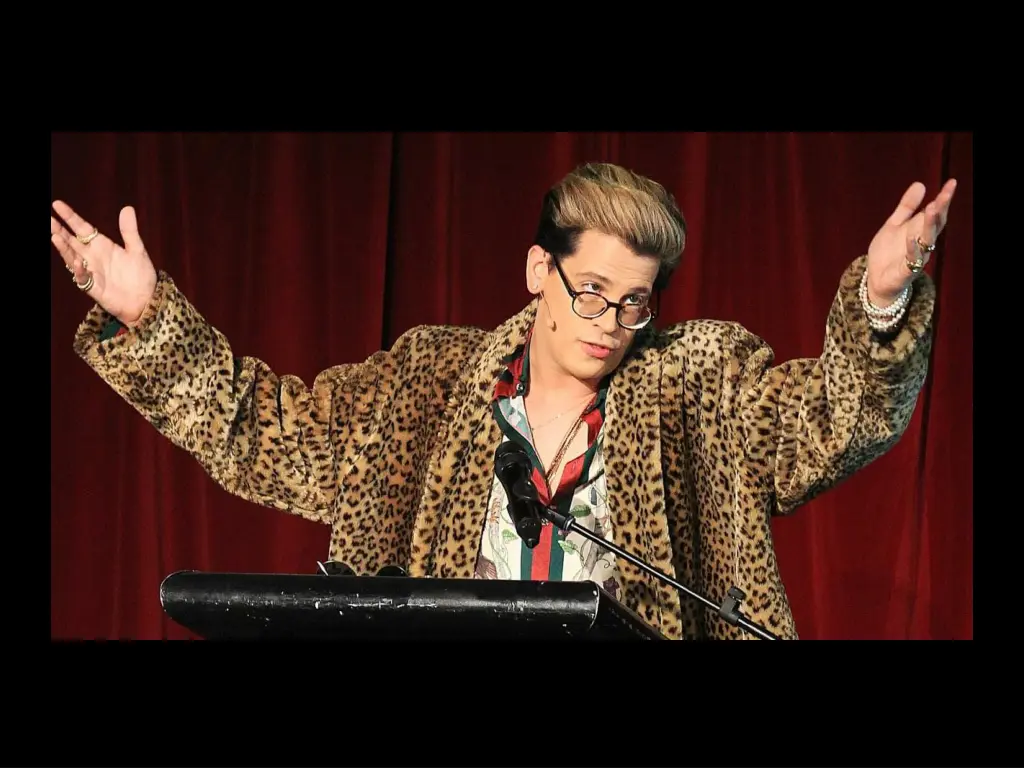
In this radical extension of the politics of the late 60s, difference and victimization are prized, ranked against the victimization of other groups. We crown our good with victimhood. While conservatives claim to speak in the name of a majority, the standard-bearers of identity politics cultivate their own marginality, practicing a separatism that incapacitates them for alliances and collective improvements
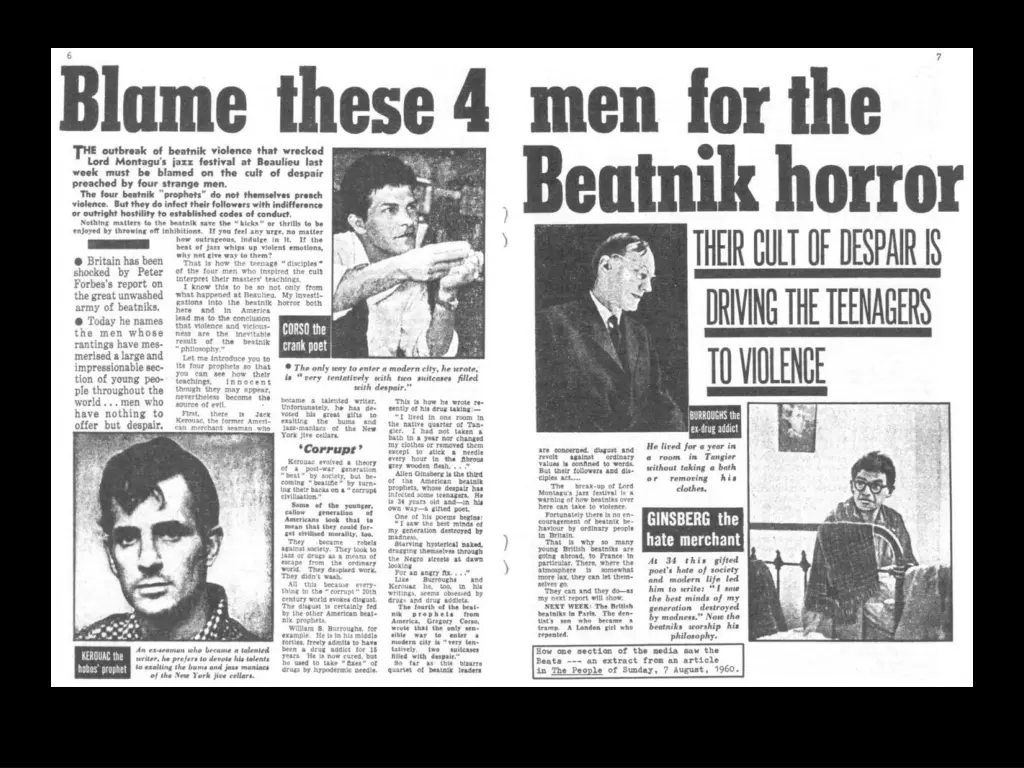
In summary: We should understand the American literary and cultural renaissance of the 1950s & 60s in longer historical terms. It had a significant impact on the politics young people engaged in then: making the personal political in a way that brought individual identity to the fore. a.) problems with that original countercultural attitude b.) the direction countercultural ideas have taken since the 60s. Modern identity politics are being contested today because of: A movement for individual freedom from the tyranny of convention changed its stripes once it became the convention itself. From the Beats and the 1960s attitudes they inspired, we can learn 2 apparently contradictory but connected lessons about our new cultural-political world: 1. to be more open minded and compassionate, and less righteous & pious in pursuit of a fairer society to be wary rather than outraged or dismissive of the current backlash against progressivism. Bearing in mind the power the 60s counterculture held over the young, it s crucial now to acknowledge the same potential power in the hands of new, politically opposite heretics 2.