Learn about biosafety levels and practices to handle biological materials safely, including an introduction to biosafety, different biosafety levels, biohazards, biorisks, and biorisk management in biological laboratories.
Please find below an Image/Link to download the presentation.
The content on the website is provided AS IS for your information and personal use only. It may not be sold, licensed, or shared on other websites without obtaining consent from the author. If you encounter any issues during the download, it is possible that the publisher has removed the file from their server.
You are allowed to download the files provided on this website for personal or commercial use, subject to the condition that they are used lawfully. All files are the property of their respective owners.
The content on the website is provided AS IS for your information and personal use only. It may not be sold, licensed, or shared on other websites without obtaining consent from the author.
E N D
Presentation Transcript
Biosafety M.Sc. Amna Shaker College of Science Medical Biotechnology Department Al-Mustaqbal University
Introduction to Biosafety Biosafety is the safe working practices associated with handling of biological materials, particularly infectious agents. It s meaning apply technologies and practices to prevent the accidentally exposure to pathogens and toxins, or their accidental release.
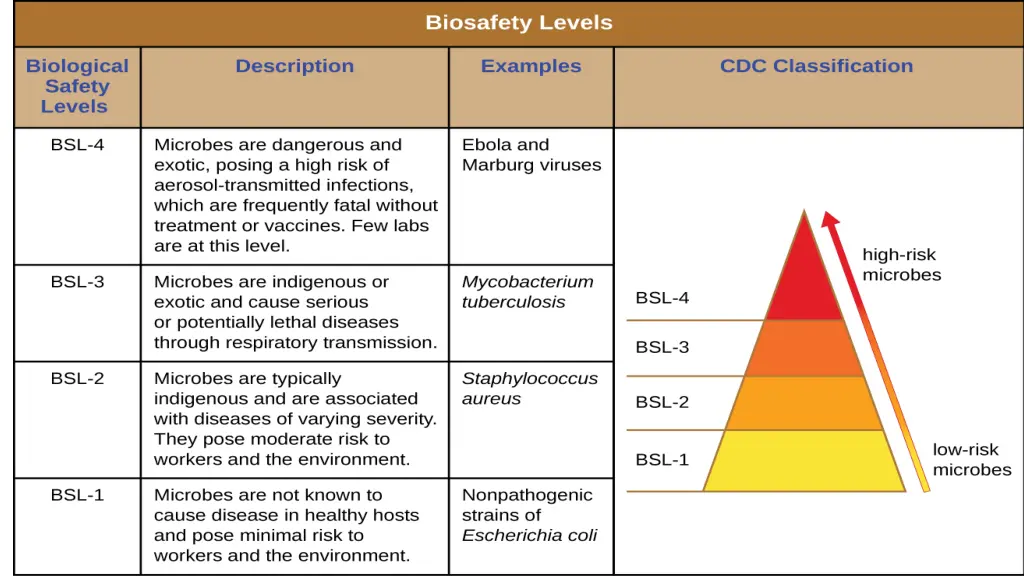
Biosafety Levels Each level has specific controls for containment of microbes and biological agents. The risks that determine levels of containment are infectivity, severity of disease, transmissibility, and the nature of the work conducted.
Biohazard : The potential source of harm caused by biological agents or toxins. Biorisk :A combination of the probability of occurrence of harm and the severity of that harm where the source of harm is a biological agent or toxin
The source of harm may be an accidental exposure, accidental release or loss, misuse. Biorisk management The management of biorisk places responsibility on manager (director) to demonstrate that biorisk reduction (minimization) procedures have been established.
Biological laboratory: A facility that dealing with microorganisms, their components or their derivatives are collected or stored. Biological laboratories include: 1- clinical laboratories, 2- diagnostic facilities, 3-research centers (academic, pharmaceutical, environmental, etc.) , 4- production facilities (manufacturers of vaccines, pharmaceuticals) for human, veterinary and agricultural purposes.
Biorisk Management of Biological Hazards can be broadly divided into: 1.Actions that take place before the biological hazard has been found (preventive measures); 2. Actions that take place during an outbreak 3. Actions aimed at reducing the consequences of the presence of the hazard.