Explore the fundamentals of distributed computing, including parallel computing versus distributed computing, the role of uncertainty in distributed systems, clock drift, network delays, and network topology factors. Dive into the key aspects that define distributed systems and their operation in various environments.
Please find below an Image/Link to download the presentation.
The content on the website is provided AS IS for your information and personal use only. It may not be sold, licensed, or shared on other websites without obtaining consent from the author. If you encounter any issues during the download, it is possible that the publisher has removed the file from their server.
You are allowed to download the files provided on this website for personal or commercial use, subject to the condition that they are used lawfully. All files are the property of their respective owners.
The content on the website is provided AS IS for your information and personal use only. It may not be sold, licensed, or shared on other websites without obtaining consent from the author.
As you can see, I have memorized this utterly useless piece of information long enough to pass a test question. I now intend to forget it forever. You ve taught me nothing except how to cynically manipulate the system. - ??????
Calvin and Hobbes As you can see, I have memorized this utterly useless piece of information long enough to pass a test question. I now intend to forget it forever. You ve taught me nothing except how to cynically manipulate the system. - Calvin
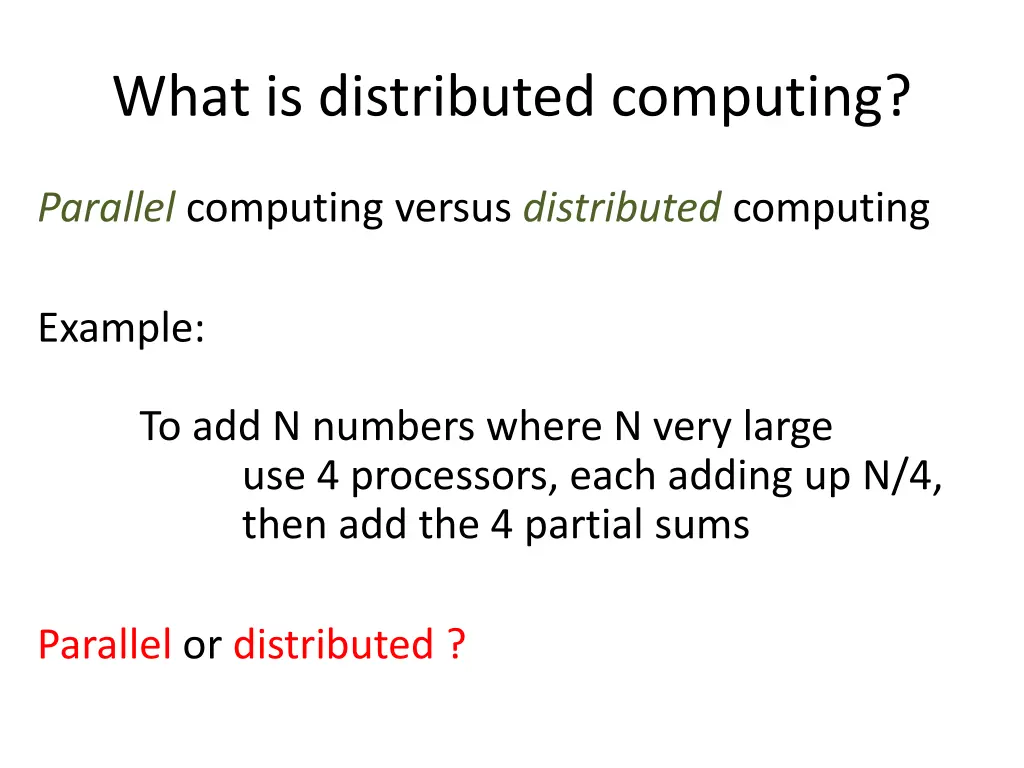
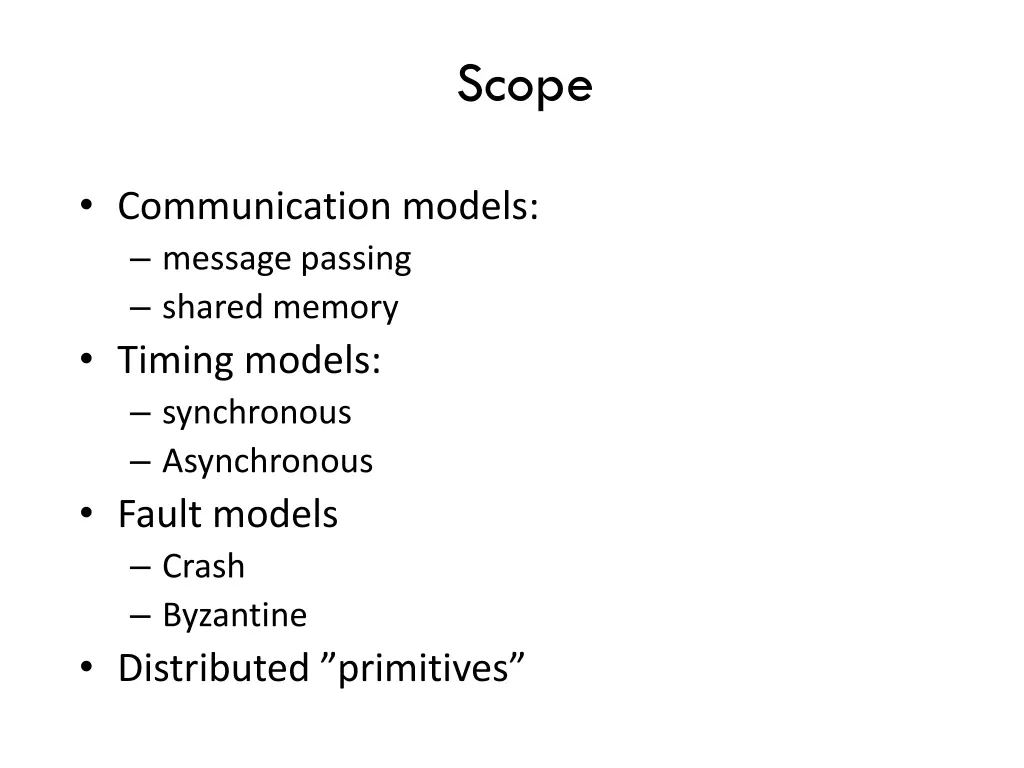
What is distributed computing? Parallel computing versus distributed computing Example: To add N numbers where N very large use 4 processors, each adding up N/4, then add the 4 partial sums Parallel or distributed ?
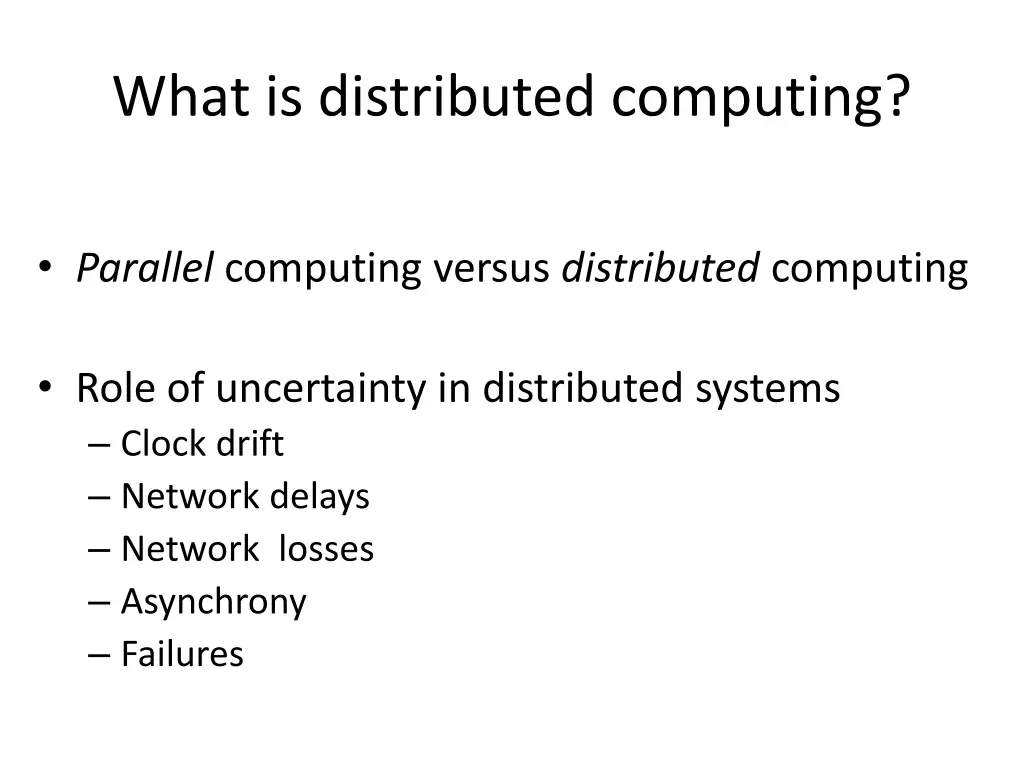
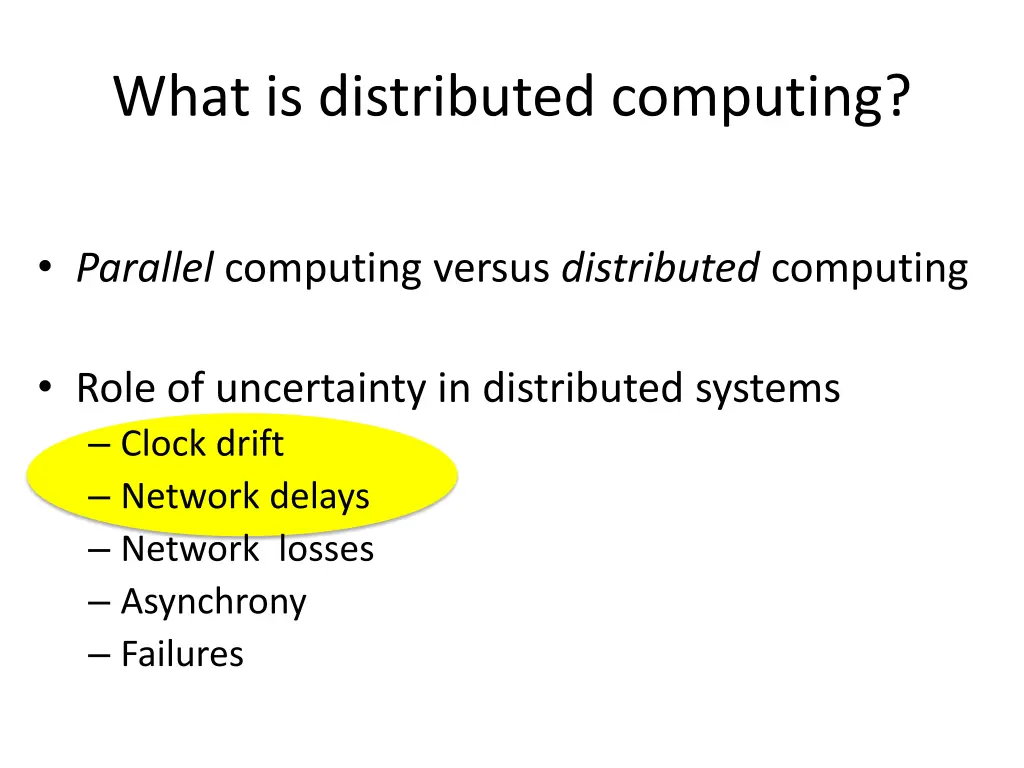
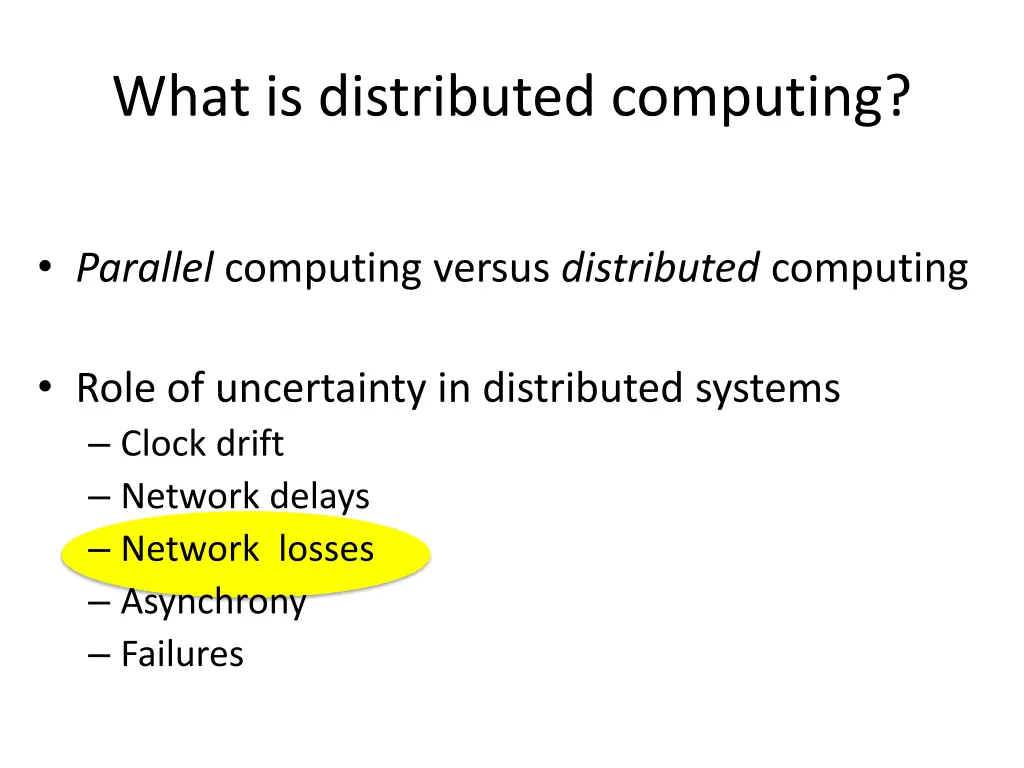
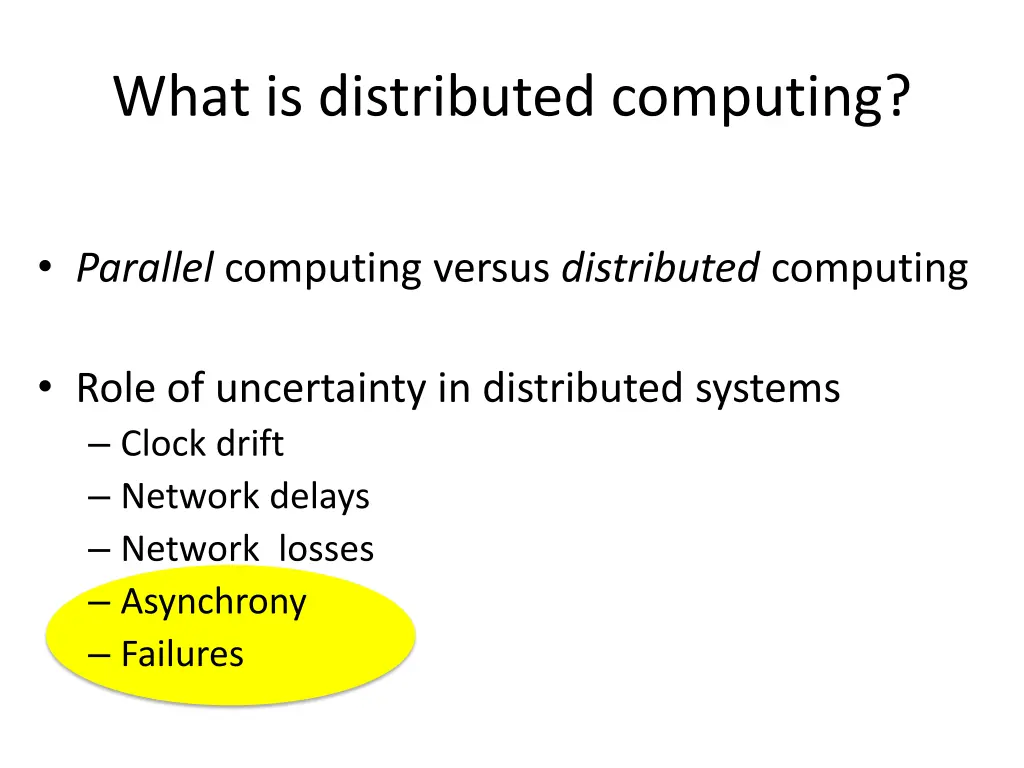
What is distributed computing? Parallel computing versus distributed computing Role of uncertainty in distributed systems Clock drift Network delays Network losses Asynchrony Failures
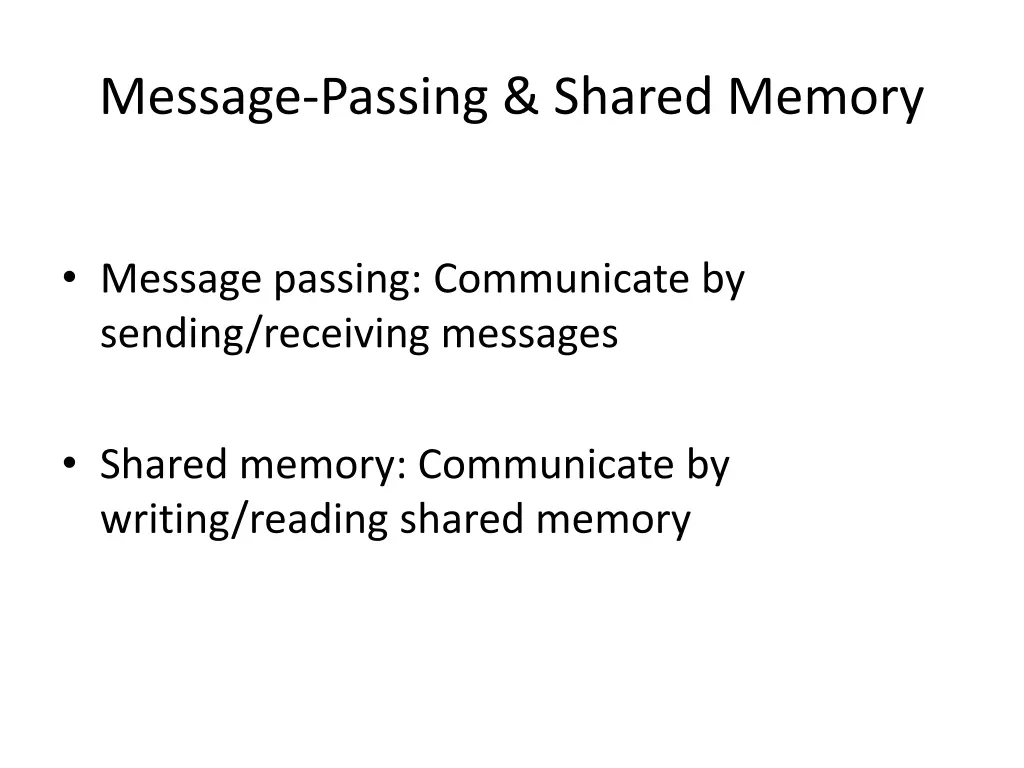
Message-Passing & Shared Memory Message passing: Communicate by sending/receiving messages Shared memory: Communicate by writing/reading shared memory
What is distributed computing? Parallel computing versus distributed computing Role of uncertainty in distributed systems Clock drift Network delays Network losses Asynchrony Failures
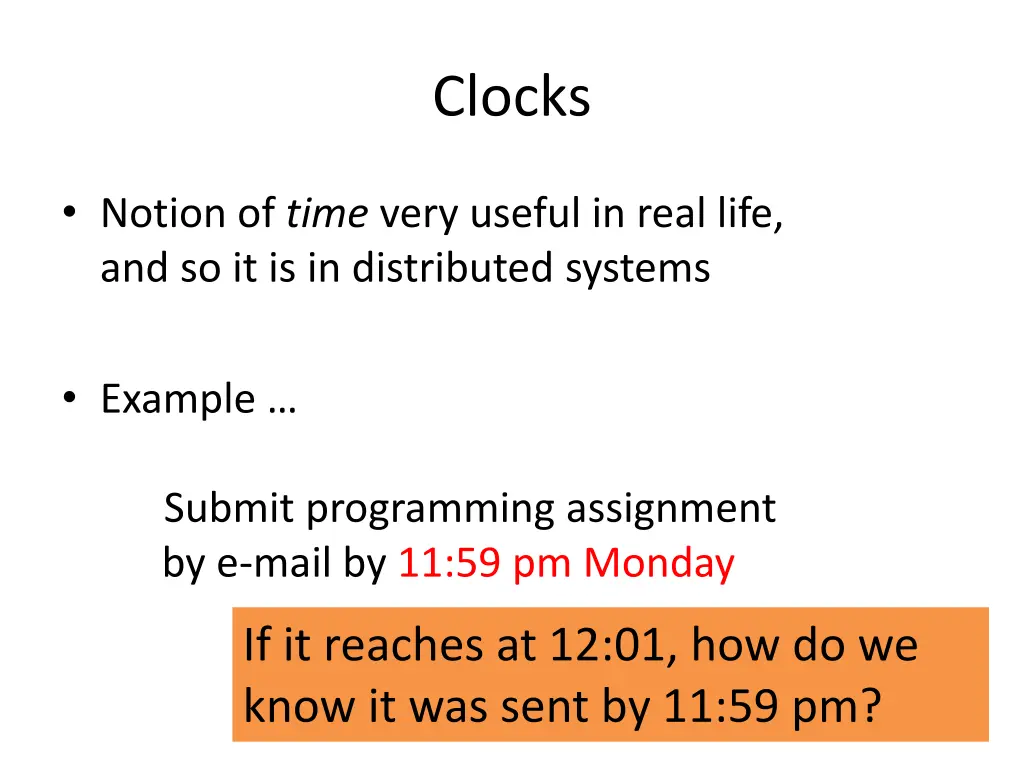
Clocks Notion of time very useful in real life, and so it is in distributed systems Example Submit programming assignment by e-mail by 11:59 pm Monday
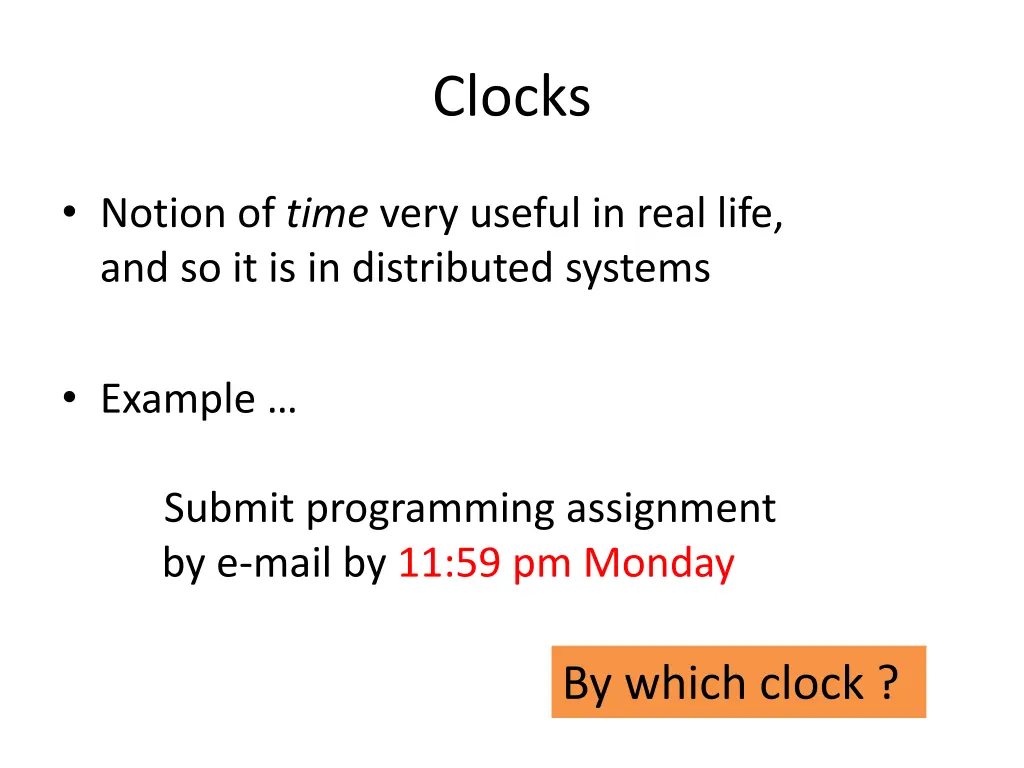
Clocks Notion of time very useful in real life, and so it is in distributed systems Example Submit programming assignment by e-mail by 11:59 pm Monday By which clock ?
Clocks Notion of time very useful in real life, and so it is in distributed systems Example Submit programming assignment by e-mail by 11:59 pm Monday If it reaches at 12:01, how do we know it was sent by 11:59 pm?
Ordering of Events If we can t have perfectly synchronized clocks, can we still accurately determine what happened first?
What is distributed computing? Parallel computing versus distributed computing Role of uncertainty in distributed systems Clock drift Network delays Network losses Asynchrony Failures
Mutual Exclusion We want only one person to speak Only the person holding the microphone may speak Must acquire microphone before speaking
Mutual Exclusion How to implement in a message-passing system? How to implement in shared memory system?
What is distributed computing? Parallel computing versus distributed computing Role of uncertainty in distributed systems Clock drift Network delays Network losses Asynchrony Failures
Replication is a common approach Consider a storage system If data stored only in one place, far away user will incur significant access delay Store data in multiple replicas, Clients prefer to access closest replica
Replicated Storage How to keep replicas consistent ? What does consistent really mean?
Consistency Model Since shared memory may be accessed by different processes concurrently, we need to define how the updates are observed by the processes Consistency model captures these requirements
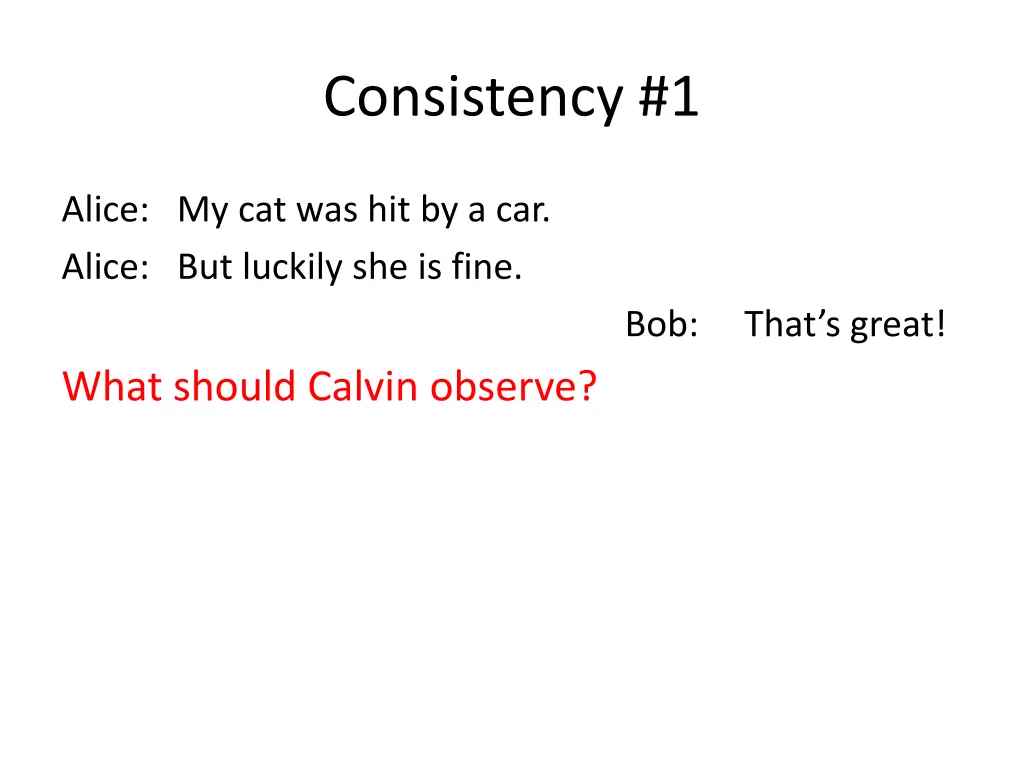
Consistency #1 Alice: My cat was hit by a car. Alice: But luckily she is fine. What should Calvin observe? Bob: That s great!
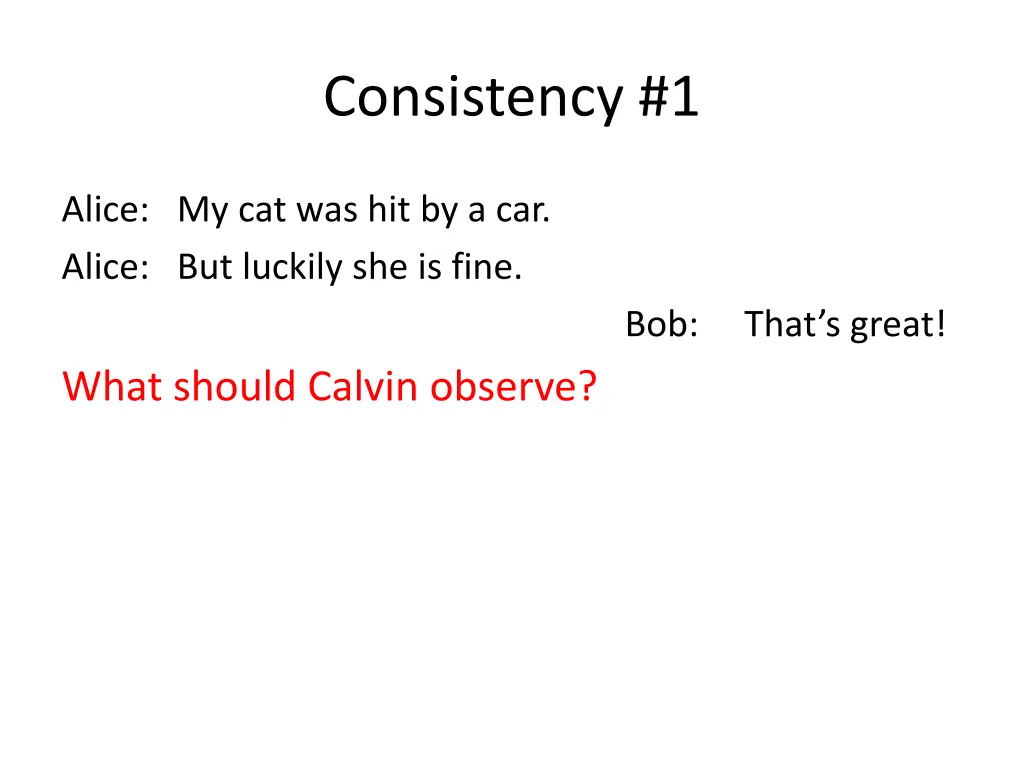
Consistency #1 Alice: My cat was hit by a car. Alice: But luckily she is fine. What should Calvin observe? Bob: That s great!
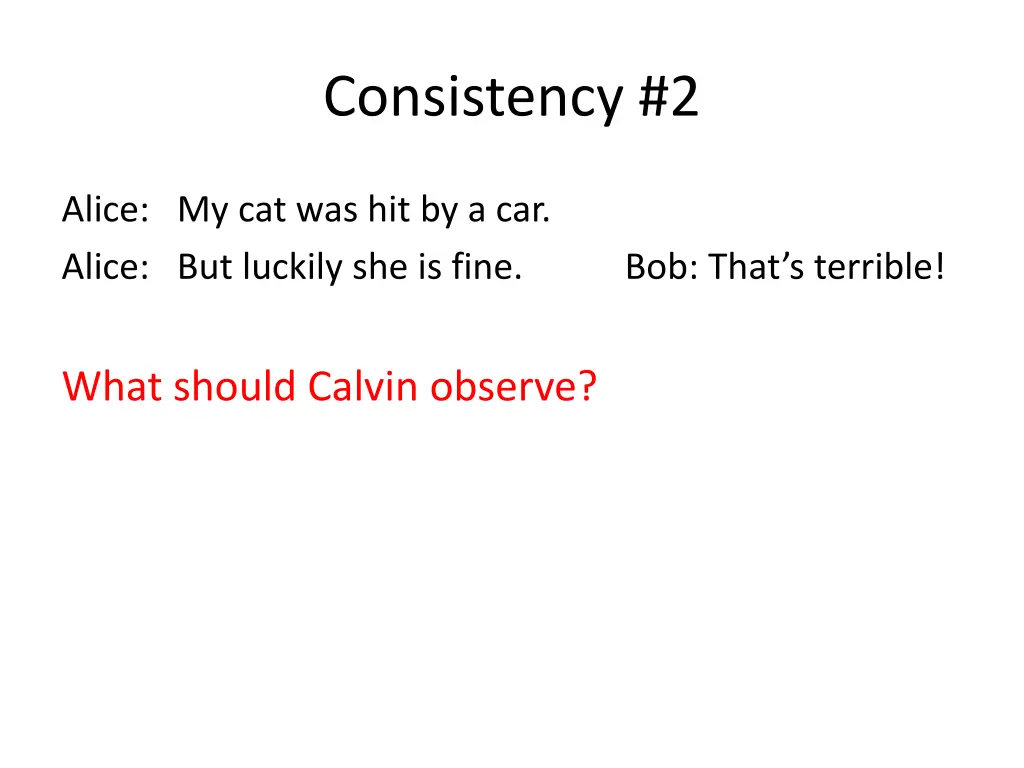
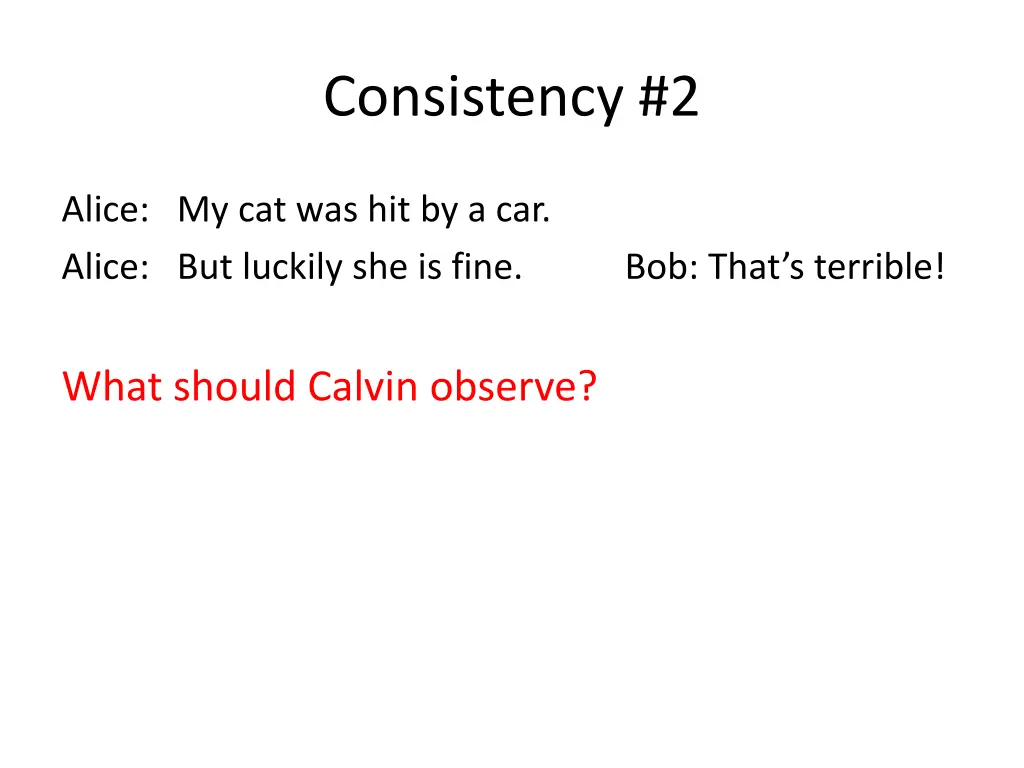
Consistency #2 Alice: My cat was hit by a car. Alice: But luckily she is fine. Bob: That s terrible! What should Calvin observe?
Consistency #2 Alice: My cat was hit by a car. Alice: But luckily she is fine. Bob: That s terrible! What should Calvin observe?