Essential Insight into Amino Acids and Metabolism
Delve into the intricate world of essential and nonessential amino acids, their crucial role in ensuring health, and the metabolic pathways involved in amino acid synthesis and utilization. Understand the importance of dietary intake, de novo synthesis, and protein degradation in maintaining amino acid balance within the body.

Download Presentation

Please find below an Image/Link to download the presentation.
The content on the website is provided AS IS for your information and personal use only. It may not be sold, licensed, or shared on other websites without obtaining consent from the author. If you encounter any issues during the download, it is possible that the publisher has removed the file from their server.
You are allowed to download the files provided on this website for personal or commercial use, subject to the condition that they are used lawfully. All files are the property of their respective owners.
The content on the website is provided AS IS for your information and personal use only. It may not be sold, licensed, or shared on other websites without obtaining consent from the author.
E N D
Presentation Transcript
Lecture : 4 Dr. Shaimaa Munther
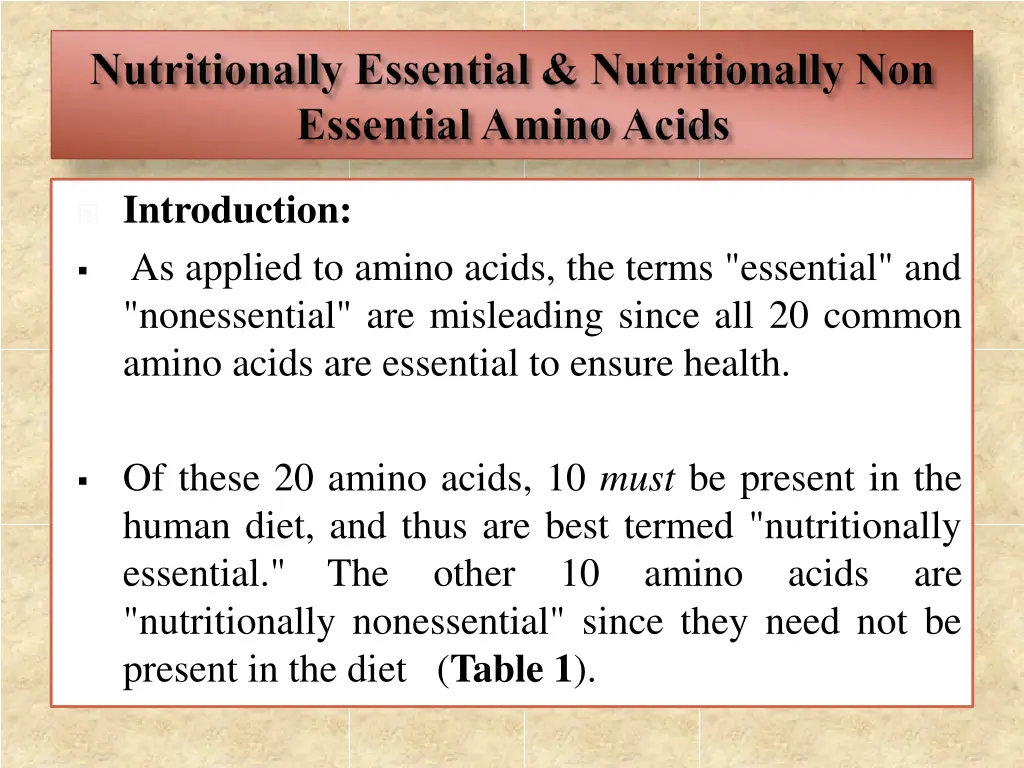
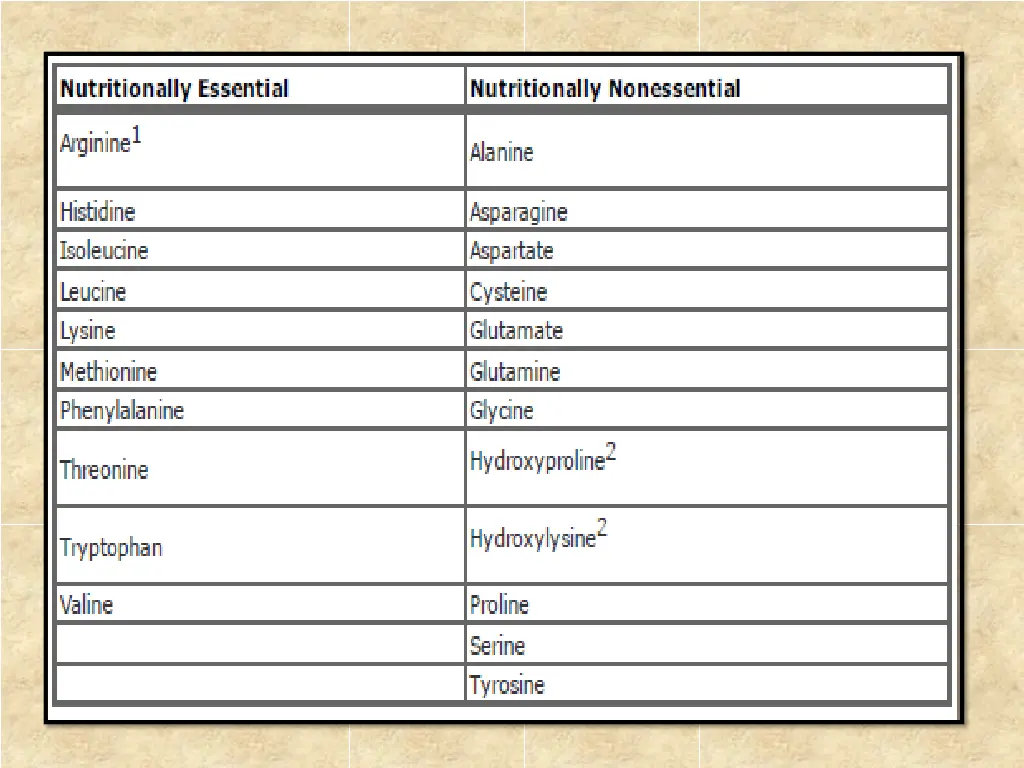
Introduction: As applied to amino acids, the terms "essential" and "nonessential" are misleading since all 20 common amino acids are essential to ensure health. Of these 20 amino acids, 10 must be present in the human diet, and thus are best termed "nutritionally essential." The other 10 amino acids are "nutritionally nonessential" since they need not be present in the diet (Table1).
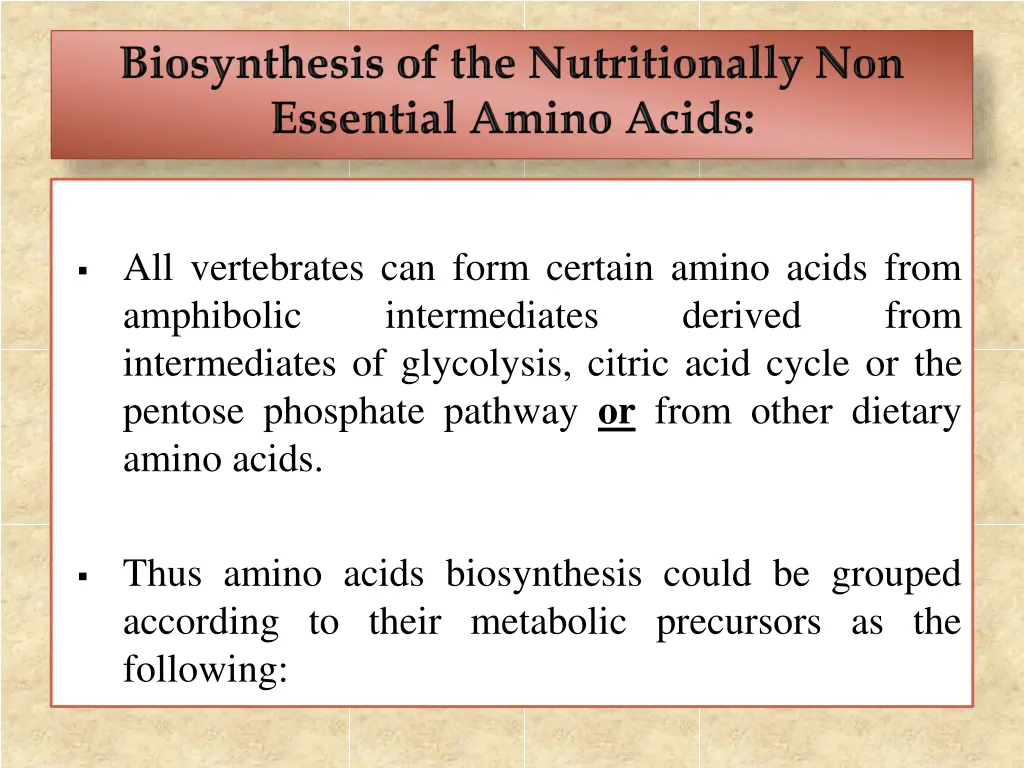
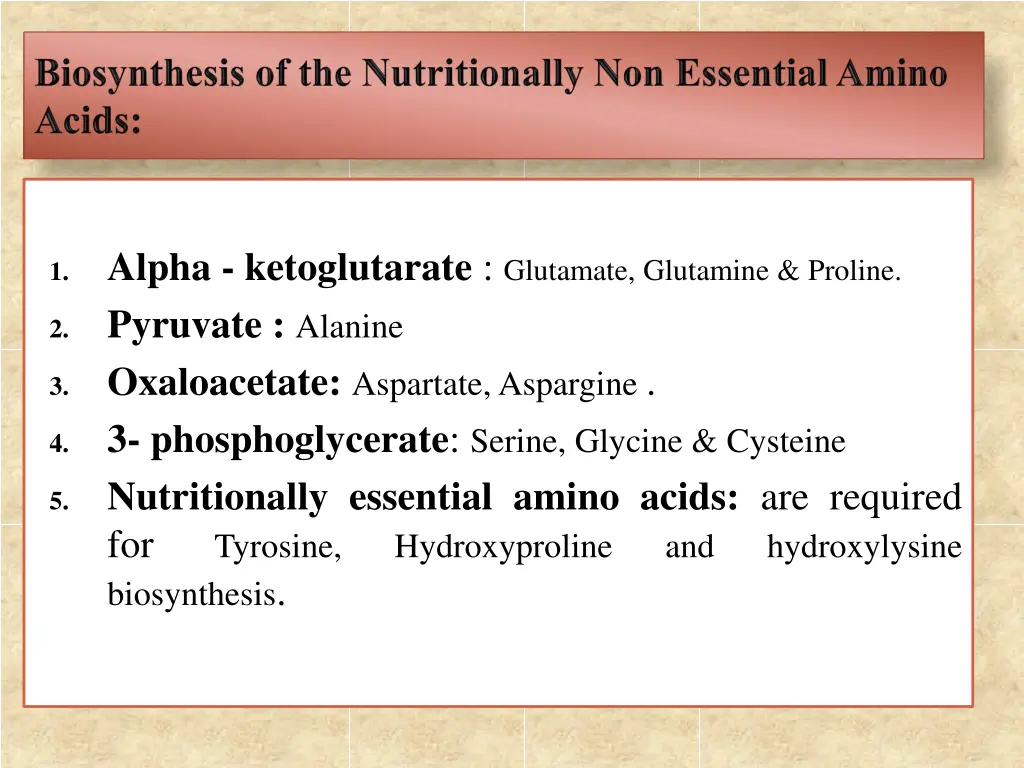
All vertebrates can form certain amino acids from amphibolic intermediates intermediates of glycolysis, citric acid cycle or the pentose phosphate pathway or from other dietary amino acids. derived from Thus amino acids biosynthesis could be grouped according to their metabolic precursors as the following:
Alpha - ketoglutarate : Glutamate, Glutamine & Proline. Pyruvate :Alanine Oxaloacetate:Aspartate, Aspargine . 3- phosphoglycerate: Serine, Glycine & Cysteine Nutritionally essential amino acids: are required for Tyrosine, Hydroxyproline biosynthesis. 1. 2. 3. 4. 5. and hydroxylysine
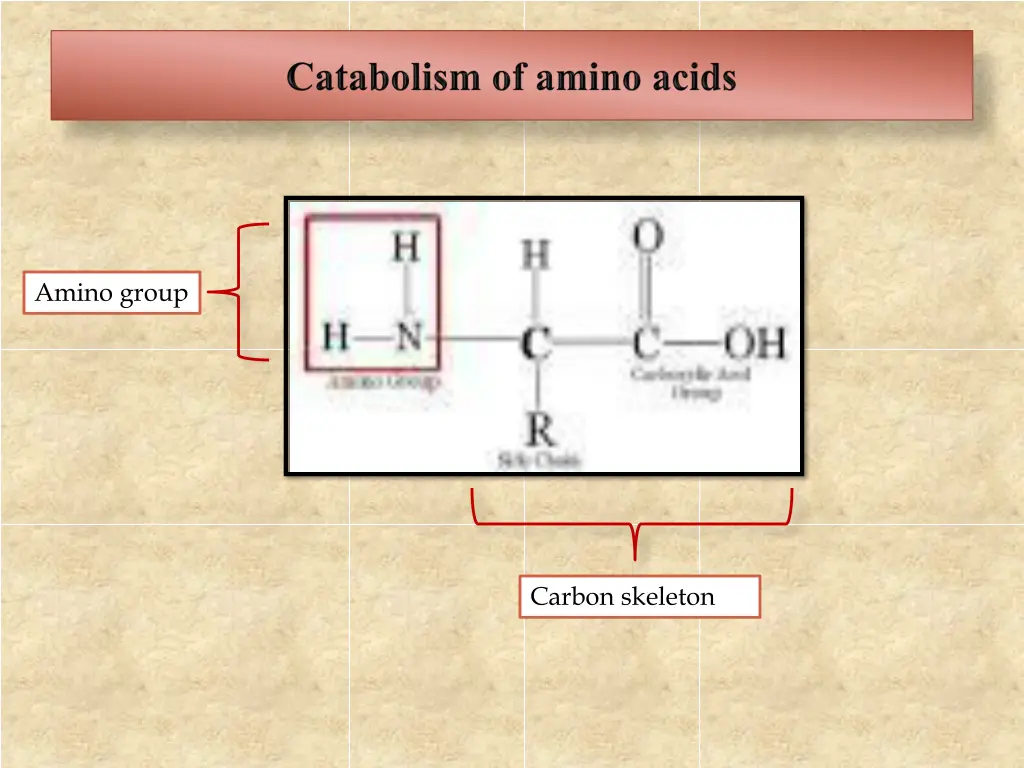
Unlike fats and carbohydrates, amino acids are not stored by the body. Amino acids must be obtained from the diet, synthesized de novo, or produced from normal protein degradation. Any amino acids in excess of the biosynthetic needs of the cell are rapidly degraded. Protein obtained from the diet or from body protein during prolonged fasting or starvation may be used as an energy source (10-15% ). Body protein is catabolized primarily in muscle and in liver, in which, amino acids released from proteins usually lose their amino group through transamination or deamination, yielding the carbon skeletons , which can be converted in the liver to glucose (in case of glucogenic amino acids), acetyl CoA, and ketone bodies (in case of ketogenic amino acids ).
Amino group Carbon skeleton
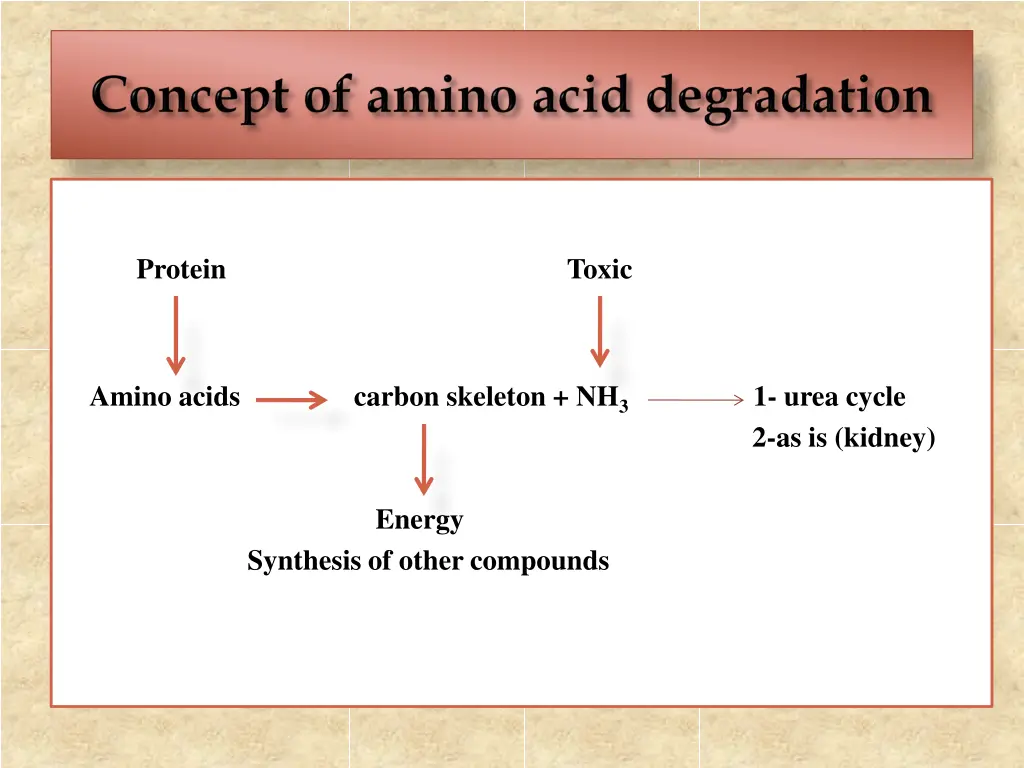
Protein Toxic Amino acids carbon skeleton + NH3 1- urea cycle 2-as is (kidney) Energy Synthesis of other compounds
1- The first phase of catabolism involves the removal of the -amino groups (usually by transamination and subsequent oxidative deamination forming ammonia and the corresponding - ketoacid, the "carbon skeletons" of amino acids). A portion of the free ammonia is excreted in the urine, but most is used in the synthesis of urea. 2- The second phase of amino acid catabolism, the carbon skeletons of the - ketoacids are converted to common intermediates of energy producing, metabolic pathways. These compounds can be metabolized to CO2 and water, glucose, fatty acids, or ketone bodies by the central pathways of metabolism.
In addition to serving as building blocks for proteins, amino acids are precursors of many nitrogen-containing compounds that have important physiologic functions. These molecules include porphyrins, neurotransmitters, hormones, purines, and pyrimidines, Creatine , Biologically active peptides
Alanine Alanine serves as a carrier of ammonia and of the carbons of pyruvate from skeletal muscle to liver, and together with glycine & glutamine constitutes a major fraction of the free amino acids in plasma.
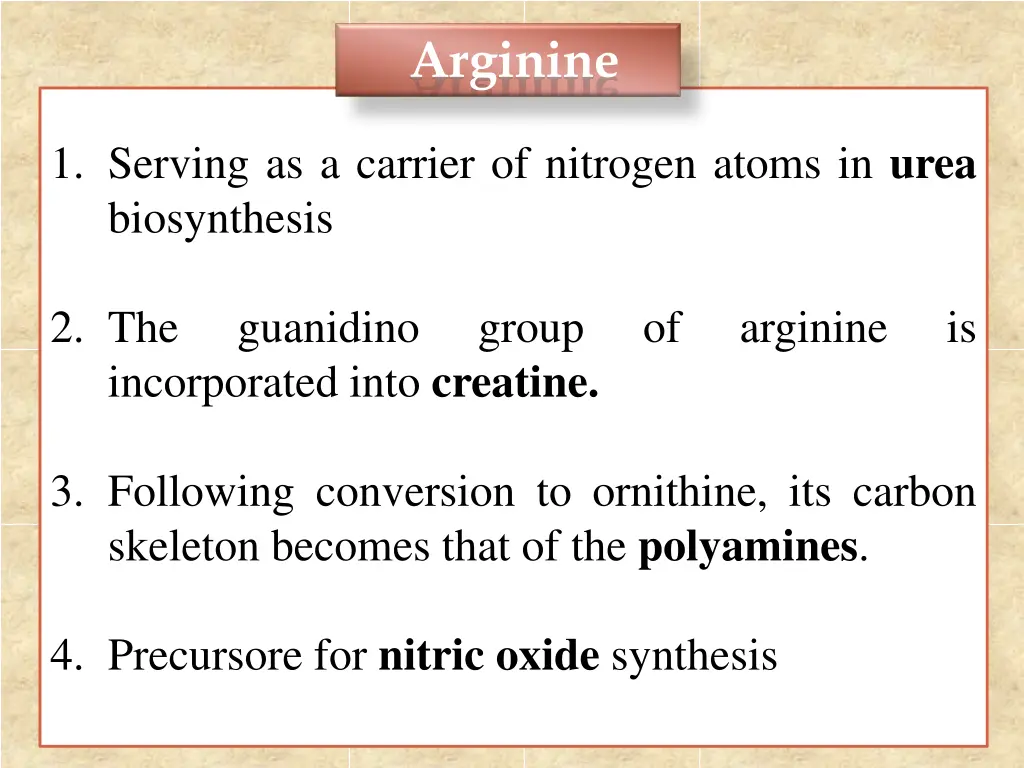
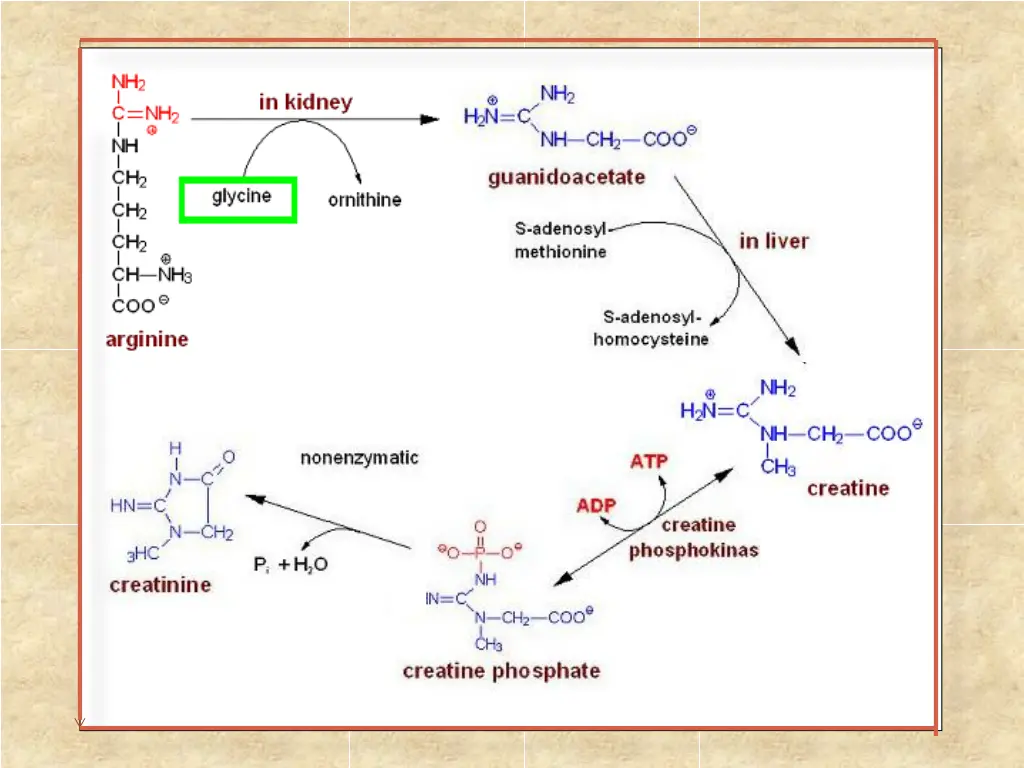
Arginine 1. Serving as a carrier of nitrogen atoms in urea biosynthesis 2. The incorporated into creatine. guanidino group of arginine is 3. Following conversion to ornithine, its carbon skeleton becomes that of the polyamines. 4. Precursore for nitric oxide synthesis
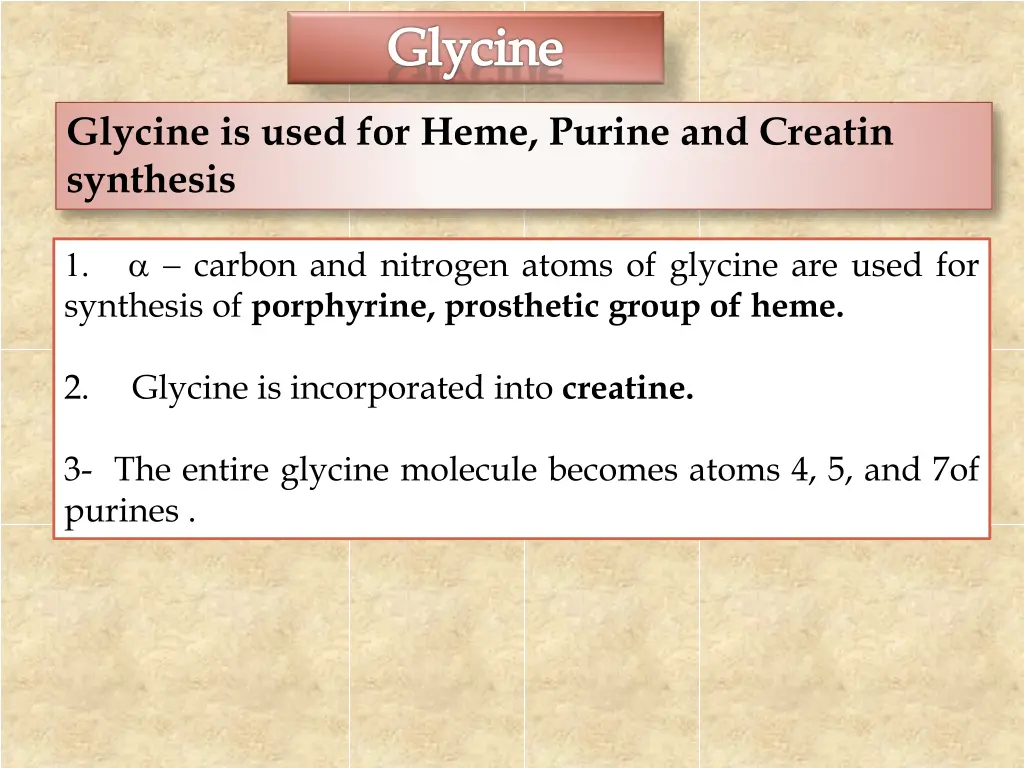
Glycine Glycine is used for Heme, Purine and Creatin synthesis carbon and nitrogen atoms of glycine are used for synthesis of porphyrine, prosthetic group of heme. 2. Glycine is incorporated into creatine. 3- The entire glycine molecule becomes atoms 4, 5, and 7of purines .
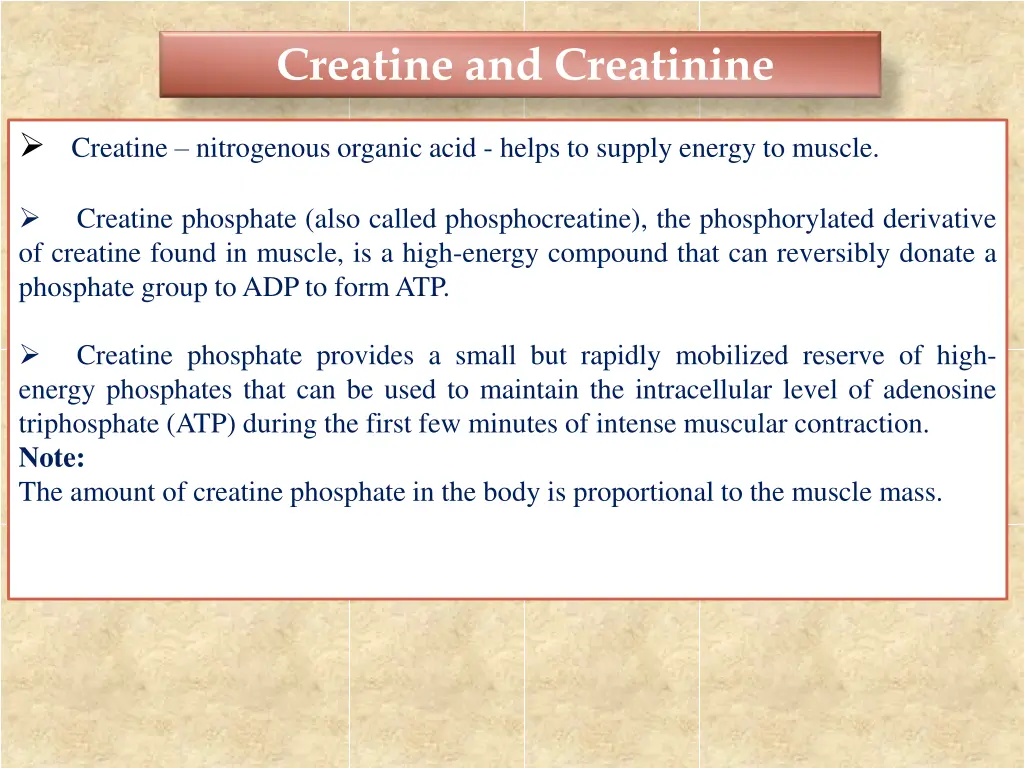
Creatine and Creatinine Creatine nitrogenous organic acid - helps to supply energy to muscle. Creatine phosphate (also called phosphocreatine), the phosphorylated derivative of creatine found in muscle, is a high-energy compound that can reversibly donate a phosphate group to ADP to form ATP. Creatine phosphate provides a small but rapidly mobilized reserve of high- energy phosphates that can be used to maintain the intracellular level of adenosine triphosphate (ATP) during the first few minutes of intense muscular contraction. Note: The amount of creatine phosphate in the body is proportional to the muscle mass.
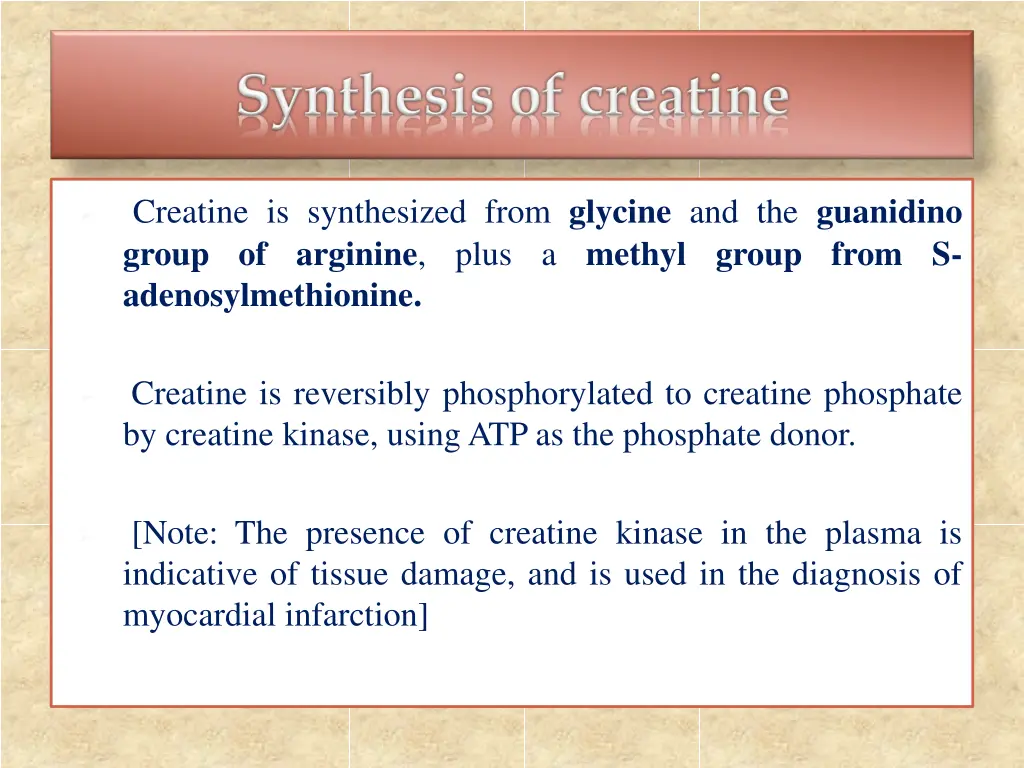
Creatine is synthesized from glycine and the guanidino group of arginine, plus a methyl group from S- adenosylmethionine. Creatine is reversibly phosphorylated to creatine phosphate by creatine kinase, using ATP as the phosphate donor. [Note: The presence of creatine kinase in the plasma is indicative of tissue damage, and is used in the diagnosis of myocardial infarction]
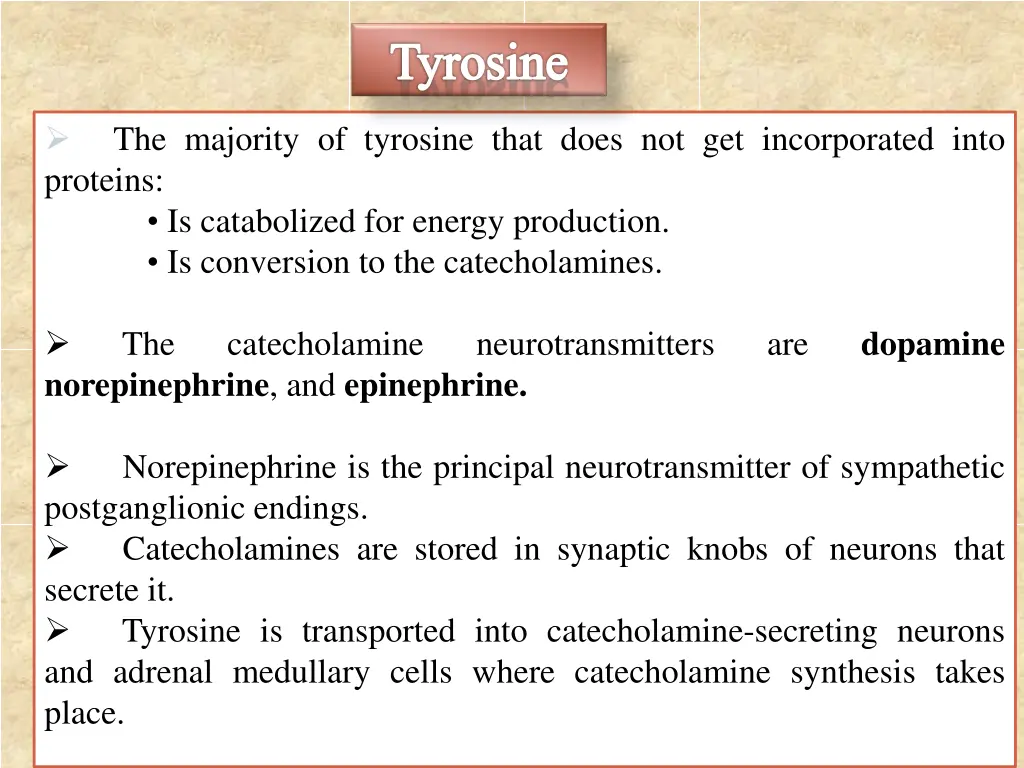
Tyrosine The majority of tyrosine that does not get incorporated into proteins: Is catabolized for energy production. Is conversion to the catecholamines. dopamine The norepinephrine, and epinephrine. catecholamine neurotransmitters are Norepinephrine is the principal neurotransmitter of sympathetic postganglionic endings. Catecholamines are stored in synaptic knobs of neurons that secrete it. Tyrosine is transported into catecholamine-secreting neurons and adrenal medullary cells where catecholamine synthesis takes place.
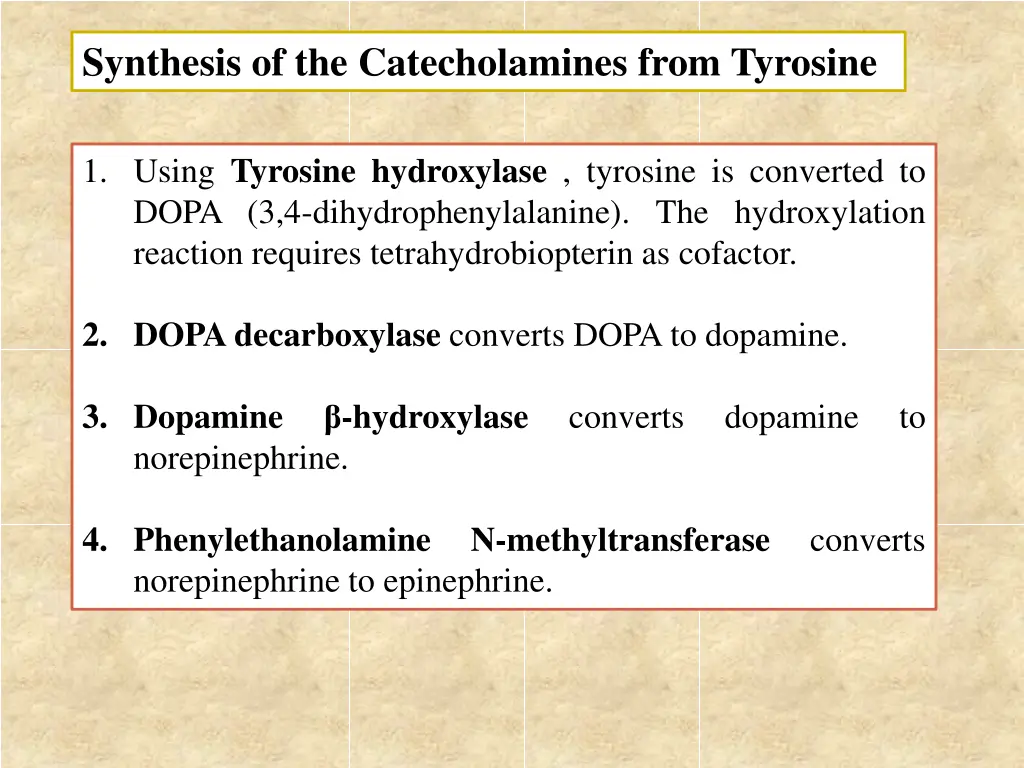
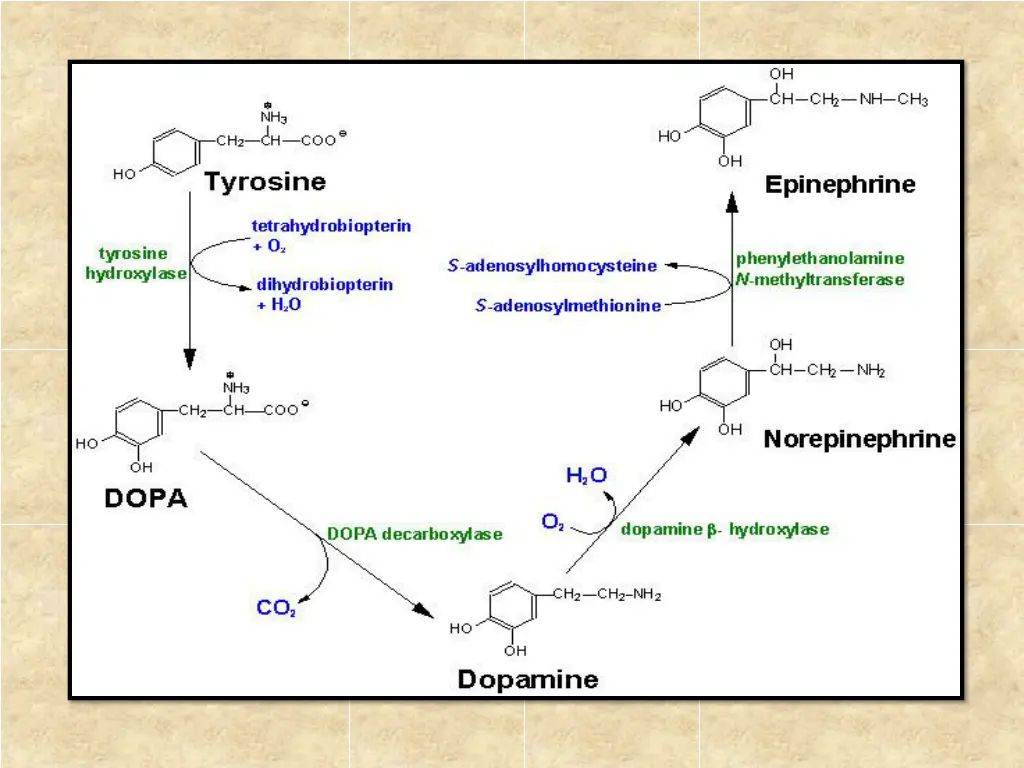
Synthesis of the Catecholamines from Tyrosine 1. Using Tyrosine hydroxylase , tyrosine is converted to DOPA (3,4-dihydrophenylalanine). The hydroxylation reaction requires tetrahydrobiopterin as cofactor. 2. DOPA decarboxylase converts DOPA to dopamine. 3. Dopamine norepinephrine. -hydroxylase converts dopamine to 4. Phenylethanolamine norepinephrine to epinephrine. N-methyltransferase converts
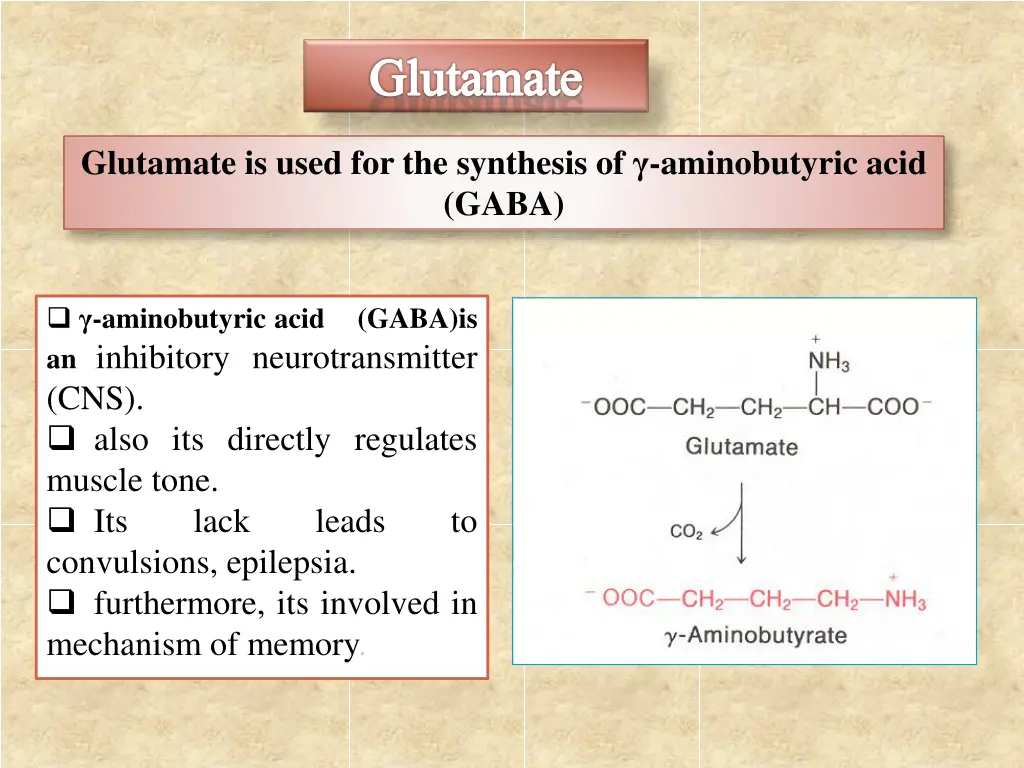
Glutamate Glutamate is used for the synthesis of -aminobutyric acid (GABA) -aminobutyric acid an inhibitory neurotransmitter (CNS). also its directly regulates muscle tone. Its lack convulsions, epilepsia. furthermore, its involved in mechanism of memory. (GABA)is leads to