IEEE 802.11-16/1567r5 TG.ax Proposal for DSC and OBSS_PD
IEEE 802.11-16/1567r5 presents a comprehensive proposal for Dynamic Sensitivity Control (DSC) and OBSS Packet Detection (OBSS_PD) in wireless networks. The document details the use of DSC to derive OBSS_PD, addressing challenges and providing solutions for interference management and power control. Through innovative approaches like Transmit Power Control (TPC) and Dynamic Sensitivity Control, the proposal aims to enhance spatial reuse schemes and optimize network performance.

Download Presentation

Please find below an Image/Link to download the presentation.
The content on the website is provided AS IS for your information and personal use only. It may not be sold, licensed, or shared on other websites without obtaining consent from the author.If you encounter any issues during the download, it is possible that the publisher has removed the file from their server.
You are allowed to download the files provided on this website for personal or commercial use, subject to the condition that they are used lawfully. All files are the property of their respective owners.
The content on the website is provided AS IS for your information and personal use only. It may not be sold, licensed, or shared on other websites without obtaining consent from the author.
E N D
Presentation Transcript
ETHYL & METHYL Alcohols Dr Darakhshan Rizvi CIMS
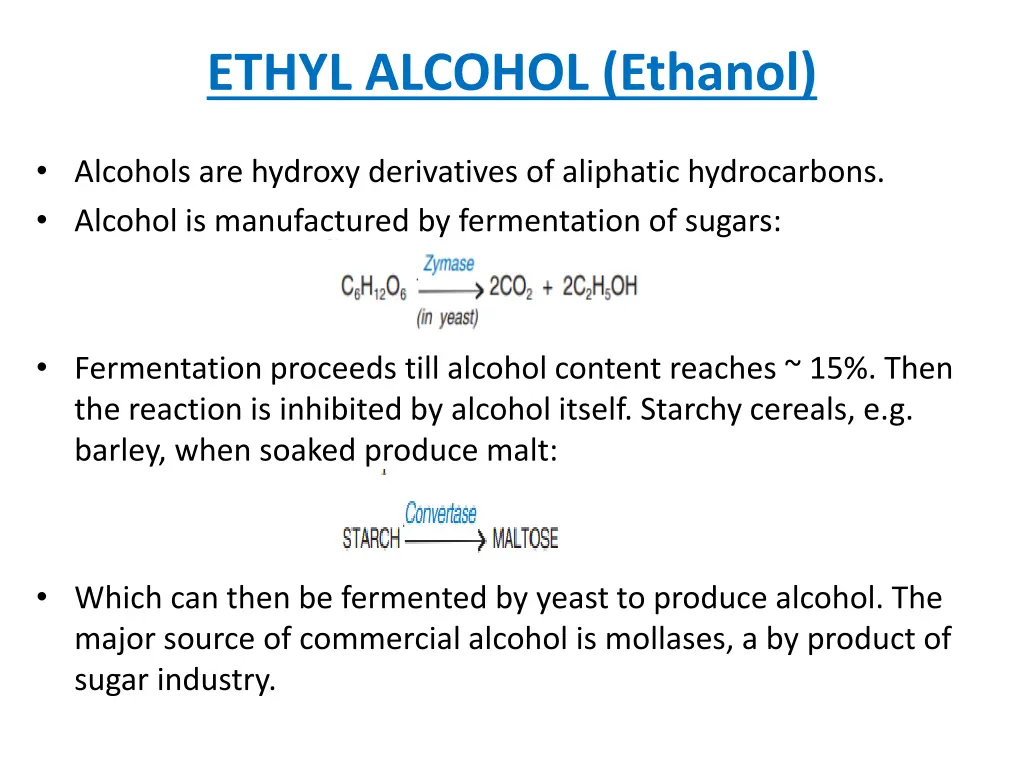
ETHYL ALCOHOL (Ethanol) Alcohols are hydroxy derivatives of aliphatic hydrocarbons. Alcohol is manufactured by fermentation of sugars: Fermentation proceeds till alcohol content reaches ~ 15%. Then the reaction is inhibited by alcohol itself. Starchy cereals, e.g. barley, when soaked produce malt: Which can then be fermented by yeast to produce alcohol. The major source of commercial alcohol is mollases, a by product of sugar industry.
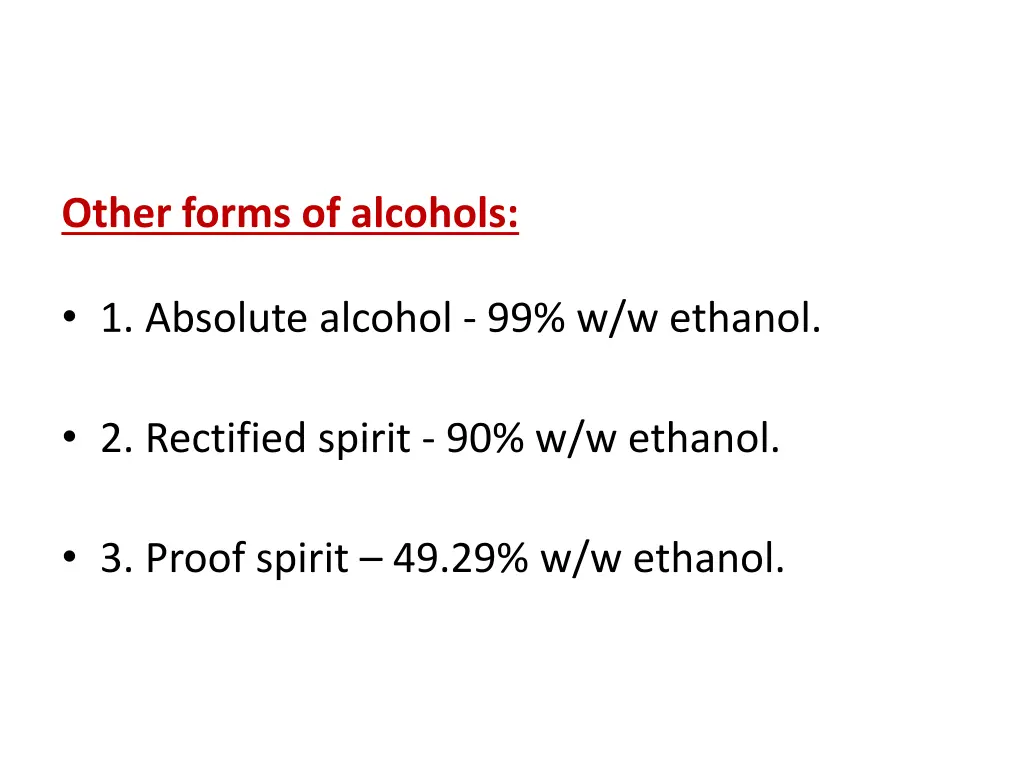
Other forms of alcohols: 1. Absolute alcohol - 99% w/w ethanol. 2. Rectified spirit - 90% w/w ethanol. 3. Proof spirit 49.29% w/w ethanol.
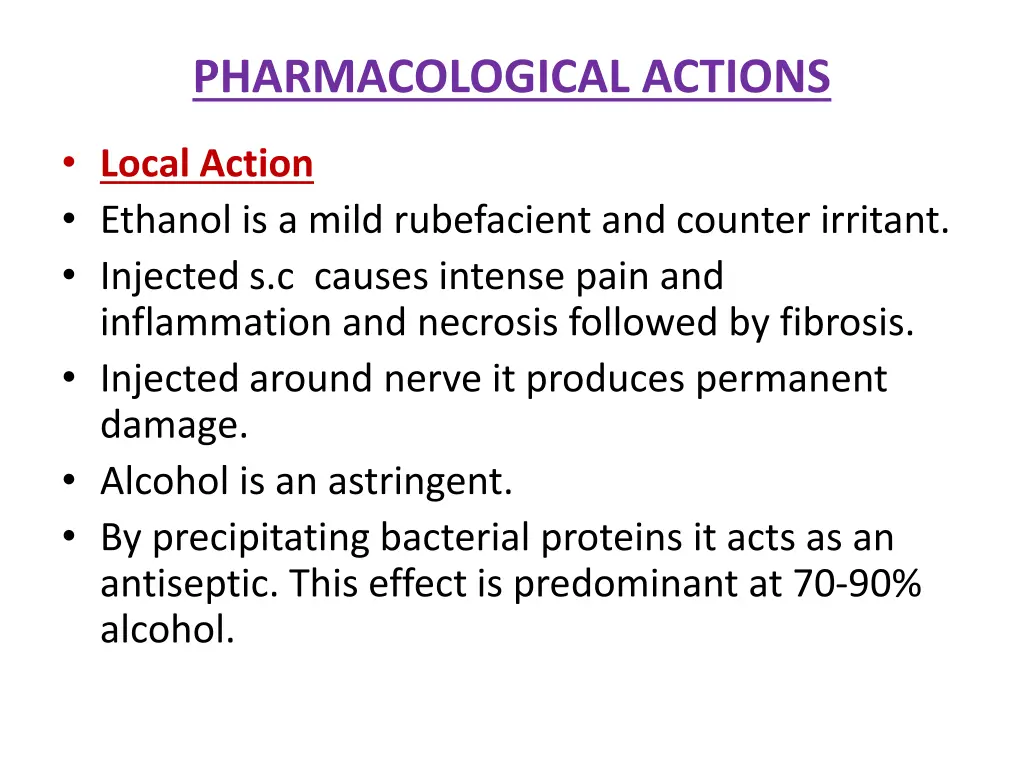
PHARMACOLOGICAL ACTIONS Local Action Ethanol is a mild rubefacient and counter irritant. Injected s.c causes intense pain and inflammation and necrosis followed by fibrosis. Injected around nerve it produces permanent damage. Alcohol is an astringent. By precipitating bacterial proteins it acts as an antiseptic. This effect is predominant at 70-90% alcohol.
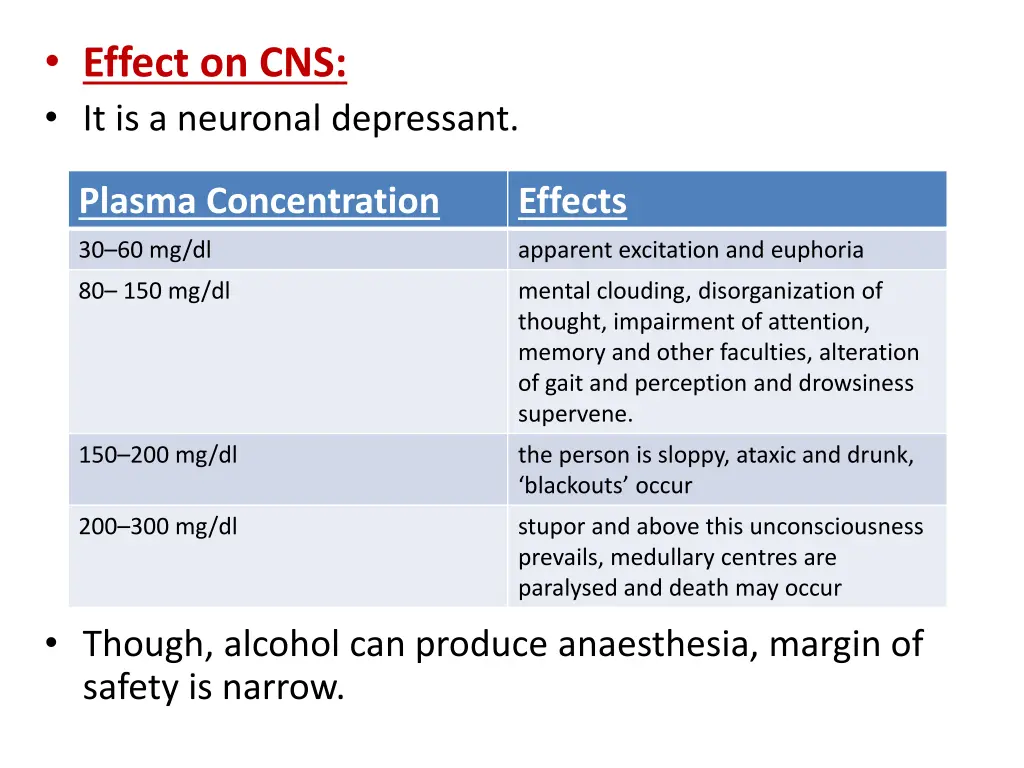
Effect on CNS: It is a neuronal depressant. Plasma Concentration Effects 30 60 mg/dl apparent excitation and euphoria 80 150 mg/dl mental clouding, disorganization of thought, impairment of attention, memory and other faculties, alteration of gait and perception and drowsiness supervene. 150 200 mg/dl the person is sloppy, ataxic and drunk, blackouts occur 200 300 mg/dl stupor and above this unconsciousness prevails, medullary centres are paralysed and death may occur Though, alcohol can produce anaesthesia, margin of safety is narrow.
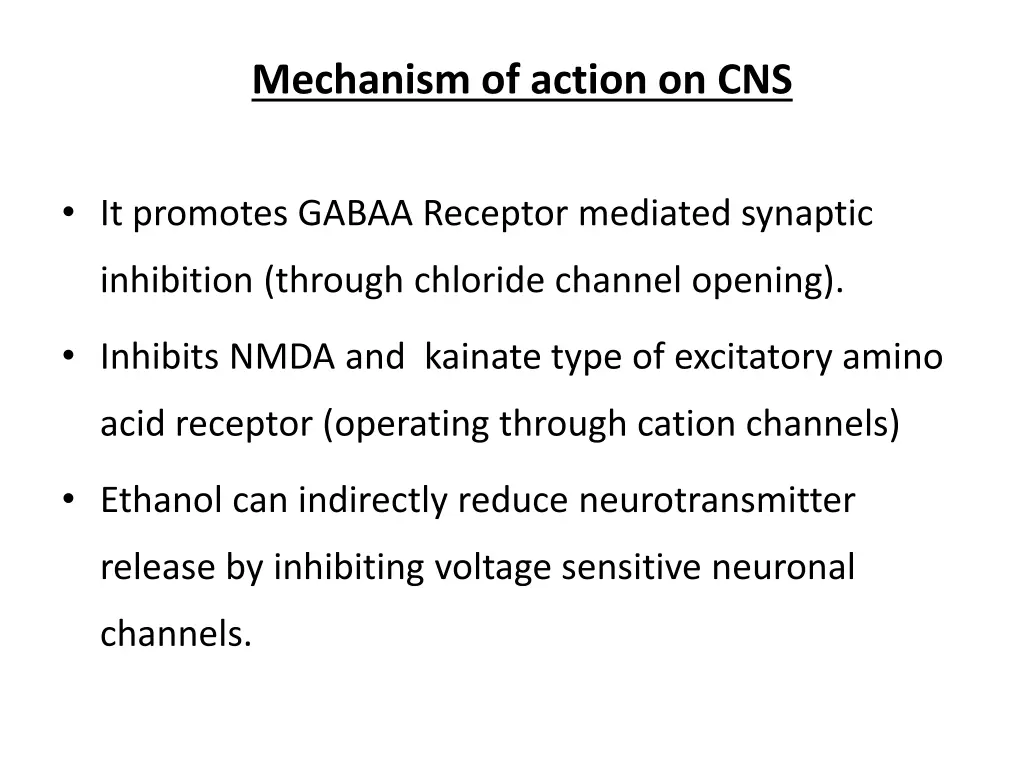
Mechanism of action on CNS It promotes GABAA Receptor mediated synaptic inhibition (through chloride channel opening). Inhibits NMDA and kainate type of excitatory amino acid receptor (operating through cation channels) Ethanol can indirectly reduce neurotransmitter release by inhibiting voltage sensitive neuronal channels.
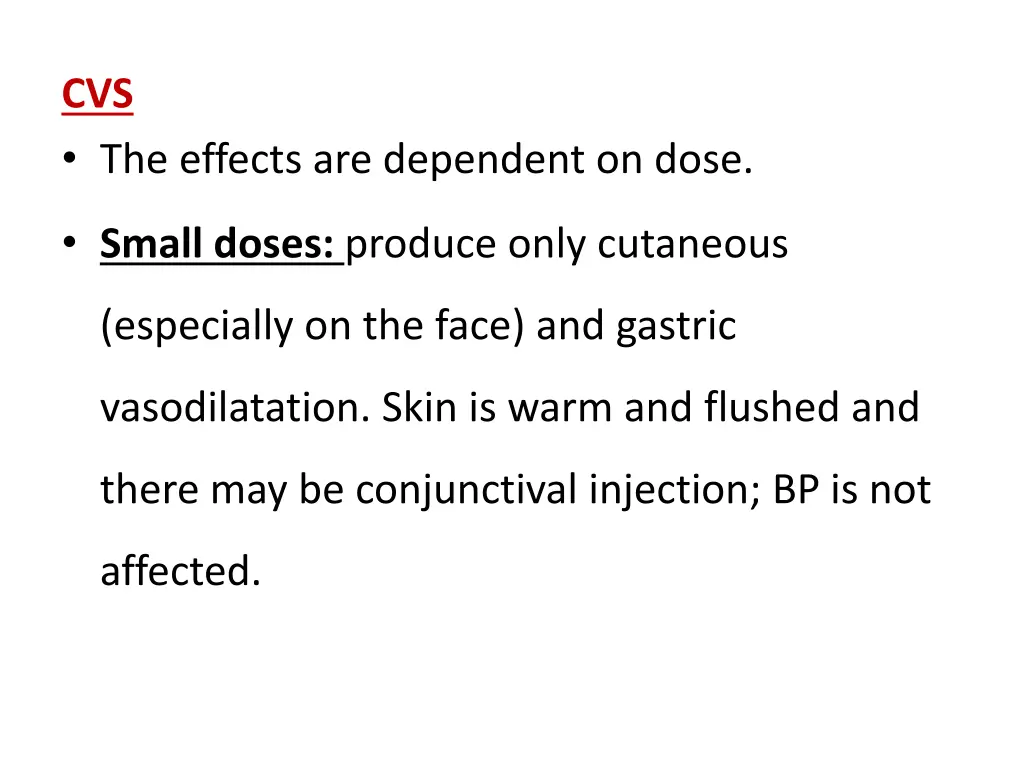
CVS The effects are dependent on dose. Small doses: produce only cutaneous (especially on the face) and gastric vasodilatation. Skin is warm and flushed and there may be conjunctival injection; BP is not affected.
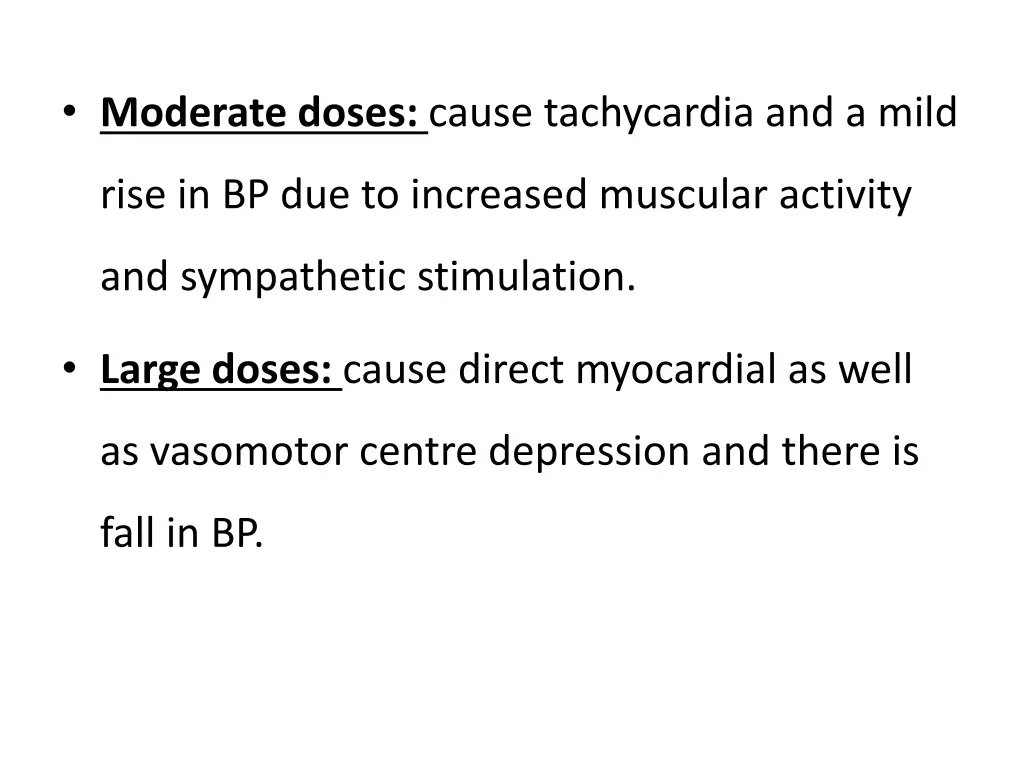
Moderate doses: cause tachycardia and a mild rise in BP due to increased muscular activity and sympathetic stimulation. Large doses: cause direct myocardial as well as vasomotor centre depression and there is fall in BP.
On blood: Megaloblastic anaemia has been seen in chronic alcoholism due to folate deficiency. On body temperature: It produces a sense of warmth due to cutaneous and gastric vasodilatation. Respiration: Alcoholic beverages acts as respiratory stimulant in collapse by irritating buccal and pharyngeal mucosa.
GIT: Higher conc.(>20%) inhibit gastric secretions , cause vomiting , mucosal congestion and gastritis. LES tone is reduced by alcohol- bowel movement may be altered in either directions. Skeletal muscle: Fatigue is allayed by small doses. Weakness and myopathy occurs in chronic alcoholism.
Liver: Chronic alcoholism exposes liver to oxidative stress and causes cellular necrosis followed by fibrosis. Acetaldehyde produced during metabolism of alcohol appears to damage the hepatocytes and induce inflammation, especially on chronic ingestion of large amounts.
Increased lipid peroxidation and glutathione depletion occurs. These combined with vitamin and other nutritional deficiencies may be responsible for the so called alcoholic cirrhosis. Regular alcohol intake induces microsomal enzymes.
Kidney Diuresis is often noticed after alcohol intake. This is due to water ingested along with drinks as well as alcohol induced inhibition of ADH secretion. Endocrine effects Moderate amounts of alcohol increase Adr release which can cause hyperglycaemia and other sympathetic effects. However, acute intoxication is often associated with hypoglycaemia and depletion of hepatic glycogen, because gluconeogenesis is inhibited. Glucagon, thus fails to reverse it and glucose must be given to counteract hypoglycaemia.
PHARMACOKINETICS A absorption from intestine is very fast Peak levels are attained after 30 min. D distributed widely in the body. Vd = 0.7 L/Kg crosses blood brain barrier (BBB) and also placenta. conc. in brain =conc. in blood.
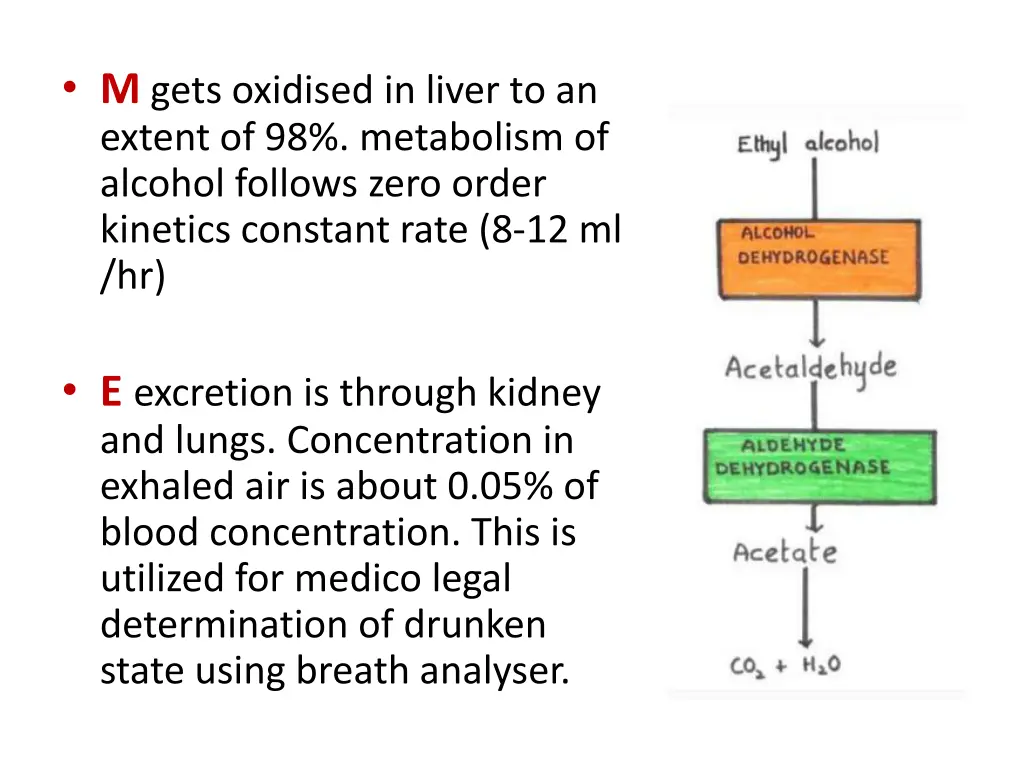
M gets oxidised in liver to an extent of 98%. metabolism of alcohol follows zero order kinetics constant rate (8-12 ml /hr) E excretion is through kidney and lungs. Concentration in exhaled air is about 0.05% of blood concentration. This is utilized for medico legal determination of drunken state using breath analyser.
Contraindications Peptic ulcer, hyperacidity and gastroesophageal reflux disease Epileptics: seizures may be precipitated. Severe liver disease patients. Unstable personalities
Contraindications Pregnant women: drinking during pregnancy can produce foetal alcohol syndrome resulting in intrauterine and postnatal growth retardation, low IQ, microcephaly, cranio-facial and other abnormalities, and immunological impairment increased susceptibility to infections. Heavy drinking during pregnancy, in addition, increases the incidence of miscarriage, stillbirths and low birth-weight babies.
Guidelines for safe drinking On an average 1 2 drinks per day is usually safe. Not more than 3 drinks on any one occasion. Consumption of >3 drinks per day is associated with documented adverse health effects. Do not drive or engage in hazardous activities after drinking.
Guidelines for safe drinking Do not drink if an interacting drug has been taken. Subjects with any contraindication should not drink. Safe limits are somewhat lower for women than for men, because metabolism of alcohol is slower and its bioavailability higher.
ADVERSE EFFECTS Moderate drinking nausea , vomiting , flushing , hangover , traffic accidents. Acute alcoholic intoxication hypotension ,gastritis , hypoglycemia , respiratory depression , coma , death. TREATMENT: Gastric lavage Correction of hypoglycaemia by glucose infusion. (thiamine 100 mg in 500 ml glucose solution)
Chronic alcoholism Physical dependence occurs Impaired mental and physical performances Neurological problems are common pellagra, tremors , seizures , psychosis Alcoholic liver cirrhosis , hypertension , cardiomyopathy , stroke , acute pancreatitis , infertility and skeletal myopathy
Withdrawal syndrome Anxiety ,sweating , tremor , impairment of sleep , confusion , hallucination , convulsions.. TREATMENT Benzodiazepines (chordiazepoxide , diazepam) Naltrexone opioid receptor antagonist. Acamprostate weak NMDA receptor antagonist. Ondansetron 5-HT3 antagonist. Topiramate anti-epileptic.
CLINICAL USES As antiseptic Rubefacient and counterirritant for sprains, joint pains, etc. Rubbed into the skin to prevent bedsores. It should not be applied on already formed sores. Alcoholic sponges to reduce body temperature in fever.
CLINICAL USES Intractable neuralgias (trigeminal and others), severe cancer pain. Injection of alcohol round the nerve causes permanent loss of transmission To treat methanol poisoning.
Aldehyde dehydrogenase inhibitor Disulfiram It inhibits the enzyme aldehyde dehydrogenase probably after conversion into active metabolites. When alcohol is ingested after taking disulfiram, the concentration of acetaldehyde in tissues and blood rises and a number of highly distressing symptoms (aldehyde syndrome) are produced promptly.
Aldehyde dehydrogenase inhibitor These are flushing, burning sensation, throbbing headache, perspiration, uneasiness, tightness in chest, dizziness, vomiting, visual disturbances, mental confusion, postural fainting and circulatory collapse.
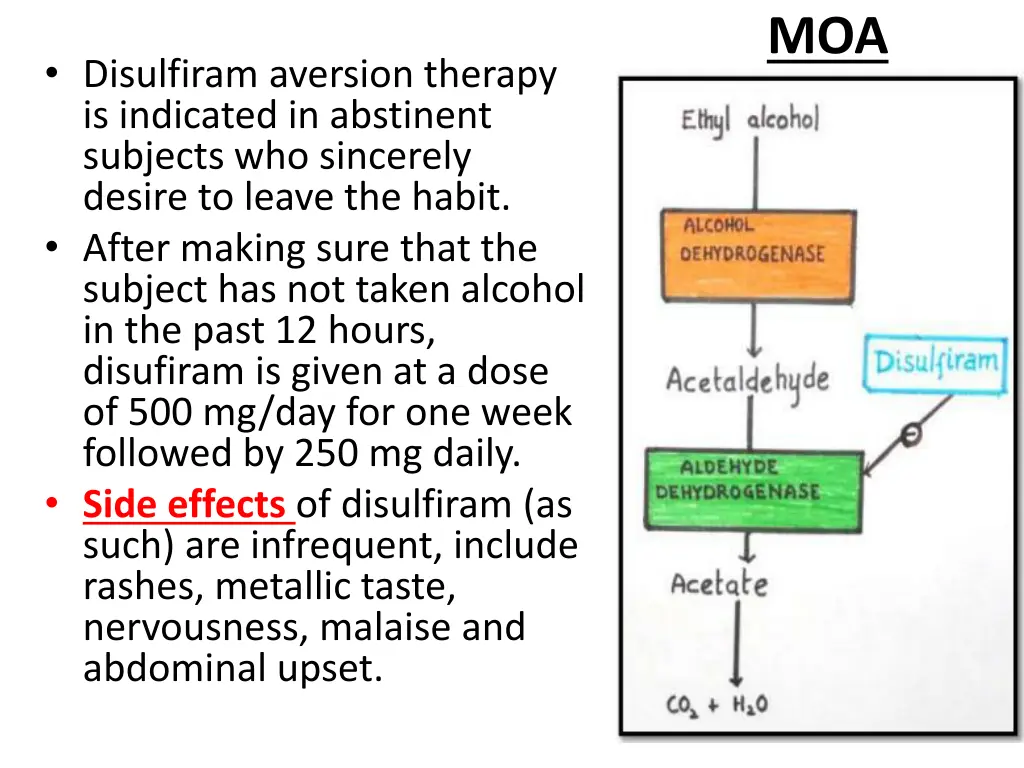
MOA Disulfiram aversion therapy is indicated in abstinent subjects who sincerely desire to leave the habit. After making sure that the subject has not taken alcohol in the past 12 hours, disufiram is given at a dose of 500 mg/day for one week followed by 250 mg daily. Side effects of disulfiram (as such) are infrequent, include rashes, metallic taste, nervousness, malaise and abdominal upset.
METHYL ALCOHOL Methyl alcohol is added to industrial rectified spirit to render it unfit for drinking. It is only of toxicological importance. Mixing of methylated spirit with alcoholic beverages by bootlegers or its inadvertent ingestion results in methanol poisoning.
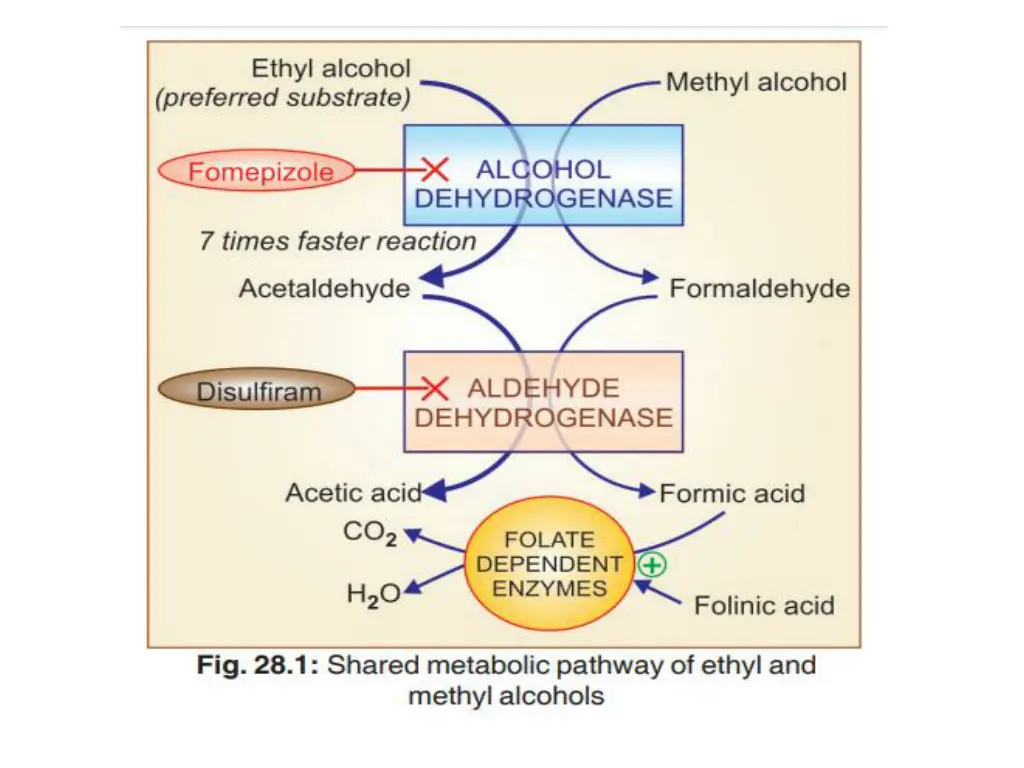
Pharmacokinetics Methanol is metabolized to formaldehyde and formic acid by alcohol and aldehyde dehydrogenases respectively but the rate is 1 / 7th that of ethanol. Like ethanol, metabolism of methanol also follows zero order kinetics. Toxic effects of methanol are largely due to formic acid, since its further metabolism is slow and folate dependent.
Pharmacokinetics A blood level of >50 mg/dl methanol is associated with severe poisoning. Even 15 ml of methanol has caused blindness and 30 ml has caused death; fatal dose is regarded to be 75 100 ml.
Methanol poisoning Manifestations of methanol poisoning are vomiting, headache, epigastric pain, uneasiness, drunkenness, disorientation, tachypnoea, dyspnoea, bradycardia and hypotension. Delirium and seizures may occur and the patient may suddenly pass into coma.
Methanol poisoning Acidosis is prominent and entirely due to production of formic acid. The specific toxicity of formic acid is retinal damage. Blurring of vision, congestion of optic disc followed by blindness always precede death which is due to respiratory failure.
Treatment Keep the patient in a quiet, dark room; protect the eyes from light. Gastric lavage with sod. bicarbonate if the patient is brought within 2 hours of ingesting methanol. Supportive measures to maintain ventilation and BP should be instituted. Combat acidosis by i.v. Sod. bicarbonate infusion Pot. chloride infusion is needed only when hypokalemia occurs due to alkali therapy.
Ethanol is preferentially metabolized by alcohol dehydrogenase over methanol. At a concentration of 100 mg/dl in blood it saturates alcohol dehydrogenase and retards methanol metabolism. This helps by reducing the rate of generation of formaldehyde and formic acid.
Ethanol (10% in water) is administered through a nasogastric tube; loading dose of 0.7 ml/kg is followed by 0.15 ml/kg/hour. Haemodialysis: clears methanol as well as formate and hastens recovery.
Fomepizole (4-methylpyrazole) is a specific inhibitor of alcohol dehydrogenase and the drug of choice for methanol poisoning by retarding its metabolism. A loading dose of 15 mg/kg i.v. followed by 10 mg/kg every 12 hours till serum methanol falls below 20 mg/dl, has been found effective and safe.
Folate therapy: Calcium leucovorin 50 mg injected 6 hourly has been shown to reduce blood formate levels by enhancing its oxidation. This is a promising adjuvant approach.
Ethylene glycol poisoning Ethylene glycol poisoning has occurred sporadically, especially among children. It is an industrial solvent, coolant and antifreeze. Ethylene glycol is oxidized in the body by alcohol dehydrogenase to glycoaldehyde and then to glycolic acid glyoxylic acid oxalic acid in steps.
Ethylene glycol poisoning Ethylene glycol itself can cause intoxication similar to ethanol, but generation of metabolites results in acidosis, cardiopulmonary complications and renal tubular necrosis.
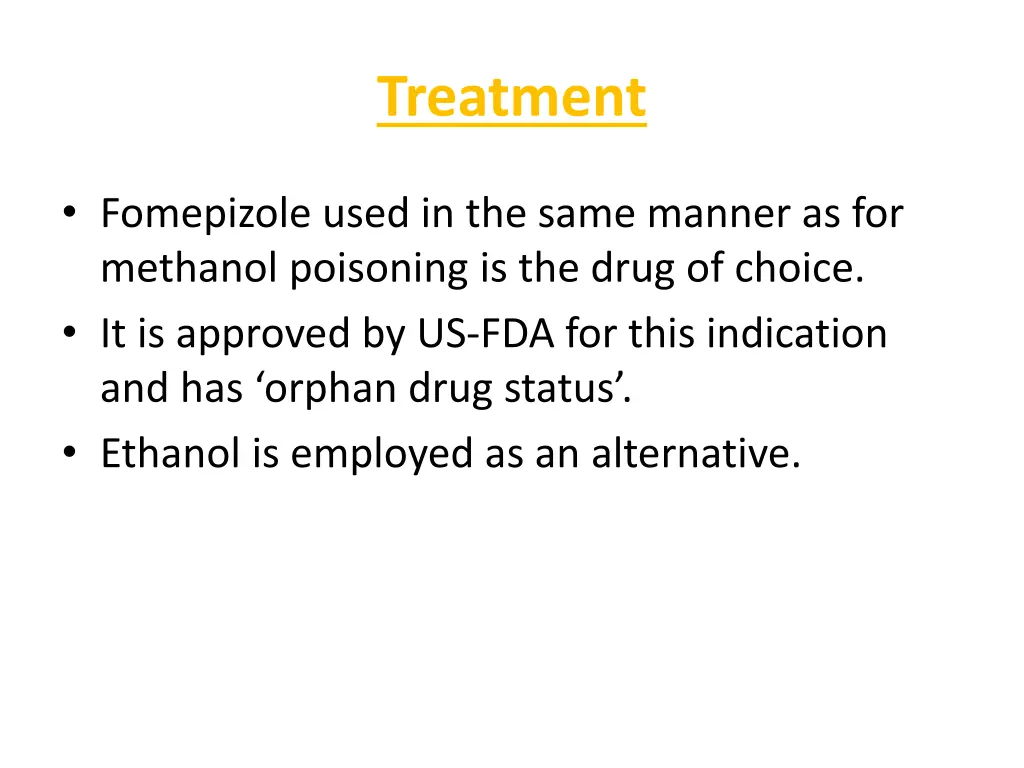
Treatment Fomepizole used in the same manner as for methanol poisoning is the drug of choice. It is approved by US-FDA for this indication and has orphan drug status . Ethanol is employed as an alternative.