Learn about the pituitary gland, its relationship with the hypothalamus, and the key hormones it produces. Discover the roles of growth hormone, ACTH, TSH, FSH, LH, and PRL in regulating various bodily functions. Explore conditions like dwarfism, gigantism, and acromegaly associated with imbalances in growth hormone secretion.
Please find below an Image/Link to download the presentation.
The content on the website is provided AS IS for your information and personal use only. It may not be sold, licensed, or shared on other websites without obtaining consent from the author. If you encounter any issues during the download, it is possible that the publisher has removed the file from their server.
You are allowed to download the files provided on this website for personal or commercial use, subject to the condition that they are used lawfully. All files are the property of their respective owners.
The content on the website is provided AS IS for your information and personal use only. It may not be sold, licensed, or shared on other websites without obtaining consent from the author.
E N D
Presentation Transcript
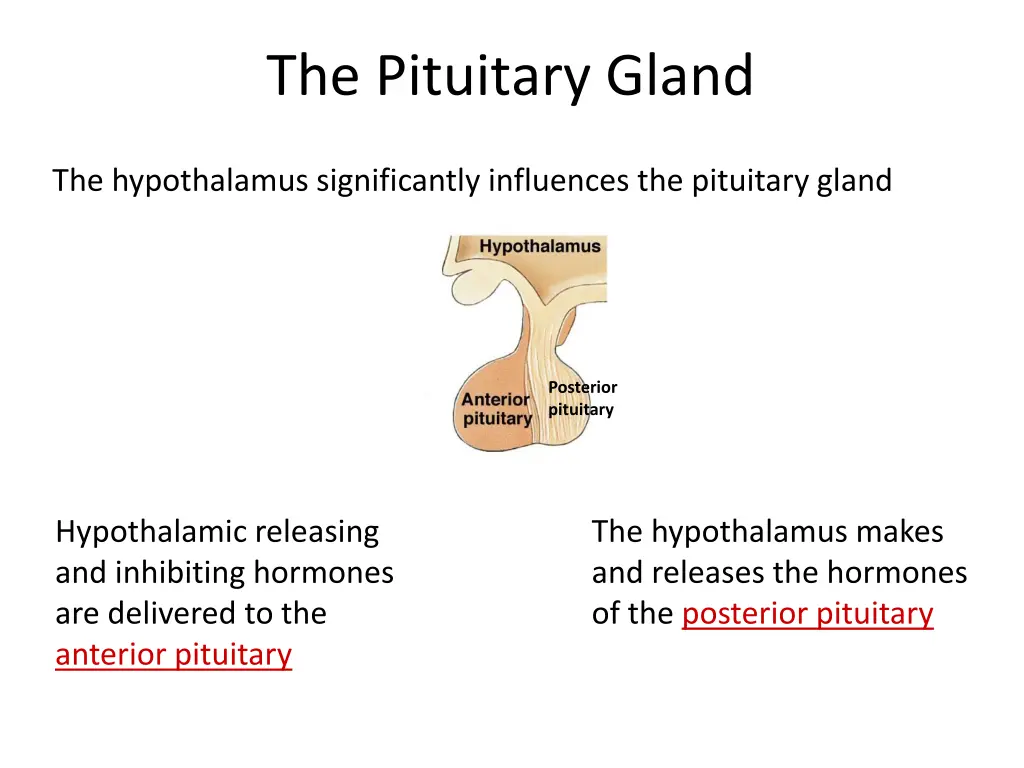
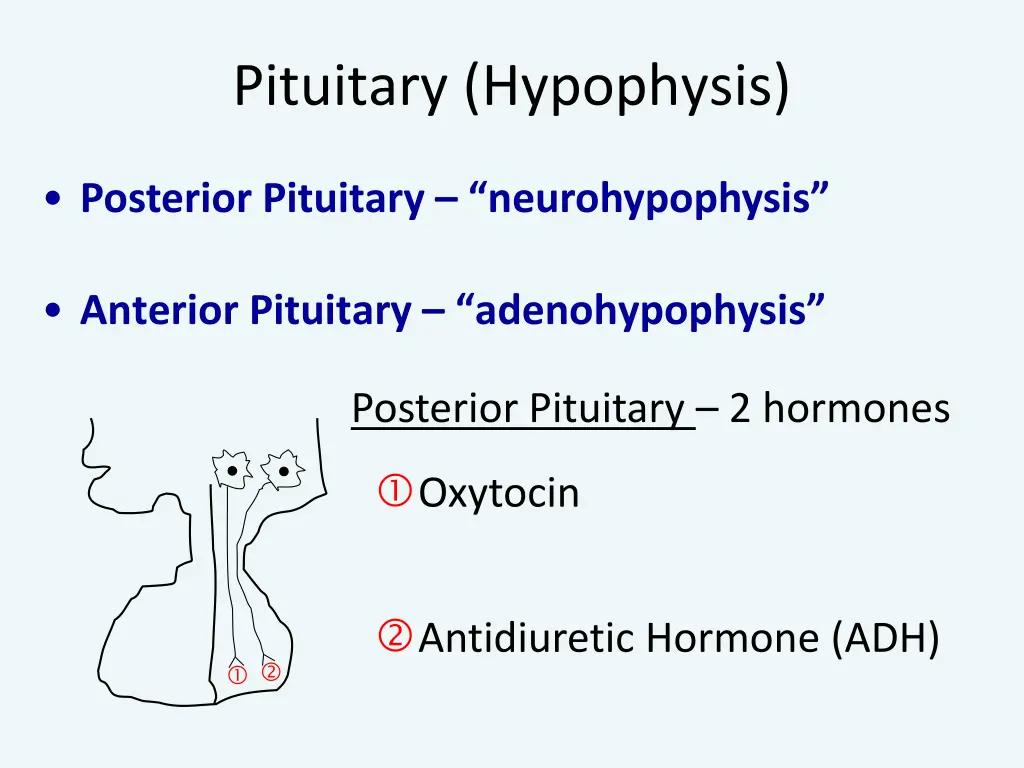
The Pituitary Gland The hypothalamus significantly influences the pituitary gland Posterior pituitary Hypothalamic releasing and inhibiting hormones are delivered to the anterior pituitary The hypothalamus makes and releases the hormones of the posterior pituitary
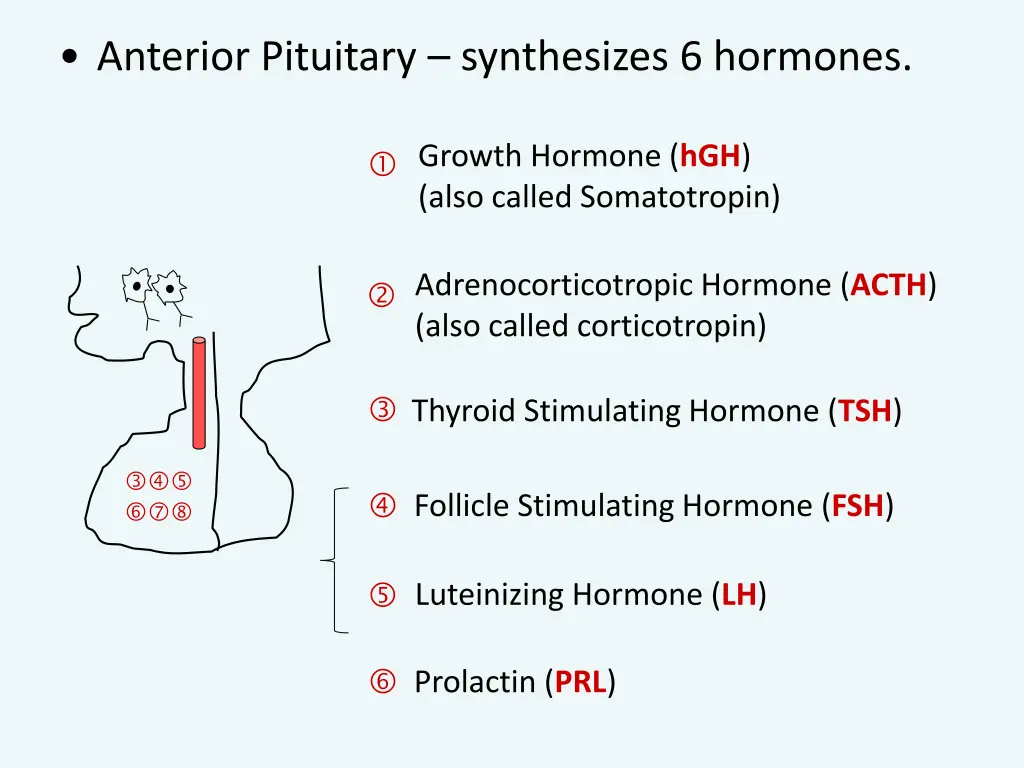
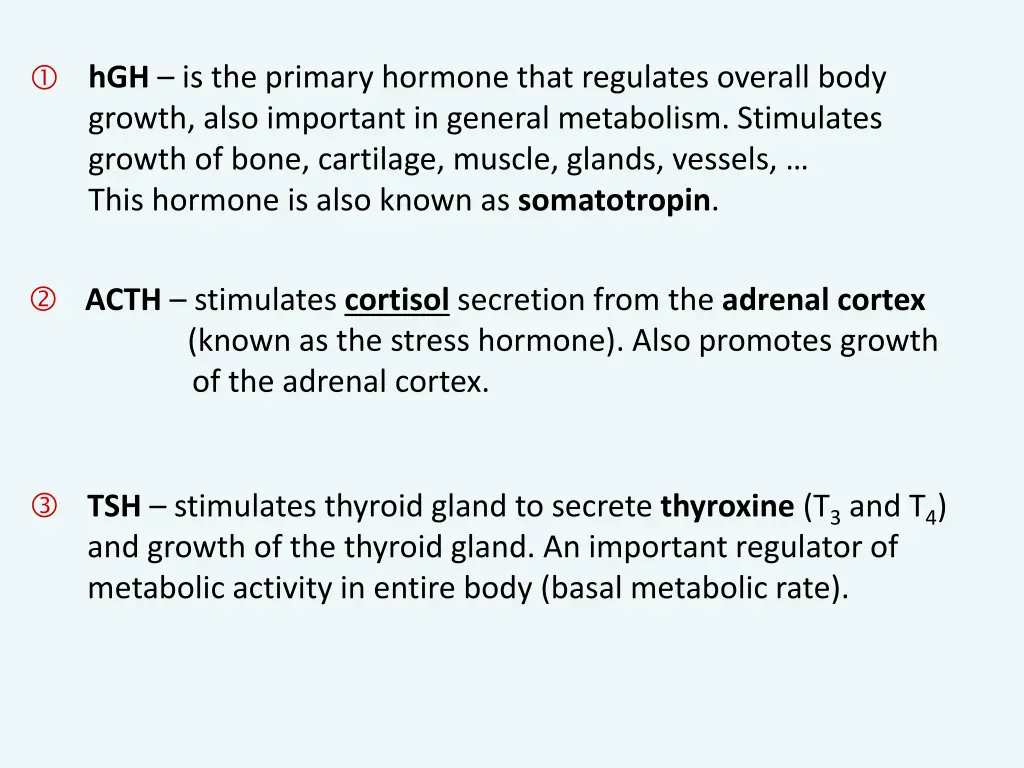
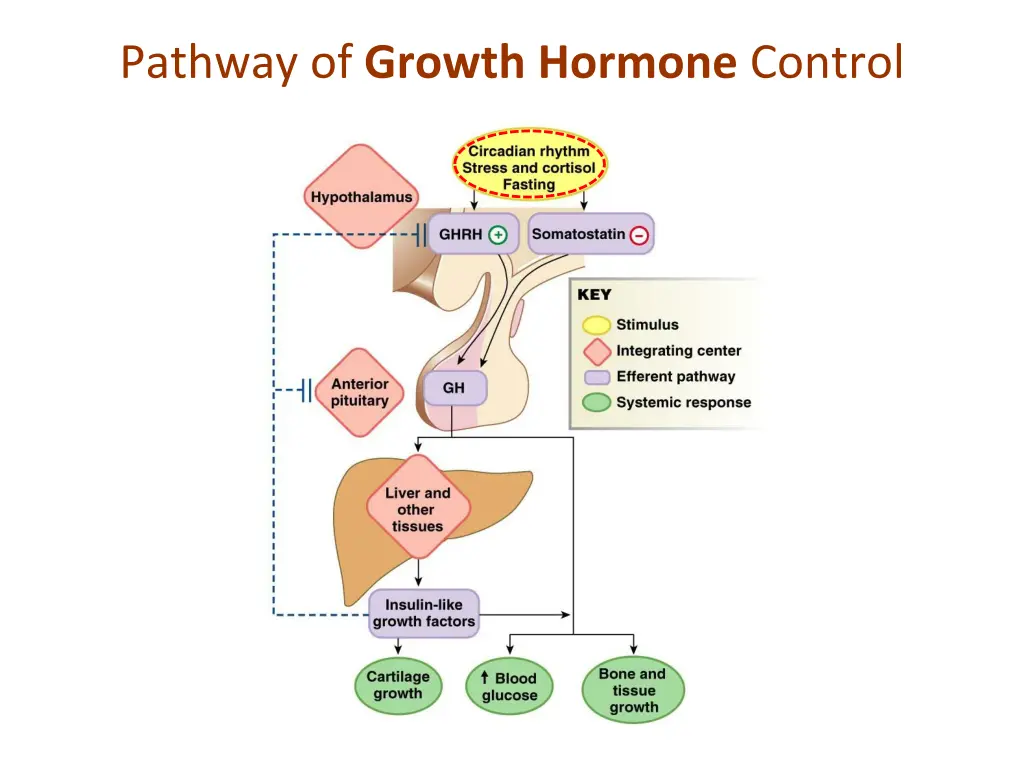
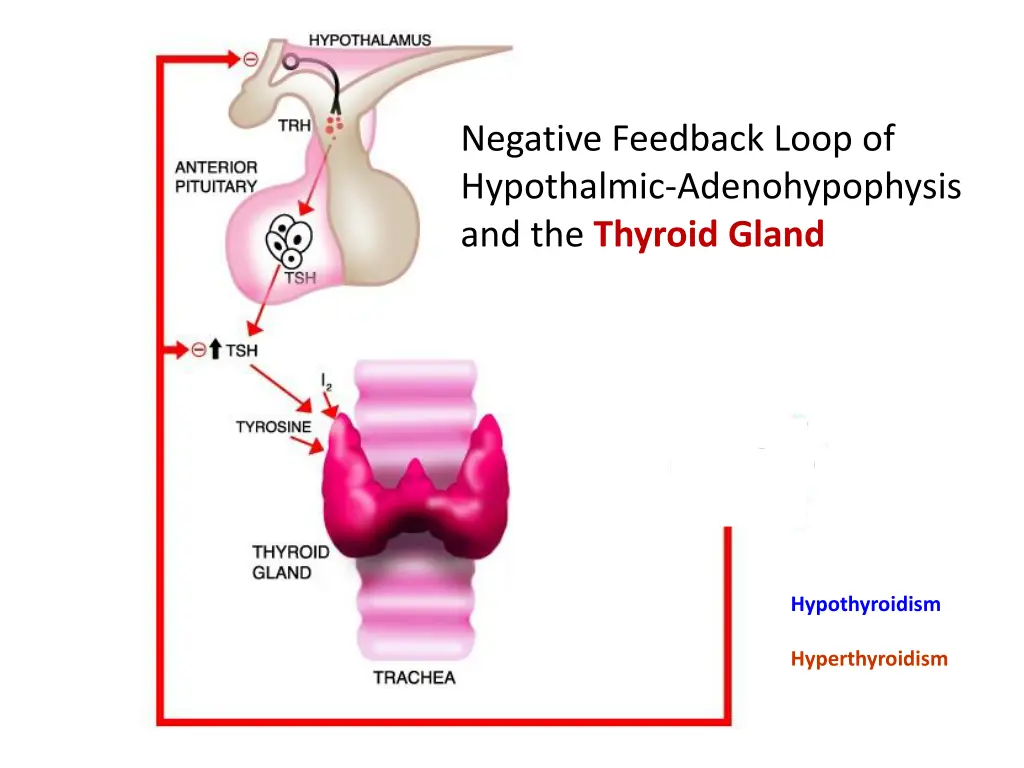
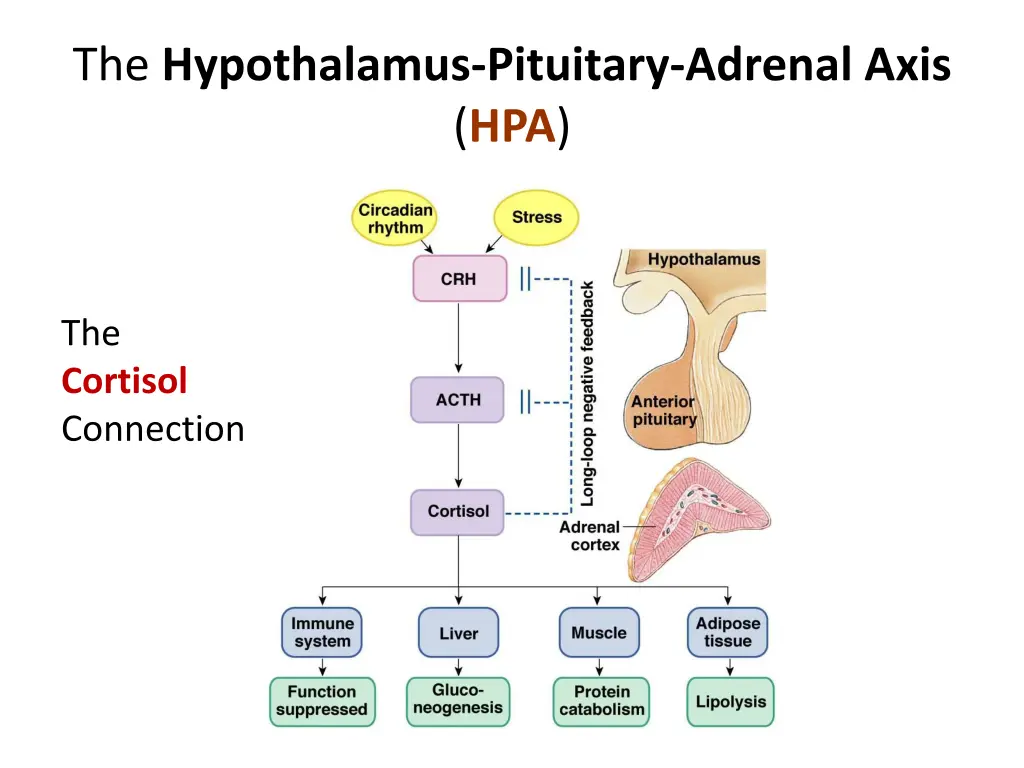
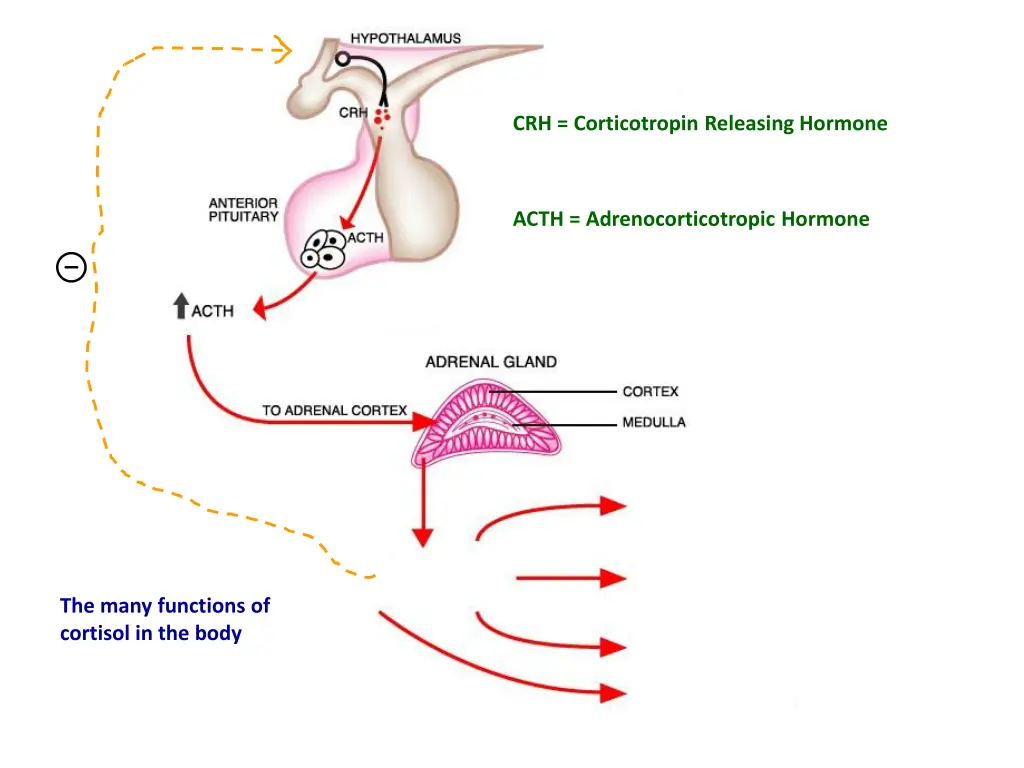
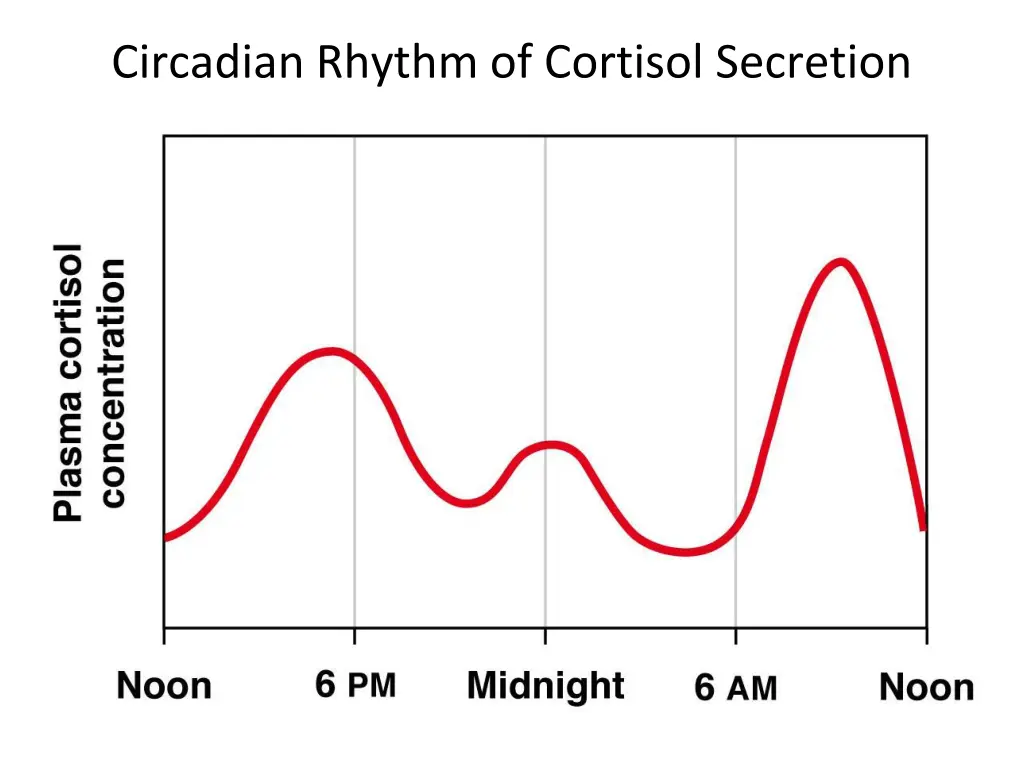
hGH is the primary hormone that regulates overall body growth, also important in general metabolism. Stimulates growth of bone, cartilage, muscle, glands, vessels, This hormone is also known as somatotropin. ACTH stimulates cortisol secretion from the adrenal cortex (known as the stress hormone). Also promotes growth of the adrenal cortex. TSH stimulates thyroid gland to secrete thyroxine (T3 and T4) and growth of the thyroid gland. An important regulator of metabolic activity in entire body (basal metabolic rate).
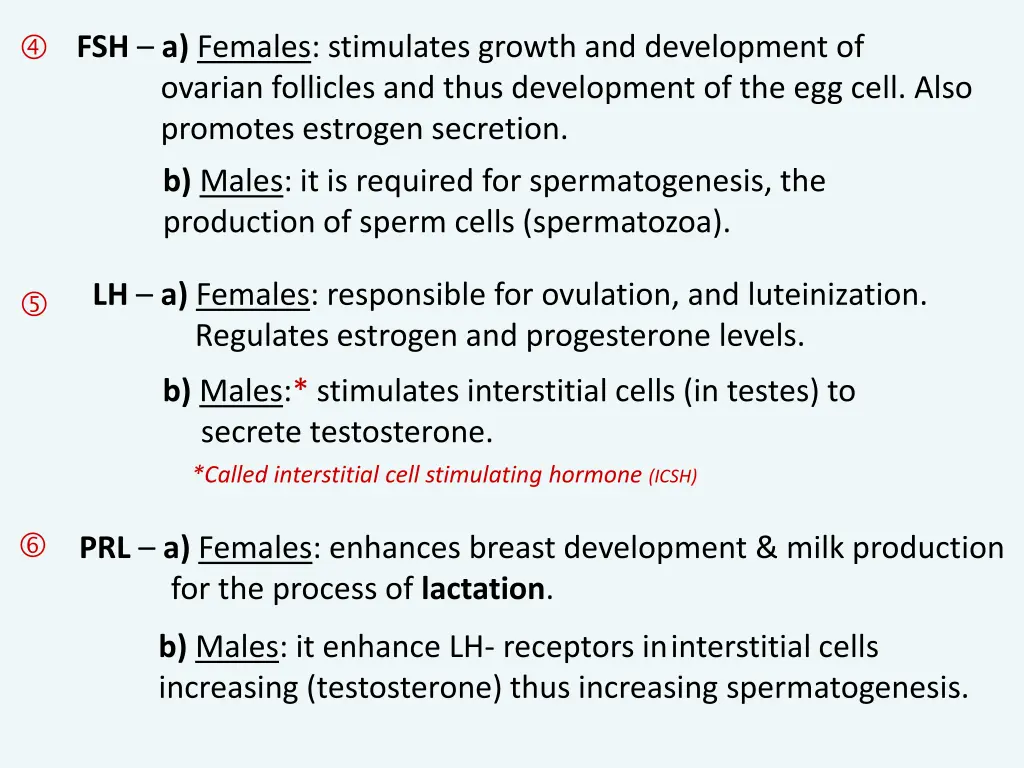
FSH a) Females: stimulates growth and development of ovarian follicles and thus development of the egg cell. Also promotes estrogen secretion. b) Males: it is required for spermatogenesis, the production of sperm cells (spermatozoa). LH a) Females: responsible for ovulation, and luteinization. Regulates estrogen and progesterone levels. b) Males:* stimulates interstitial cells (in testes) to secrete testosterone. *Called interstitial cell stimulating hormone (ICSH) PRL a) Females: enhances breast development & milk production for the process of lactation. b) Males: it enhance LH- receptors in interstitial cells increasing (testosterone) thus increasing spermatogenesis.
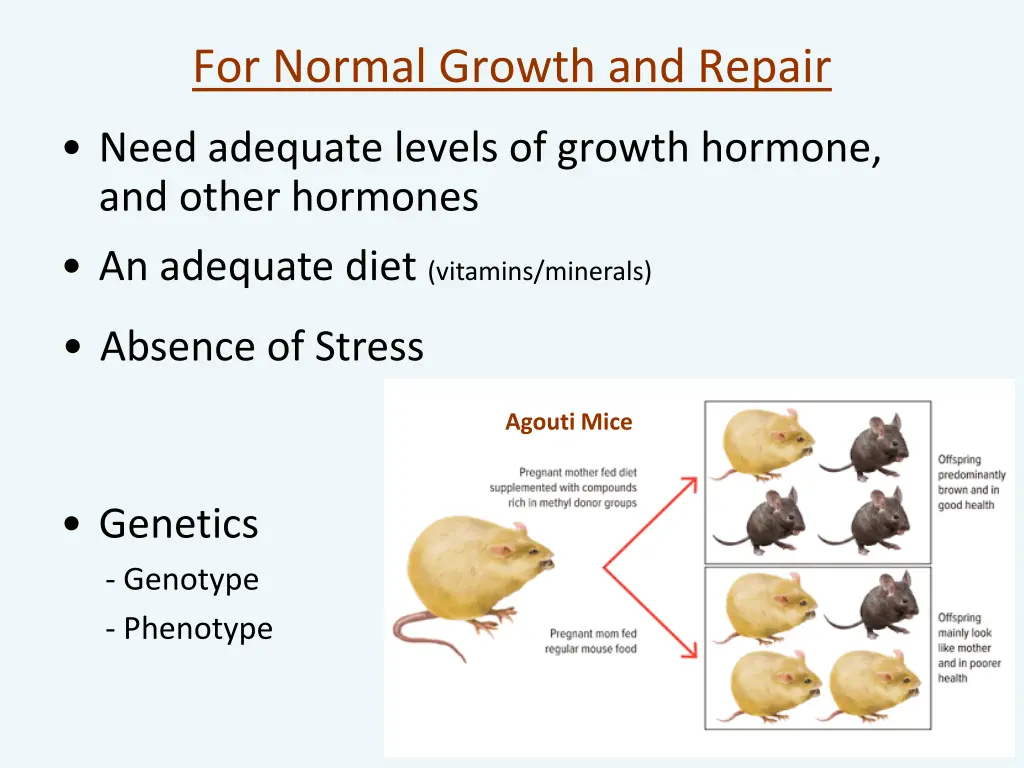
For Normal Growth and Repair Need adequate levels of growth hormone, and other hormones An adequate diet (vitamins/minerals) Absence of Stress Agouti Mice Genetics - Genotype - Phenotype
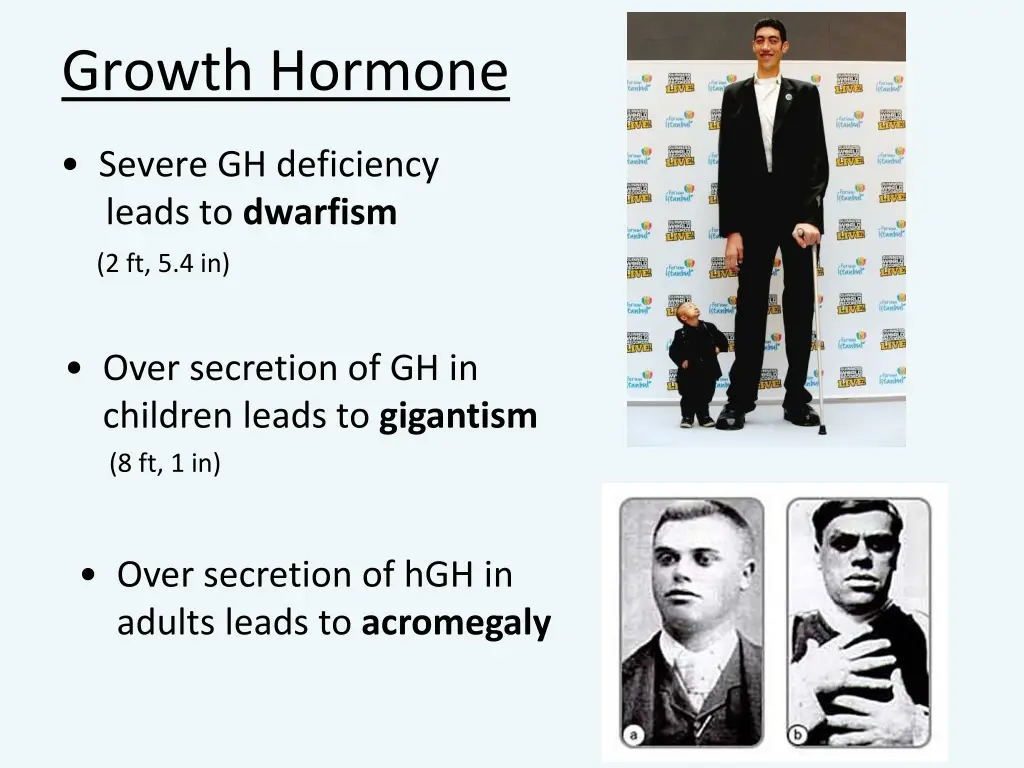
Growth Hormone Severe GH deficiency leads to dwarfism (2 ft, 5.4 in) Over secretion of GH in children leads to gigantism (8 ft, 1 in) Over secretion of hGH in adults leads to acromegaly
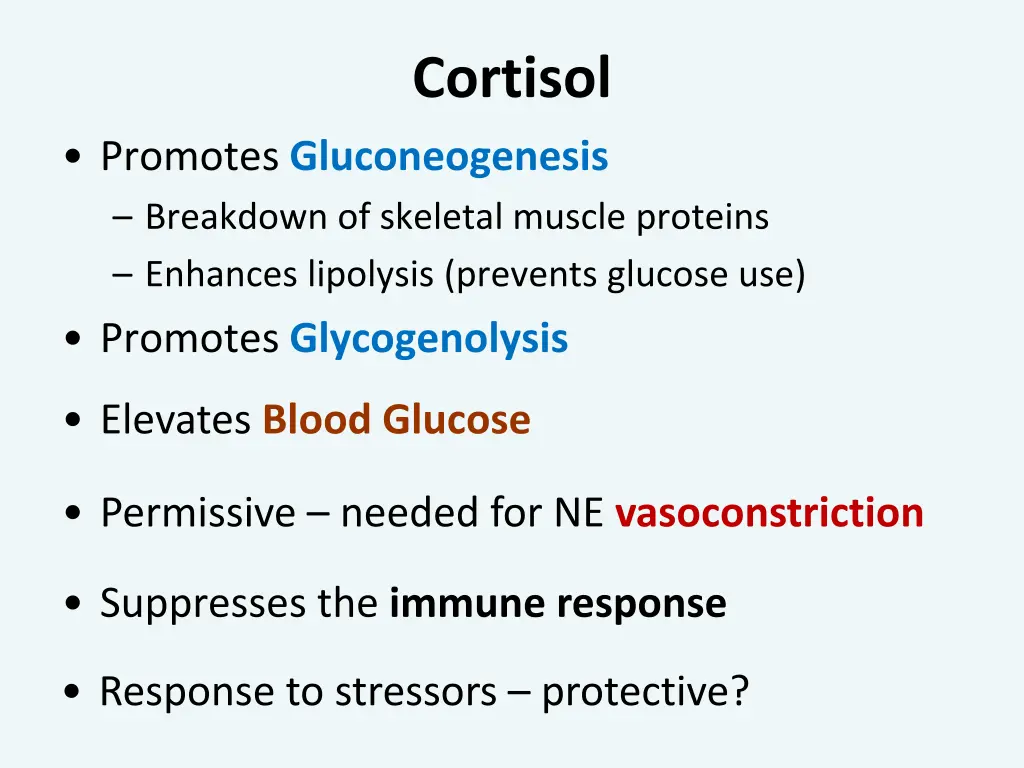
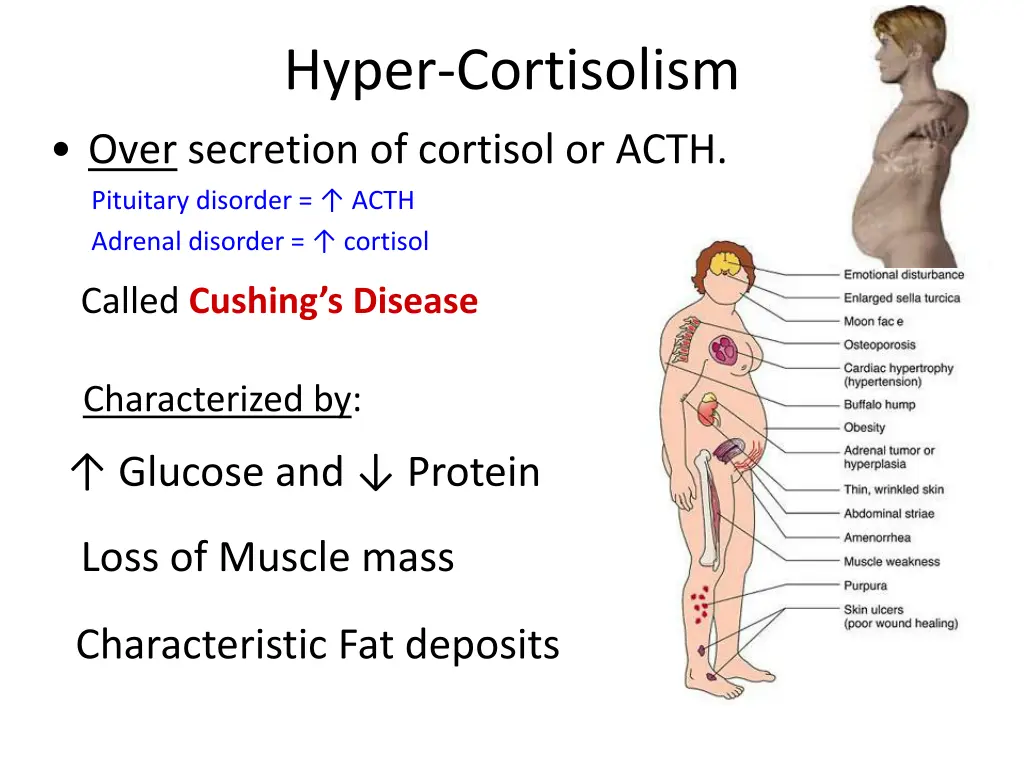
Hyper-Cortisolism Over secretion of cortisol or ACTH. Pituitary disorder = ACTH Adrenal disorder = cortisol Called Cushing s Disease Characterized by: Glucose and Protein Loss of Muscle mass Characteristic Fat deposits
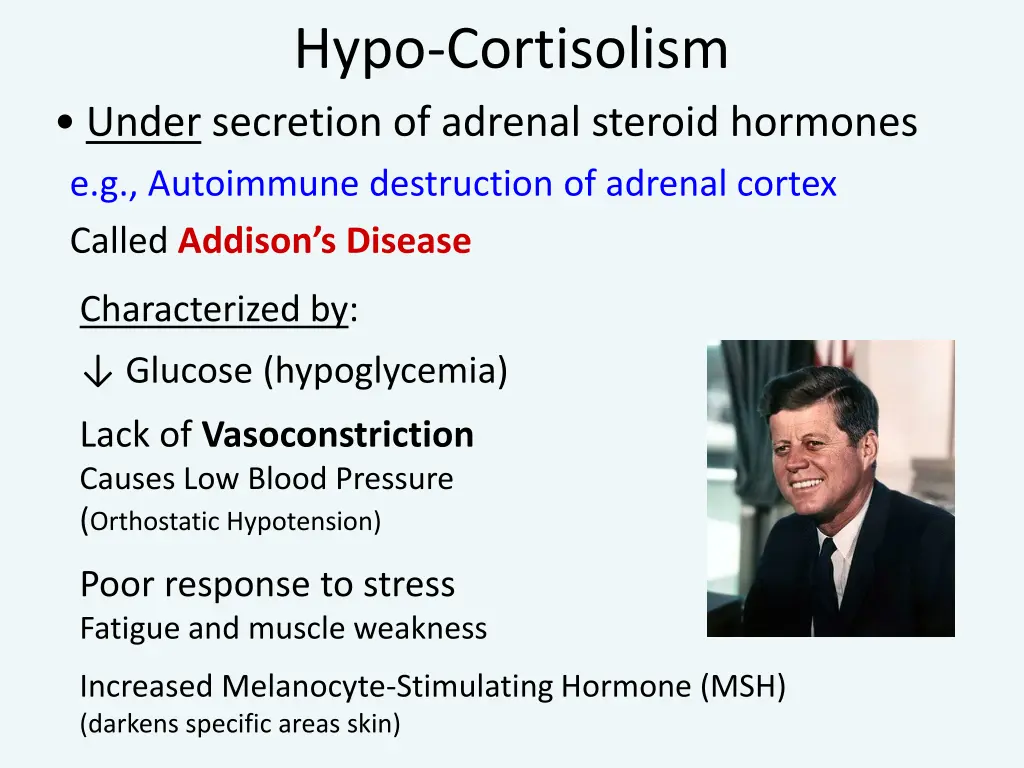
Hypo-Cortisolism Under secretion of adrenal steroid hormones e.g., Autoimmune destruction of adrenal cortex Called Addison s Disease Characterized by: File:John F. Kennedy, White House color photo portrait.jpg Glucose (hypoglycemia) Lack of Vasoconstriction Causes Low Blood Pressure (Orthostatic Hypotension) Poor response to stress Fatigue and muscle weakness Increased Melanocyte-Stimulating Hormone (MSH) (darkens specific areas skin)
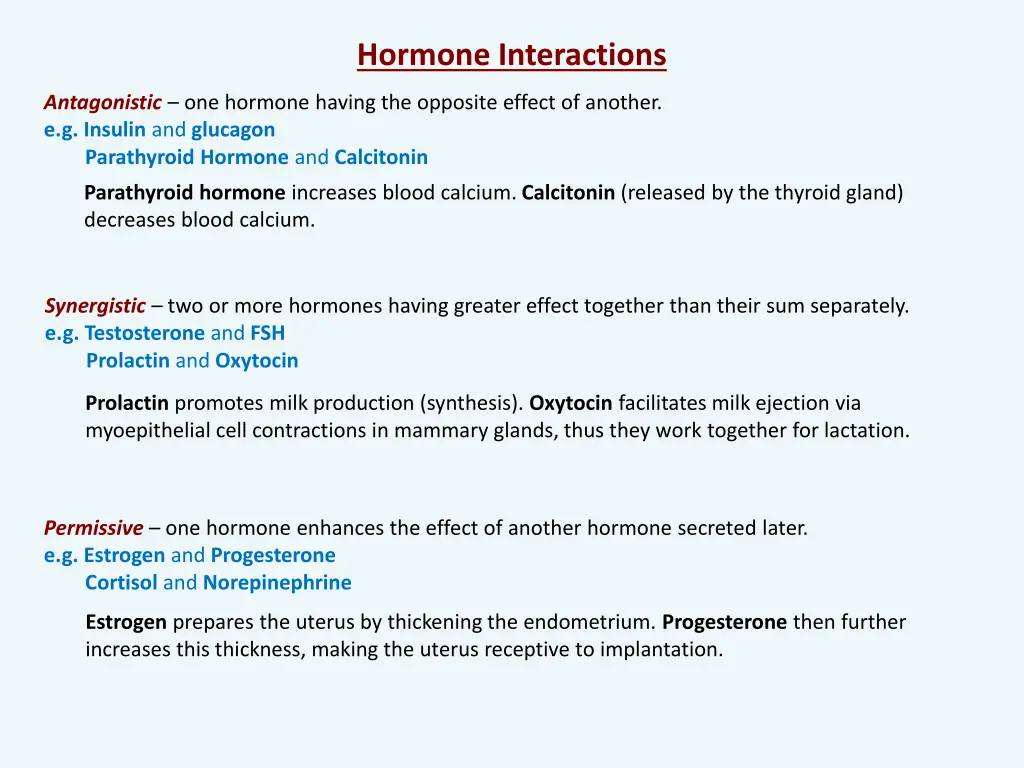
Hormone Interactions Antagonistic one hormone having the opposite effect of another. e.g.Insulin and glucagon ParathyroidHormone and Calcitonin Parathyroid hormone increases blood calcium. Calcitonin (released by the thyroid gland) decreases blood calcium. Synergistic two or more hormones having greater effect together than their sum separately. e.g.Testosterone and FSH Prolactin and Oxytocin Prolactin promotes milk production (synthesis). Oxytocin facilitates milk ejection via myoepithelial cell contractions in mammary glands, thus they work together for lactation. Permissive one hormone enhances the effect of another hormone secreted later. e.g.Estrogen and Progesterone Cortisol and Norepinephrine Estrogen prepares the uterus by thickening the endometrium. Progesterone then further increases this thickness, making the uterus receptive to implantation.
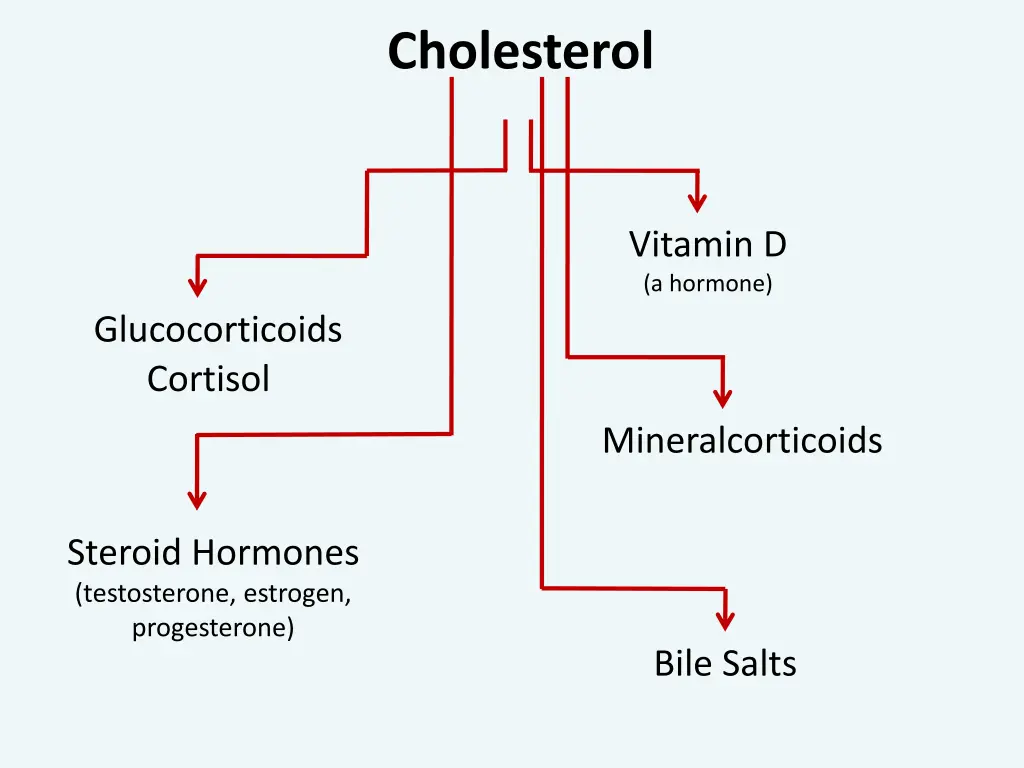
Cholesterol Vitamin D (a hormone) Glucocorticoids Cortisol Mineralcorticoids Steroid Hormones (testosterone, estrogen, progesterone) Bile Salts